How to Improve Kyphosis? These 4 Exercises Will Make Kyphosis Disappear (with Diagrams)

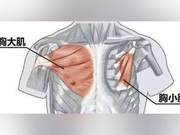
Before correcting kyphosis, we first need to know that kyphosis is not an isolated postural problem.
Kyphosis is often accompanied by postural issues such as rounded shoulders, forward head posture, and pelvic tilt.
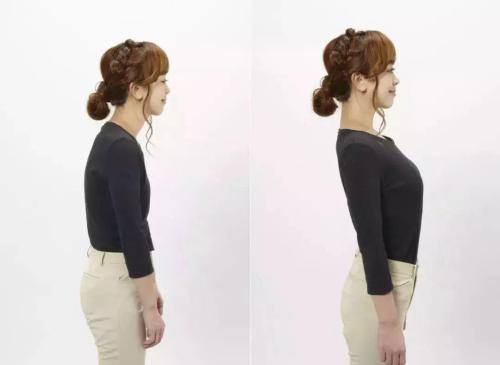
Therefore, during actual training, you shouldn't just focus on thoracic spine mobility training, but also add neck, shoulder, and pelvic correction training.
Today, we'll introduce 4 exercises, from top to bottom, to systematically correct postural problems and truly correct your kyphosis.
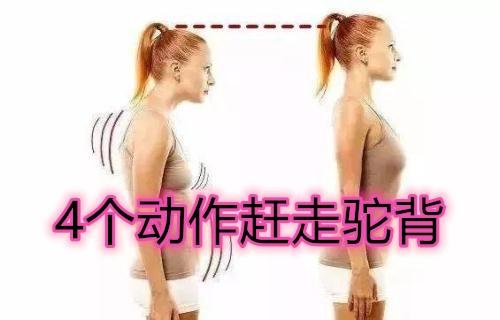
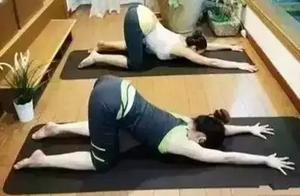
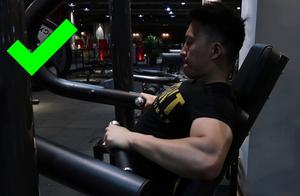
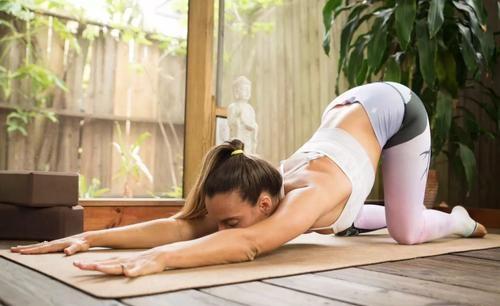
Prone Shoulder Openers
First, we need to strengthen the flexibility of the thoracic spine joints. The more flexible your thoracic spine is, the easier it is to correct kyphosis.
There's no better way to strengthen joint flexibility than through stretching exercises.
Similarly, Prone Shoulder Openers is the most effective exercise for enhancing thoracic spine flexibility.
The initial stretching may be a bit painful, but if you persevere, kyphosis is actually easy to improve.
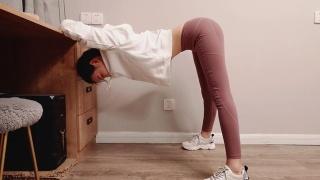
- With your hands placed against the wall or bed rail, or the floor.
- With your chin tucked in, maintain a natural neck posture.
- Push your body weight towards the center of your chest, until you reach the maximum range of motion.
- You can slightly arch your waist to increase the thoracic spine's range of motion.
- You'll hear a popping sound in the central thoracic spine joint, and then hold it.
Prone Towel Rows
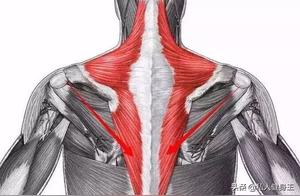
Secondly, we'll train rounded shoulders and back muscles.
Rounded shoulders lead to the shoulder blades opening outwards and rising upwards.
Therefore, they also exacerbate kyphosis to some extent.
Secondly, strengthening back muscles can maintain the range of motion of the thoracic spine and lock the shoulder blades in position.
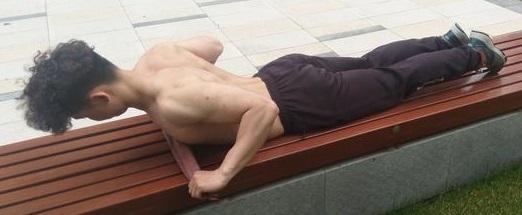
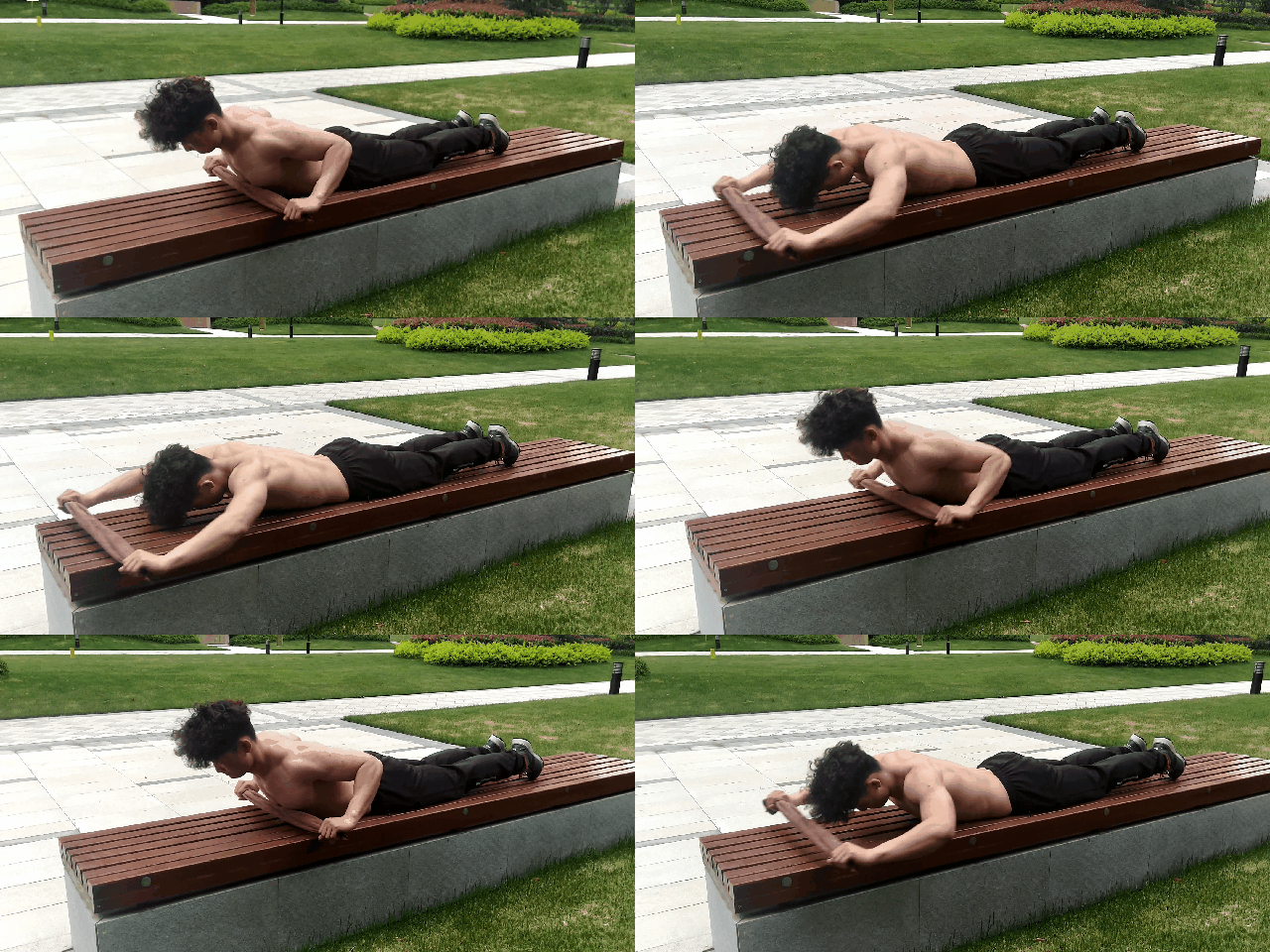
Prone Towel Rows, while not a particularly effective muscle builder, does have a good recruitment effect and is beneficial for correcting rounded shoulders and kyphosis.
- Lying face down on a yoga mat.
- With your hands gripping the towel, you can better recruit back muscles and facilitate the correction of rounded shoulders.
- Pull the towel towards your chest muscles while keeping your chin slightly tucked in.
- Pause at the top position for a short while and feel the squeeze of your back muscles.
Glute Bridges
When correcting kyphosis, you can first observe your posture, is it accompanied by pelvic tilt?
If the pelvis tilts forward, the body will inevitably lean forward, which leads to kyphosis.
Therefore, correcting kyphosis is not only about whether you are kyphotic, but also about how well you control your body's center of gravity.
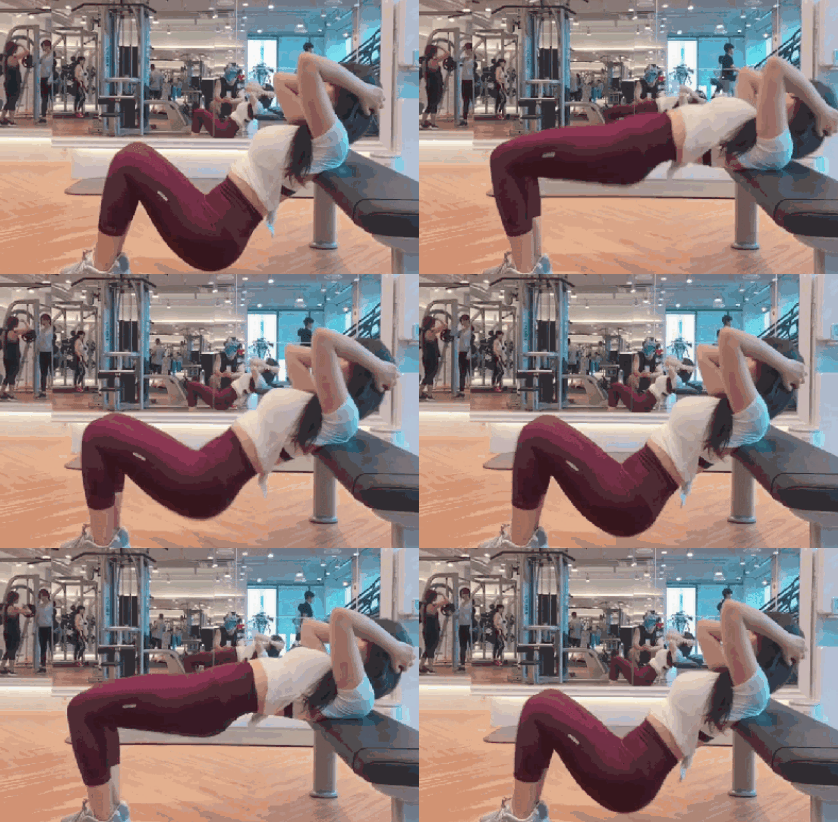
Glute Bridges can effectively control pelvic tilt and improve our leg strength, making us stand straighter and more stable.
Lean your back against the bed rail or dumbbell bench.
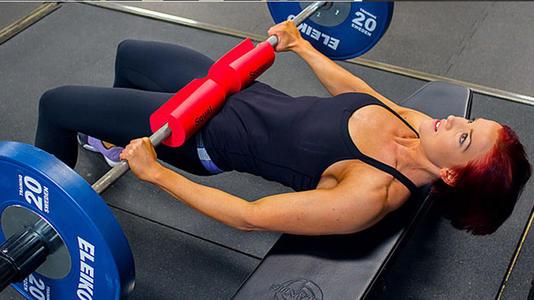
- With your feet slightly apart and pointed outwards, grip your feet with your heels.
- When pushing up from the ground, clamp your glute muscles.
- Don't push too high, don't use waist strength to lift.
- When lowering, don't lower too deeply, don't relax your waist and back muscles.
- Neck Extension
Finally, we'll address the issue of forward head posture. Forward head posture may not cause kyphosis, but we'll also address it.
Because forward head posture is often associated with kyphosis, especially when accompanied by pelvic tilt, forward head posture is often used to adjust the body's center of gravity.
So, for people with kyphosis, there will often be a certain degree of forward head posture.
Therefore, addressing forward head posture is slightly simpler. Just do neck extension.
Stand or sit in any posture, you can do several sets and reps.
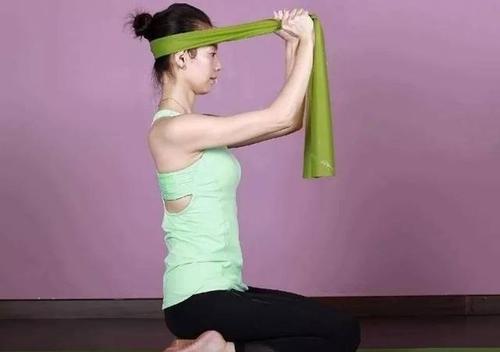
- With your chin tucked in, then move the back of your head backwards.
- Feel the tightness in your neck, and hold for a short while.
- Don't do too many, and try to avoid using resistance bands.
- The training methods we use—high frequency, low volume training, meaning you train for 2 sets per day, each set for 15 reps, but you have to train every day.
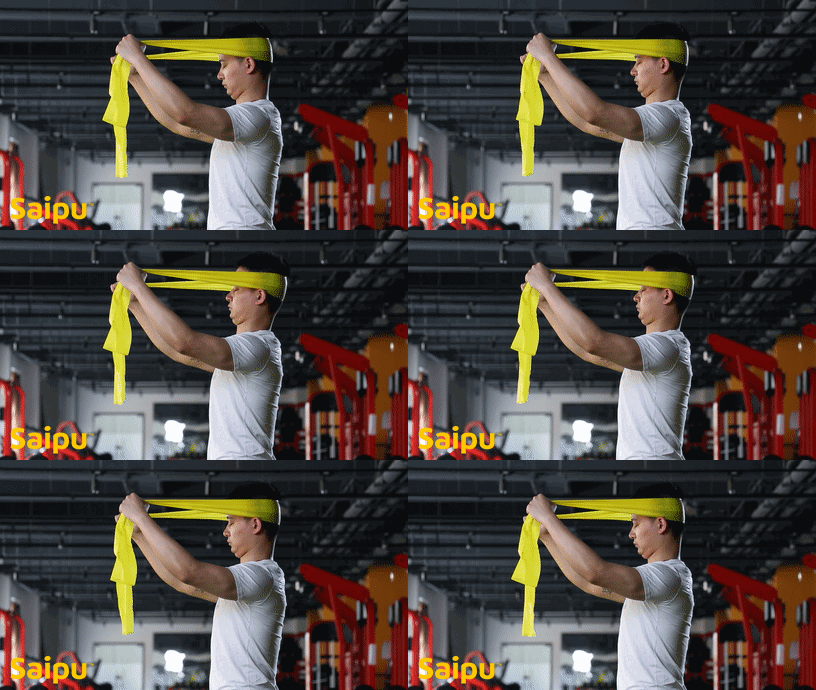
This rapid recruitment makes it effective quickly.
Finally, your posture needs to be maintained, don't relax completely after training. Correct posture building in the early stage is definitely not comfortable.