Shoulder Blade Narrow Supports Clothing, 2 Steps to Build a Pumpkin Shoulder
This topic about lateral raises has been a classic and frequently discussed one, causing much trouble for many trainees due to the special nature of its target muscles. Not only beginners, but even experienced fitness enthusiasts with several years of training experience often struggle to effectively control dumbbell lateral raises. Some advocate replacing it with other exercises, but a careful observation will reveal that almost every bodybuilder or fitness athlete will not completely abandon dumbbell lateral raises, because its advantages cannot be replaced.
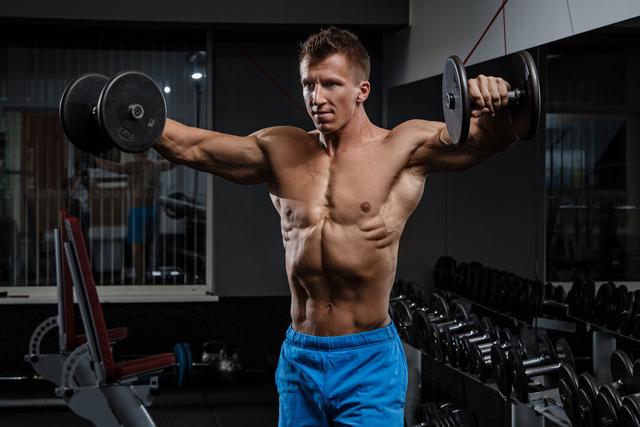
Dumbbell lateral raises’ advantages:
1. The freedom of dumbbell is the largest among all commonly used gym equipment. Although it is difficult to master, it can fully mobilize the target muscles, enhancing the trainer’s own control over the movement.
2. Under standard conditions, it can maximize the isolation of the medial head of the triceps, which is exactly what is needed.
3. According to the training’s individual shoulder activity range and other conditions, you can choose different grips and dumbbell orientations, which are more independent.
So, dumbbell lateral raises are the best exercise for training the medial head of the triceps. Then, why can’t you feel the force when doing lateral raises?

Reasons for not feeling the force of lateral raises
1. Incorrect form. Dumbbells often rely on inertia to swing.
2. Compensation movement. When the medial head of the triceps’ strength is significantly different from the training weight, shoulder shrugging will occur, which will involve the deltoid muscle and even dominate.
3. Disconnect between movement and target muscle. No matter what training you do, you should focus your attention on the target muscle group. Otherwise, the training effect will decline.
4. No pre-activation. Before a short-distance race starts, athletes will conduct warm-up exercises to activate the main force muscles, allowing them to play a maximum role when the race starts. Strength training is the same, especially for muscles like the medial head of the triceps, which are small in volume and small in strength. If they are not pre-activated, it is easy to cause injury or compensation movement. Even if you treat the first few sets as a warm-up, after making a wrong movement, it will cause the muscle to produce a wrong memory, which will affect the subsequent movements.
5. Incomplete movement. If the movement is not completed, it will greatly reduce the training effect. But you also need to adjust it appropriately according to the purpose of the movement. Only in this way can you get the maximum benefit.
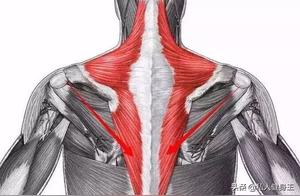
6. Poor posture. With rounded shoulders and hunchback, the shoulders are retracted inward, the arms are internally rotated, and the anterior and midheads of the triceps are often in a state of tension when doing lateral raises. When doing lateral raises, the tension is easily transferred to the anterior head of the triceps.
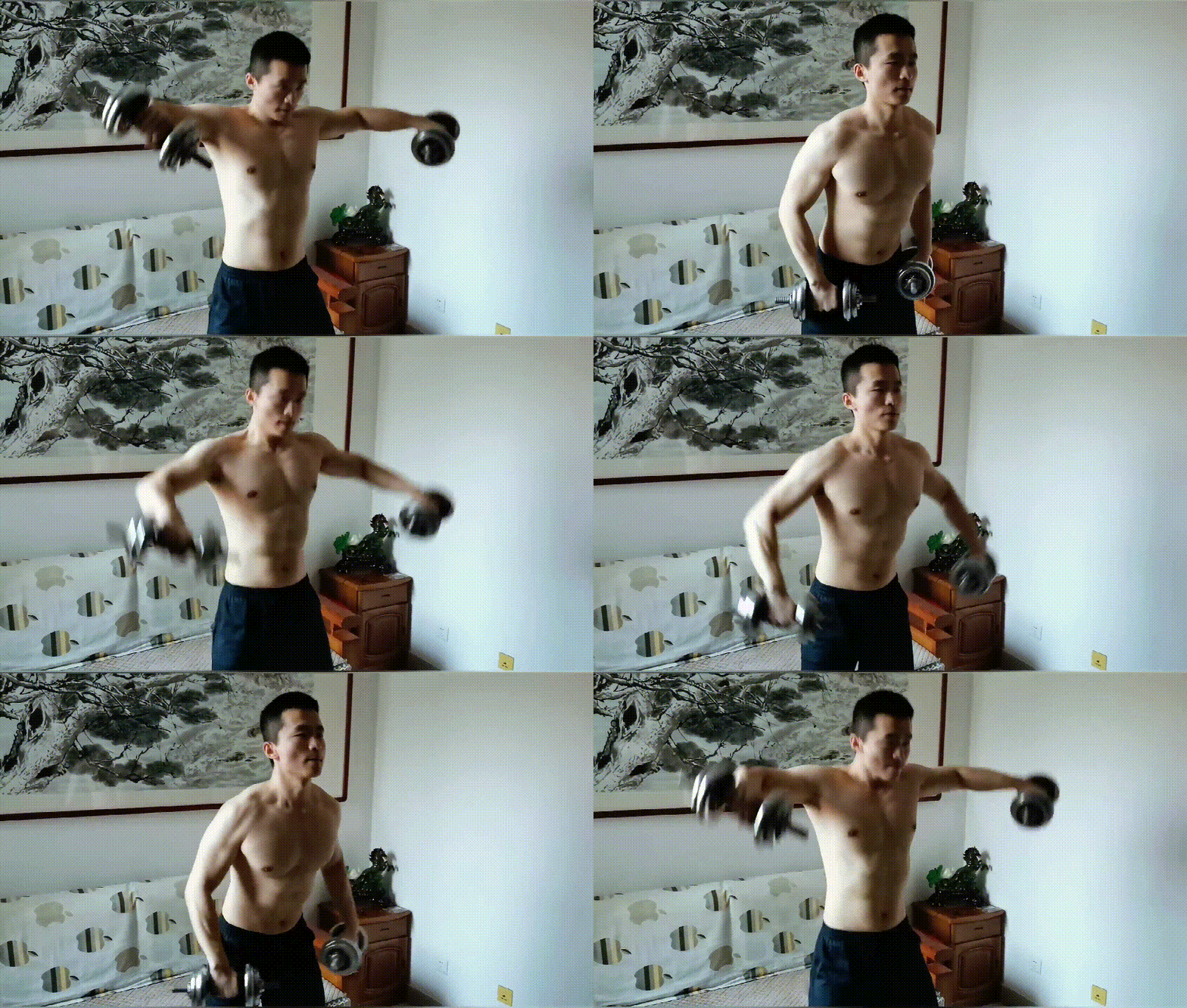
Next, we will introduce a training method and a lateral raise variation, which can maximize the benefits without changing the overall movement pattern.
High Weight vs. Low Weight
Low weight warm-up
The purpose is to mobilize the target muscles and accumulate metabolic stress. That is, to repeat as many times as possible, to bring more metabolic damage to the shoulder muscles. The following techniques should be followed:
1. Use a neutral grip, that is, the palms face inward, and the dumbbell is placed on one side of the body. The weight should be about half of the 10RM weight if you can do 10 reps with 5kg dumbbell.
2. Hold the forearm firmly with the hands, which helps the medial head of the triceps actively contract.
3. The entire movement process should be slower than the normal lateral raise, allowing the target muscle to feel sufficient tension.
4. You can use the “half-way” method, that is, after completing one full lateral raise, stop halfway through, and then quickly raise the arms to the highest point, and then slowly lower the arms. This can effectively avoid the use of inertia.

High Weight Strengthening
Many people say that lateral raises are not suitable for large weights because excessive weight makes it easy for the trainer to use momentum, but it is important to note that muscle growth requires gradual overload, and low-weight training makes it difficult to achieve this. In addition, high-weight lateral raises have the following two advantages:
- Effectively mobilize Type II muscle fibers, realizing maximum muscle growth.
- Can better utilize the eccentric phase to strengthen the training effect.

Its techniques are as follows:
1. Use a stance that is more suitable for using momentum, that is, the upper body is slightly inclined forward, the dumbbell is placed on the front side, and the weight is 3 times the above weight, 7.5kg.
2. The arms can be slightly bent, which is more friendly to the shoulder joint, especially for trainers with limited shoulder activity.
3. Follow the principle of “fast lift, slow drop,” you can quickly lift the dumbbell to the top, pause briefly, and then control the dumbbell to lower it.
4. Make a controlled lowering of the dumbbell. Compared to low-weight training, the speed of the dumbbell lowering is still relatively fast, but we can make the medial head of the triceps exert force and counteract the downward trend of the dumbbell.
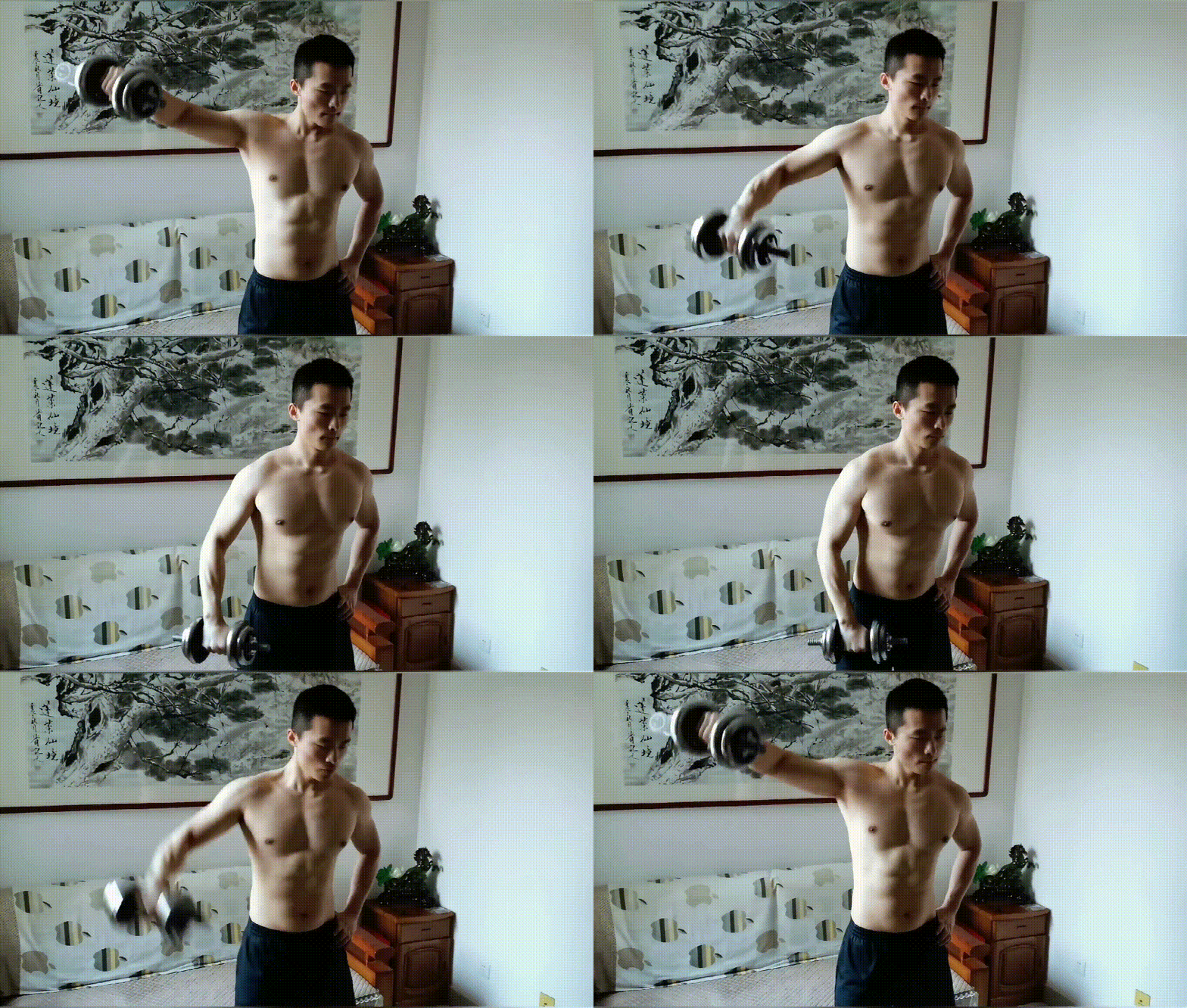
Low Weight Finish
After completing the above training, the medial head of the triceps will have a strong feeling of soreness, but you can continue to accumulate metabolic pressure with low-weight training to make the target muscle fully exhausted. At this time, the training efficiency is much higher than directly resuming the next set. The following techniques should be followed:
1. Use the same stance and dumbbell orientation as the warm-up.
2. Slightly raise the head, retract the shoulder blades,
3. You can reduce the movement range by half, that is, stop when the arms are at a 45-degree angle with the body. This is to avoid shoulder shrugging movements, and you can focus all the tension on the medial head of the triceps.
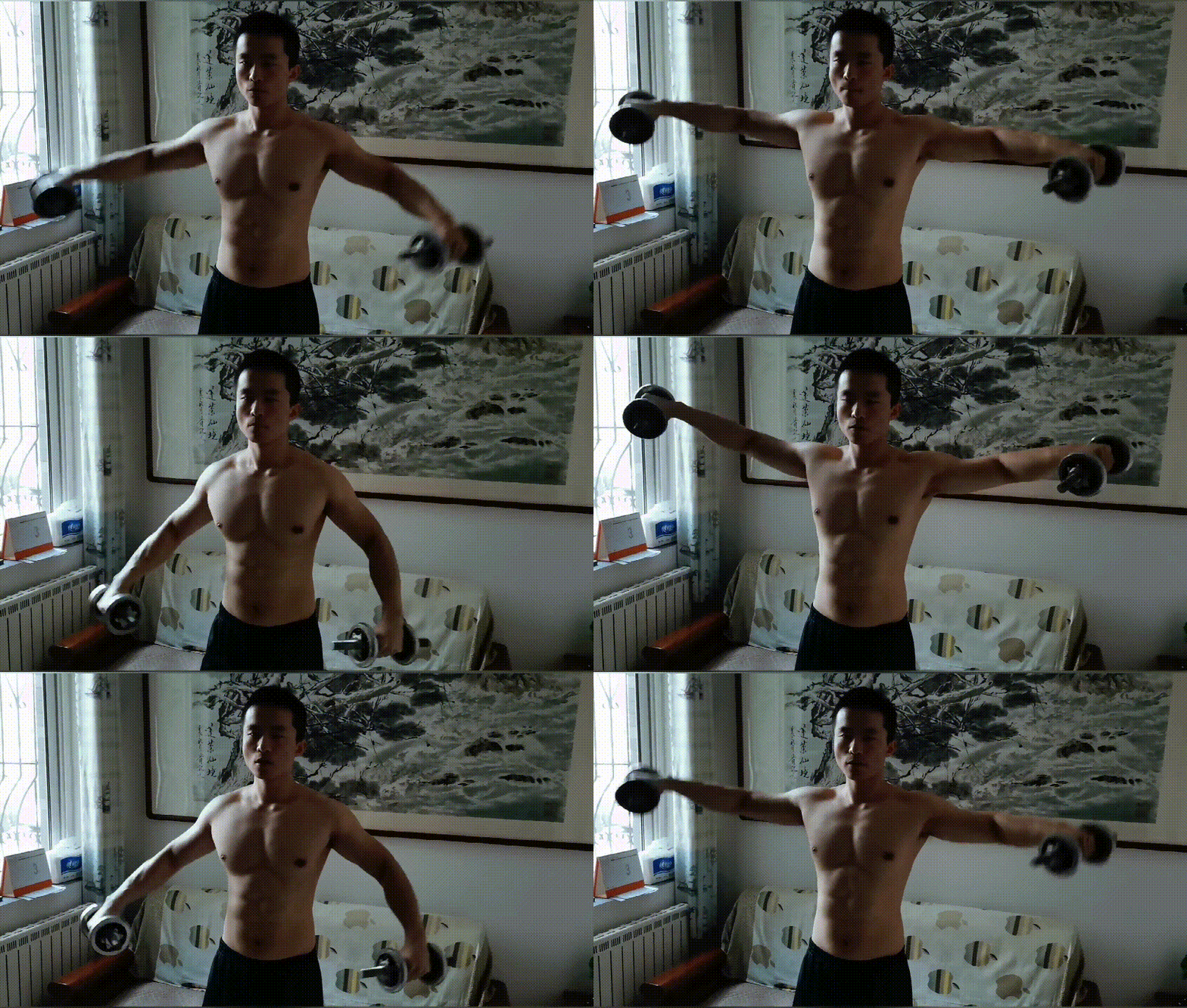
External Rotation Lateral Raise
As mentioned in the previous section, when the shoulders are rounded and hunchbacked, doing lateral raises not only makes it difficult for the trainer to find the medial head of the triceps’ activation point, but it also exacerbates poor posture, and if only emphasizing how to do standard movements cannot effectively solve the problem, we can change the details of the movement, objectively reduce the inward retraction of the shoulders, and force the medial head of the triceps to exert force. The following steps should be followed:
1. Push the chest up and open the shoulders, if you start lateral raises with a rounded shoulder and hunchback, the probability of shoulder shrugging will be greater.

2. Move the dumbbell from the side to the front, while externally rotating the shoulders, so that the palms face forward.
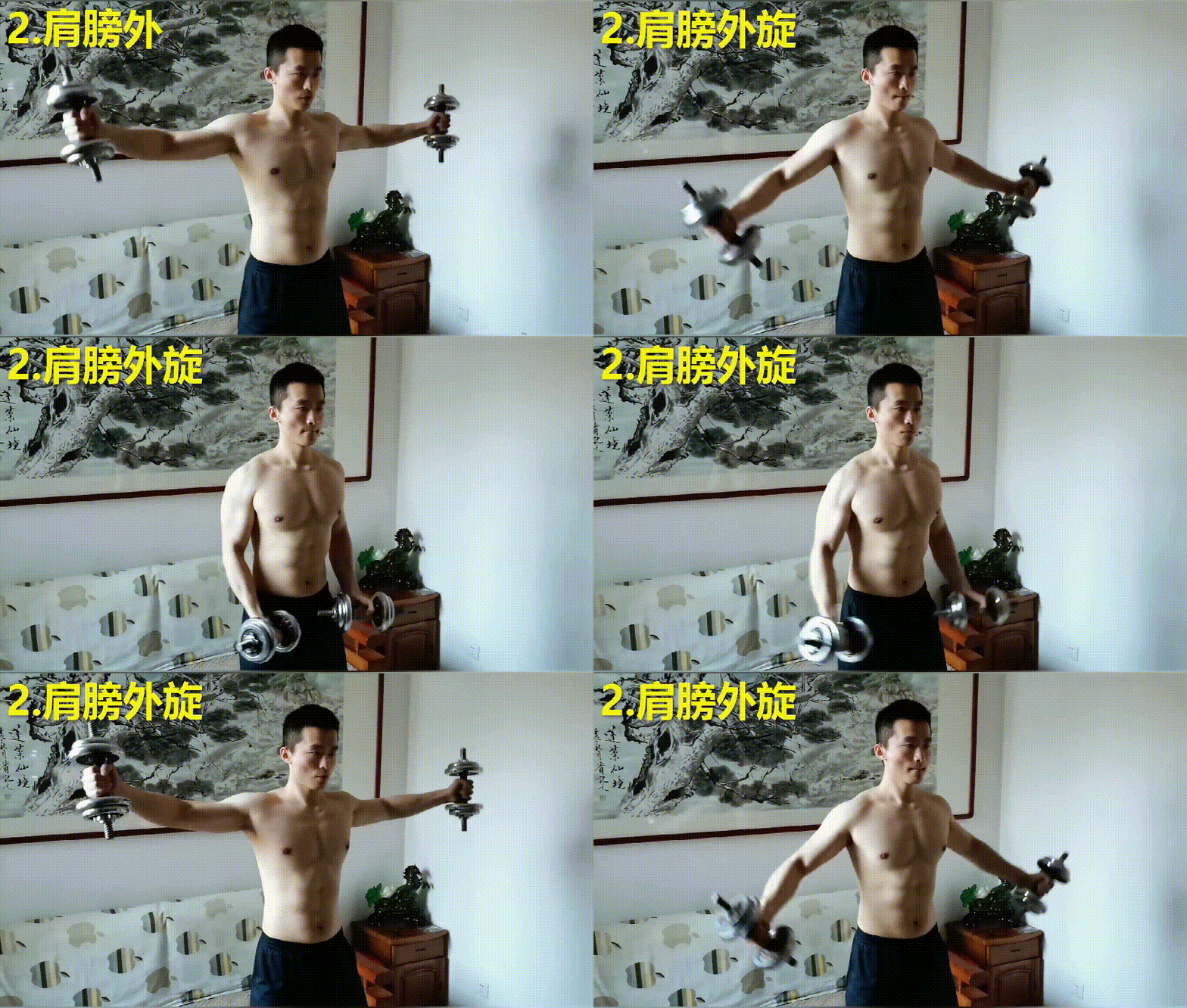
3. Activate the shoulder muscles, lift the dumbbell from the side, and bend the arms slightly, and the angle should not change throughout the movement.
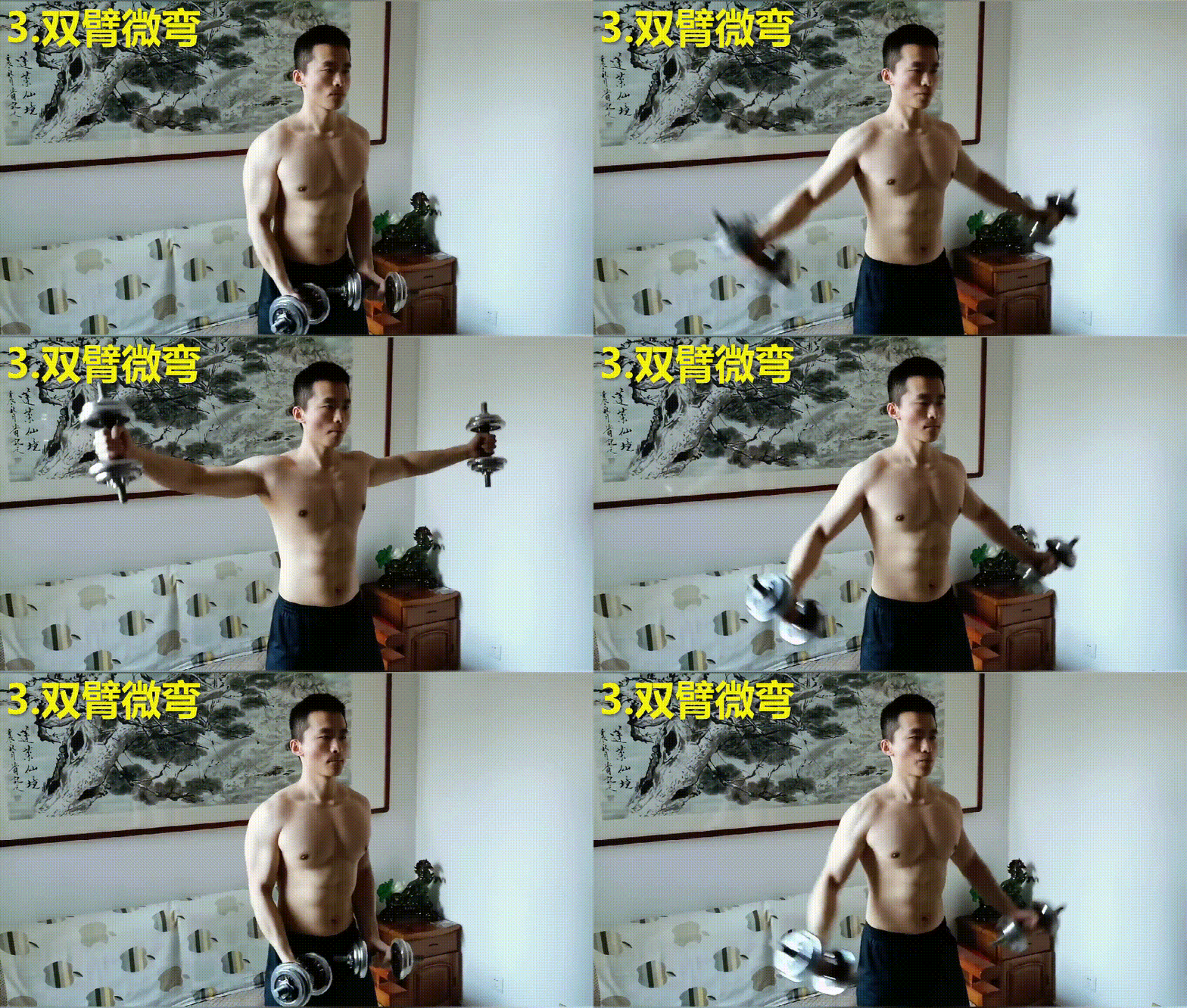
4. Do not let the dumbbell exceed the height of the shoulders, as this puts unnecessary pressure on the shoulder joint.
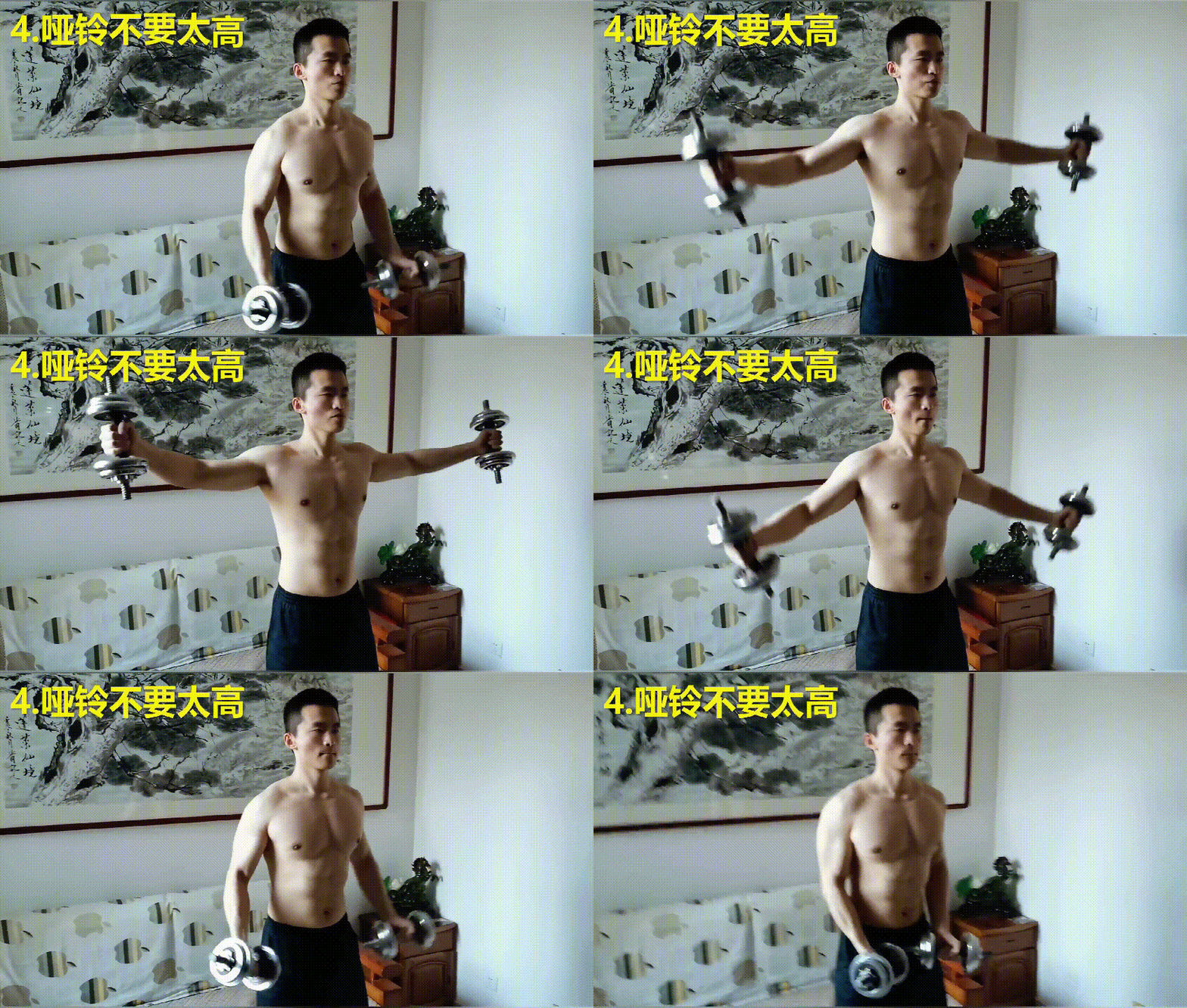
Three techniques:
1. Slightly tilt the upper body forward, tighten the core muscles, and maintain stability so that the dumbbell moves in front of the body, which can make the movement more smooth.
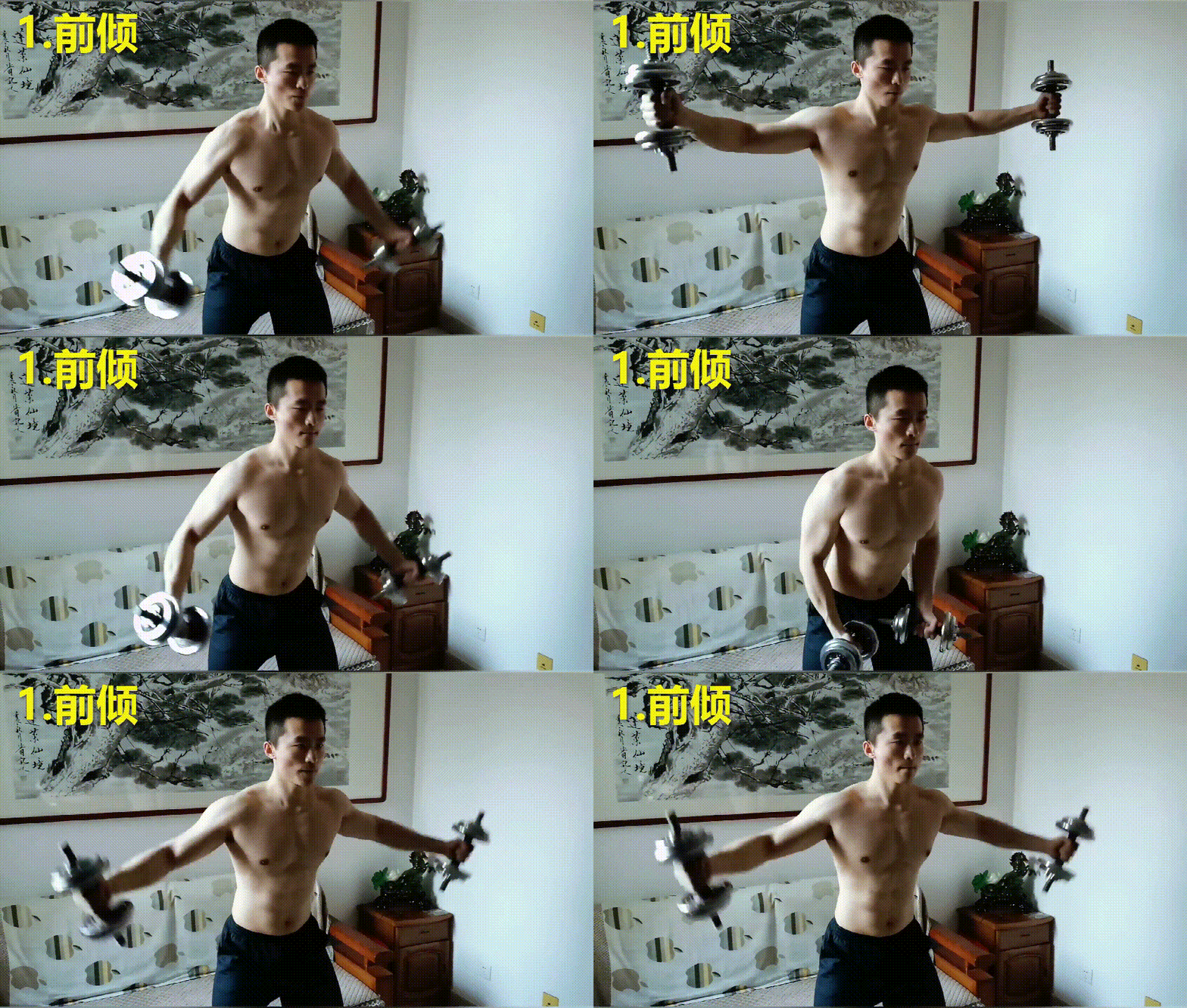
2. You can use a larger weight dumbbell, and in the concentric phase, use the slight movement of the body to leverage the dumbbell up. But in the eccentric phase, you should make the lowering speed of the dumbbell relatively fast, even if the shoulders are sore, you should use the force to counteract the downward trend of the dumbbell. Using the eccentric phase can make it easier for you to find the activation of the target muscle.
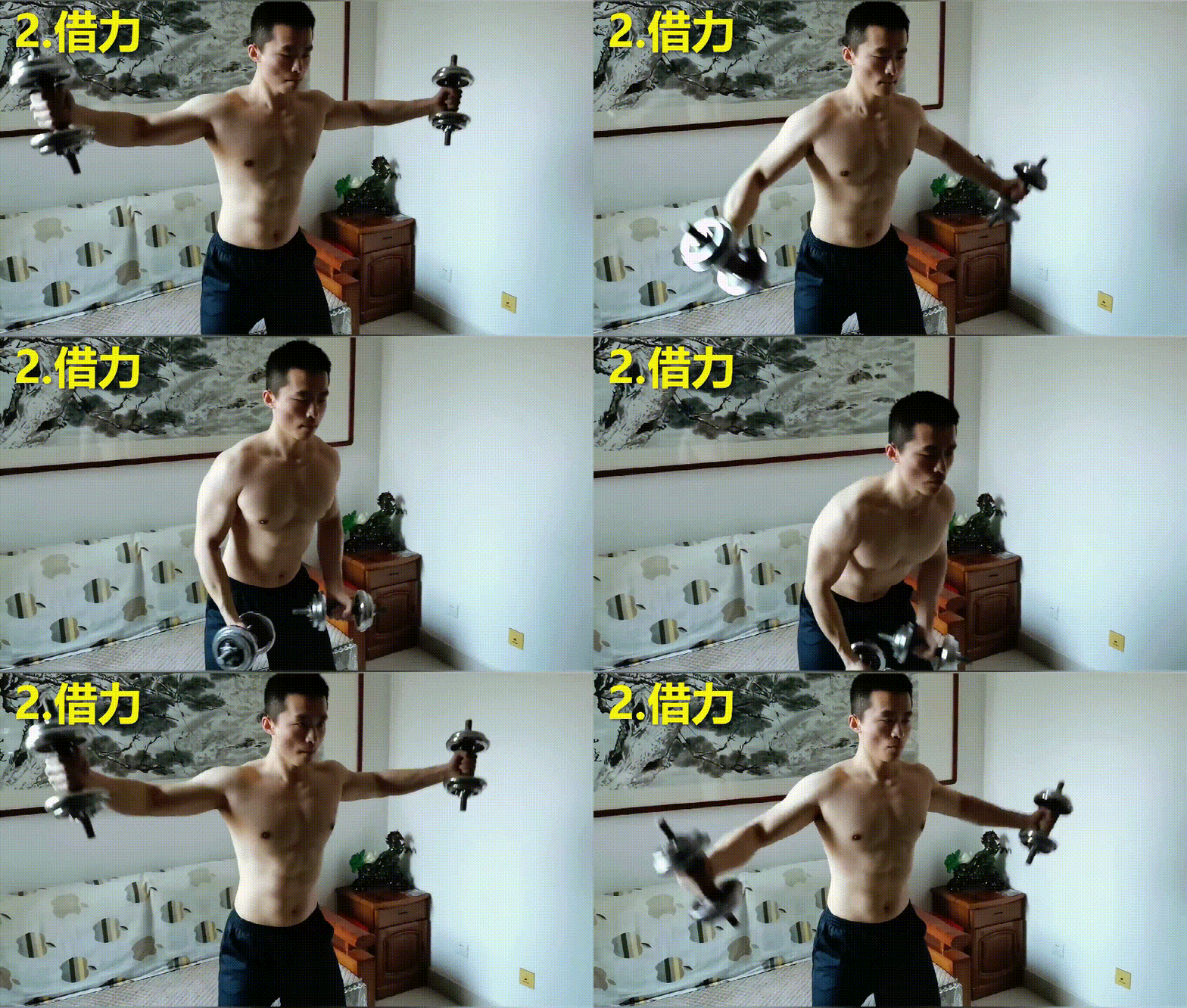
3. Half-way principle. You can first do one full concentric movement, and when the dumbbell reaches the highest point, stop, and then quickly raise the arms to the highest point, and then control the arms to lower them halfway. This can effectively avoid the use of inertia.
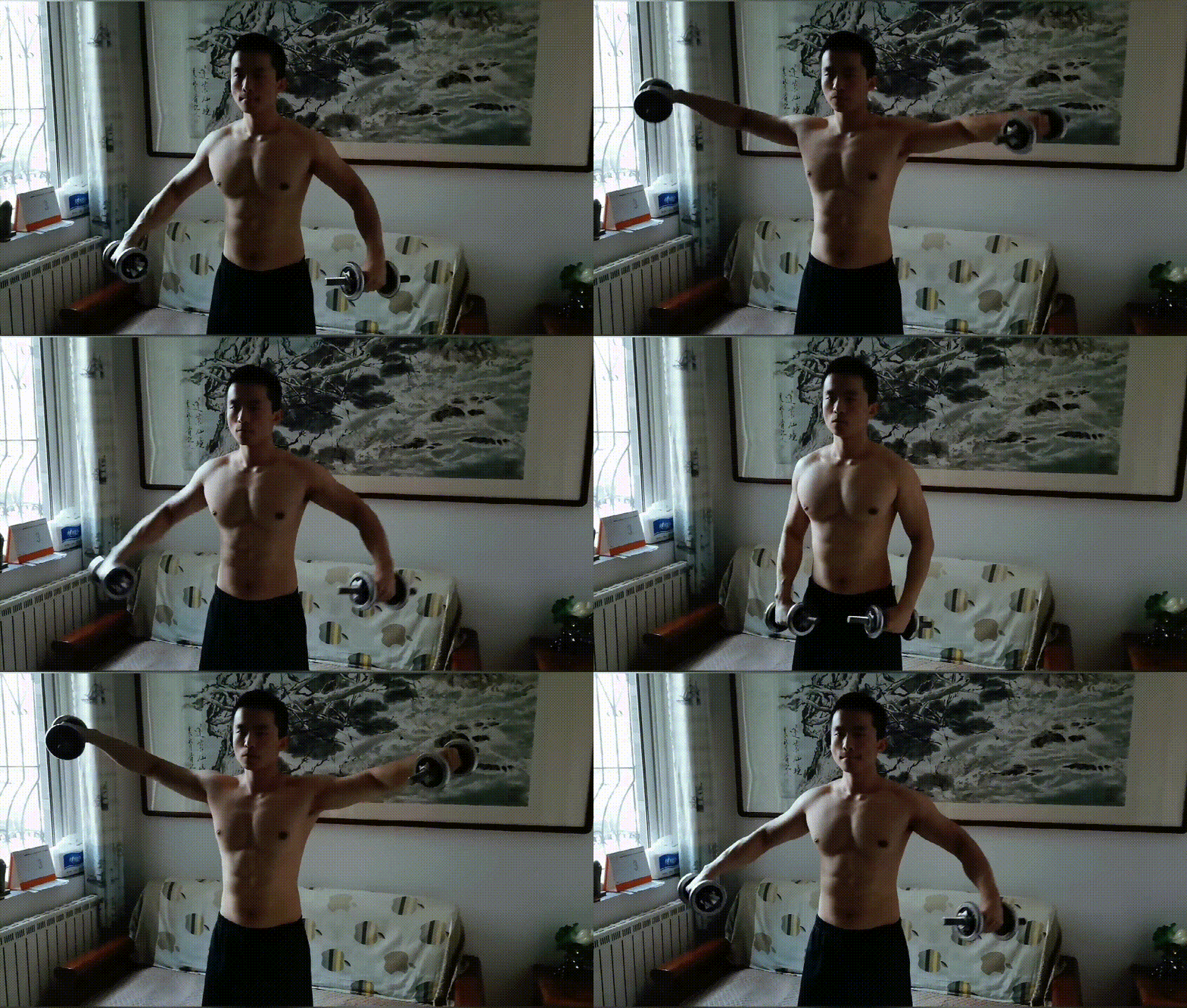
Compared to other muscle groups, the medial head of the triceps has a small volume, small strength, and is divided into three heads, which makes it difficult to train effectively. It is often that you work hard but cannot find the feeling of activation. We should analyze the movement principle, find the deep reason, and then correct it. Only in this way can you make continuous progress.