How to Lose Weight and Exercise for an Hourglass Figure
Before writing about how to determine the target, weight, body fat rate, visceral fat level, muscle mass, etc. physical indicators, and the relationship between waist-hip ratio and thigh circumference, today I will introduce how different body types should exercise. Let's first introduce pear-shaped figures.
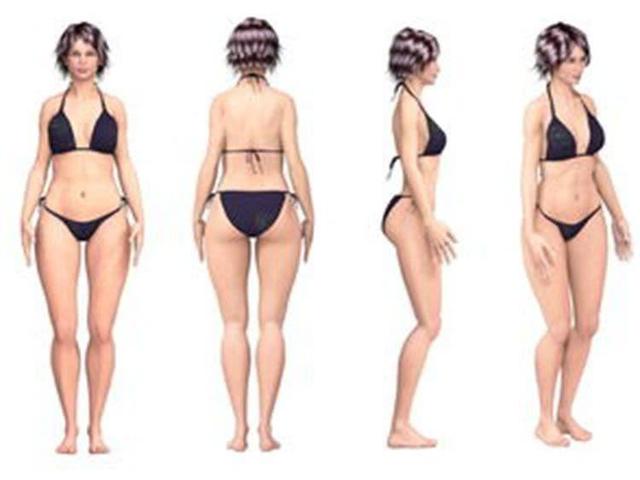
Pear-shaped figure
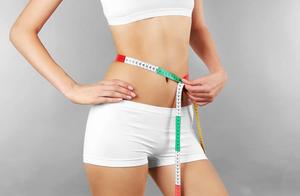
The characteristic of a pear-shaped figure is narrow shoulders, thin waist, wide hips, and plump buttocks and thighs. Fat is mainly deposited in the hips and thighs. The upper body is not fat, and the lower body is fat, resembling a pear shape. Because women have wider hips and thicker thighs for the same height, pear-shaped figures are common among women and rare in men, which is related to the distribution of fat and muscle in women's lower limbs. The formation of a pear-shaped figure is related to a large amount of estrogen secretion, and a pear-shaped figure is the most preferred body type. A pear-shaped figure helps prevent diabetes and is more likely to live a long life.
I have a female friend who is in a pear-shaped figure and joked: 'Looking at her upper body, she feels like 90 pounds, and looking at her lower body, she feels like 140 pounds.'
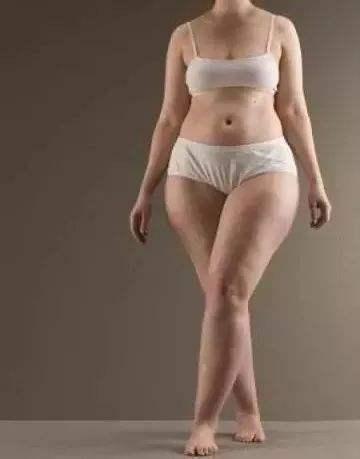
Pear-shaped figure after fat accumulation
Because pear-shaped figures have a significant difference in the shape of their upper and lower bodies, different training methods should be taken for the upper and lower bodies. The focus of training is also different.
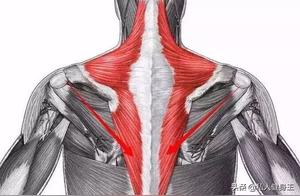
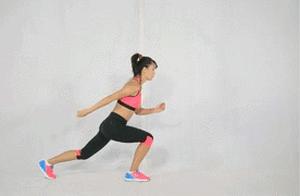
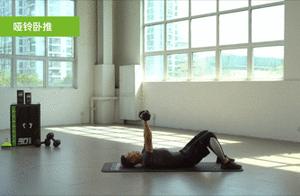
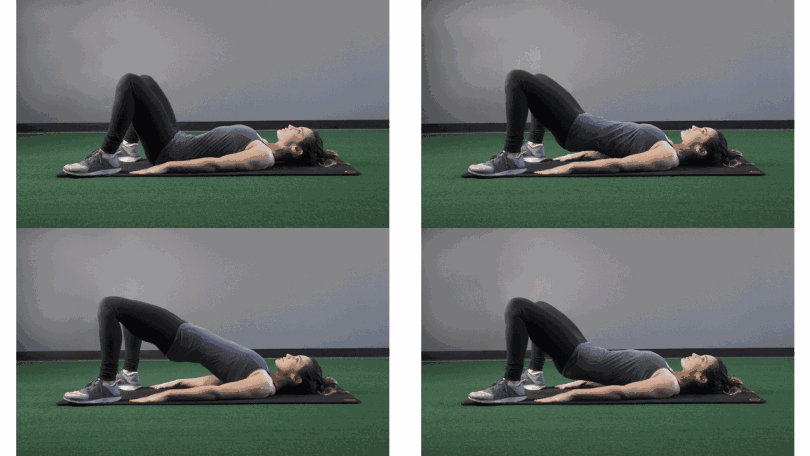
Simply put, while overall fat reduction, the upper body should do muscle building training, and the lower body should only do shaping training. The upper body, according to individual body characteristics, focuses on training the trapezius, biceps, triceps, forearms, pecs, back muscles, erector spinae, and trapezoid muscles (focusing on training the upper trapezoid muscles). The lower body mainly does shaping training, mainly using bodyweight exercises, such as bodyweight squats, bodyweight hip bridges, bodyweight heel raises, and light weight deadlifts, specifically targeting the hip situation, you can do localized muscle building training.
The order of training is to first warm up for 5-10 minutes, dynamic stretching muscles and joints, equipment warm-up, and then equipment training or shaping training for at least 30 minutes, generally 45-60 minutes, static stretching muscles and joints, aerobic warm-up for at least 30 minutes, generally 45-60 minutes, cold body after static stretching of muscles and joints, ending training.
When you start exercising for about three to four months, you can both gain muscle and lose fat, which is the golden period of fitness. After that, you can only choose to lose fat or gain muscle. The female body is already obese, and the main focus should be on fat reduction. Equipment training for 45-60 minutes can be done, and the time for equipment or bodyweight training can be appropriately shortened, but the time for moderate-intensity aerobic exercise must be guaranteed.
Moderate-intensity aerobic exercise refers to the heart rate during exercise, which is between 64-76% of the maximum heart rate. The setting of the fat reduction heart rate in different apps may be different, but the difference is not large.
Download fitness apps such as 'Fitness Treasure Book' (only Android version) and 'Keep' to choose appropriate muscle building, shaping and stretching courses. Exercise 3-6 times per week, and at least rest for one day. After having some exercise experience, you can change the training plan according to the characteristics of your body.
Fitness App
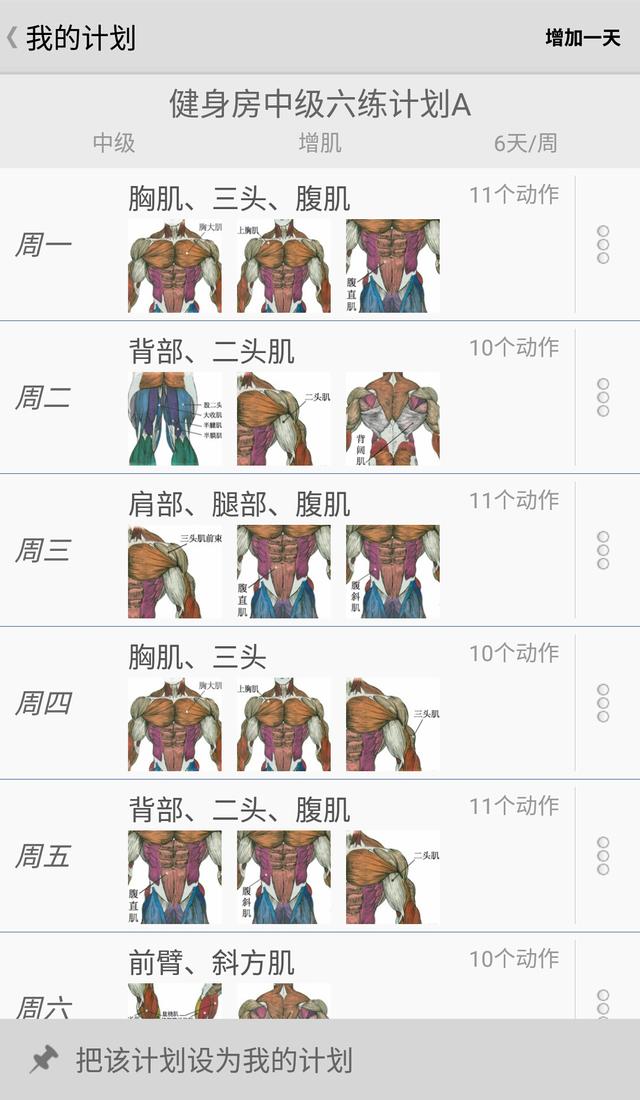
Fitness Treasure Book Training Plan
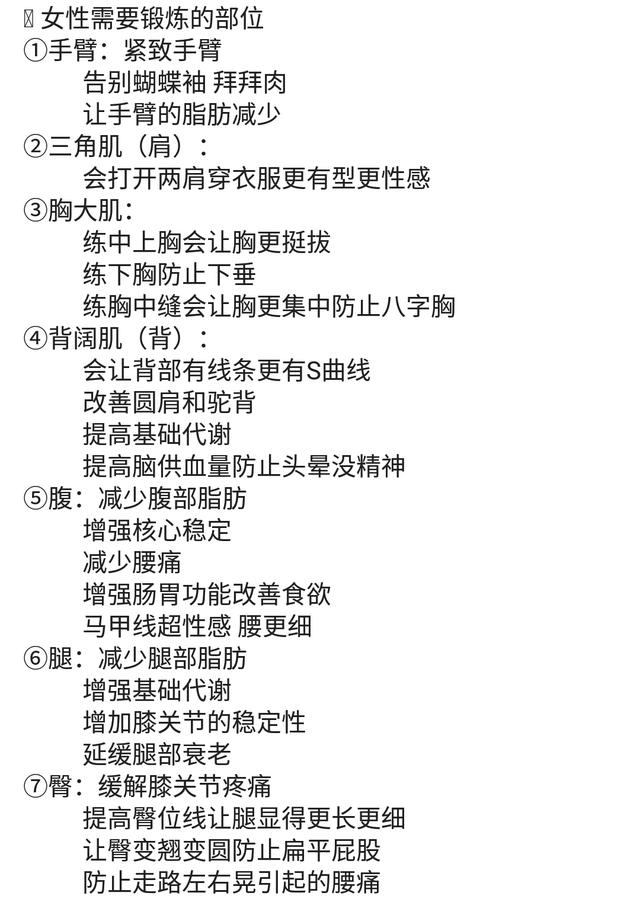
The following is the role of different parts of the body when women exercise. Women with a pear-shaped figure should train according to their body characteristics. Fat reduction is a whole-body process, and there is no local fat reduction, but you can locally gain or shape muscle.
The role of different parts of the body
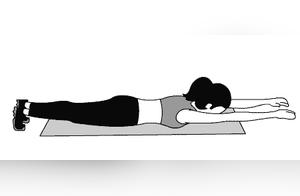
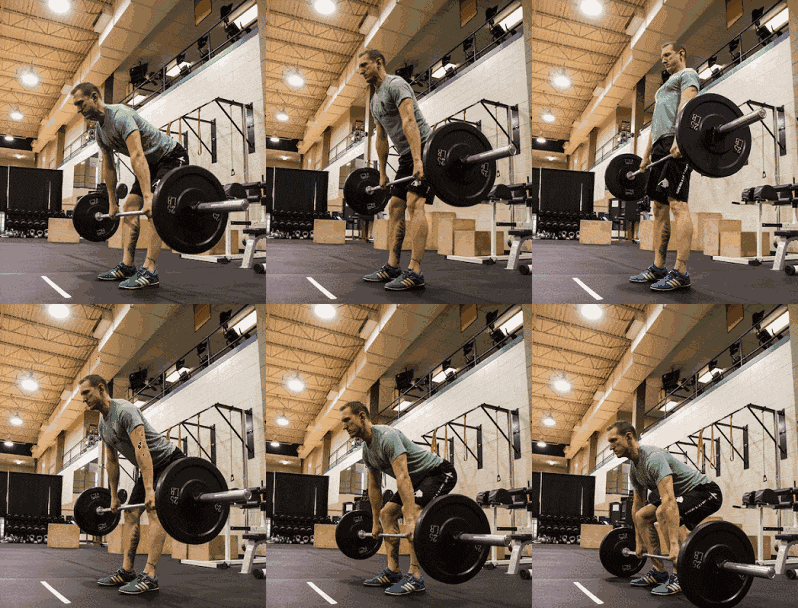
Do bodyweight exercises to train the lower body, and try not to use any burden. If the hamstring muscle on the back of the thigh is relatively weak, you can use appropriate weight to train, or even gain muscle. When training, you must pay attention to the balance between the muscles of each part of the body. Commonly weak muscles include the hamstring, gluteus maximus, erector spinae, etc., all of which need to be focused on strengthening.
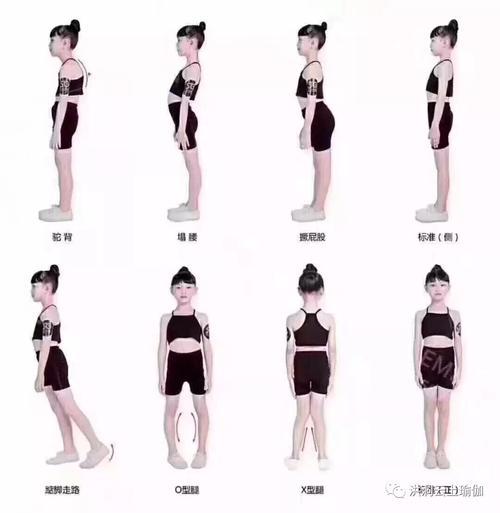
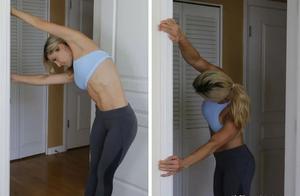
Women are prone to postural problems such as forward pelvic tilt, knee and elbow extension, rounded shoulders and hunching. Before training, you must first do postural correction training, and then do equipment or shaping training. To address the problem of thick thighs and legs, it is also necessary to do more stretching and massage. Keep has shaping and stretching training courses, just do it as you see.
Common posture problems