3 Exercises to Correct Pelvic Issues, Relieve Waist Pain
Many times, ordinary office workers maintain the same posture for a long time, such as always sitting in front of their desks, and after a long time, the waist will feel weak and heavy, and it will also lead to the movement of the pelvis, so it is very important to do some small movements to return the pelvis to the correct position.
pelvic correction method
day after day maintaining a posture, the pelvis shifts will aggravate waist pain, and the following actions can allow you to correct the pelvis at any time and anywhere, to prevent waist pain!
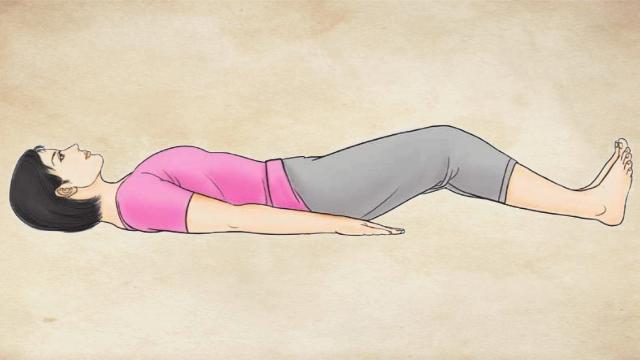
utilizing the ground pelvic correction method
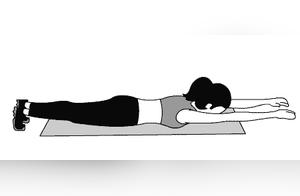
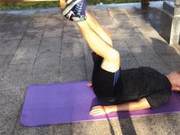
choose a floor or hard surface, avoid performing on a mattress or sofa which is a softer surface, full body relaxation, lying flat on the floor, arms naturally stretched out on either side, normal breathing, in this state you will feel the waist slightly rising, suspended in the air, the spine at this time is in an S-shaped arc. Then use abdominal muscle force, relax the force of the feet, the knee joints can slightly bend, so that the pelvis can be attached to the ground, to feel the spine like a stick straight, maintain this posture for 10 seconds. Do twice a day, long-term persistent, can maintain the body's correct curve, inhibit the spine bending.
full body relaxation, lying flat on the floor, arms naturally stretched out on either side, abdominal muscle force, foot force relaxation, knee joints slightly bend, let the pelvis attach to the ground.
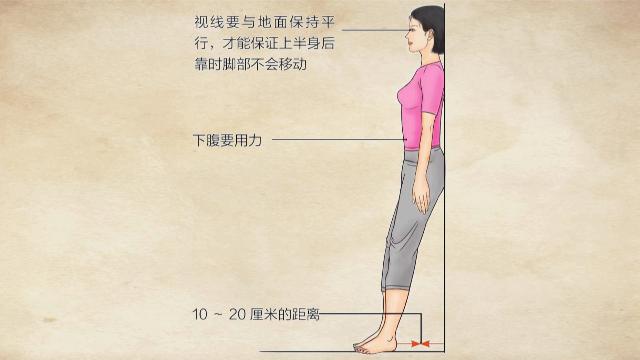
utilizing the wall pelvic correction method
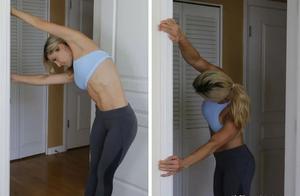
standing 10-20cm away from the wall, then move the upper body back to lean against the wall, ensuring that the shoulders and hips are completely attached to the wall. Then, use abdominal muscles, especially the lower abdomen, to reduce the gap between the waist and the wall, using the wall and abdominal muscles to correct the back curve. Do once for 30 seconds a day, you can make multiple times, when doing this action, do not wear high heels. If you stand for a long time at work, using this posture will not make the waist feel tired.
the distance between the foot and the wall is 10-20cm, the upper body moves back to lean against the wall, so that the shoulders and hips are completely attached to the wall, the lower abdomen uses force, reduces the gap between the waist and the wall.
utilizing the wall pelvic correction method steps
the foot and the wall have a distance of 10-20cm, the shoulder and the hip are completely attached to the wall;
do not move the upper body, use abdominal muscle force, one foot moves backward, so that the heel and the thigh are attached to the wall.
maintain the upper body posture, the other foot moves backward, the heel and the waist are attached to the wall.
utilizing the chair pelvic correction method
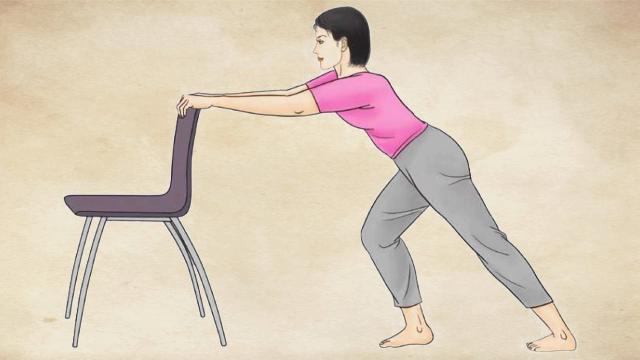
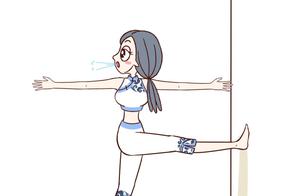
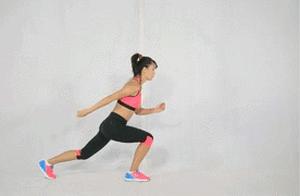
maintain a distance of 40-50cm from the chair, after standing upright in front of the chair, the feet are opened with the same width as the shoulders, then the arms are stretched out and hands hold the back of the chair, at the same time, one knee is bent, one foot is extended backward to feel the pain, maintain this posture for 10 seconds, and slowly exhale, alternate between the two legs, each doing 5 times, you can grasp the number of times, do twice a day.
utilizing the chair pelvic correction method steps
maintain a distance of 40-50cm from the chair, stand upright;
the feet are opened with the same width as the shoulders, the arms are stretched out, bend down and hand hold the back of the chair;
exhale, one knee is bent, one foot is extended backward, maintain for 10 seconds;
while the elbow is bent, let the extended foot move forward, restore the upright posture.
this section's terminology
① spine
also known as the spine, spine bone, consisting of a special shaped vertebrae and intervertebral disc, located in the center of the back, upper connected to the skull, middle connected to the rib cage, the lower end and the hip joint form the pelvis. From top to bottom, there are 7 vertebrae in the neck, 12 vertebrae in the chest, 5 vertebrae in the waist, 1 sacrum and 1 coccyx, a total of 24 independent vertebrae. The spine internally from top to bottom forms a vertical spinal tube, inside has the spinal cord.
② abdominal muscle
including the rectus abdominis, external oblique muscle, internal oblique muscle and the transverse abdominis. When they contract, they can make the trunk bend and rotate, and can also prevent the pelvis from tilting forward. Abdominal muscles also play a significant role in the activity and stability of the vertebrae, and can control the activity of the pelvis and the spine.