What type of exercise doesn't hurt the bones – more exercise, more injury, understand your cartilage
In the article 'Who is Killing Your Joints' I've explained about hyaline cartilage to you. In this lecture, we will continue to chat about cartilage, this important, easily injured but not highly valued tissue

The human body has three types of cartilage:
1. Hyaline cartilage: Covering the joint surface
2. Fibrous cartilage: The meniscus in the knee, the vertebral disc
3. Elastic cartilage: The pinna of the ear and the stapedius muscle. This type of cartilage is similar to hyaline cartilage, with good elasticity
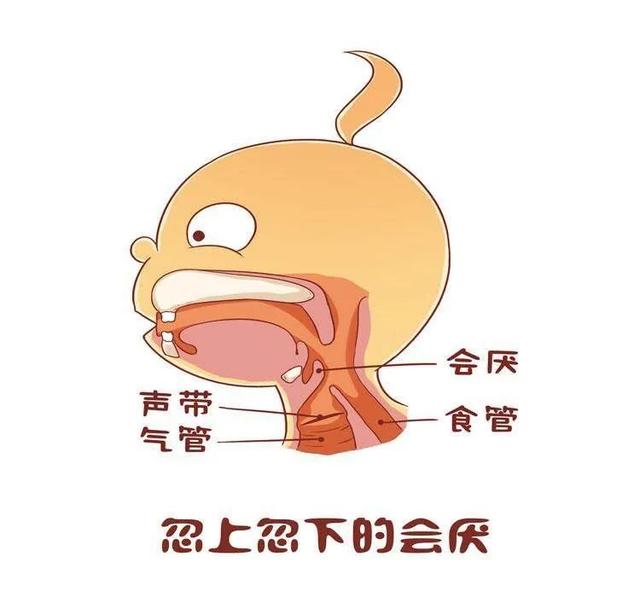
The stapedius muscle is covered with mucosa to form the valve of the throat, which has strong elasticity and toughness, resembling a leaf. It is shaped like a leaf, wider at the top and narrower at the bottom
Today our theme is:Fibrous cartilage
Joint cartilage, you probably don't want to know, but when you are forced to know it, such as when a doctor tells you 'how your joint cartilage is doing' it's basically close to disability, of course, there's some exaggeration
But it is a typical structure that you ignore today, and tomorrow you'll admire it
So, it's really important to read this article carefully for your health
Fibrous cartilage is a dense connective tissue and cartilage mixture, providing strength for the ligaments and tendons within the joint, and cushioning the joint itself
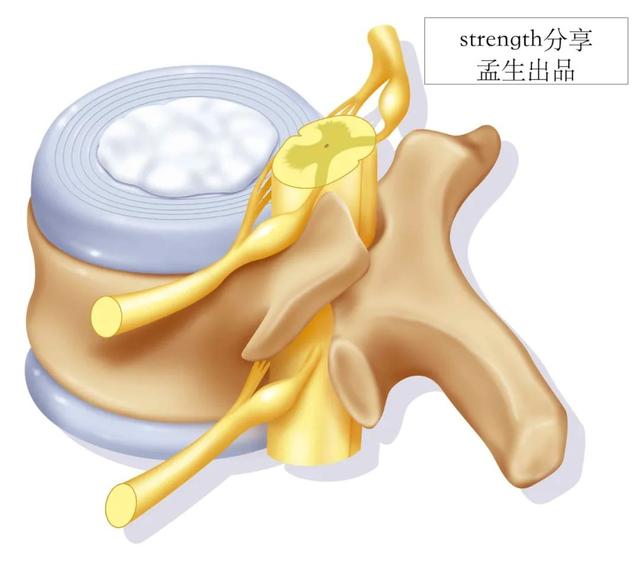
Fibrous cartilage sounds unfamiliar, have you ever heard of vertebral discs or menisci? These are all composed of fibrous cartilage in locations that are frequently injured and painful in life
Fibrous cartilage forms the cartilage plates in the joint. You can see the picture below to understand what this structure looks like - it's a 'plate'
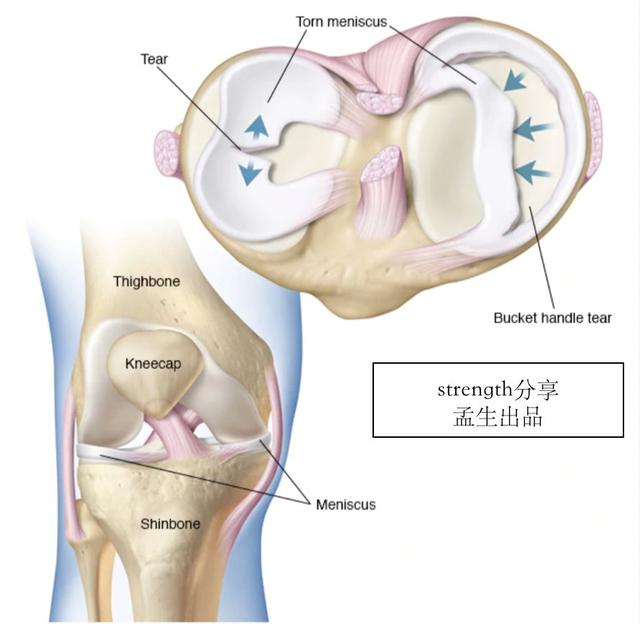
It differs from hyaline cartilage in that it is more robust. For example, the meniscus in the knee joint is a classic fibrous cartilage
Fibrous cartilage is rich in dense collagen fibers, which allows this tissue to resist multi-directional and multi-species forces. For example, the load-bearing squatting and jumping, the shearing force in running and jumping, the pressure and tension of the trunk, etc.
For pressure, fibrous cartilage likes pressure very much because the peripheral nutrition of fibrous cartilage mainly depends on the surrounding synovial fluid. When pressure is applied, the nutrient fluid is squeezed and scattered, fully nourishing the fibrous cartilage
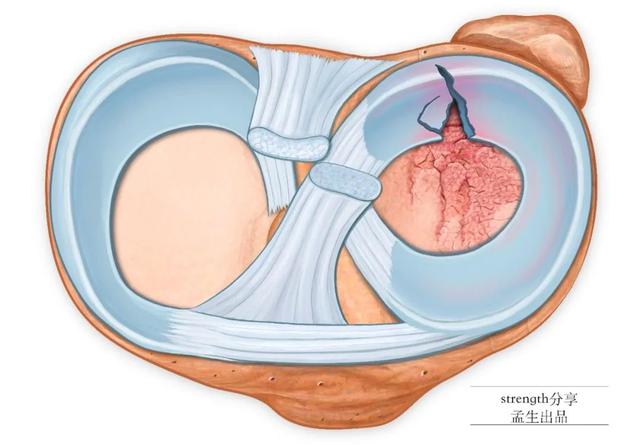
However, if you like intermittent pressure rather than continuous pressure, you can 'tell this thing to stop working' Fibrous cartilage says so
This is a common situation in people with weak muscle strength, especially in those with a poor foundation who think they can fly
Many people always think that playing basketball or playing games, practicing dribbling, and coming on stage like Jordan, seemingly overnight, they are just a transformed version
But most ball sports, such as basketball, football, and badminton, contain a large amount of explosive movements, and it takes a long time and a lot of energy to train these movements
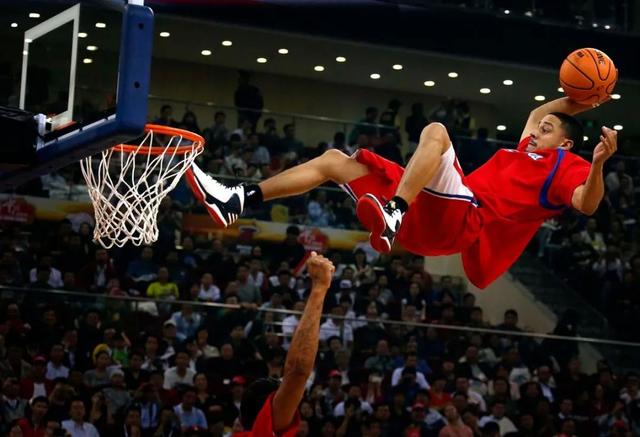
This general physical preparation requires a lot of time and energy, and then focus on the specific training of frequent jumping projects
This general physical preparation is called GPP (General Physical Preparation) - the training that can help you develop all aspects of your physical condition: endurance, strength, flexibility, speed, and all basic elements of building a strong body
In any sport, a good coach will first require athletes to reach a high GPP before they can further train in specific sports
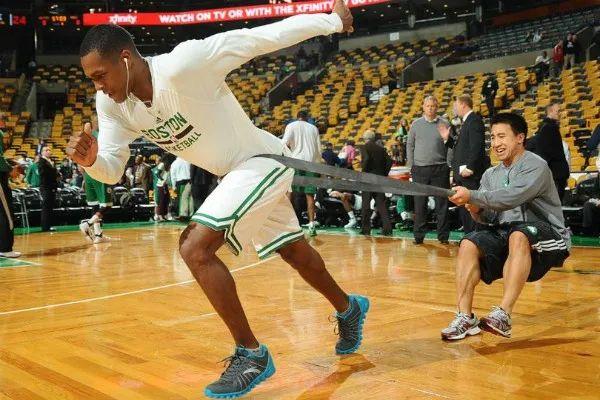
For example, shooting in basketball and shooting in football are two different techniques, but both require running, cardiovascular, and agility abilities. At this time, we know that basketball players, football players, and other types of athletes all have common general physical preparation
This concept was first emphasized and widely used in the Soviet training system in the past, which greatly increased the human sports performance in various projects over time
SPP (Specific Physical Preparation) is relative to GPP. It refers to the training that is highly specific to the requirements of a specific sport, such as shooting, shooting, and hitting the ball

It's better to first train GPP, and you may never need much SPP in your whole life, which is the normal training logic, if you don't follow it, you'll just 'wait for the fibrous cartilage to cry'
Joint cartilage doesn't have blood vessels or nerves, so it lacks regenerative ability and sensation. This is what I repeatedly emphasized in the previous article
This means that whether it's fibrous cartilage or hyaline cartilage, when it's worn, it has no sensation and cannot be repaired
In sports, if the weak GPP foundation causes excessive strain and force on the fibrous cartilage, even if it has a tough fibrous structure, it's still impossible
'Who can stand this'
Athlete's overtraining, even if it has a high GPP, will inevitably cause some wear and tear on the joints to some extent, but the high returns, the high salaries, and the endorsementsAs a side note, many professional athletes' injuries are due to neglecting training in childhood, such as Wade in the NBA, who removed the meniscus in his knee joint during college
But what do amateur athletes get?
So — I think this is worth thinking about and writing another article.
May injuries stay away from every trainer
Please follow strength to get more original health articles
Training/fitness/rehabilitation/nutrition knowledge base

This WeChat account except for special mention, all original content is created by Meng Sheng
I have entrusted the copyright protection plan of 'RightKnights'
Without authorization, any form of infringement will be punishable
Related courses, activities, paid translation, copywriting — related commercial cooperation please private message to the background
This article is for sharing, any judgment and adjustment scheme should be carried out under professional guidance, and training and adjustment should be carried out under professional guidance, please study and reference carefully
——