Lower Back Pain During Squats Isn't Normal: 4 Requirements to Prevent It

Most players focus their squat safety on their knees, believing that squats are easy to injure the knees.
But in fact, squats also put a lot of burden on the waist, and the waist is also very easy to injure.
So, when I was in the first six months, almost every time I did squats, I felt pain in my waist. Sometimes my legs even had strength, but my waist was soft.
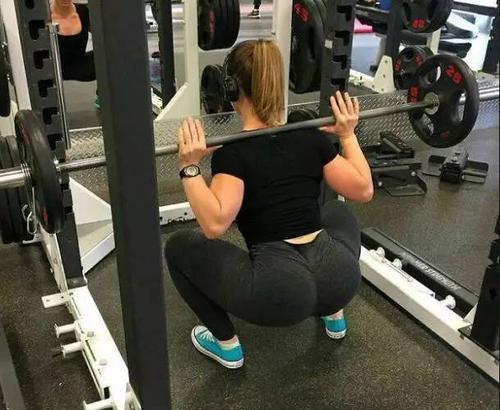
Waist pain is not normal for squats, which means you are using your waist strength to lift the barbell, not using your leg strength to lift the barbell.
Today, I am going to specifically address the problem of waist pain, and I will give you 4 requirements or suggestions. If you do these, waist pain from squats will be greatly reduced, and your leg training effect will also be better.
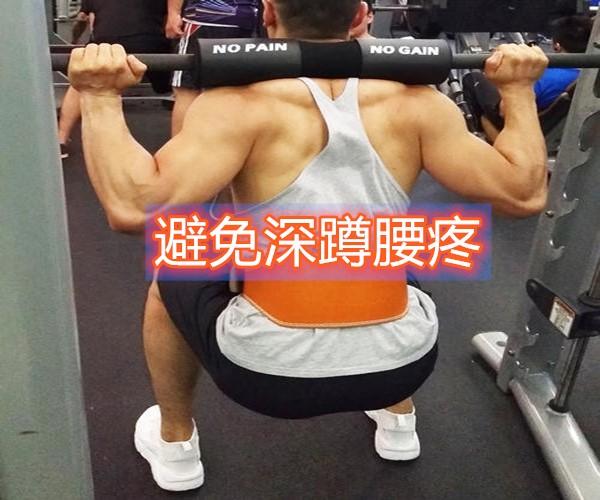
Simultaneous knee and hip flexion
Everyone hears when they first contact squats, such as
'Without hip flexion squats, it's a squat without soul.'
So many of our players overemphasize hip flexion when squatting, even feeling like they have to be forced to bend their knees.
So they first bend their hips and then bend their knees.
The action is to first your buttocks and then squat.
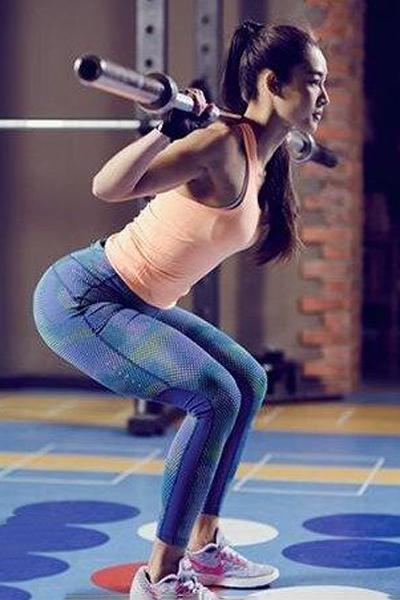
This makes your hips feel obvious, but if you your buttocks, you are actually lengthening your waist's leverage, increasing waist burden.
So in the later stage, especially when you are charging weight, remember to retrain your squats.
Don't first your butt, then squat, keep your waist straight, just squat.
That is, simultaneous knee and hip flexion, not first hip flexion then knee flexion.
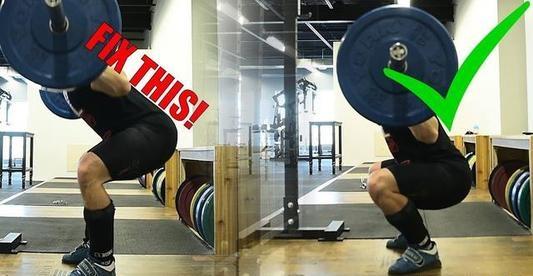
First practice hip abduction action
The second requirement is that if you now have waist pain when squatting, one of the reasons is that your hip abduction is insufficient.
Even though we have a sense of compression and extension when squatting, your hips don't fully contract, just doing peak contraction and extension,
What we need to do is to make the hips actively contract, avoid waist compensation.
So when you actually train, you might as well put squats aside first, then practice hip abduction action.
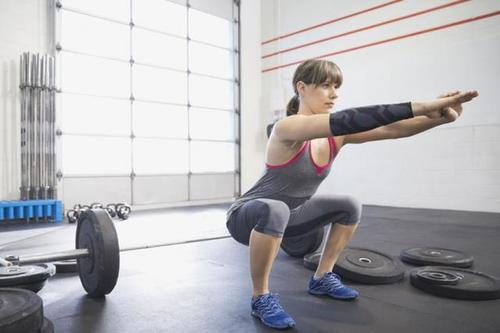
Generally, the hip abduction action is an isolated hip action, here are two recommendations, practice one for a week, then you will be more comfortable when you do squats.
(1) Rope pull-through
- Adjust the position of the rope and your stance.
- Keep your waist and back straight, don't slump your waist or arch your waist.
- Don't pursue a large range of motion, small movement multiple times can better activate hip abduction action.
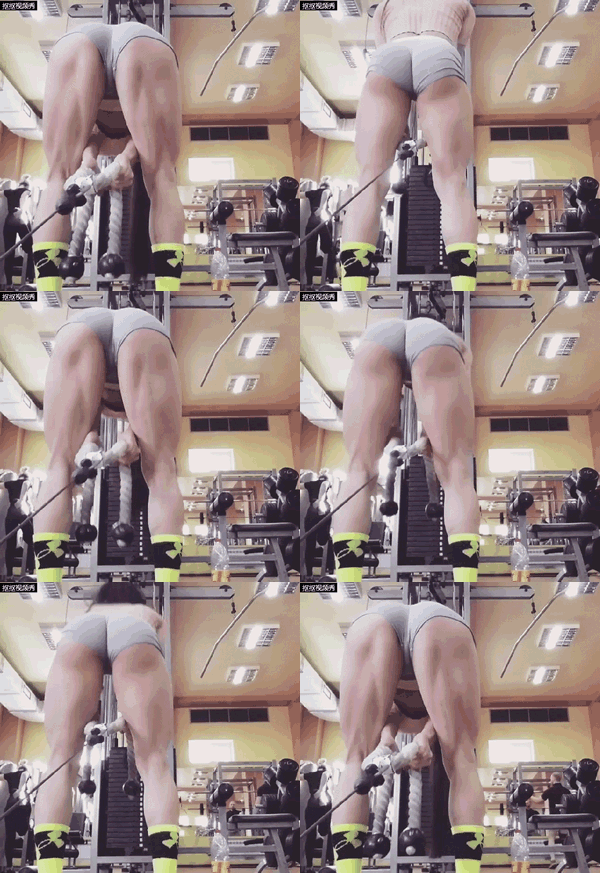
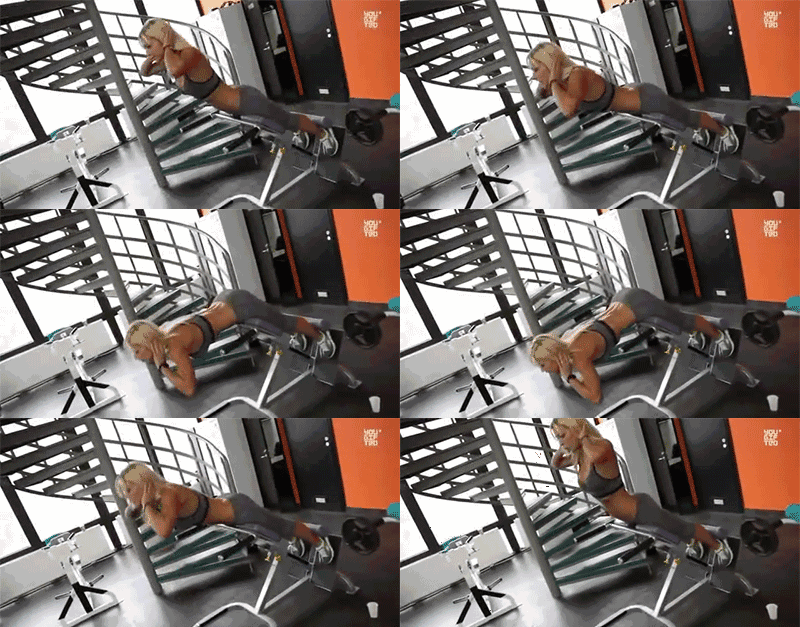
(2) Hip thrusts
- Place your hips on the edge of a block, with your legs close to the block.
- Keep your waist and back straight, don't slump your waist or arch your waist.
- The amplitude should not be too large, use small movements multiple times to start the hip abduction action.
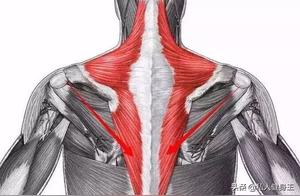
Tighten your back muscles
Many players told me that in the background, they know they should keep their waist and back straight, and they unconsciously slump their waist and arch their waist, feeling like they can't control it.
This is because your back muscles are not tense, too relaxed, so you can't control your waist and back straight.
What you need to do is to actively tighten your back muscles, then you can make your spine more neutral, and your waist and back will be kept straight.
This we can achieve in two ways.
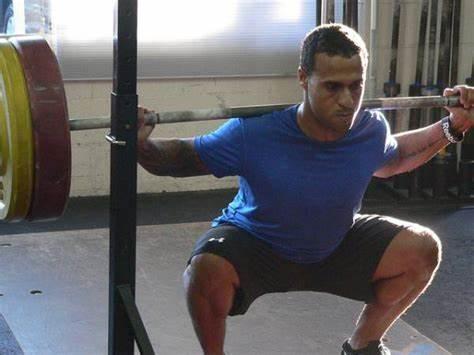
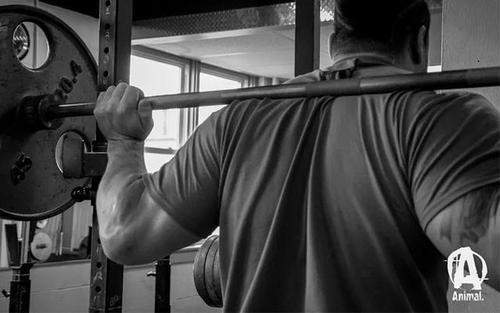
One is when you are doing the barbell, don't use too wide a grip, use a narrow grip to clamp your back muscles.
The same goes for your elbows, clamp your back muscles with a narrow grip.
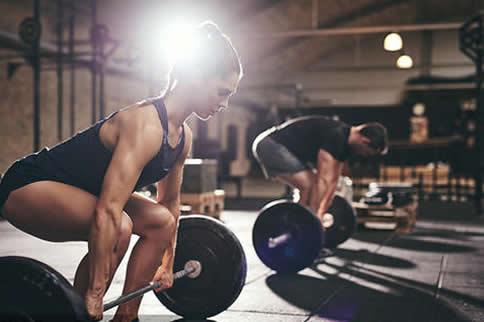
The second aspect is that you must practice the deadlift action regularly, this action can help us tighten our back muscles.
Of course, deadlifts can also injure your waist, but you can do two or three sets of training on the day you practice back or legs.
Don't put squats and deadlifts on the same day.
Above, I've talked about the importance of deadlifts.
So many players put deadlifts on the day they practice legs, along with squats, if you use deadlifts as a warm-up, don't charge weight, don't do multiple sets to practice.
But if you use deadlifts and squats as formal leg training, it will put a lot of burden on your waist.
So when you do squats, your waist doesn't have strength, so you can't maintain the action perfectly.
Therefore, I suggest that you try to put deadlifts on the day you practice back, as back training.
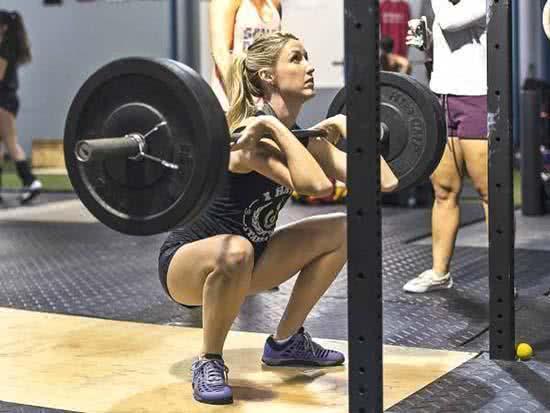
Or, you can use deadlifts as a warm-up, for back training, or for leg training, but don't charge weight, don't do multiple sets to train.
The best way is not to put squats and deadlifts on the same day.
These 4 requirements, if you do them all, your waist will be more comfortable when you do squats, and you can effectively avoid waist pain.
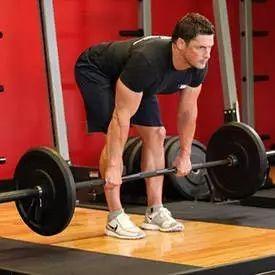
Of course, new players have waist pain, it takes time to adapt.