Sore Back While Swimming? Don't Ignore It – Spinal Separation Could Be a Risk
Athletes with lumbar vertebral dislocation phenomenon, swimmers are no exception. Lumbar vertebral osteoporosis is a common symptom among swimmers. First, some swimmers during trainingdid not realize that pain may be caused by lumbar vertebral separation.Therefore, this article mainly introduces the symptoms and preventive measures of lumbar vertebral separation in swimming exercises.
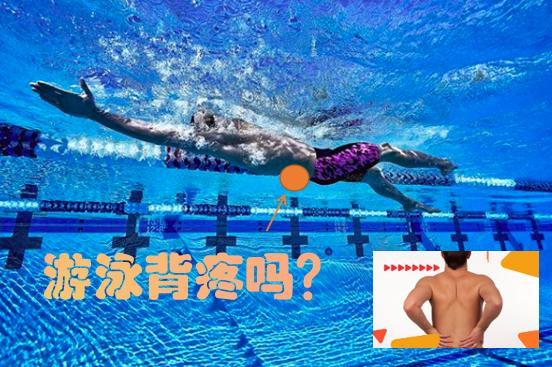
What is lumbar vertebral separation?
In simple terms, lumbar vertebral separation is'is the fatigue fracture of the spine'
The spine is divided into cervical spine, thoracic spine, lumbar spine, sacral spine and coccyx spine,And becauseThe lumbar and dorsal spine'sRepeated load can cause the bone to crack.Especially, it seems thatMany cases occur in the 5th lumbar vertebra,Because the angle of inclination at this position is large and may subject to pressure.
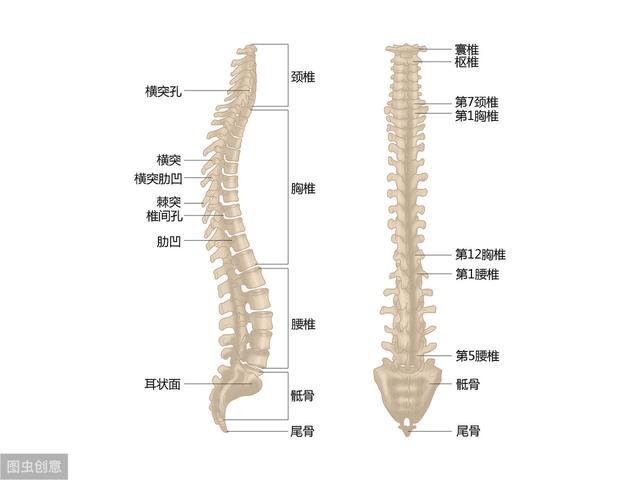
During exercise, repeated bending of the waist and twisting of the hips can easily cause the lumbar vertebra to be overloaded, leading to fatigue fractures. Because it is a fatigue fracture, it is easier to understand the process of gradually weakening due to the accumulation of injury, rather than a single movement causing a fracture.
Although the lumbar vertebrae are inherently weak, considering the load on the waist exceeds a person's ability to withstand, it can be said that it is the result of excessive training and overwork. In addition, repeatedly performing inappropriate actions that cause a heavy burden on the hips can also accelerate the burden on the lumbar vertebrae.
In short,'the ability of the core is insufficient' and 'the wrong technique'
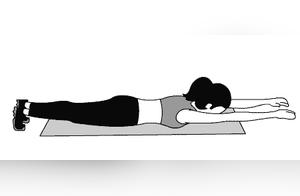
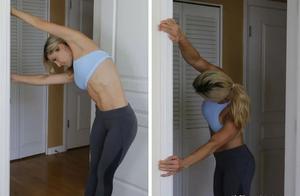
The former needs to be trained to strengthen the hip joint, hips and waist and abdomen muscles, and improve the range of motion through stretching the whole body. The latter requires other forms of improvement.
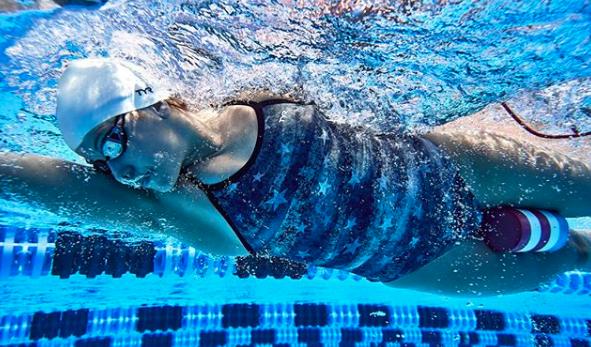
Improving swimming posture – streamlined

The basic swimming posture puts a burden on the lumbar vertebrae. We should
Shift the center of gravity of swimming forward with good posture.
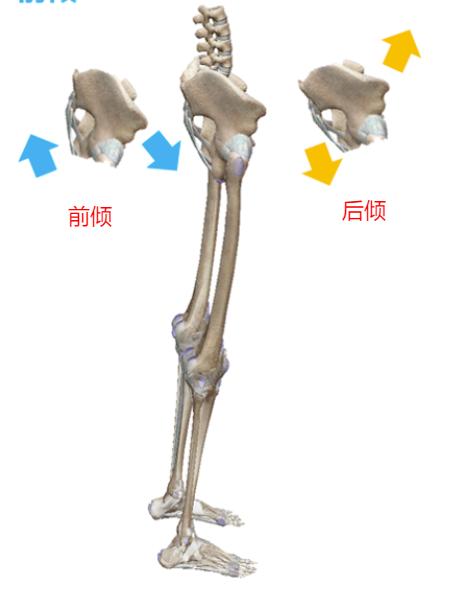
Especially when the hips tend to move downward, it is necessary to use the hip and abdominal muscles to adjust the inclination of the pelvis and maintain the posture of the waist.
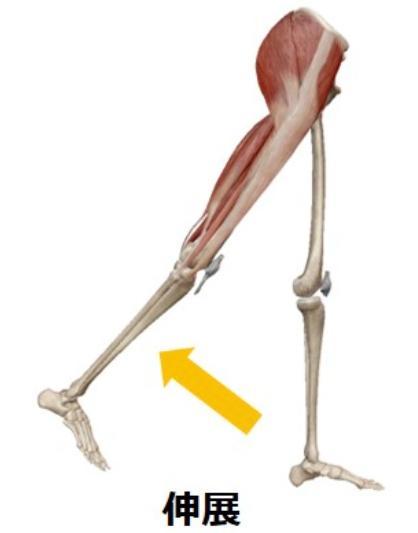
In addition, we should know that when kicking, the hips compensate for the extension of the hip joint, which is a burden on the waist. Many cases of the waist bending are due to this compensation.
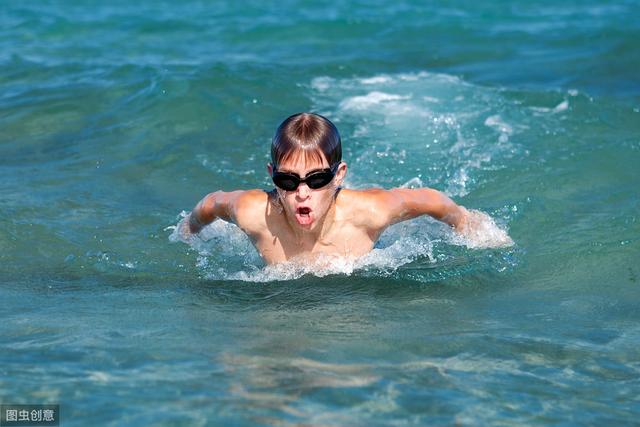
Swimming posture effects – butterfly and freestyle
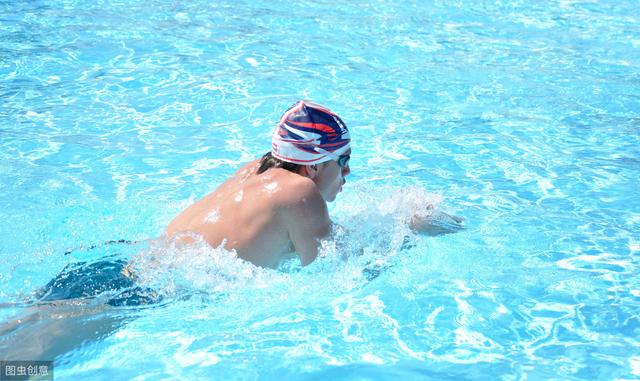
In butterfly and freestyle, breathing or leg movements can easily cause the waist to curve, which increases the burden. When breathing and leg movements (especially upward kicks), when the hips bend, if we consciously tighten our hips and abdomen, the pelvic angle should be maintained in the middle position, to keep the waist straight and not obviously float. When this awareness (tightening the core) disappears or we feel tired, the lumbar vertebrae will suffer from fatigue.
Swimming posture effects – freestyle
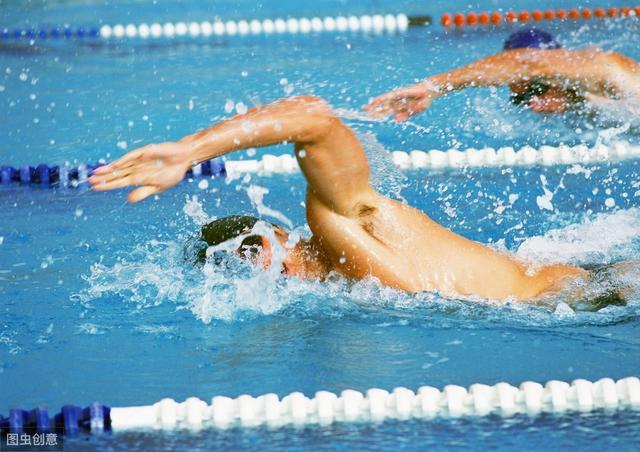
As mentioned above, even in freestyle, most of the time the waist curving will cause the lumbar vertebrae to be cracked. Especially when we try to kick our feet to a higher position, the pelvis will tilt forward too much, this is a burden. Over-tilting the pelvis or increasing the kicking amplitude by curving the hips is a compensatory movement for extending the hip joint. In addition, if the angle of rotation is difficult to twist, it may cause lumbar vertebral separation due to the twisting burden. When you need to rotate at a large angle, make sure you have the necessary flexibility.
Swimming posture effects – backstroke
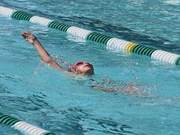
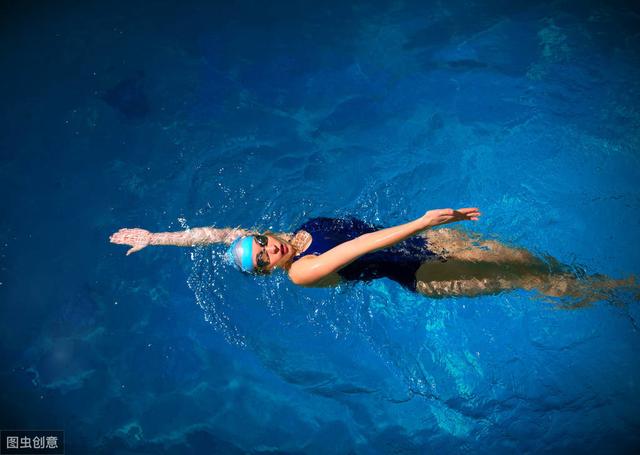
Backstroke is the opposite of other swimming styles, lying on your back. If our back is unconsciously curved, we will start to sink from the lower body (swimming while sitting). If we swim in this position, your lumbar vertebrae will bear a great burden. In freestyle and butterfly, there are two patterns – 'they intentionally curve' and 'they have a curve', but in backstroke, if we don't pay attention to tightening the core, the waist is almost always in a state of bending. In backstroke, we must also contract the abdomen and lift the hips, balance the two, and maintain good posture.
The impact of swimming aids on lumbar vertebral separation
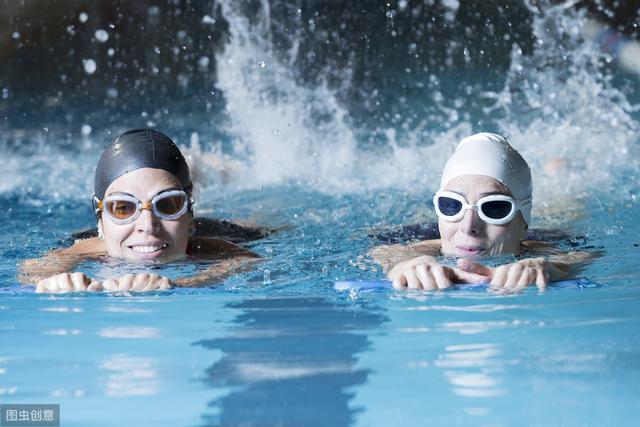
In the commonly used aids, we use the thigh press board and split leg board. These tools can change the posture of the body. When we use the thigh press board, most of the time we face forward with our heads out of the water,
Because of the buoyancy of the thigh press board, the head floats high + the face is raised + the legs are easily kicked high, which leads to → the most downward sinking of the lumbar vertebrae, easy to curve.If we practice the kicking action with insufficient core strength, we should take the following measures:
• Hands-free kicking with lowered head
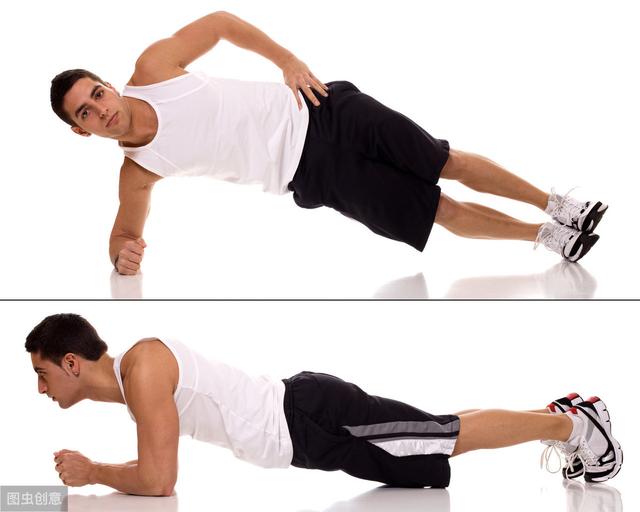
• Adjust the buoyancy according to age and physique, for example, the size of the float board, and then use the face to be in the water to practice kicking.
Another one is to use the split leg board to fix it between the legs, because the buoyancy caused by the split leg board will change the buoyancy of the lower body, and the waist may curve significantly. At this time, we should• Choose a suitable split leg board and fix it securely between the legs (or ankles) to practice.Finally, let's summarize: careful practice, avoid injuries, early detection, early treatment. We may not have lumbar vertebral separation when swimming, but we are troubled by back pain. At this time, we should pay attention to the content we have shared today, whether it is because our core is not tightened, leading to the excessive bending of our waist or the excessive pressure on our waist. If we don't pay attention to the pain, the fatigue will bring us more injuries. We should reduce the burden on the spine, pay attention to the intensity of the exercise, and ensure efficient rest.
——
——
——
“”“”
++→
・
・