How to Relieve Lower Back Pain? Strengthening the Posterior Chain is Key, 1 Exercise to Improve
Standing on the top of the mountain, recalling the pain and discomfort of climbing, couldn't help but laugh at myself, this joy can only be understood by those who persevere to the end – KM Fitness
Recently, when sorting out friends' training plans, I discovered a phenomenon: most people's back training exercises almost all target the latissimus dorsi, such as pulling and rowing exercises, rarely involve the lower back to strengthen, even in a week of training, squats and deadlifts account for a significant portion
We all know that the pectoralis major can be divided into three parts – upper, middle, and lower – and the abdominal muscles can be divided into upper and lower abdominals.So the question is: why only train the upper back muscles during back training?
Therefore, today I will share a compound movement to target the posterior chain muscles –Elevated Plankto help you strengthen the posterior chain muscles while strengthening the chain muscles.
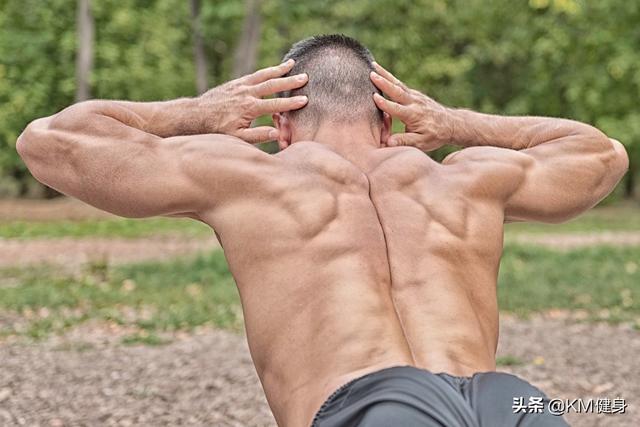
The elevated plank is better to stimulate the posterior chain
I will explain it in detail from the following 5 points, hoping it will be helpful to everyone:
- Ignore the influence of the posterior chain on the body;
- The elevated plank can exercise which muscles;
- The action technique of the elevated plank;
- Details that are easily ignored in the action;
- Personal suggestions
Keywords: Elevated Plank, muscle, influence, technique, details, suggestions

Ignore the influence of the lower back and posterior chain muscles
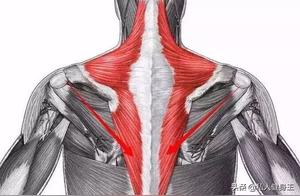
In simple terms, the posterior chain includes the back muscles and the posterior thigh muscles, such as the posterior bundle of the trapezius, the latissimus dorsi, the rhomboid muscles, the erector spinae, the gluteus maximus, the hamstring muscles, etc. Many beginners in fitness like to train abdominal muscles and the front side of the chest muscles, which leads to unbalanced muscle development. What impact does this have?
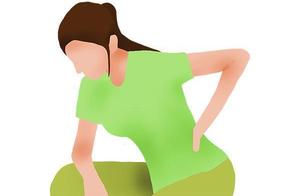
- Lower back pain and discomfort
Of the 10 fitness enthusiasts, 8 will have lower back pain
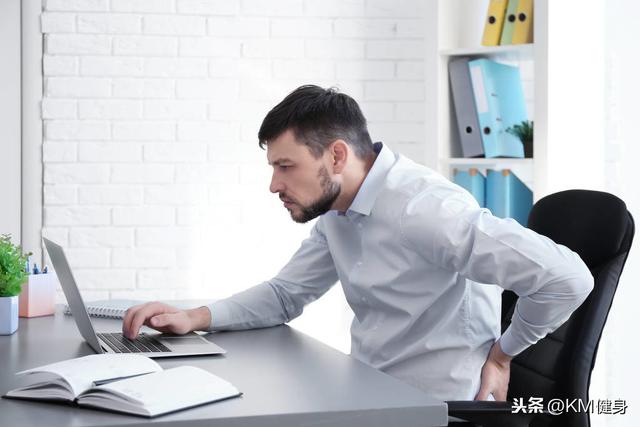
This is mainly because the lower back and posterior chain muscles are weak, and when we perform hip joint movements, when the gluteus maximus and other hip flexors are weak, we cause the lower back to participate more, especially when sitting for a long time and in poor posture, this is very obvious.
- Sitting posture leads to lower back pain
As we mentioned before, when the upper back is weak and the chest muscles are too strong, it can cause rounded shoulders and poor posture.
Similarly, when the back and posterior chain muscles are weak and the abdominal muscles and quadriceps are strong, it can cause pelvic anterior tilt. This greatly affects the spine's neutral position during training.
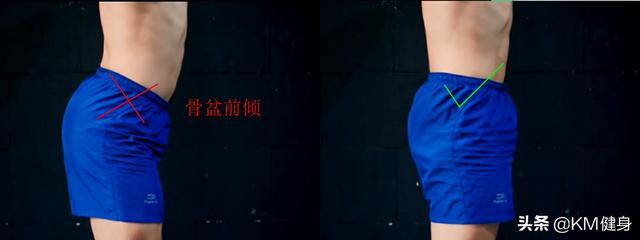
Pelvic anterior tilt vs. normal posture
The muscles trained by the elevated plank
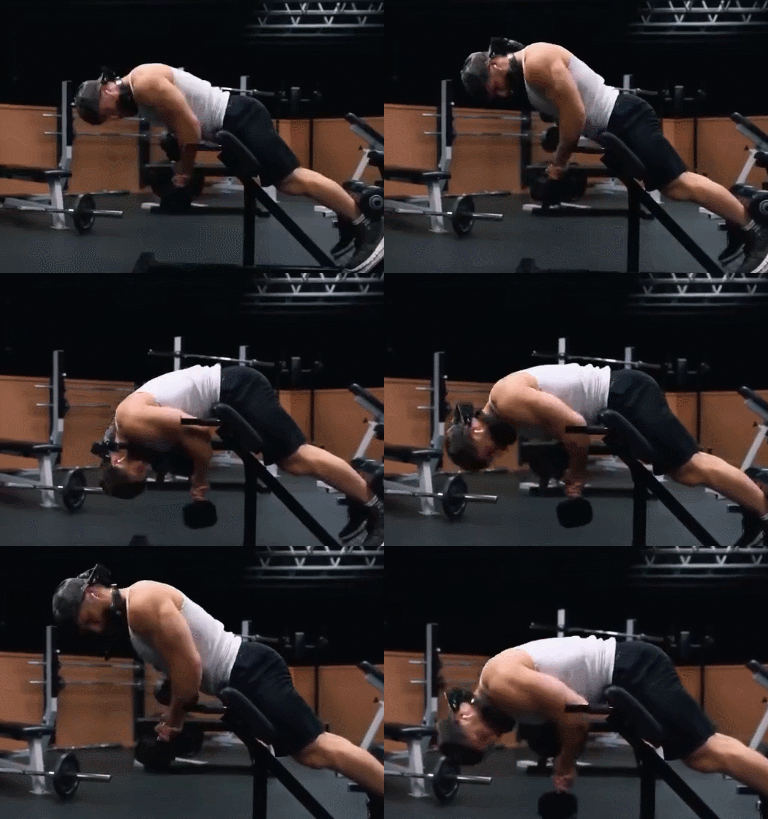
Action technique of the elevated plank
Starting position
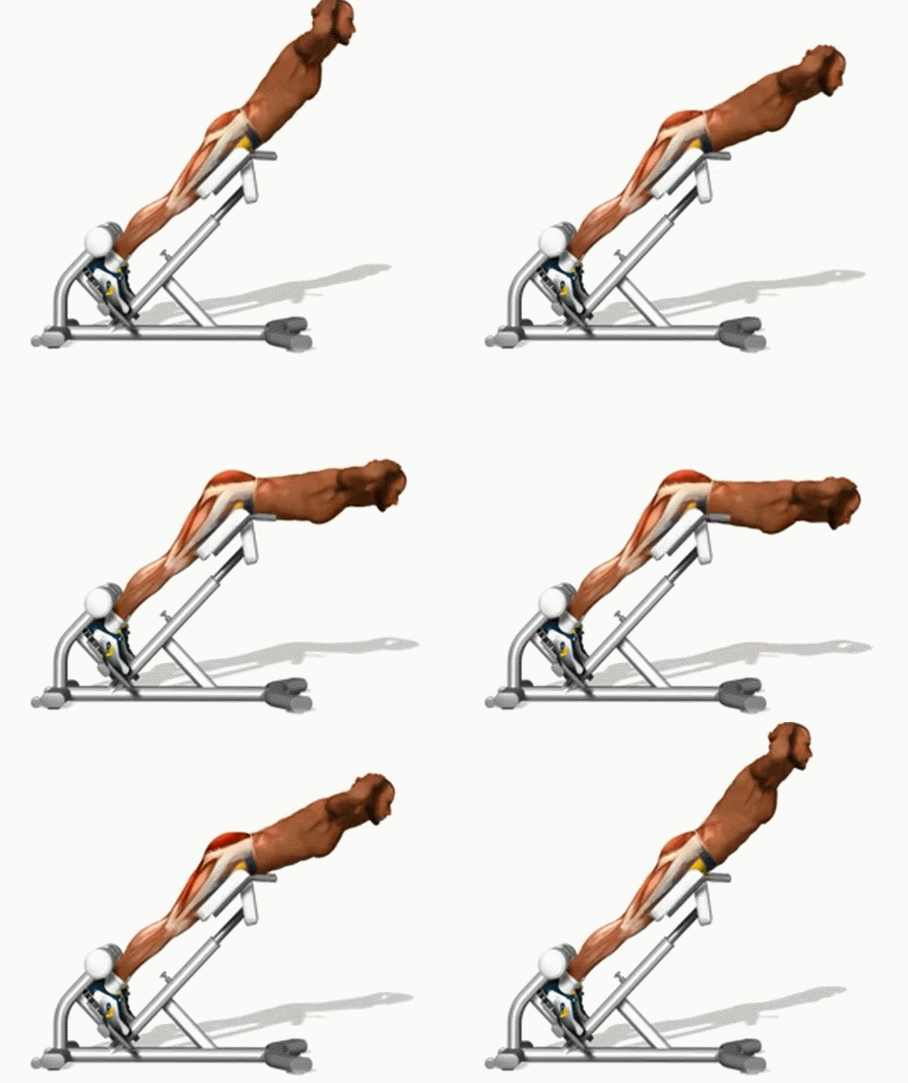
① Lie on the Roman chair with your feet placed alongside your shoulders and your heels touching the foot pad;
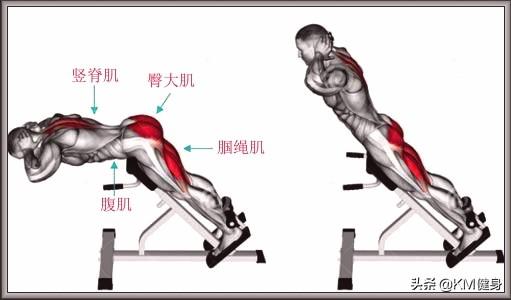
② Lean your hips on the bench, keep your body fixed and straight;
③ Cross your hands on your ears;
- Note: Most people adopt a posture of encircling their hands with their arms, in order to better tighten the back muscles and maintain a straight posture, it is recommended to place your hands on your ears, while tightening the back muscles, so that you can better stimulate the back muscles during the action.
Action technique
① Maintain the hip joint motionless, use your own weight to slowly lower the body;
② During the lowering process, keep the spine in a neutral position, keep your back straight, until the hip and upper body form an angle of about 80 degrees;
③ Use the strength of the posterior chain muscles to slowly raise the body back to the starting position;
- Elevated Plank
To accurately stimulate the target muscles, 4 details cannot be ignored
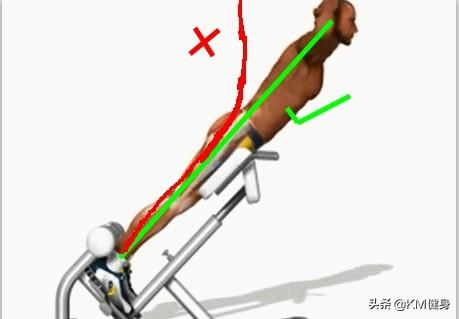
1, avoid overextension, causing the spine to bend too much
When the upper body moves from the lowest point to the top, when the head, back and hips are on a line, stop. Maintain the neutral spine while better stimulating the target muscles.
If the body is too bent, it will increase the pressure on the spine, leading to more serious problems. Our original goal of training is to strengthen the posterior chain muscles to alleviate lower back pain and discomfort, don't cause a loss of effectiveness just because of action standards.
Maintain the spine straight, keep the body straight
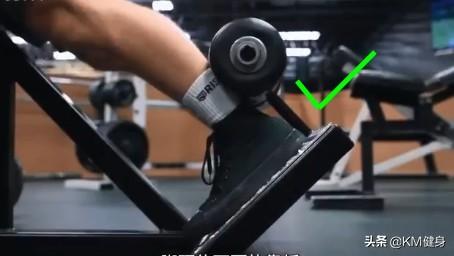
- 2, the foot pad is placed in the center, fully fix the leg
Many people just step on the center of the foot pad, if they don't do a good job of fixing the leg, they will instinctively use the leg strength to stabilize the body during hip flexion, which will affect the training effect.
So we must push our heels against the inner side of the foot pad, and at least keep the ankle supported. It's okay to be sure, most Roman chairs will have sponge supports to fix the ankles.
Fully fix the leg
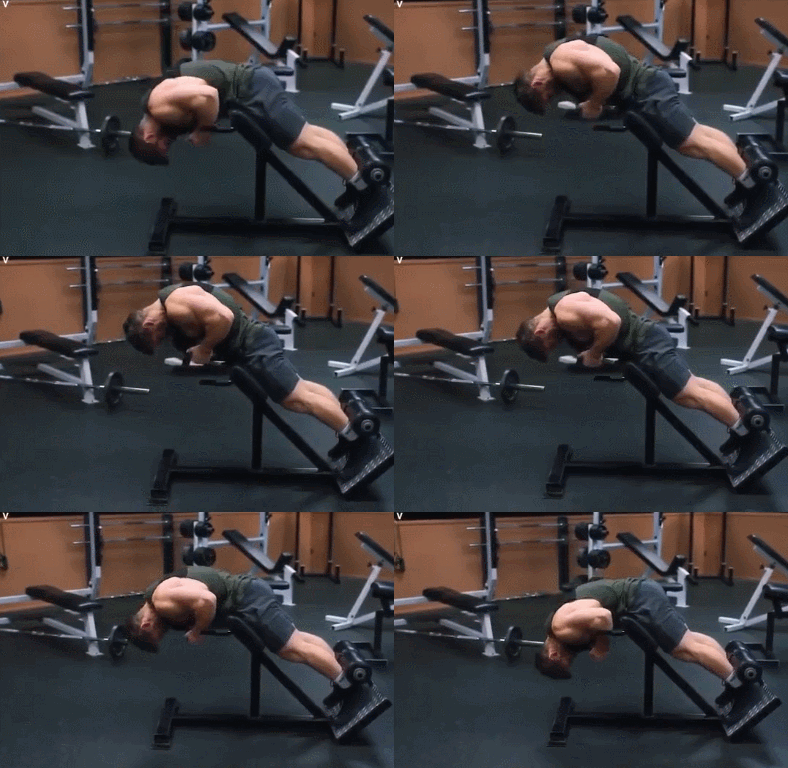
3, during the action, do not round the back
It doesn't mean that rounding the back is completely wrong, rounding the back to some extent can better mobilize the hip muscles.
However, we want to strengthen the posterior chain muscles comprehensively during the action, so it is not recommended to adopt a rounded posture to perform the elevated plank, and rounding the back will also negatively affect the stimulation of the entire back muscles.
Incorrect example: Rounded back
- 4, action speed
For fragile muscles, we should do it perfectly, especially for these error-tolerant muscles, it's even more important. So in order to avoid injury, it's better to stimulate the target muscles with better control.
Incorrect example: Action speed is too fast
Personal suggestions
- In the explanation of the action technique for lower back training or elevated plank, it is recommended to everyone to do weighted training to strengthen the target muscles.
It's not recommended to do some weighted training, especially when there is no effective solution to lower back pain. When doing weighted training, the error rate of the action will drop sharply, and if you are not careful, you will aggravate the lower back symptoms. Please think twice.
Summary
Although this is a detailed explanation of the elevated plank action, I want to tell everyone through this article:
In the muscle development of strength training, the balance of muscle development is very important, don't just follow your own preferences to train certain parts of the muscles.
Remember eight characters:
Progressive and comprehensive development
We'll see you next time! Keepmoving!
Keepmoving