The Hazards of High and Low Shoulder Positions, Fortunately There Are Correction Methods!
high shoulder
almost everyone has it, but the degree varies; some are more obvious, and some are almost not noticeable.
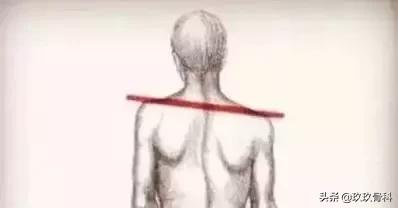
main causes of high and low shoulders
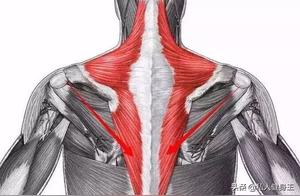
>>muscle imbalance on both sides(one side's trapezius and sternocleidomastoid muscle is too tense)
inflammation or injury of the upper respiratory tract can cause relaxation of the ligaments of the fixed joint, leading to joint displacement and subsequent secondary muscle tension and shoulder asymmetry
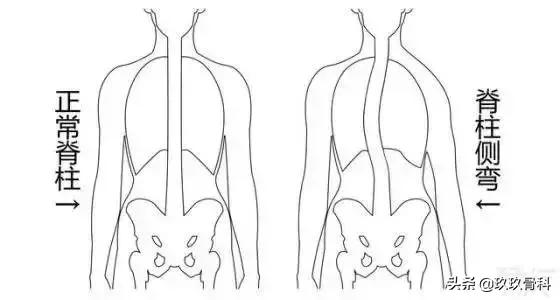
>>spinal scoliosis
spinal structure and arrangement disorder, leading to shoulder asymmetry. When bending over, the shoulder on the convex side of the curve is higher.
>>congenital high shoulder
one side's shoulder blade is congenitally high, not descended to the normal level.
>>postural high and low shoulders
related to habitual postures such as: long-term bad posture, incorrect sleeping posture, using one-shoulder bag, lying in bed to read or watch TV
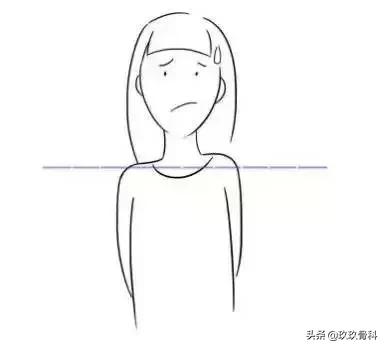
>>incorrect posture
will cause the muscles and soft tissues to maintain an abnormal posture, leading to frequent use of one side of the shoulder muscle tension, forming high and low shoulders.
benefits of high and low shoulders
high and low shoulders are not simply muscle imbalance, but they also cause spinal deformity.
spinal deformity is like a squeezed towel. Spinal deviation will compress the surrounding nerves of the spine, causing arm numbness, neck pain, dizziness, poor sleep quality, and problems with the cardiovascular system.
benefit one: neck and shoulder pain
due to excessive tension of the muscles around the shoulder or due to spinal scoliosis, the spine is curved, further causing cervical curvature, it is easy to produce chronic pain in the neck and shoulder.
benefit two: chronic headache
when the pain in the neck and shoulder worsens, it is likely to spread to the head, even causing chronic headache.
benefit three: cervical degeneration
if the high and low shoulder problem cannot be resolved, long-term incorrect posture, the cervical spine bears excessive burden, and eventually may lead to cervical degeneration or bone spurs.
benefit four: waist pain, leg length discrepancy
high and low shoulders have caused pelvic displacement, leading to muscle imbalance in the waist, causing waist pain. At the same time, pelvic displacement will also cause leg length differences.
how to solve high and low shoulders
1. body imbalance caused by cervical spine inflammation
eliminate inflammation and joint reset, the symptoms will disappear naturally.
2. for congenital high shoulder syndrome
this deformity is more complex and requires early surgical treatment.
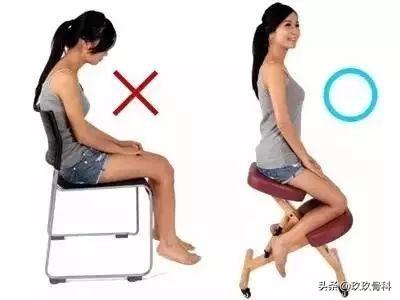
3. pay attention to correct bad habits in daily life
pay attention to posture and study habits, do not often look down or tilt your head when reading or doing homework, do appropriate exercises for the neck.
correcting high and low shoulder small methods
the correction of high and low shoulders is a long-term process. Because bad habits have accompanied it for a long time, but if you persist, there is still a possibility of improvement or change.
※first, understand your body changes.
‘the direct external manifestation is what many people call high and low shoulders, but the deeper problem may be spinal scoliosis and rotation, pelvic tilt, leg length discrepancy, and potentially excessive foot inversion or eversion. ‘so, for patients with serious conditions, it is advisable to first go to the hospital for examination.’
※you can also do some exercises at home to relieve the current symptoms.
for example: stand one time every day.
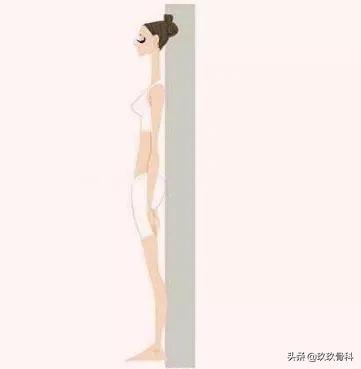
※how to stand?
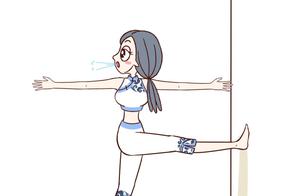
✍stick to the wall with the whole body, heel, calf, hip, shoulder blade, back of the head
stick to the wall with the back of the head, keep the chin level, tilt the head slightly backward; the shoulder blade is close to the wall, the shoulders are at the same height and horizontal line.
✍arms are extended naturally to the sides
straighten the chest, straighten the upper body, at this time, the space between the wall and the back is best with one palm’s width, if the gap is too large, contract the navel back towards the spinal cord, make the back stick to the wall more closely.
✍keep the buttocks muscles inward, this action can make the feet naturally move forward.
contract the inner thigh muscles. Keep the calf close to the wall. If you cannot stick to the wall, it may be O-type leg or stiffness of the knee. Spread the toes, keep the heels close to the wall, and move the knees forward.
✍sticking to the wall for one hour every day is very effective for body changes, but everyone should pay attention to the key points of posture, which can improve O-type legs, pelvic anterior tilt, high and low shoulders, spinal curvature, hunchback, etc.start from 5 minutes and gradually increase it.
5
“”jiujiugk