Abdominal Training: The Main Course – Rope Crunches to Build a Strong Core

This article is 2176 words long, with a reading time of approximately 8 minutes.
Sometimes you'll see funny videos like this:
A young man is kneeling in front of a dragon gate, repeatedly bowing his head,
His buddies put a bowl in front of him and throw in some coins,

For those friends who aren't very fit, this looks like a hilarious scene, but many fitness trainers really love this 'begging' abdominal exercise—Rope crunches, if you can master this action, it will undoubtedly become the main dish in your core training!
Article Summary
How Rope Crunches Work the Abdominals
How to Maximize Rope Crunches?
Weight, Trajectory and Action Path
Rope Crunches Action Variations
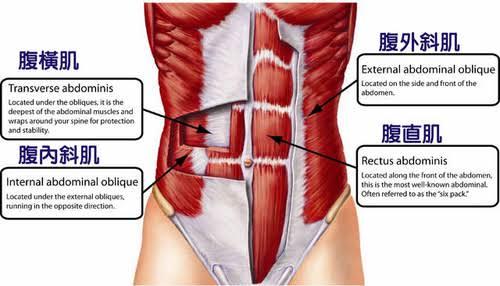
How Rope Crunches Work the Abdominals
From the basic sit-ups we did in physical education to various crunches in the gym, our main abdominal exercises haven't changed much.
This is mainly because our subjective attention to the abdominal muscle area is concentrated in the rectus abdominis,These muscles are formed by several tendons cutting rectangular muscles, which is the original intention of most people training their abs
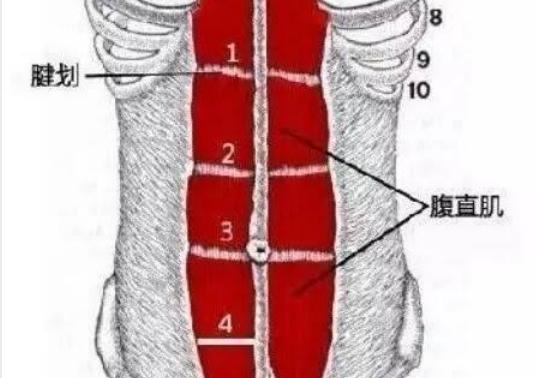
Rectus Abdominis:The muscle fibers run from top to bottom, responsible for our torso flexion and stability during movement, preventing torso flexion/extension from causing a lack of body balance.
Of course, a strong rectus abdominis alone cannot bring perfect core strength,We also need the internal and external obliques and the transverse abdominis to solve the stability of the torso on both sides.During rectus abdominis training, these muscles perform the following tasks:
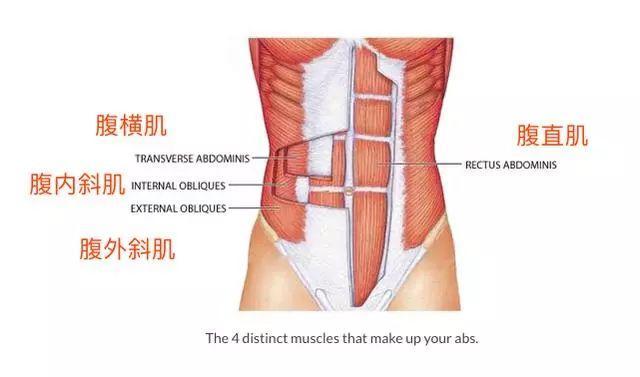
Internal and External Obliques:Resisting torso rotation, assisting the rectus abdominis in torso flexion, ensuring the trajectory is upright,Transverse Abdominis:
Helps increase abdominal pressure, prevent lower back injury, serves as a 'dissection functional load-bearing belt',All of the above are the work that the major abdominal muscle groups in rope crunches need to do. Next, let's discuss how to complete an efficient rope crunch based on the anatomical function,
How to Maximize Rope Crunches?
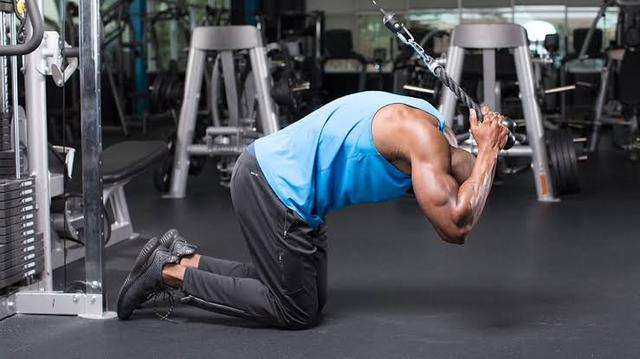
Like most crunches, rope crunches must meet these two points to effectively stimulate the abs,-Complete action path
-Contraction of the rectus abdominis
Don't let your hips touch your ankles
Based on the above points, let's first talk about inefficient practices
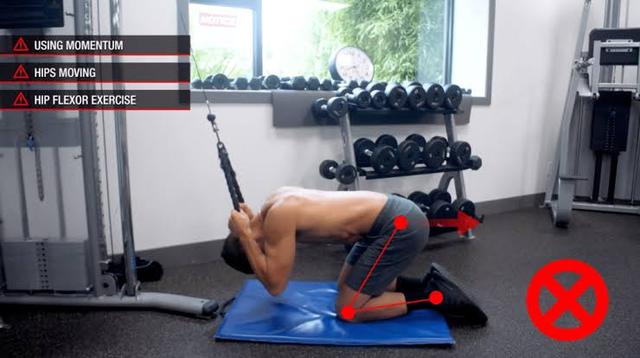
1. Hips touching the ankles
For the most common kneeling rope crunches, the most common problem is that the hips are sitting on the ankles. This posture prevents the torso from having enough space to complete the full crunch movement.
When you bend over to do a crunch, the movement is not more than half, and the head is almost close to the ground, the chest will also contact the inner side of the thigh, you can't give the abs enough contraction in this state.
Straight torso, no flexion
2. Straight torso, no flexion
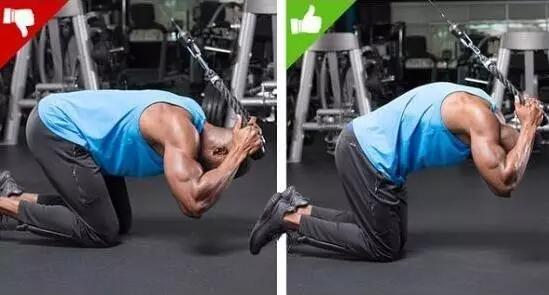
This is another common inefficient practice, many friends will 'not roll' when doing rope crunches, always keeping the torso straight and upright, using hip movement to complete the entire action.
In this way, completing rope crunches, even if the movement trajectory is completed, the entire abdomen muscle group remains relatively stationary isotonic contraction, over time, the hips and thighs will take on a lot of tension.
Efficient Crunching Posture
Efficient rope crunches are all about 'rolling'
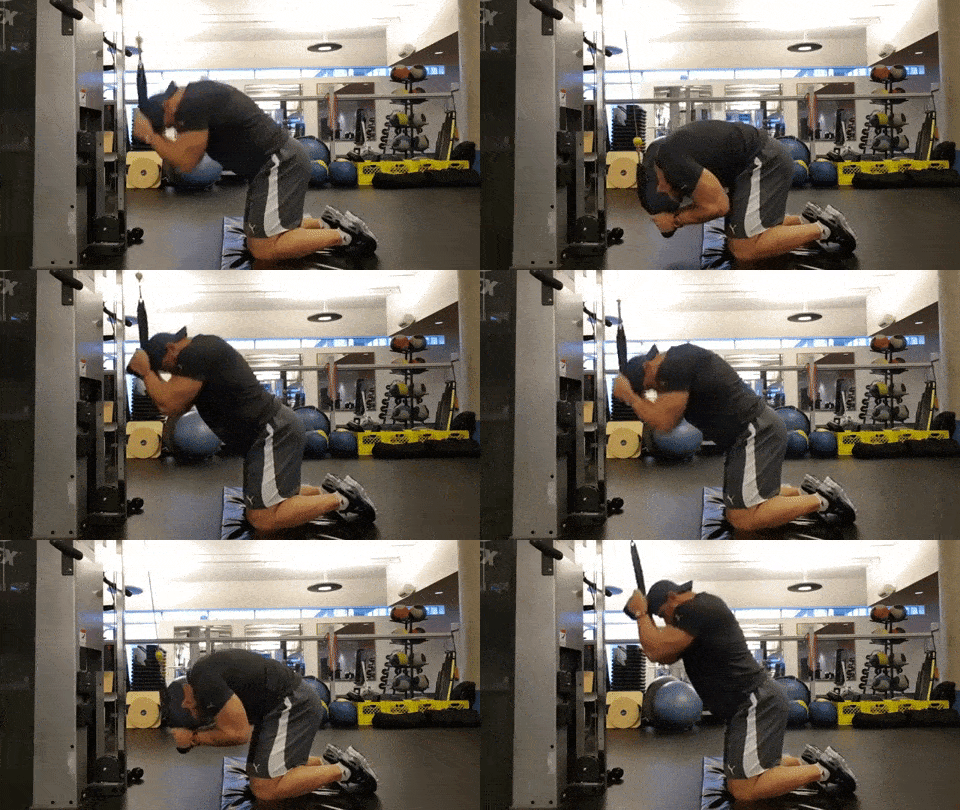
Avoiding these inappropriate rope crunches, we can also summarize how to complete an efficient rope crunches
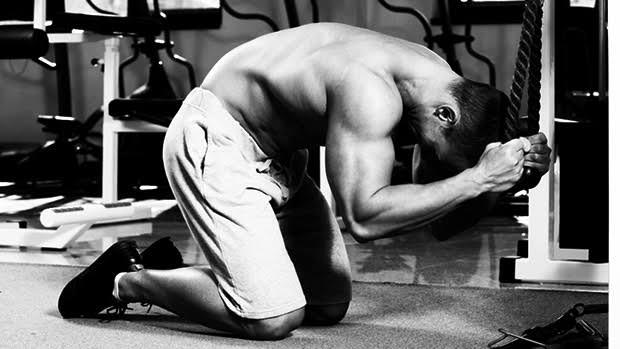
Kneeling, trunk forward tilt, hips maintain neutrality
Use the rope handle with a downward pressure, holding it with both hands
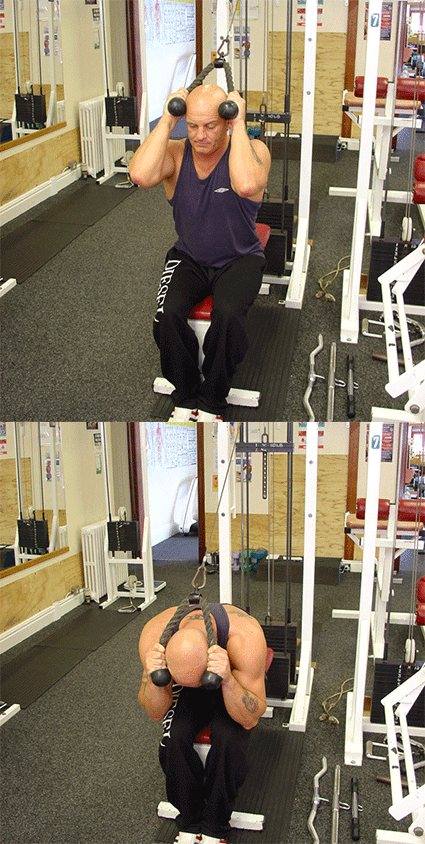
- Trunk flexion, contract the abs, bring the head closer to the front of the knee
- When approaching the ground, slowly extend the torso back to the starting state
- Weight, Trajectory and Action Path details
- Starting posture
In the standard kneeling rope crunches posture, we should try to maintain a relatively upright kneeling posture, that is, leaning forward and keeping the torso, hips and knees relatively in line
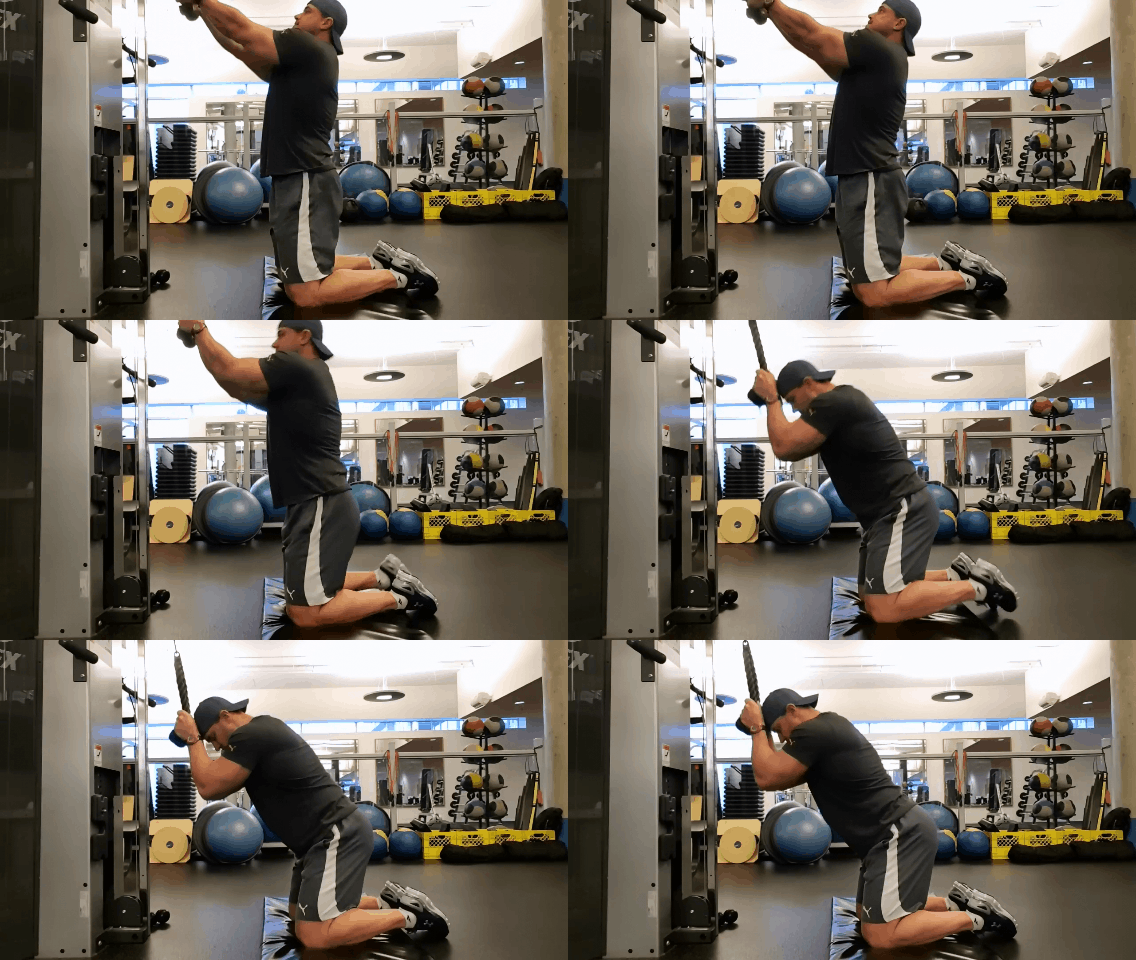
Try to be on the same line
Excessive hip movement or knees leaning forward will increase the pressure on the back.Regarding crunchesRope provides abdominal muscles with sustained resistance, which is more comprehensive than free weight
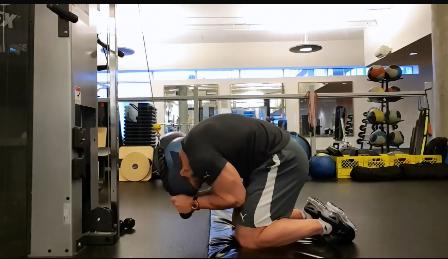
If you find that your hip movement is excessive or that you tend to pull the rope with your arms during crunches, you should make the following adjustments
Don't tightly grip the rope, let the rope get close to your head or chestReduce the weight appropriately, choose a weight that can complete 20 repetitions
- In the crunch, reduce the hip movement, avoid the hips moving backward
- Action Path
- Unlike traditional crunches, which only provide a flexion and extension movement at the beginning and end of the trajectory

The rectus abdominis is in a state of relaxation
Unlike traditional crunches, due to the sustained resistance provided by the rope, the rope crunches will feel stable tension at each stage, which allows us to perform a larger range of crunches*It is important to note that to increase the trajectory and cause excessive back arching, the torso should not be too upright.*
Weight Selection
'Choose a weight that can complete crunches, not a weight that can push down the rope'.
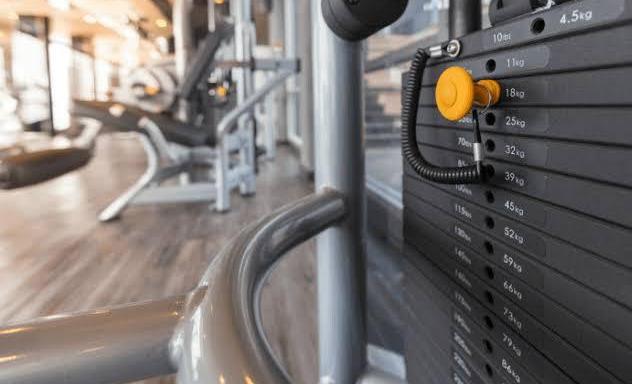
This is the key point to note when selecting weight.
The rectus abdominis, as a tolerance muscle group, is more suitable for stimulating with small weight and multiple repetitions. You need to carefully feel the contraction of the abs, rather than exaggerated weight. Suggest a weight that can be completed with 20 repetitions
At the same time, in the course of the movement, judge whether the arms and hips have excessive soreness, if so, appropriately reduce the weight.Further Questions: Can rope crunches train my lower abs?From the rope crunches, many friends have questions: Can rope crunches train the lower abdominal muscles?
Many trainers divide the abs into upper and lower parts, using crunches to train the upper part, and using lower limb movements to stimulate the lower abdomen,
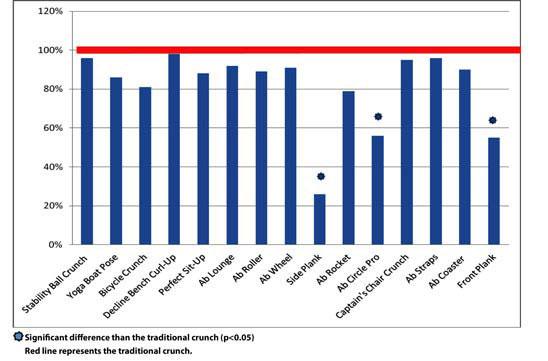
Based on ACE's EMG analysis of current popular crunch-type actions:
EMG analysis of the rectus abdominis for the upper and lower parts of crunchesEMG analysis of the rectus abdominis for the upper and lower parts of crunches
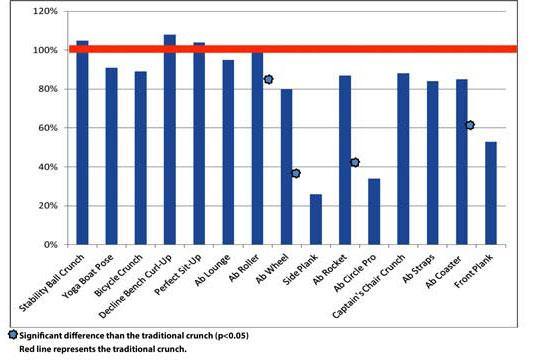
Crunches and the upper and lower parts of the abdomen are very close to each other. We don't need to do other lower limb movements to make up for the training of the lower abdomen. This also indicates that the rectus abdominis, especially the rectus abdominis, is a comprehensive training of the abdomen, and there is no 'up and down' division.
Summary: Regarding crunches, you should understand
1. The rectus abdominis area in front of the abdomen, i.e., the rectus abdominis, is a whole, don't mistake it for the division into upper, middle and lower due to tendons
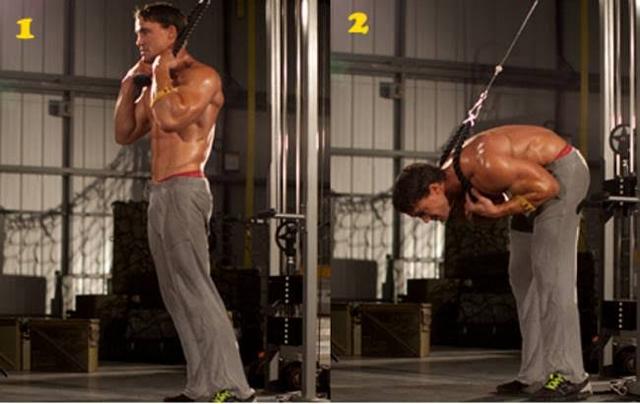
2. Rope provides abdominal muscles with sustained and stable resistance, which is more comprehensive than free weight
3. Short, fast movements are not the best way to train abs, rhythm, multiple repetitions, full trajectory, and rhythm are better
4. The resistance brought by the rope can participate in the contraction of the transverse abdominis and obliques as stabilizing functions
Conclusion: About crunches you should understand
2.
1.
2.
3.
4.