In-Depth Analysis of Carbohydrate Cycling Diet Principles and Applications, Helping You Achieve Efficient Fat Loss
Hello everyone, I am Feifan Fitness!
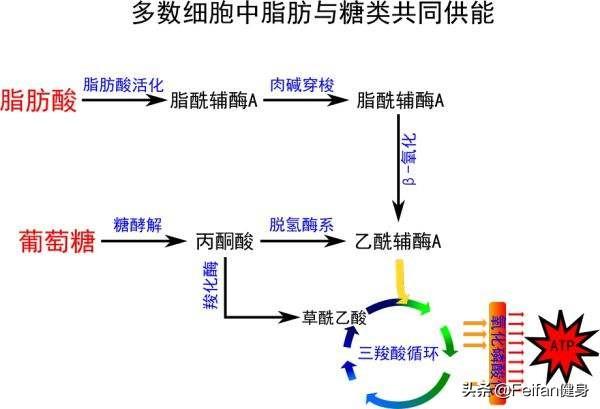
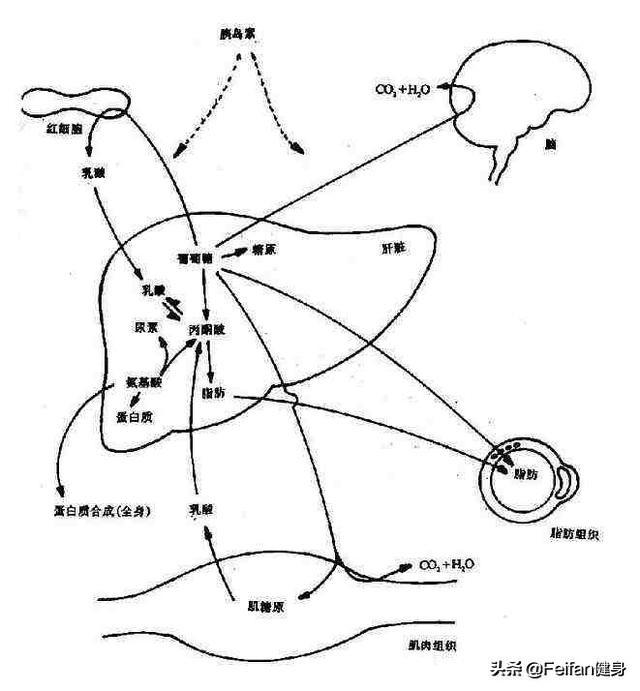
The article content is relatively long, the initial content mainly explains why to use a cyclical carbohydrate diet, including carbohydrates, protein, and fat in the body's energy supply process, as well as how to utilize internal glycogen when there is no glycogen and consume more fat to produce new glucose;
The latter part is the application of the cyclical carbohydrate diet, how to reasonably arrange low-carb days and high-carb days for diet and training.
I believe many of you are familiar with various weight loss methods, such as intermittent fasting, ketogenic diet, high-protein diet, etc. These methods have their own advantages. Today, I want to share a topic with you: cyclical carbohydrate diet, which can help you lose fat more efficiently. Of course, this method is combined with exercise, and it is a popular way for fitness celebrities like Bikini Girl.
Through reading this article, you will know:
1. The principle of cyclical carbohydrate diet
2. The advantages of cyclical carbohydrate diet
3. The application of cyclical carbohydrate diet
The principle of cyclical carbohydrate diet is that for a period of time, you consume a small amount of carbohydrates every day, and then after a period of time, you consume a large amount of carbohydrates. The ultimate goal is to lose fat.
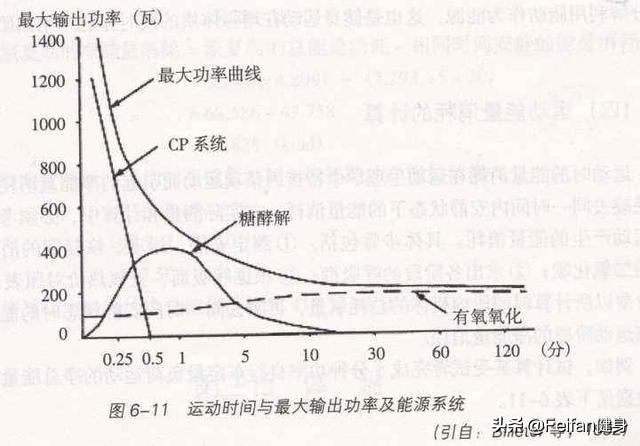
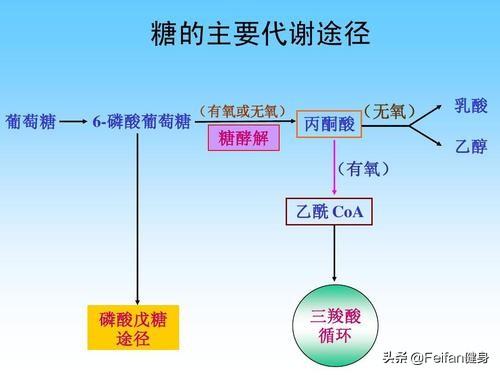
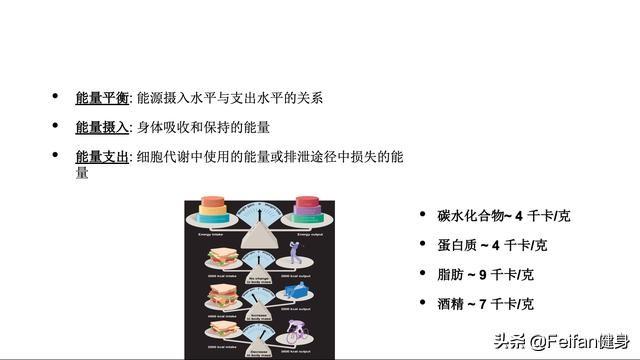
Here, the cyclical carbohydrate diet refers to the fact that the body mainly uses ATP (adenosine triphosphate) as a fuel source. ATP is the energy currency of the body, and protein, fat, and carbohydrates can all provide energy. Among them, protein provides energy very little, only 15-18% of the total energy, while the remaining 82% is provided by fat. When there is no carbohydrate, the body will also use fat to make energy, which is called glyolysis.
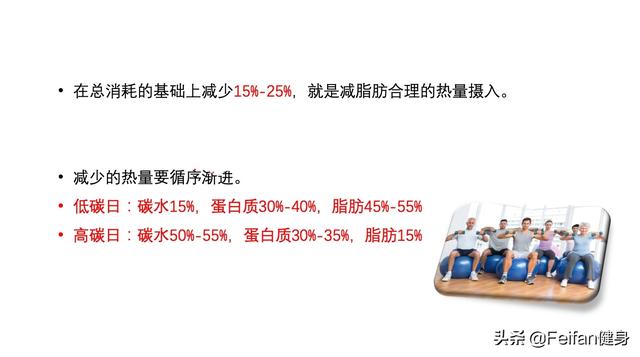
The key to the cyclical carbohydrate diet is to cycle between high-carb and low-carb days. This helps to maximize fat burning and improve insulin sensitivity.Low-carb days: This is to reduce the total carbohydrate intake to 15% of the total energy, protein 30-40%, and fat 45-55%.
High-carb days: This is to increase the total carbohydrate intake to 50-55%, protein 30-35%, and fat 15%.
In the cyclical carbohydrate diet, the low-carb days are to reduce the total carbohydrate intake to 15% of the total energy, protein 30-40%, and fat 45-55%. The high-carb days are to increase the total carbohydrate intake to 50-55%, protein 30-35%, and fat 15%.
The goal of the cyclical carbohydrate diet is to reduce the overall carbohydrate intake and increase the overall fat intake to maximize fat burning and improve insulin sensitivity.
Low-carb days: This is to reduce the total carbohydrate intake to 15% of the total energy, protein 30-40%, and fat 45-55%.High-carb days: This is to increase the total carbohydrate intake to 50-55%, protein 30-35%, and fat 15%.In the cyclical carbohydrate diet, the low-carb days are to reduce the total carbohydrate intake to 15% of the total energy, protein 30-40%, and fat 45-55%. The high-carb days are to increase the total carbohydrate intake to 50-55%, protein 30-35%, and fat 15%.
The goal of the cyclical carbohydrate diet is to reduce the overall carbohydrate intake and increase the overall fat intake to maximize fat burning and improve insulin sensitivity.
Low-carb days: This is to reduce the total carbohydrate intake to 15% of the total energy, protein 30-40%, and fat 45-55%.
High-carb days: This is to increase the total carbohydrate intake to 50-55%, protein 30-35%, and fat 15%.The goal of the cyclical carbohydrate diet is to reduce the overall carbohydrate intake and increase the overall fat intake to maximize fat burning and improve insulin sensitivity.
Low-carb days: This is to reduce the total carbohydrate intake to 15% of the total energy, protein 30-40%, and fat 45-55%.High-carb days: This is to increase the total carbohydrate intake to 50-55%, protein 30-35%, and fat 15%.The goal of the cyclical carbohydrate diet is to reduce the overall carbohydrate intake and increase the overall fat intake to maximize fat burning and improve insulin sensitivity.Low-carb days: This is to reduce the total carbohydrate intake to 15% of the total energy, protein 30-40%, and fat 45-55%.High-carb days: This is to increase the total carbohydrate intake to 50-55%, protein 30-35%, and fat 15%.
The goal of the cyclical carbohydrate diet is to reduce the overall carbohydrate intake and increase the overall fat intake to maximize fat burning and improve insulin sensitivity.Low-carb days: This is to reduce the total carbohydrate intake to 15% of the total energy, protein 30-40%, and fat 45-55%.
High-carb days: This is to increase the total carbohydrate intake to 50-55%, protein 30-35%, and fat 15%.The goal of the cyclical carbohydrate diet is to reduce the overall carbohydrate intake and increase the overall fat intake to maximize fat burning and improve insulin sensitivity.aATPaATP
(3)aATP
——
15-18%
95%
3.9-6.1
15-18%
0.510%1g1g
48
80%

4-64
48
1-31


(BMR)Harris-Benedict
BMR=66+13.7*kg+5*cm-6.8*
BMR=655+9.6*kg+(1.7*cm)-4.7*
=*
80180cm203-5
:BMR=66*13.7*80+5*180-6.8*20=1860
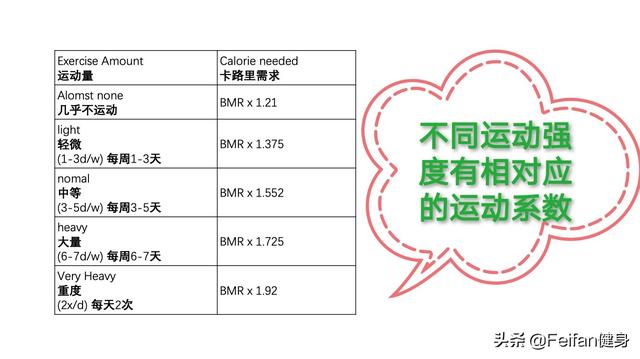
3-51.552*1.552
1860*1.552=2886
288675-85%15-25%
2164-2453
15%
30-40%
45-55%
50-55%
30-35%
15%
2200
2200*15%=330/4=82.5g
2200*40%=880/4=220g
2200*45%=990/9=110g
2200*50%=1100/4=275g
2200*35%=770/4=192.5g
2200*15%=330/9=37g
82.5g,220g,110g275192.537
Gi
Gi
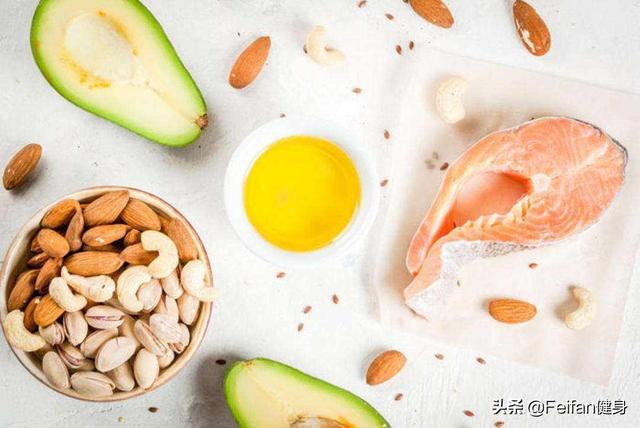
(75-85%)(75-75%)50-65%50-65%50-65%4-61-3
1.ATP-CP
2.——
3.15%30-40%45-50%50-55%30-35%15%4-61-3
Feifan