‘One-Character Horse?’ ‘A Long Life in Ten Years?’ Don’t Follow the Crowd Blindly
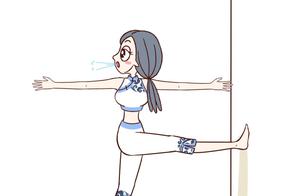
Old sayings like 'A straightened muscle an inch, a long life ten years' and the frequent appearance of 'one-character horse' photos online. Old sayings are not necessarily correct, and blindly following the crowd does not represent truth. In fact, whether it's 'straightened muscle' or 'one-character horse', they are all about improving joint mobility. However, if the improvement is wrong, it may increase the risk of injury. This article analyzes the underlying logic in a simple way to help you understand how to correctly gain joint mobility.
Content Summary:
I. Correctly Distinguish Joint Flexibility and Mobility
II. What We Should Pursue: Flexibility or Mobility
III. How to Correctly Obtain Joint Mobility
Correctly Distinguish Joint Flexibility and Mobility
To discuss 'straightened muscle' and 'one-character horse', we first need to start with joint flexibility and joint mobility.
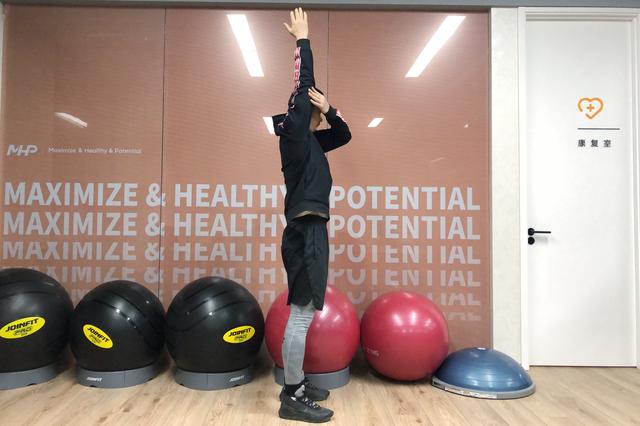
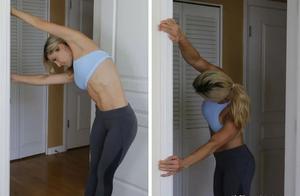
As shown in the diagram, if you can push the right hand up 180 degrees with the left hand, this 180 degrees is the shoulder joint's flexibility. Therefore, flexibility refers to the joint's activity angle when it's passively (with external force) moved.
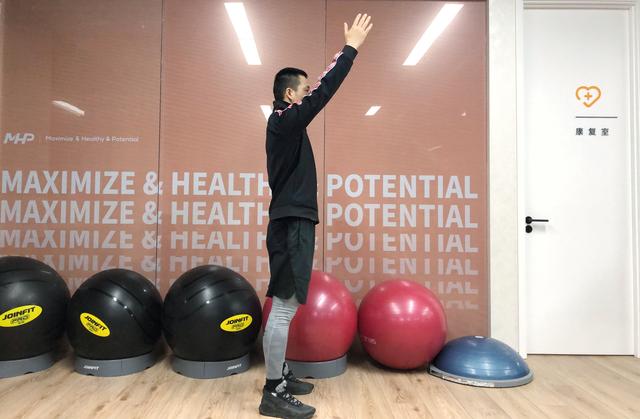
As shown in the diagram, if you can voluntarily lift your arm 130 degrees without external force, this 130 degrees is the joint's flexibility. Therefore, flexibility refers to the joint's active activity range without external force.
In summary:Flexibility is achieved in a state of external force, and flexibility refers to the joint's active activity range under its own muscle control.
What We Should Pursue: Flexibility or Mobility
After we understand what joint flexibility and joint mobility are, we'll analyze the underlying logic to determine whether we should pursue flexibility or mobility?
Flexibility 180 degrees
As shown in the diagram, let's assume that a person's shoulder flexibility is 180 degrees when flexing, i.e., the arm can be raised to the side of the ear when externally assisted.
Flexibility 130 degrees
As shown in the diagram, let's assume that this person's shoulder flexibility is only 130 degrees when voluntarily lifting the arm, i.e., the muscle actively controls the arm movement to 130 degrees without external force.
In real life scenarios:
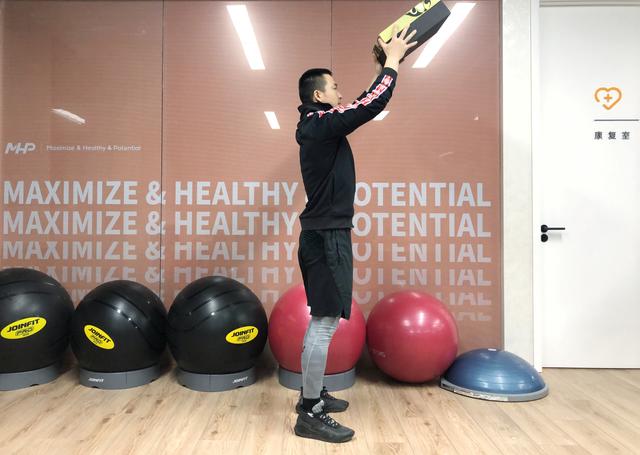
As shown in the diagram, if a person needs to place an object on a high cabinet, the active muscle control range is only 130 degrees, which cannot place the object, and in normal posture, it cannot be placed.
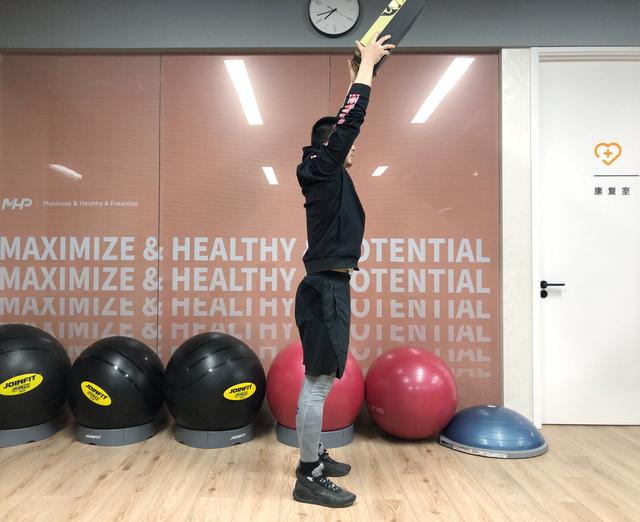
Therefore, only two compensatory modes can be used. The first is to squeeze the shoulder joint, and the joint capsule and tendons may be squeezed, which can lead to shoulder inflammation if prolonged. The second is to sacrifice the stability of the waist, using the action of a forward lean in the waist to complete, which can lead to waist pain if prolonged.
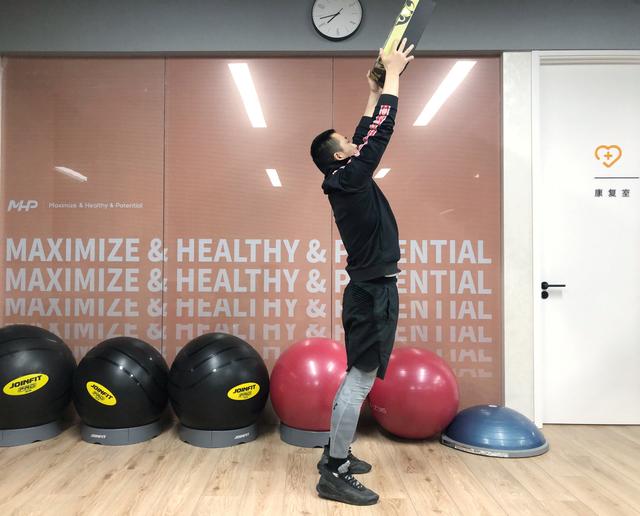
In training scenarios:
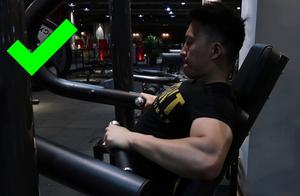
As shown in the diagram, if we want to complete the sitting shoulder press action in training, 130 degrees of shoulder flexion flexibility cannot allow us to push the dumbbell to the side of the ear.
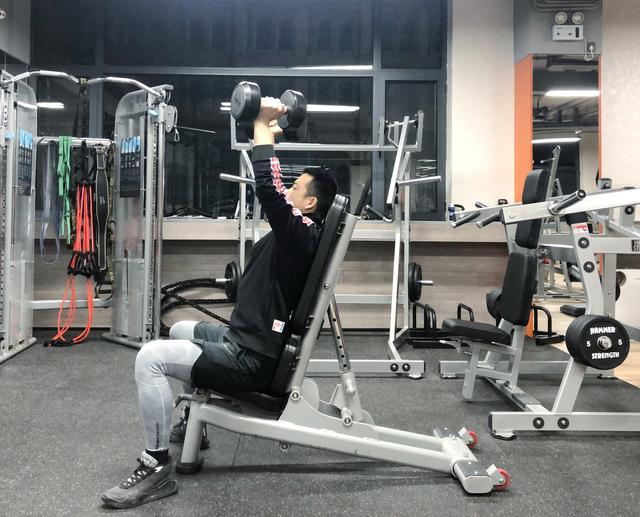
It may appear that the waist is forward leaning (the waist moves away from the back) as a compensation, which can cause waist injury.
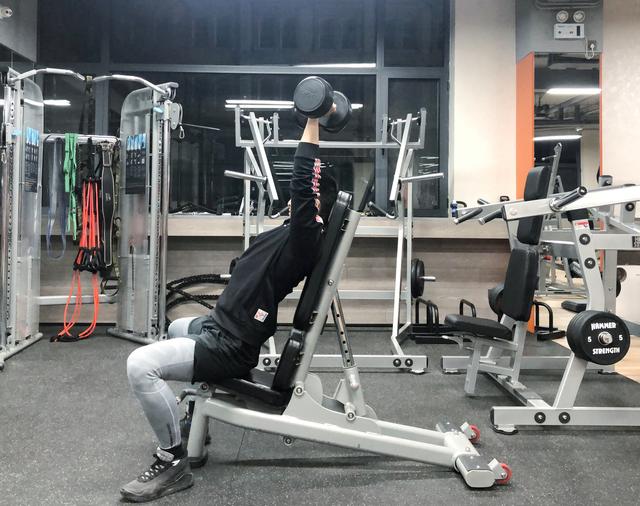
In summary:
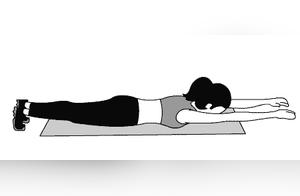
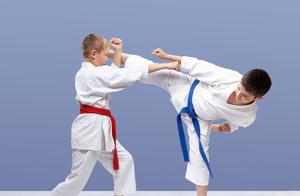
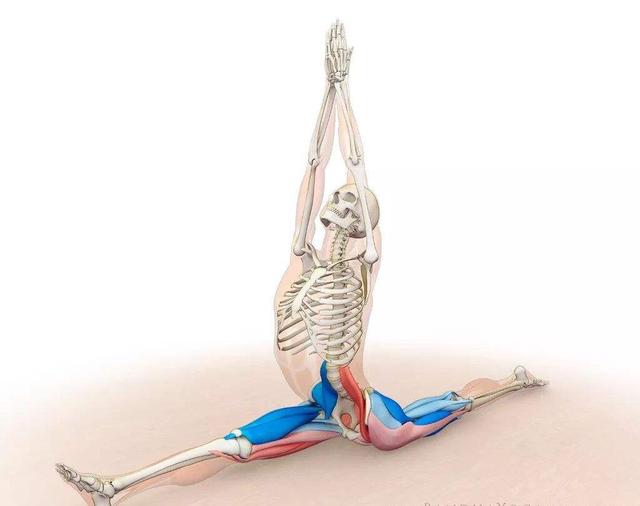
Regardless of whether we're in daily life or training, we need to pursue joint flexibility, not joint flexibility. We need to increase the joint's activity range under muscle control. The more flexible you are, the greater the risk of injury because the possibility of your joint reaching the unmuscled range is increasing.Therefore, 'straightened muscle' and 'one-character horse' are not good things. 'Straightened muscle' refers to improving joint flexibility. 'One-character horse' is almost entirely completed in a passively assisted situation.
How to Correctly Obtain Joint Mobility
After we have differentiated between joint flexibility and joint mobility, and have determined what we need to enhance – joint mobility – we will provide a logical framework for training joint flexibility. Hopefully this will help you with your training and life.
Make daily progress
I am MHP Physical Training
Only tell the real fitness
#Spring Sports Power#
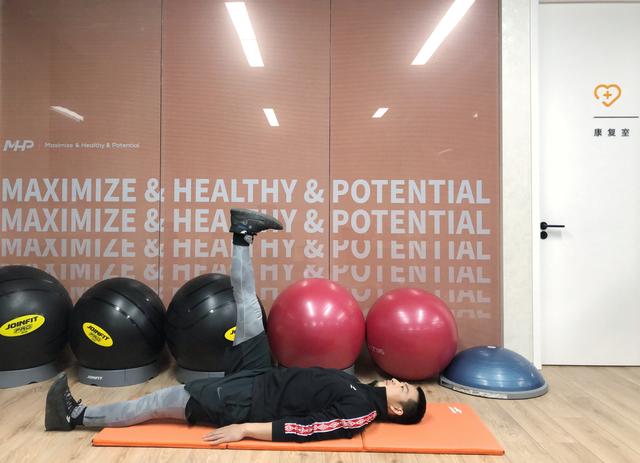
#Qyunn Plan#
80“”
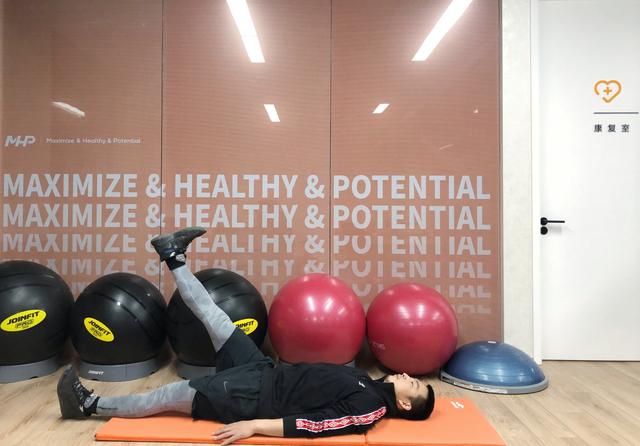
80“”
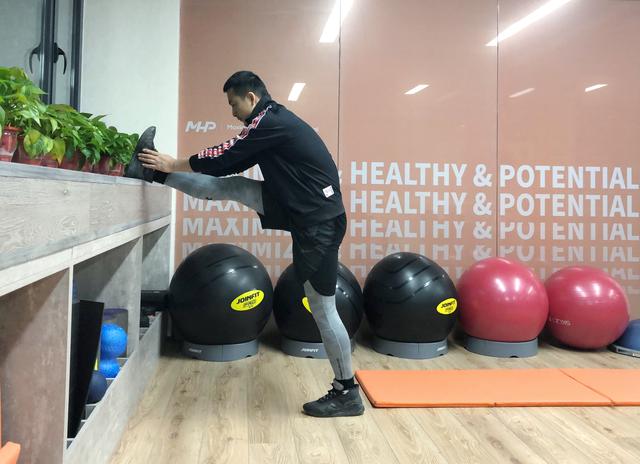
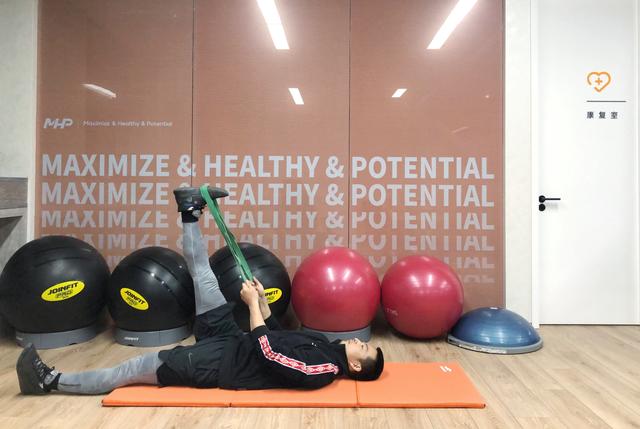
- 7-10
- 3-52-3
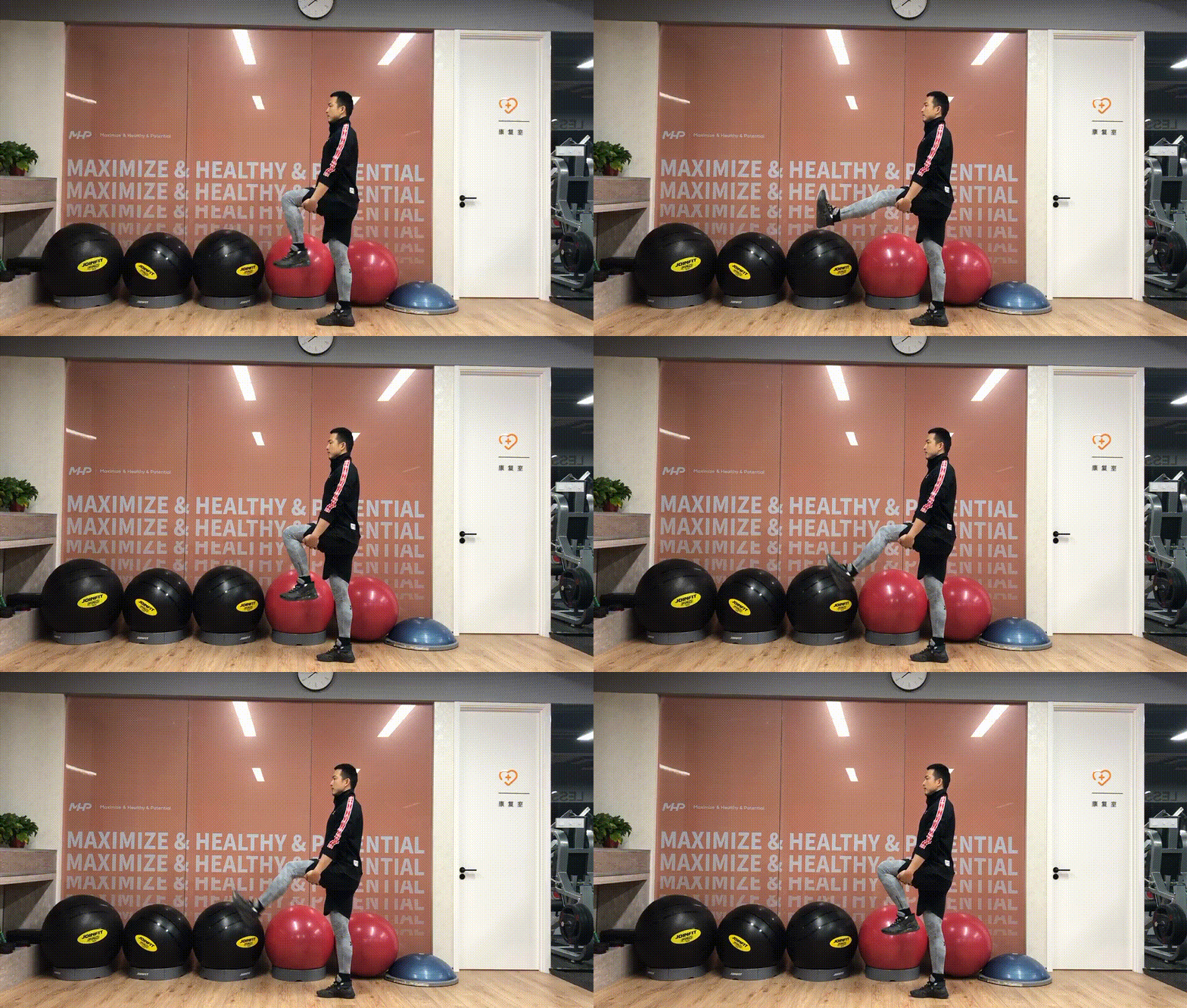
- 5-102-3
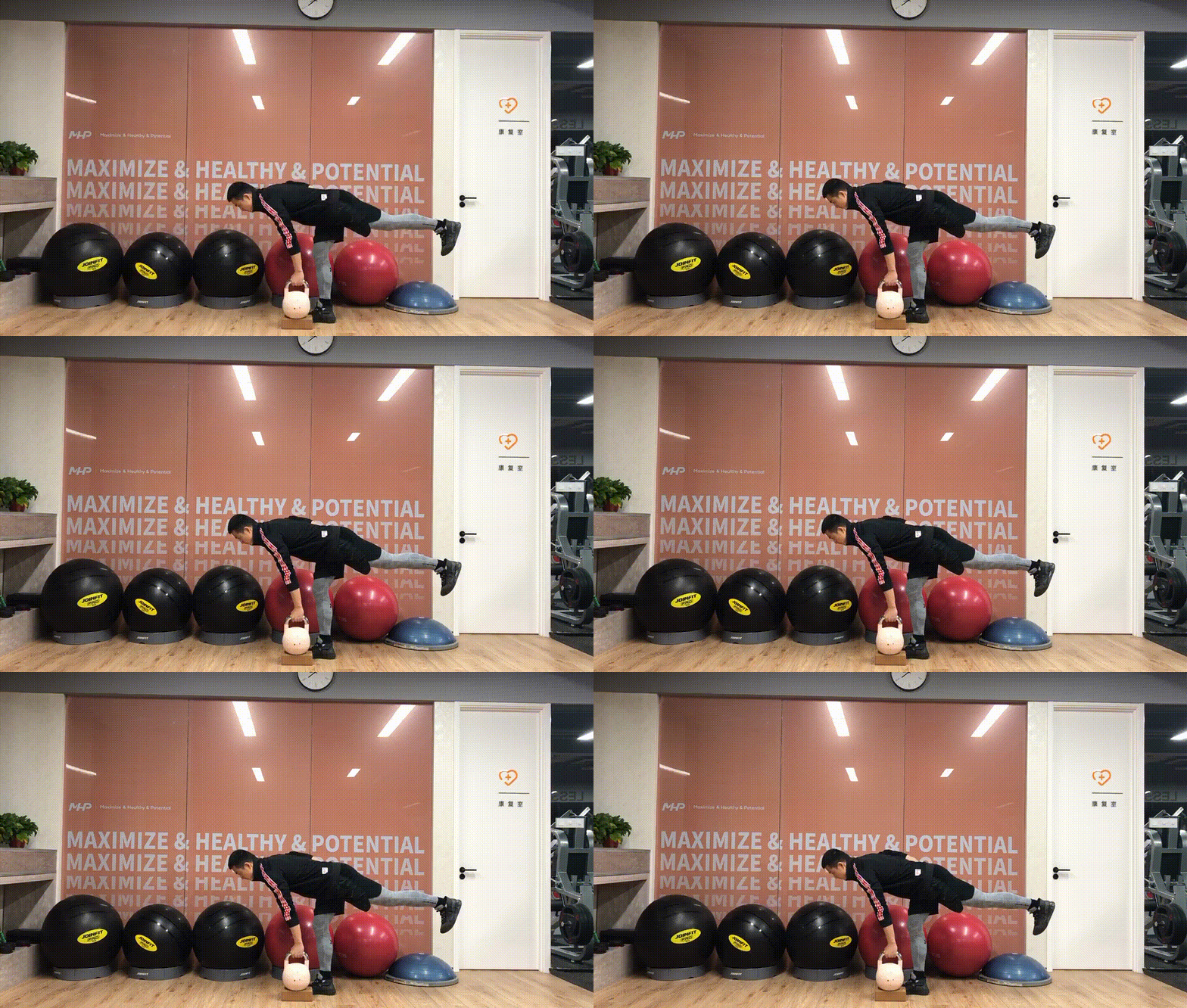
- 100
- 5-102-3
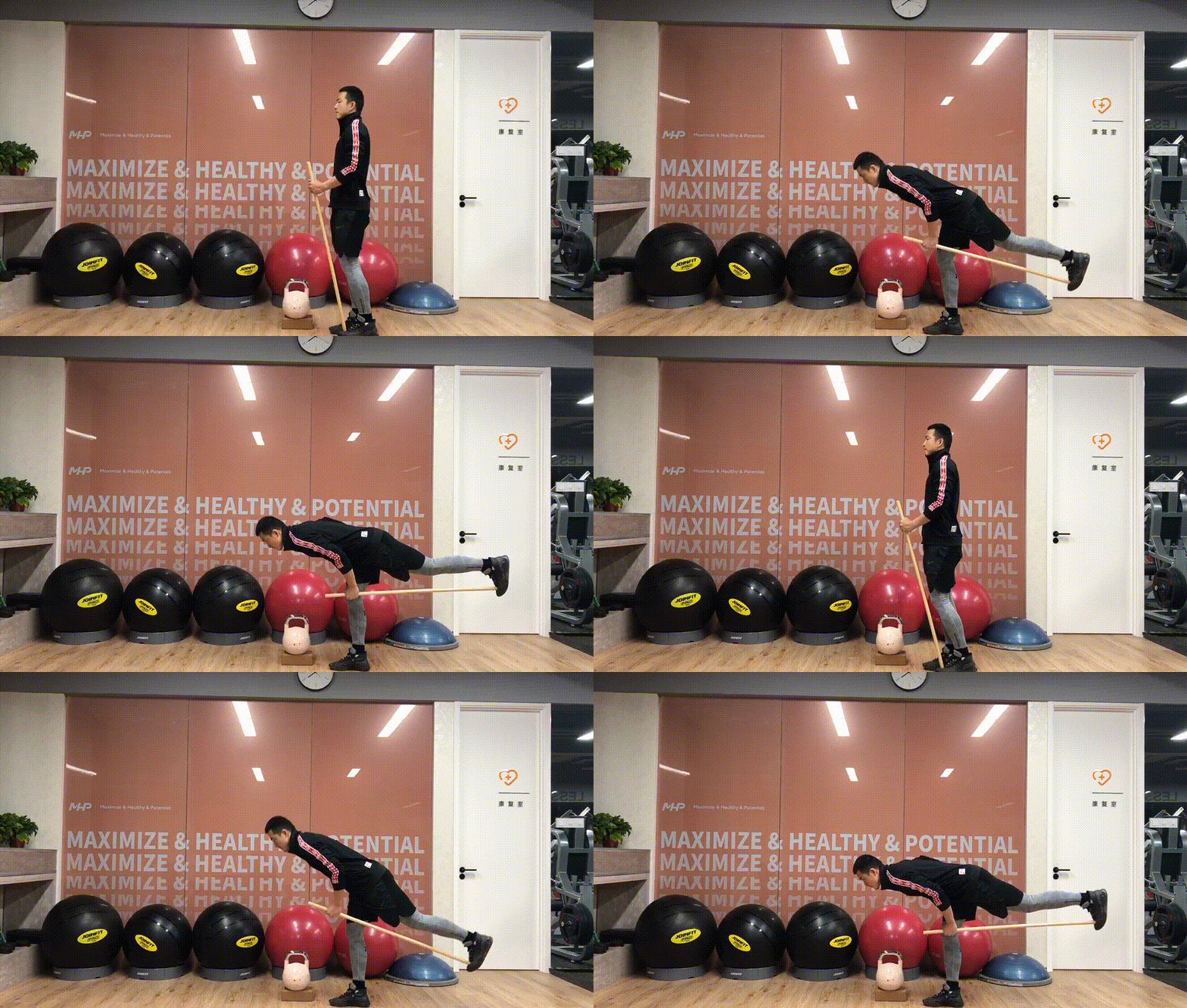
- 5-102-3
“”“”
MHP