7 Plyometric Tennis Exercises to Generate Explosive Power
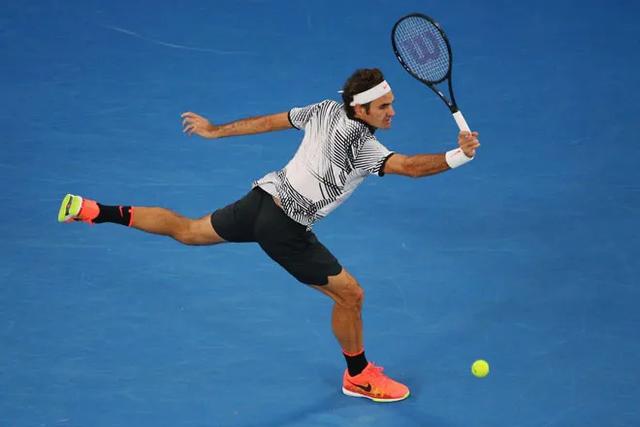
How can a professional player sprint from the baseline to the net in a short time?
How can you generate a serve at a speed of over 200+ (km/h) in an instant?
This is largely due to the muscle’s stretch-shortening cycle, which can produce enormous power in a short time.
This issue:
7 Plyometric Exercises to Boost Your Explosive Power
Plyometric (stretch-shortening cycle training) is a training method that makes muscles produce the maximum power in the shortest amount of time, and it is considered a very effective way to improve explosive power, strength, speed and agility.
All plyometric movements include three stages:
The first stage, pre-stretch, where muscles or tendons create and store elastic energy by lengthening or reverse movement. For example, the turning of the racket in tennis, the knee bend loading etc.
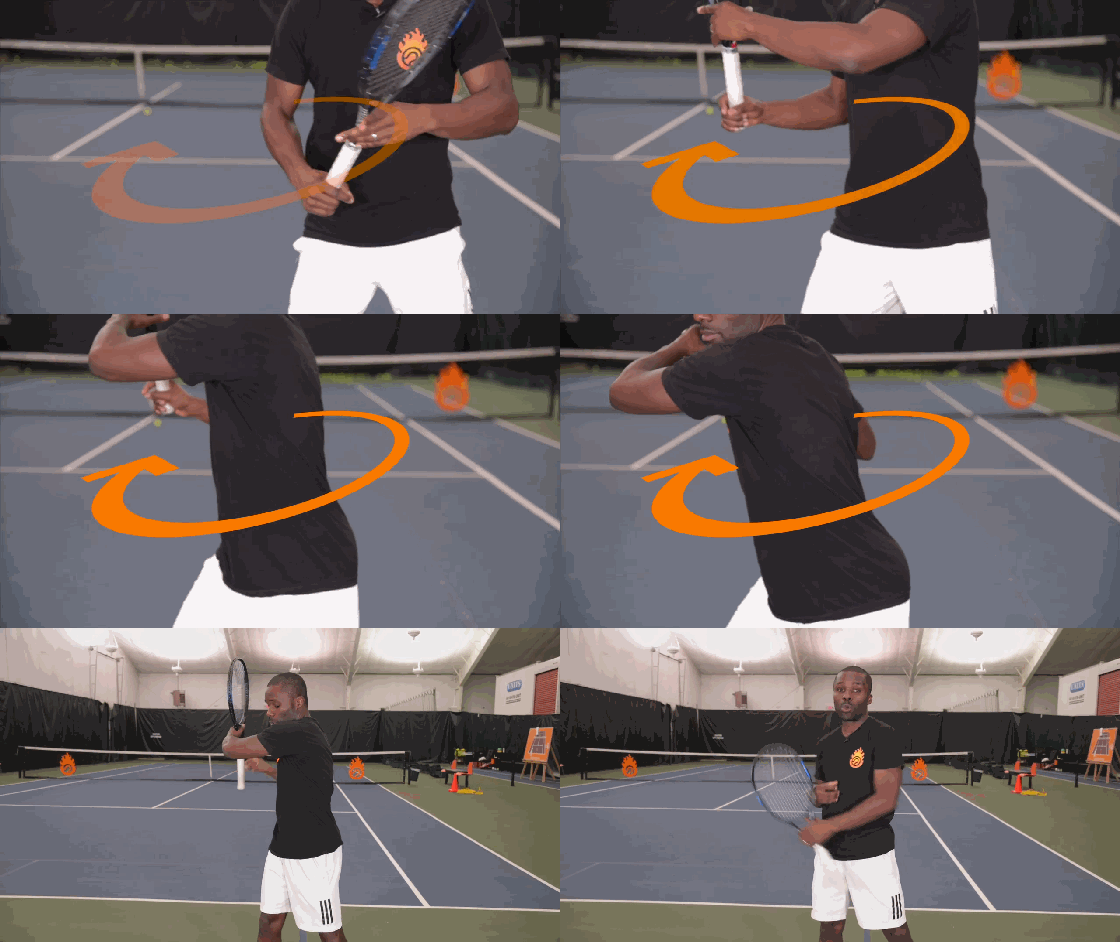
The second stage, the transition from stretch to contraction, also known as the amortization phase. The shorter this phase is, the more powerful the subsequent muscle contraction will be. In tennis, this is the transition from the racket pre-stretch to the forehand ball contraction.
The third stage, muscle contraction, which is the stage where the stored energy is released. For example, the propulsive force in tennis, the abdominal rotation to hit the ball.
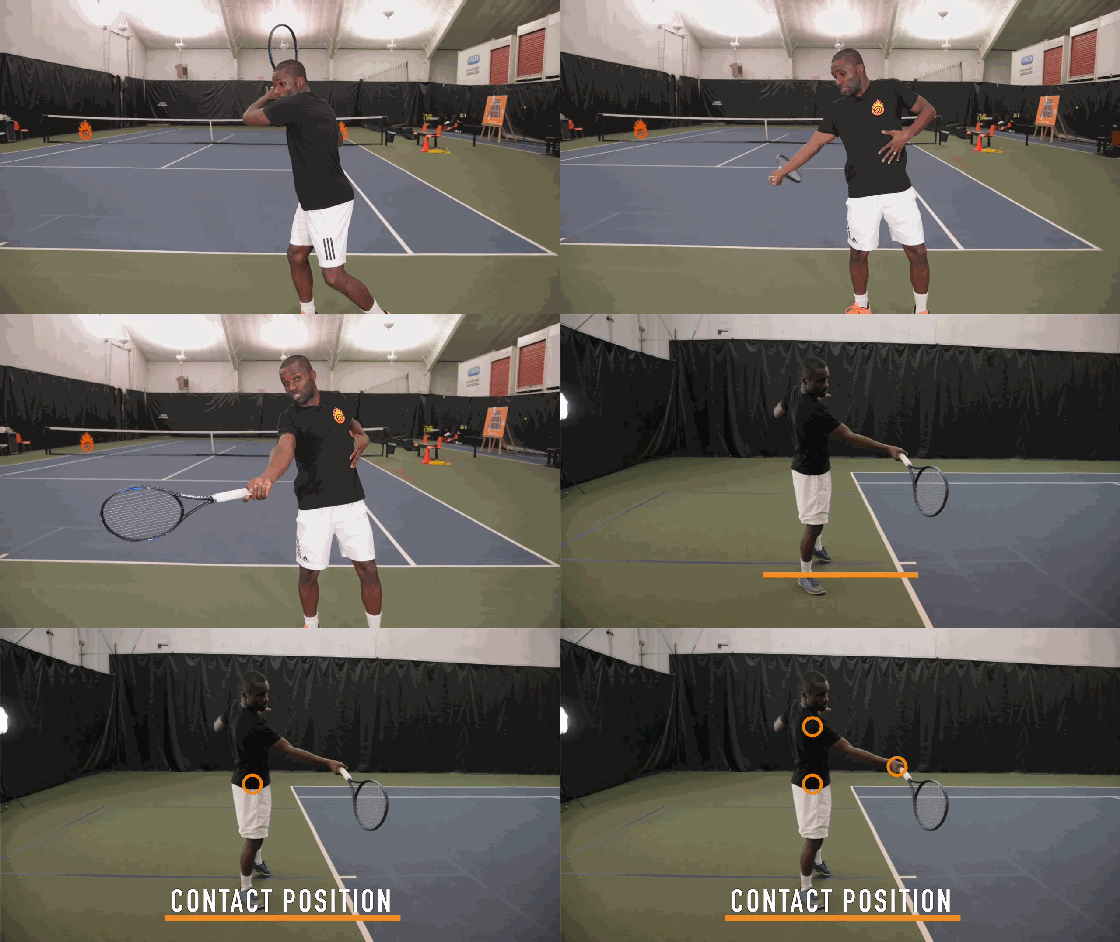
In summary, through stretch-shortening cycle training, the hitting action can be more powerful and more explosive, and running speed will be faster and more agile.
For example, a counter-movement jump, will jump higher than a static squat jump if you jump from a squat position.
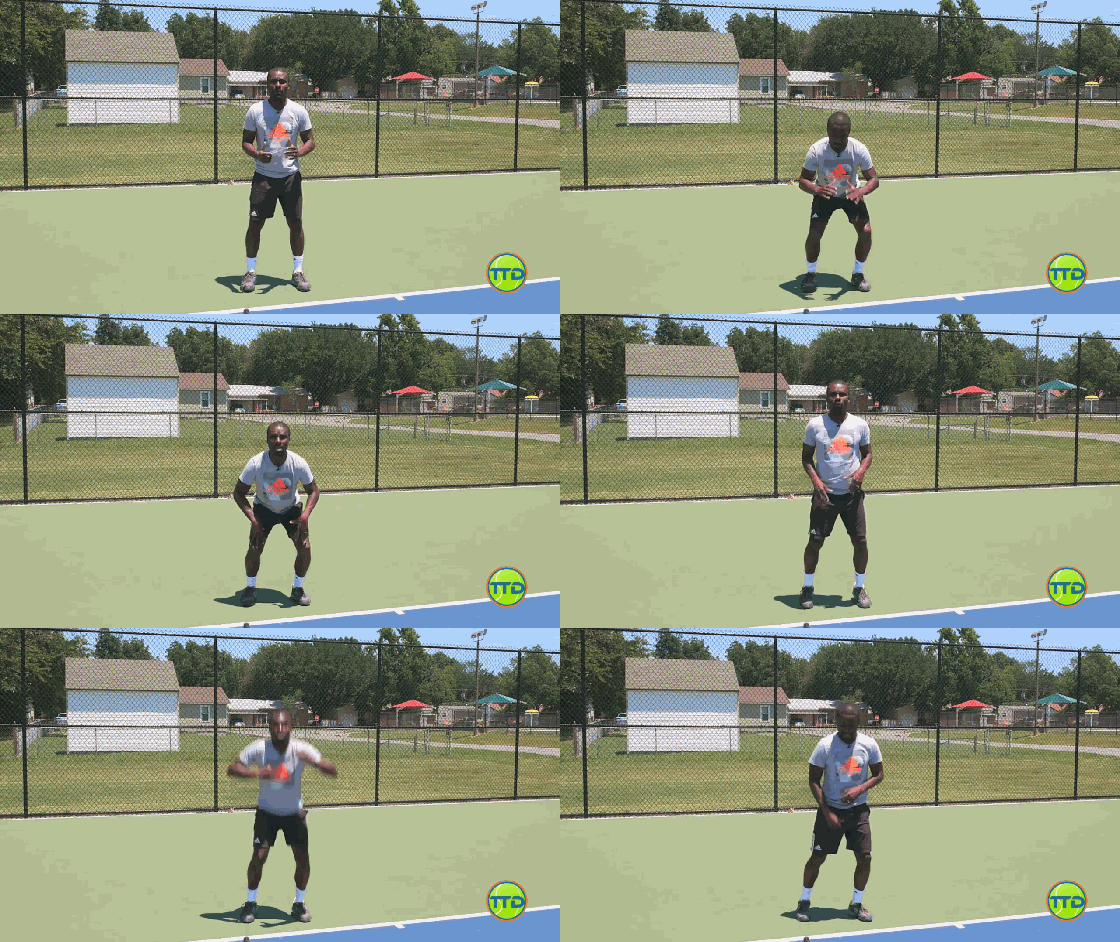
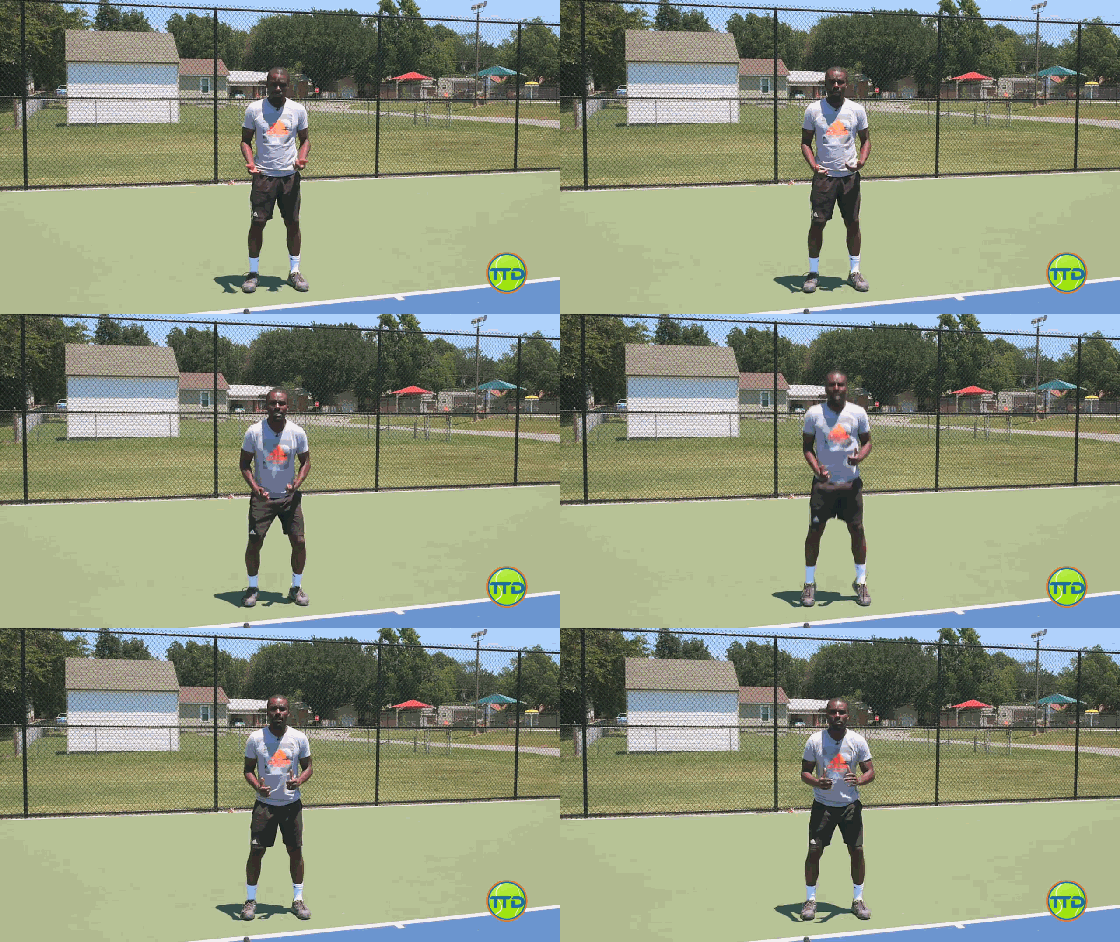
Let’s get started with the following 7 muscle stretch-shortening cycle exercises!
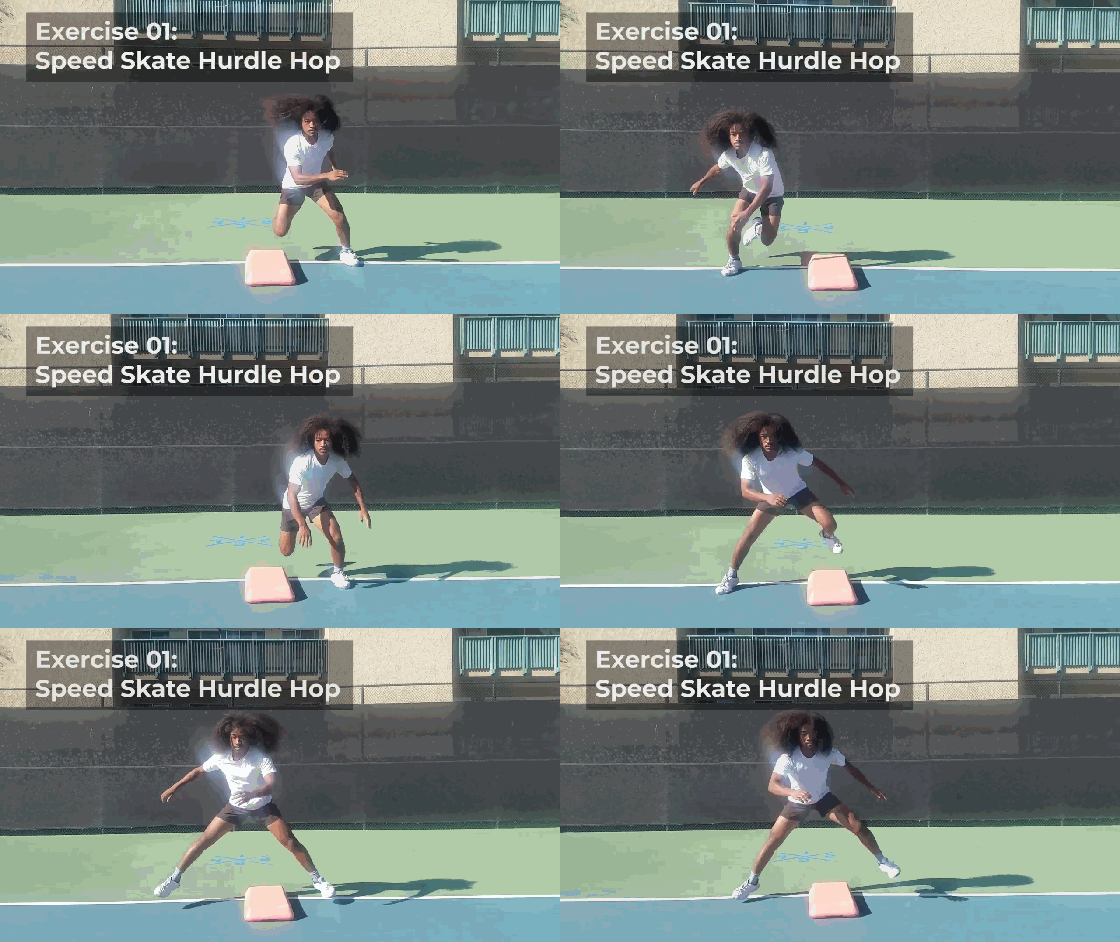
1, Lateral single-leg obstacle jump
Stand with one foot on the side of the obstacle, supporting the supporting leg down, lower, jump and cross the obstacle, landing firmly, and the other leg (original supporting leg) quickly followed by crossing the suspended leg.
After crossing, there is a cushioning action of counter-squat, maintaining balance.
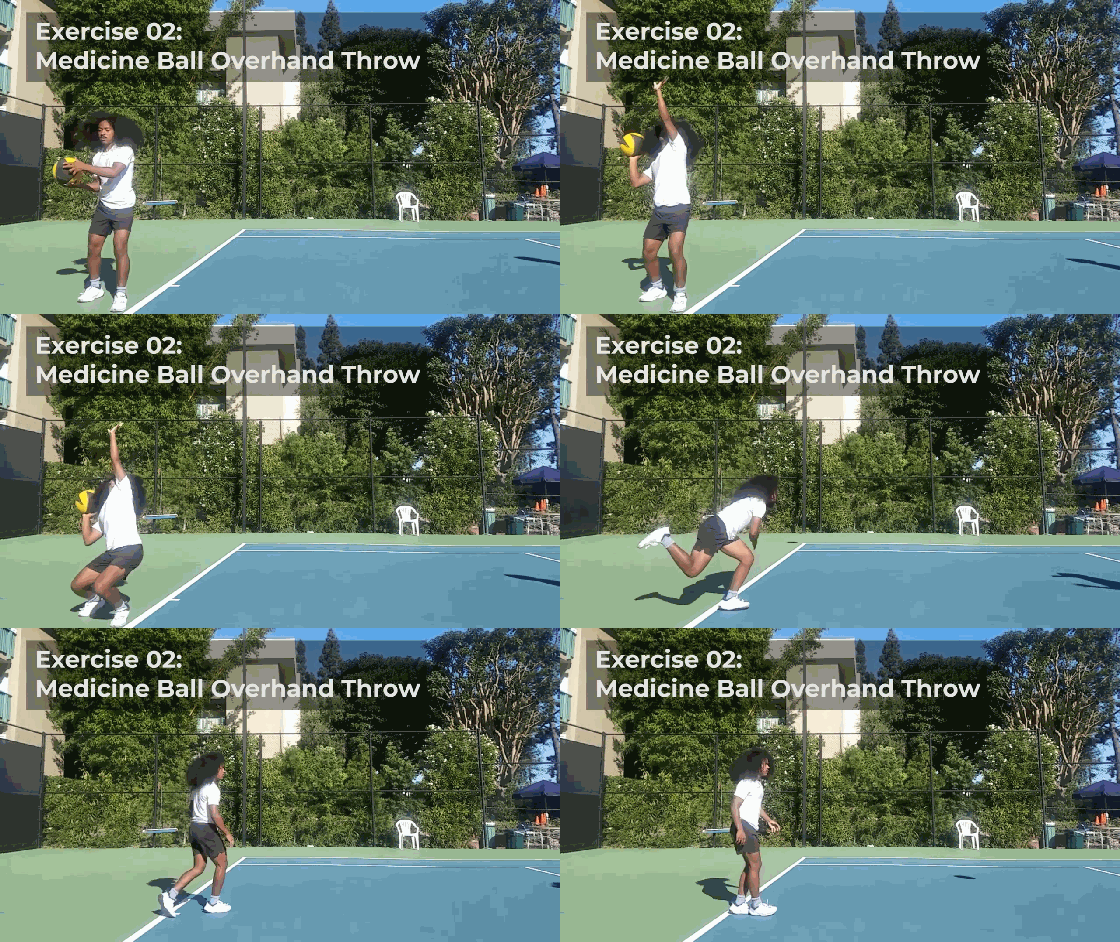
2, Overhead medicine ball throw
This exercise primarily targets the upper limbs, with obvious help in improving serve and high burst power.
Like a serve action, stand sideways, hold the ball with the dominant hand, starting from the trophy position, bend the knees, jump off the ground, jump over the cross and turn the shoulder with the hand holding the ball.
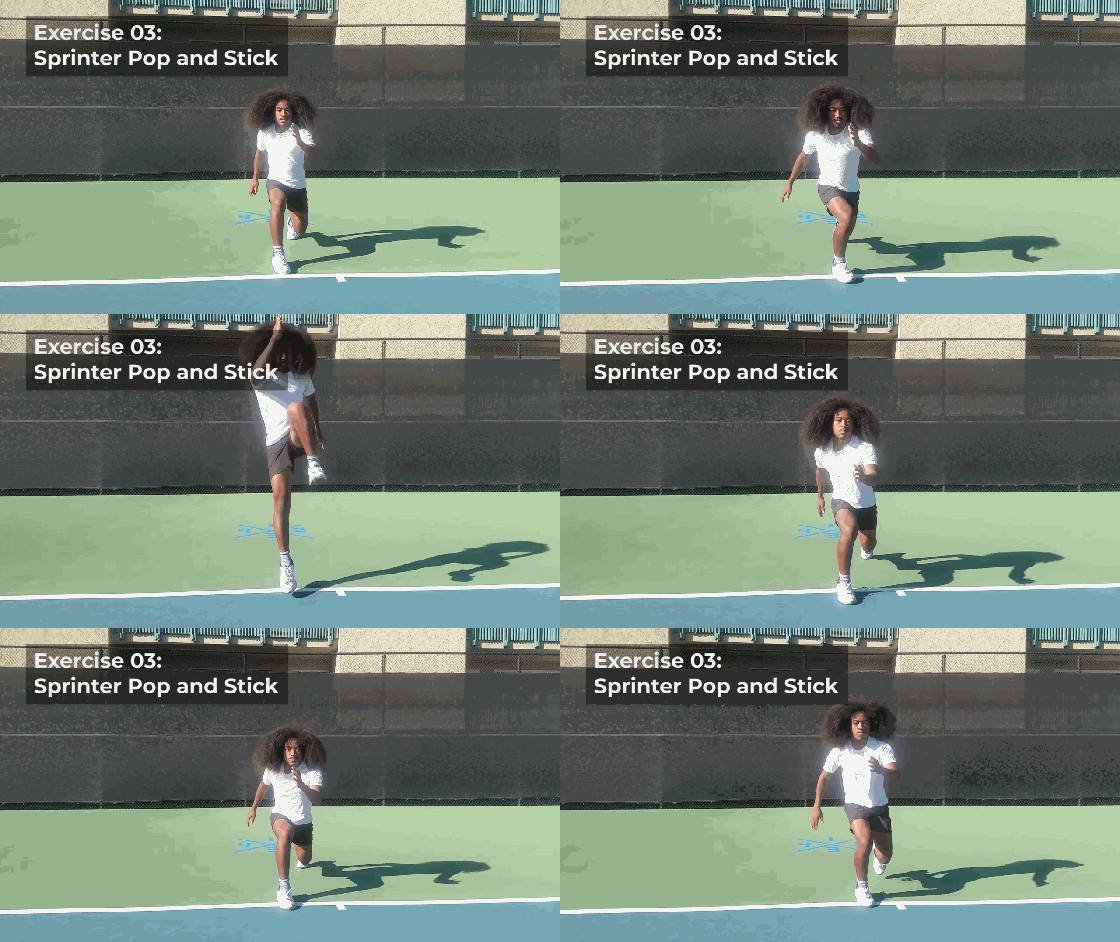
3, Single-leg kneeling rise jump
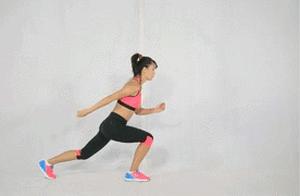
First, get into a split squat position, the front foot lands, jump up with the back foot, the back foot touches the knee close to the abdomen, and the person jumps up as much as possible.
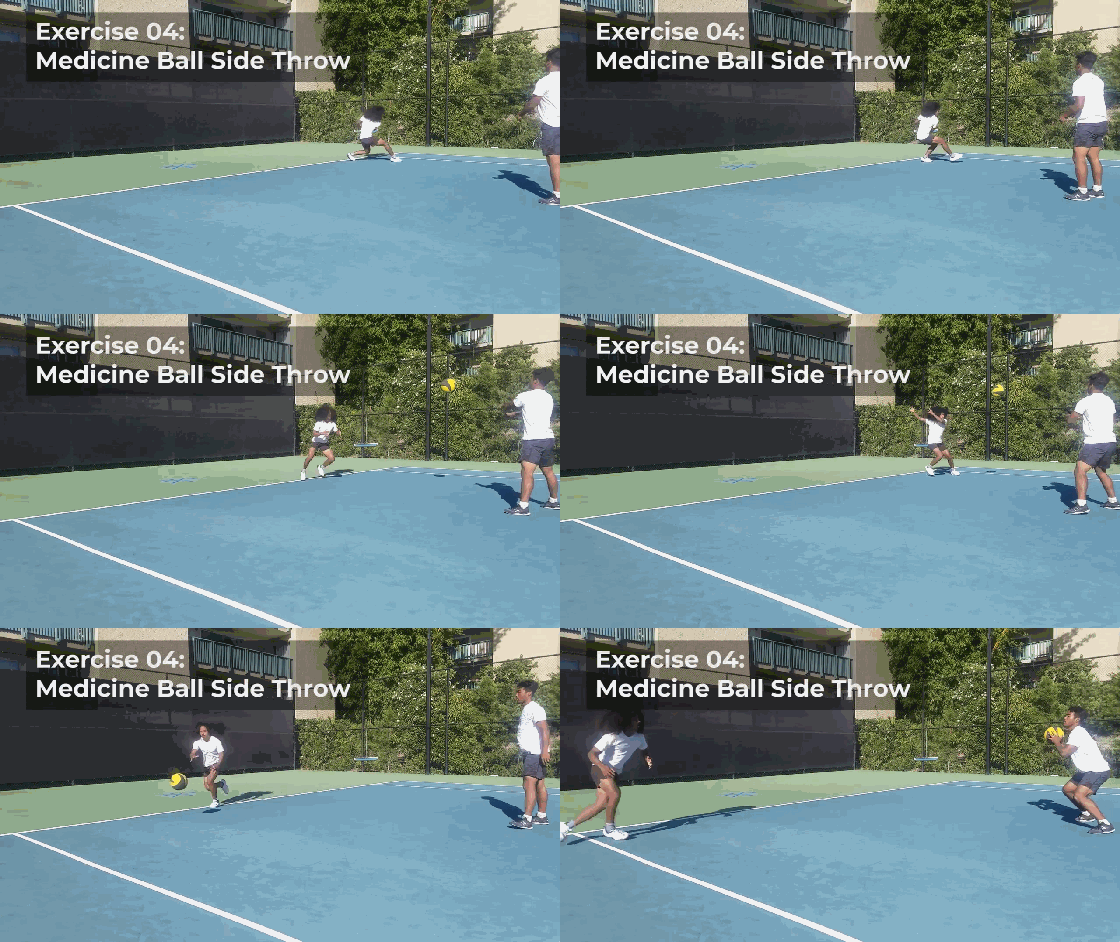
4, Lateral medicine ball throw
First, quickly move to receive the ball thrown by the partner, then turn the hands holding the ball to the side, store elastic energy, the supporting leg back-extends, the hip joint anteriorly tilts, and uses the abdominal rotation to throw the medicine ball forward.
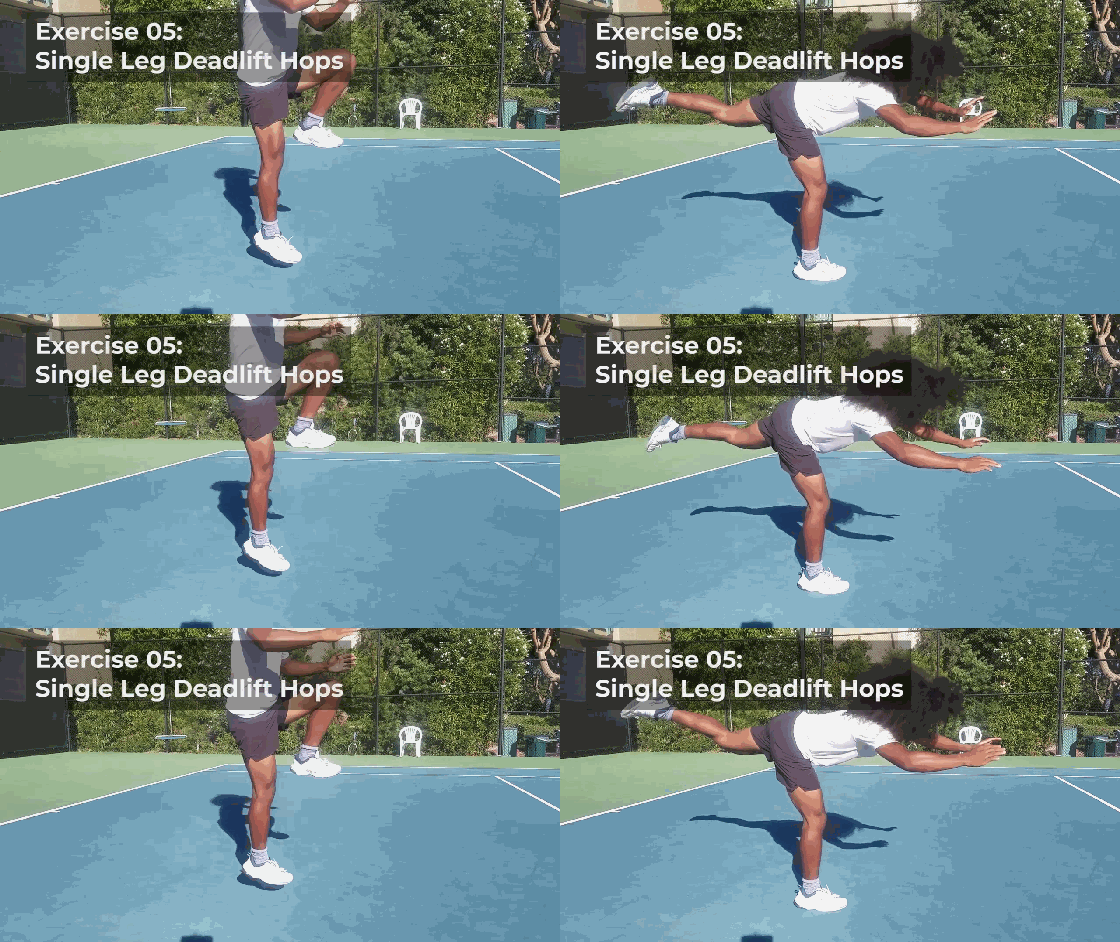
5, Single-leg kneeling rise jump
Stand on one leg, the other leg extends backwards, the upper body leans forward and presses down, both arms extend forward and raise, the back-extended leg, the upper body, and both arms are parallel to the ground. Then, the upper body recovers, the back-extended leg retracts and lifts the knee simultaneously, straightening the supporting leg and jumping up.
6, Overhead medicine ball throw
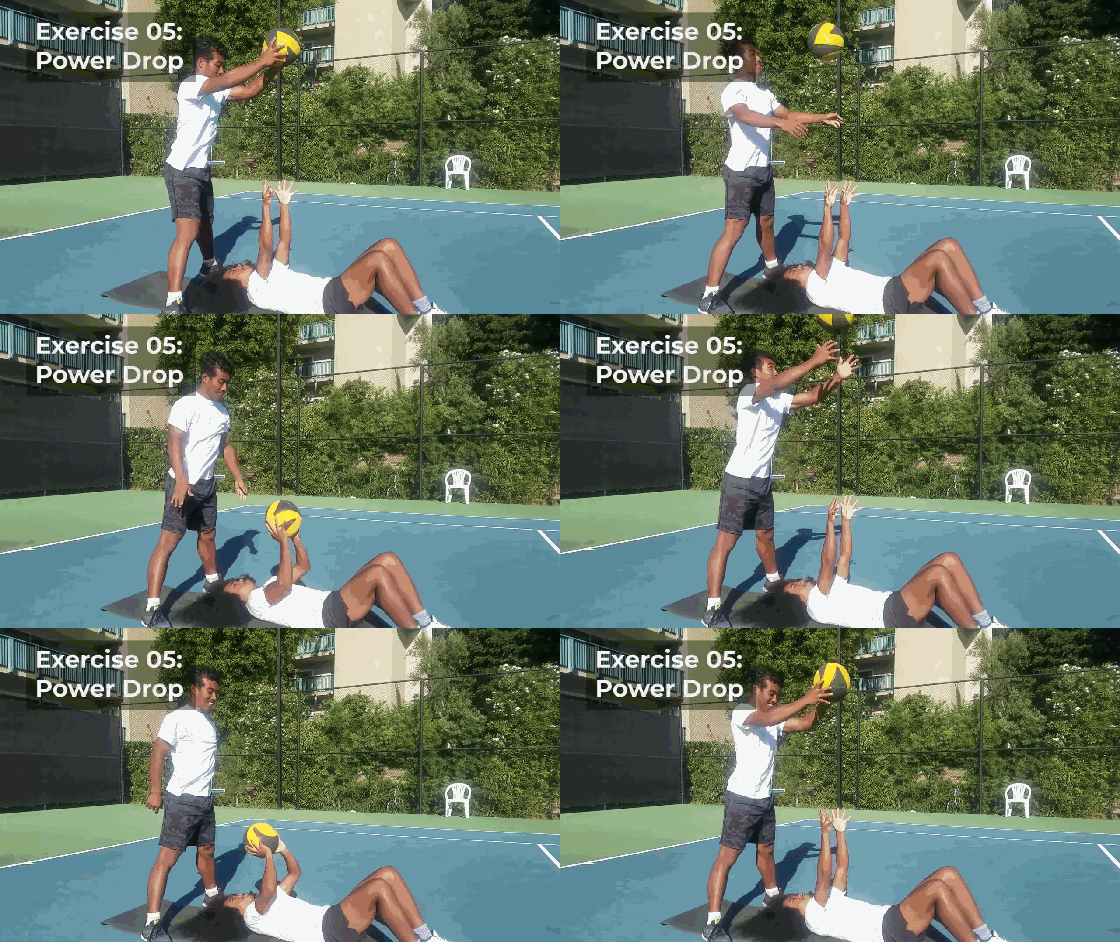
Lie on the ground, first receive the medicine ball thrown down by the partner, then through bending and straightening the elbows throw the medicine ball upwards, higher than the partner’s head.
7, Single-leg ‘X’ jump
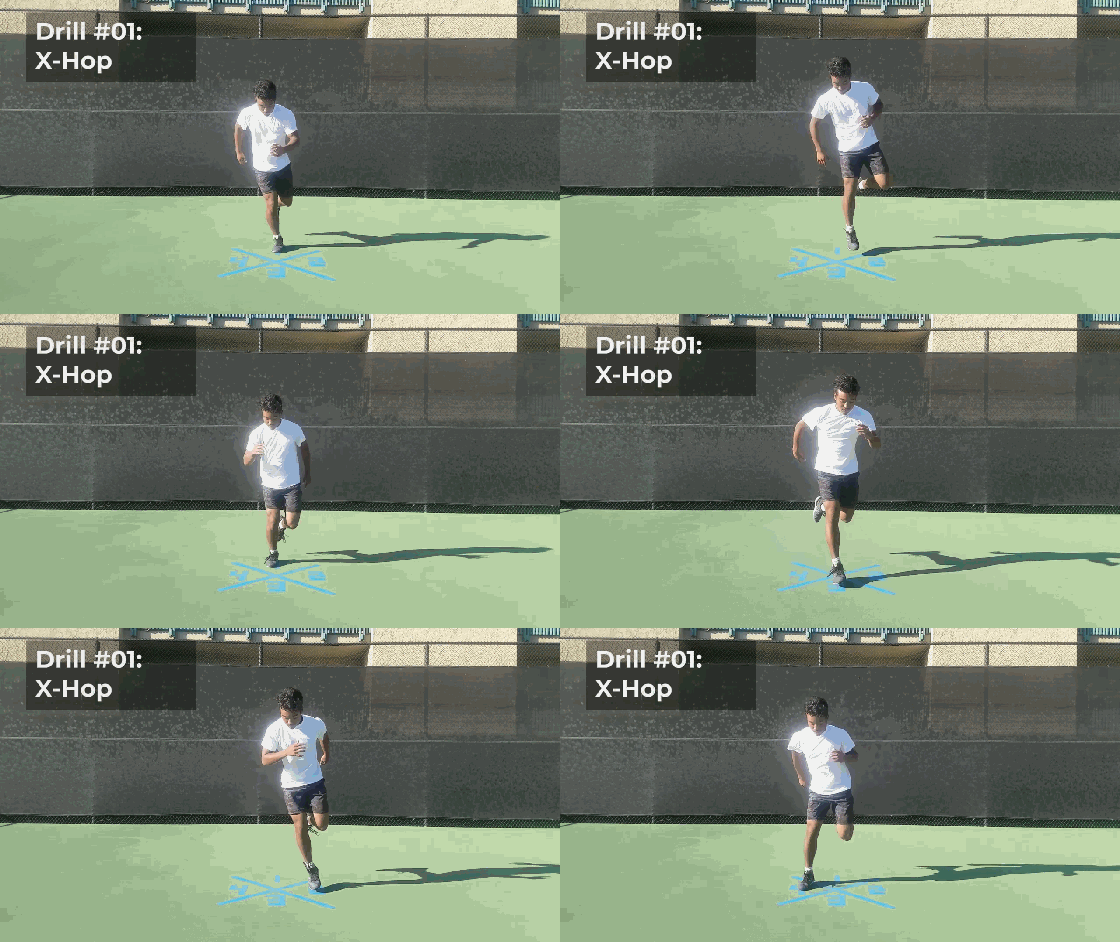
Draw an ‘X’ on the ground, with intervals of at least one foot, and mark 4 areas respectively. Jump quickly with one foot according to the instructions of the partner, landing and maintaining balance.
The above 7 exercises have gone through the stages of stretch (knee bend, split squat, turn, elbow bend etc.) to contraction (jump, throw etc.), which can effectively improve the speed of muscle production of force. Persistently practice, and you will definitely improve your hitting quality.
When exercising, do not stretch and contract muscles for too long; before exercising, you must fully warm up; the exercise intensity should be viewed from a personal perspective and should not be excessive.
Content source: ‘RacquetFlex’