8 Common Exercise Mistakes: More Pain, More Disease; You Should Know This Early
Sports Guidance
Bright March, spring blossoms and flowers, many people have already started to formulate their spring sports plans.
However, some sports, if done improperly, can harm the body.
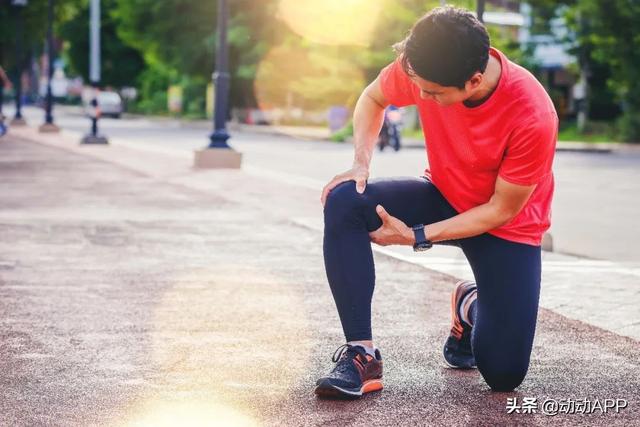
Image source @shutterstock
To help everyone enjoy exercise better, Little Motion summarizes 8 common 'traps', avoid them, and have a healthy spring.
01 Stair Climbing, Hill Climbing
Stair climbing or hill climbing all belong to the type of up and down movement. This type of exercise can consume a lot of heat and strengthen the heart and lungs.
But it also has a drawback that cannot be ignored –It belongs to the weight-bearing exercise.
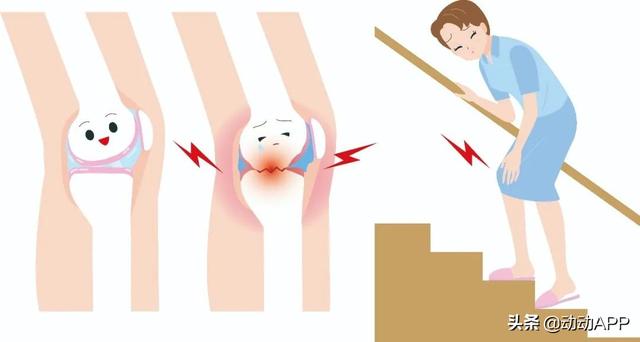
When climbing upwards, the weight on the knee increases by about 4 times, and when descending stairs/descending the hill, the pressure on the knee is greater than when ascending/descending the hill.
- For example, for a person weighing 60 kg, when climbing stairs, his knee burden reaches 240 kg, the faster the speed, the greater the knee pressure.
- And any stair climbing/hill climbing exercise is a huge pressure and wear on the knee joint cartilage. Our knee joint cartilage has poor self-healing ability,
'Wear and tear, is what's left'
The following people should not use stair climbing/hill climbing as a daily exercise:People with excessive weight.
The heavier the weight, the greater the pressure on the knee.
❶ People with knee diseases.Such as degenerative knee osteoarthritis, mostly for the elderly. If the elderly often do stair climbing/hill climbing, it will accelerate the wear and degeneration of the knee joint.
❷ 02 Long-term Square DanceSquare dance doesn't have any problems in itself,
The problem is 'too long' to dance
Image source @Network, delete as appropriateSquare dance contains a lot of twists, squats, etc., which puts high requirements on the strength of the lower limbs and the stability of the body.
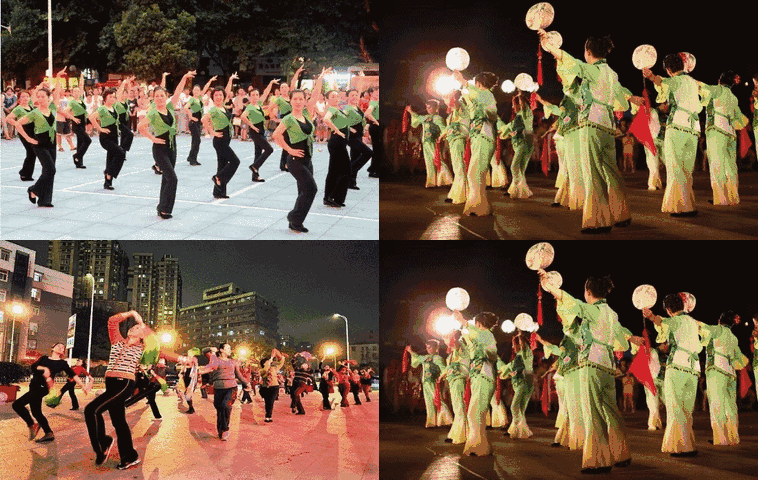
Long-term square dance, can cause joint damage
✰ As the weather gets warmer, more and more people are dancing square danceDancing is good for health, makes people feel happy, as long as people
Control the timeDon't dance for too long, you can have a healthy and happy double ownership.03 Shoulder Pain Patients Shoulder Exercises
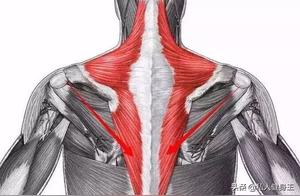
Many middle-aged and elderly people over 50 will have shoulder pain symptoms
They think that it is 'shoulder inflammation' and try to relieve pain and discomfort by exercising, such as shoulder circling exercise, arm raising exercise, and single-double-lever shoulder rotationImage source @Network, delete as appropriateUnknowingly, the reason for shoulder pain is not always 'shoulder sleeve injury'. If it's 'shoulder sleeve injury' that causes shoulder pain, then blindly choosing shoulder exercises will only make the condition worse.
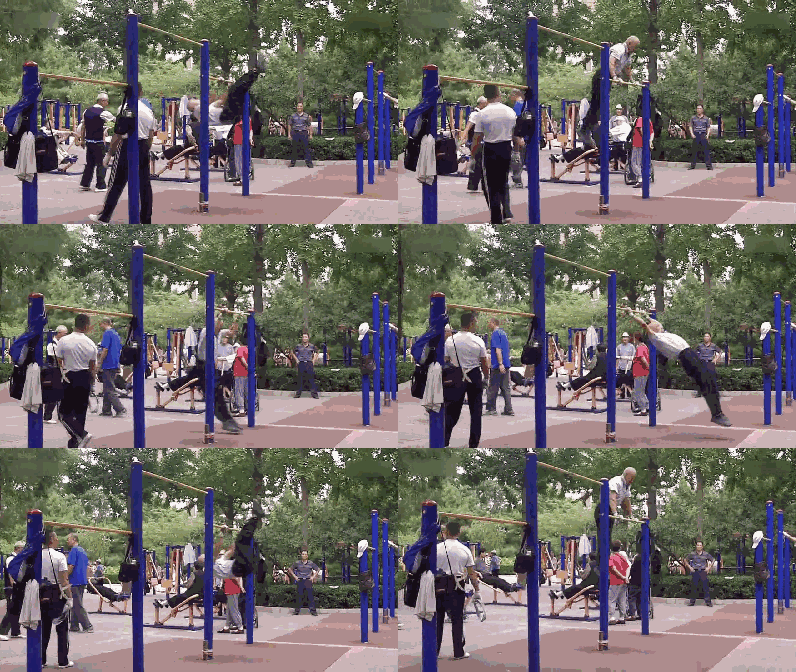
✰ Don't self-diagnose 'shoulder inflammation', see a doctor first, according to the doctor's diagnosis, then choose the correct shoulder exercises
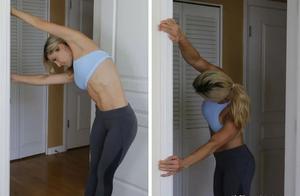
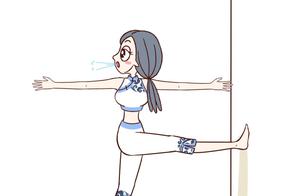
04 Neck and Shoulder Circular Exercise
Image source @Network, delete as appropriate
Neck and shoulder circular exercise can relieve shoulder and neck discomfort. However
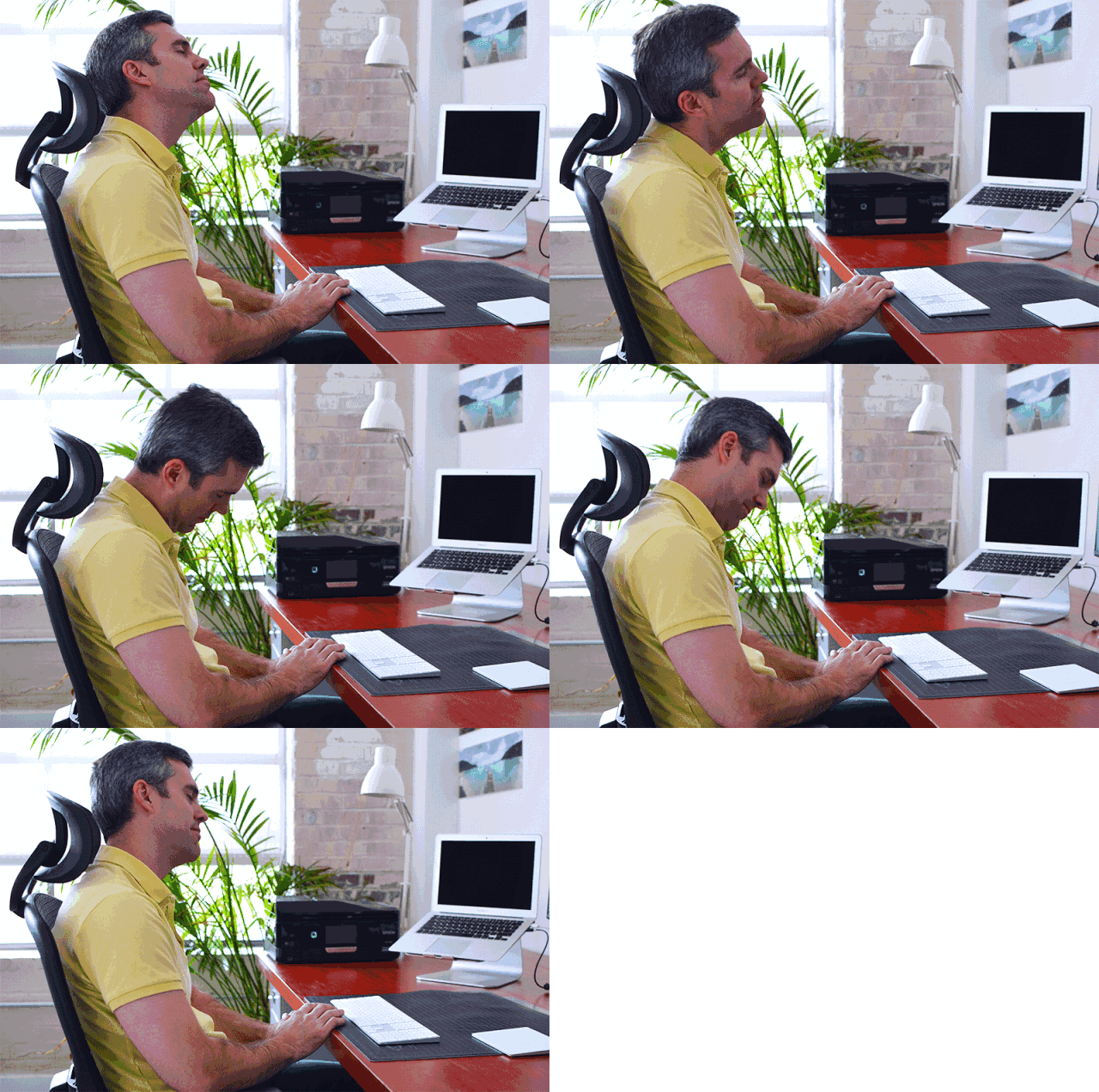
Middle-aged people
(Especially people with atherosclerosis) should pay special attention: the amplitude, speed, and position should not be too large.When performing side and front circular movementsDo not exceed 180 degrees
❶ ❷ Speed should be slowed downLet the muscles and bones relax for 2-3 seconds.
05 High-intensity, high-difficulty sudden exerciseMany people work busy, have no time to exercise, so they 'crash exercise' on weekends to make up for the exercise volume, in order to achieve fitness and weight loss effect.
Image source @shutterstock
Little Motion wants to say:
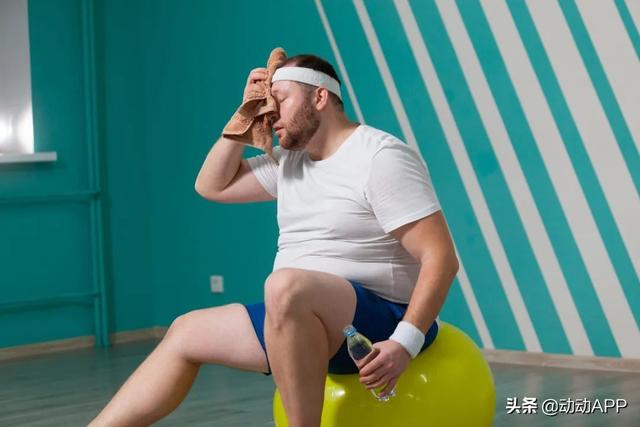
Just like 'overeating' hurts the intestines and stomach, exercise shouldn't 'crash exercise'
When facing 'one-time, high-volume, long-time' 'crash exercise'
You may have iron will, but your small body can't stand it.
Suddenly increasing high-intensity exercise can make the cardiovascular system and muscle groups unable to adapt, easily 'stall'
Not only white effort, but also may cause sports injuries and diseases.
Effective exercise is 'persistence + gradual progress'.Don't 'eat one meal, fast one meal' exercise.
❶ 06 Backward Walking
❷ Backward walking can improve the balance of the body, improve the strength of the muscles on the back of the thigh, and maintain the stability of the knee joint.
Image source @Network, delete as appropriate
However, experts also remind everyone that backward walking has a limited effect on the treatment of spinal disc herniation, and for the elderly, it increases the risk of falling. Many elderly people fall while exercising backward, resulting in fractures in the wrist and hip joints.
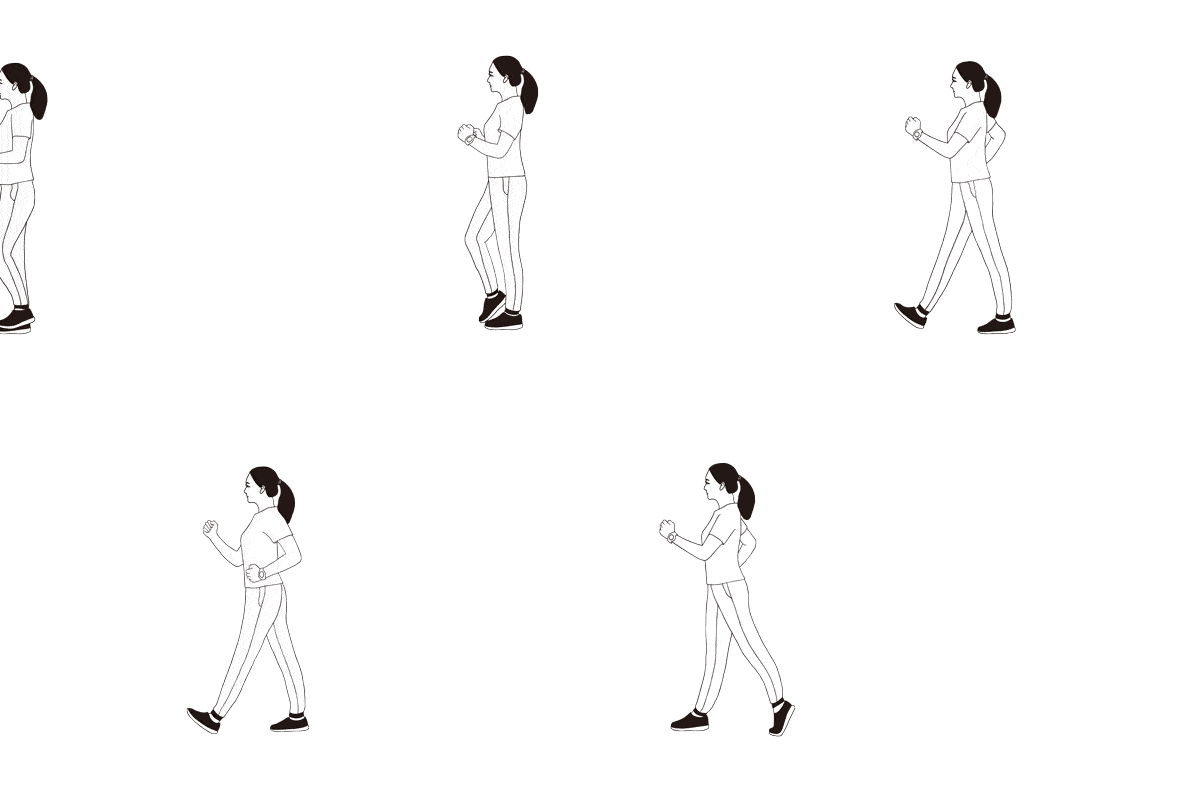
If you must do backward walking:
Choose an open space, wear comfortable shoes, don't move too fast, preferably with someone to accompany you to practice.
For the elderly, in fact, walking forward is enough to achieve the purpose of exercising the body, no need to choose backward walking, reduce the risk of falling.
❶ 07 Fasting Morning Exercise
❷ Some people think that exercising with an empty stomach can burn more fat and have a better weight loss effect.
However
Exercising with an empty stomach is like 'driving a tank without oil'
Image source @shutterstockBefore the body consumes fat, it first consumes a lot of glucose. In a fasting state, people are prone to 'low blood sugar'
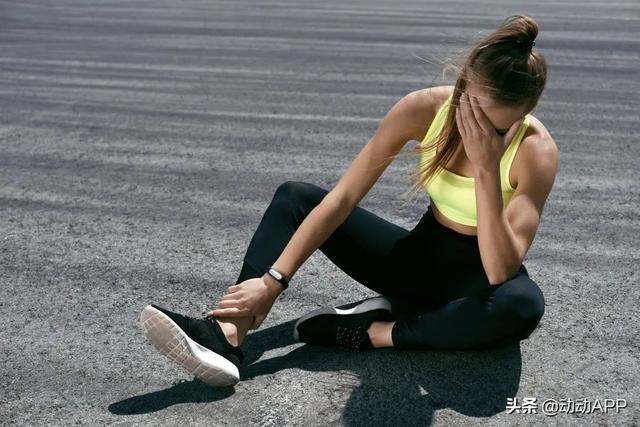
They feel dizzy, weak, pale, sweating, and may even faint. Before starting to exercise and lose weight, they have already fallen down, how can it be worth the effort.
Don't fast to exercise, especially in the 'morning', when blood sugar levels are lowest, it's most prone to low blood sugar.Even for weight loss, don't fast before exercising, at least drink a glass of milk, eat a piece of bread, eggs, apples, etc., to supplement the energy needed for exercise.08 Bent-Leg Raise
❶ Bent-leg raise, this small exercise that you can do at home, has become a favorite of many people for training their abs and slimming their waists.
❷ But many studies have shown that
Bent-leg raise hurts more than it helps!
It is easy to injure the neck and waist. If it is serious, it may cause paralysis.Image source @Network, delete as appropriate
A professor of spinal biomechanics in Canada said:
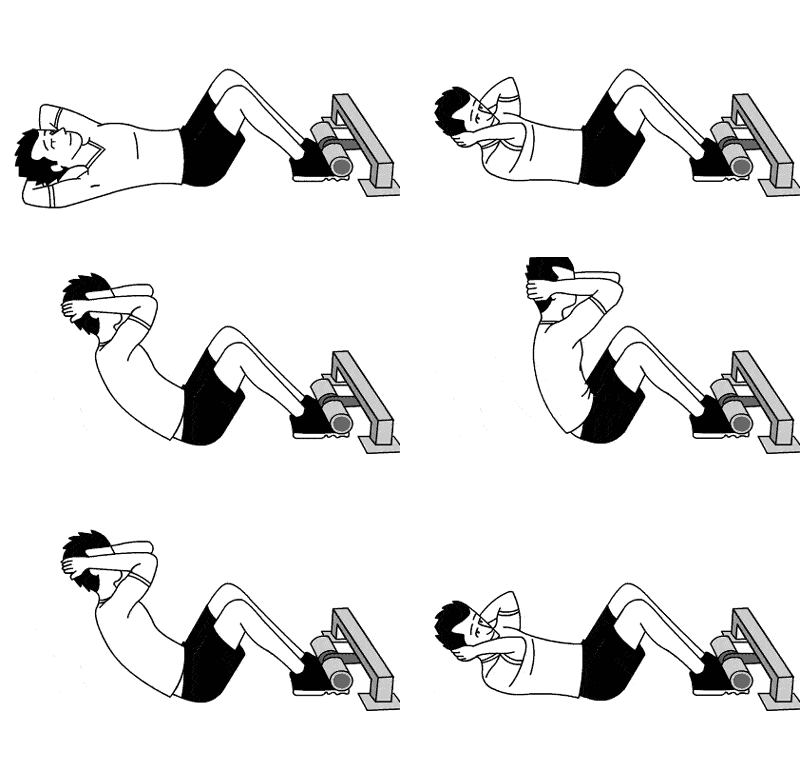
Bent-leg raise can put 10-100 pounds of pressure on the neck.
This is because bent-leg raise requires abdominal muscle strength, but when people start training, the abdominal muscles are not strong enough, so they will produce incorrect movements.Use 'crunch', 'plank' instead of bent-leg raise to train abdominal muscles!
It's most effective to do the exercise that suits your body.
✰
~