During Weight Loss, Don't Make These 2 Mistakes, Even if You Eat Less and Exercise More, You Won't Lose Weight
During weight loss, many people blindly diet, and incorrect methods harm physical health, damage metabolic levels, and lead to initial weight loss followed by increasing obesity. Some people's weight rebounds after successful weight loss, which is very distressing.

Rational and scientific weight loss methods are verified, sustainable, and safer than extreme and rapid methods. When losing weight, we need to analyze dialectically, not blindly follow.
Avoid these 2 common misconceptions during weight loss, otherwise, even if you eat less and exercise more, you may not lose weight and may even lead to weight gain!
Misconception 1: Not eating staple foods for weight loss
Staple foods are rich in carbohydrate energy, and carbohydrates will increase blood sugar, thus promoting insulin secretion, and insulin also promotes fat synthesis.
Some people choose not to eat staple foods for weight loss, and their weight decreases quickly at first, but after a period of time, weight loss slows down, and various side effects appear.

Long-term lack of carbohydrate supplementation, insufficient metabolic power.It's easy to experience hypoglycemia, dizziness, and irritability. When you see delicious food, you always want to overeat, and your weight quickly rebounds. Weight loss turns into weight gain, which is the side effect of not eating staple foods.
During weight loss, we should reasonably consume healthy staple foods instead of not eating them. Choose complex carbohydrates with a slow glycemic index to extend satiety while supplementing the body with carbohydrate energy and maintaining metabolic levels, suppressing fat synthesis.We can reduce the intake of simple carbohydrates such as buns, rice, and noodles, and eat more eight-treasure porridge, millet,, green beans, corn, sweet potatoes, and brown rice. Avoid unhealthy, low-quality carbohydrates, such as cakes, cookies, and high-sugar foods, which accelerate fat synthesis.
Misconception 2: Excessive aerobic exercise

Lying on your back to exercise consumes excess body heat and helps reduce body fat and restore a good figure. However, exercise is excessive. When you do excessive aerobic exercise, the body consumes fat, and part of the muscle is also broken down.
Muscle loss will reduce metabolic levels.
Muscle's heat consumption is 2-3 times that of fat. The more muscle you have, the more vigorous your metabolism will be.
The purpose of weight loss is to lose fat, not to sacrifice valuable muscle. If you succeed in losing weight, and your body has less muscle, your daily heat consumption will also decrease. When you stop eating and exercising, your weight will gradually rebound.
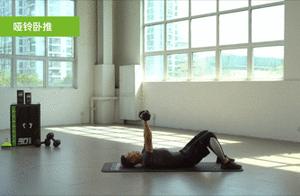
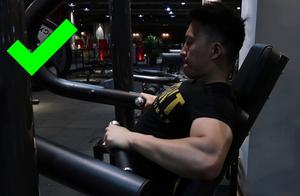
To maintain muscle mass, we need to shorten the time for aerobic exercise and gradually increase the intensity or add strength training to avoid muscle loss.Control the time for aerobic exercise to about 40 minutes. You can incorporate self-weight exercises, such as squats, push-ups, pull-ups, and lunges, to increase muscle mass, and then conduct routine aerobic exercise, which helps maintain metabolic levels.
When your physical endurance improves, you can conduct high-intensity aerobic training, such as HIIT interval training, jumping rope, and speed running. The time for each exercise will be greatly shortened, effectively avoiding muscle loss. A 20-minute exercise can achieve the same effect as a 40-minute running training.

40
HIIT2040