Regular Long-Distance Running Can Prevent Various Diseases

Running is one of the most common ways to exercise the body, but few people choose to run long distances because it requires relatively high demands on the body, but long-distance runners will find that their bodies are very healthy. Today, the editor will give you a detailed introduction to the benefits of long-running.
Regular long-distance running can prevent various diseases

It helps to improve cardiovascular function
Long-distance running is a sport for all ages, with the lower body as the main focus of the whole-body exercise. It has many benefits. You will find that people who persist in long-distance running have strong heart and lung function. Good heart and lung function is a sign of a healthy person.
Three times a week of regular long-distance running, each run for 20-40 minutes, and those who persist for six months will have good heart function. Their heartbeats are 10-20 times per minute slower than those who don't exercise. People with slower heartbeats consume less energy, and it's not easy to get tired when climbing or doing physical labor.
Long-distance running can also help improve lung capacity. They inhale three times to six times more air than those who don't exercise. The lung capacity of those who don't exercise is 3500 ml, which can reach 4500 ml or more. People with high lung capacity will not appear breathless, chest tightness, or shortness of breath after exercise.
Regarding the spirit as well
If you start running as soon as you put on shoes, you will soon feel breathless and have a stabbing pain on the side of your chest. Therefore, it is necessary to practice breathing techniques and correct running posture before running.
Regular long-distance runners will find after four weeks that their physical fitness, figure and psychology have all improved with the ability. Running is an ideal endurance training that can have a beneficial effect on the cardiovascular system and improve basic energy metabolism. This improves the nutrient absorption condition of cells, allowing the immune system to play a better role, and the skin also becomes more ruddy.
During sports, as the muscles of the lower body strengthen and metabolism improves, it has a positive effect on fat.
It can prevent osteoporosis
Many office workers often sit in the office for a long time, and it's rare to get sunshine. The bones are prone to osteoporosis. Long-distance running can promote muscle contraction, thicken muscle fibers, and make muscles more resilient, thereby promoting calcium absorption and strengthening bone metabolism. Osteoporosis occurs because of muscle atrophy. Therefore, it is rare for people who often run long-distance to suffer from osteoporosis. On the other hand, long-distance running is often carried out outdoors, where the sun can promote calcium absorption, which is also a way to prevent osteoporosis.
It's less prone to colds
Carefully observe long-distance runners, and most of them are slim and fit. Their calves and thighs are thick, while their waists are very thin. This is related to the characteristics of long-distance running, which is a whole-body exercise with the lower body as the main focus. It requires a large amount of muscle to support, and it mobilizes the fat in the body during running. Therefore, their legs are thick, while their waists are thin. Persisting in long-distance running can also improve immunity and prevent colds. Because people who often run long-distance have a lot of plump muscles, and muscles store a lot of protein, protein is also a necessary component for synthesizing immune globulins. Long-distance running can make people feel excited.
Correct posture and breathing
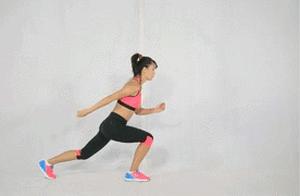
Posture: Keep your upper body straight—neither leaning forward nor backward—do not let your head droop or rush forward, and your arms should relax naturally with the rhythm of running. The step width can be determined at will, as long as you feel comfortable and don't feel tired. To fully play the role of the knee, the toes should always face the direction of the running forward.
Breathing: If you take a deep breath from your abdomen, that's right. Note: You must consciously exhale to remove the used air from the lungs. For beginners, it often feels constrained and breathing is shallow.
In addition, if you run too fast, the stabbing pain may occur on the side of your chest. Therefore, it is recommended to run while you can also relax and entertain yourself.
Running time:
When starting, it's best to run for one minute and walk for one minute for a total of 15 minutes. When in the second and third weeks, you can gradually increase the amount: run and walk for 20 minutes. When in the fourth week, increase it to 30 minutes. The goal is to have 2-3 hours of long-distance running per week, completed in 3-4 days. The best training before exercise is to do some stretching exercises.
Comfortable clothing, let you run more comfortably.
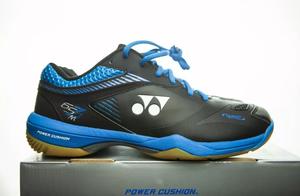
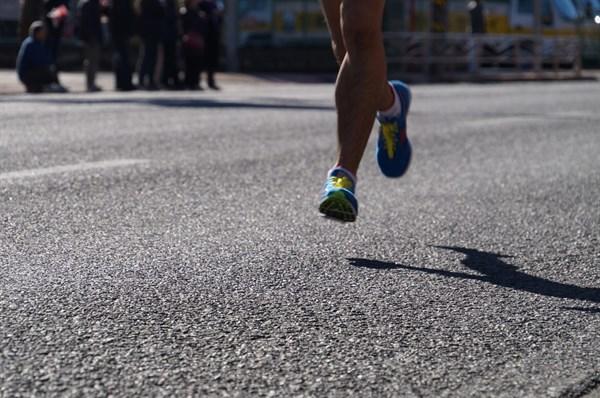
The long-distance running shoes should have elasticity five times the weight of the body. It must be noted that the shoe cover material should be firm, and the sole should be flexible. The heel should fit snugly and be low (this is to protect the heel joint). The length of the shoe should not be exactly the same as the foot, but should leave about 1CM space in front to allow the toes to move. When trying on shoes, it is best to try on with the matching socks. The best time to buy shoes is in the afternoon, because at this time the feet are slightly swollen, so the shoes tried on at this time will not be small later. It is also important to listen to the opinions of experts.
Do not run on cement, asphalt and gravel surfaces.
These surfaces are not as soft as forests, grasslands and parks.
Wear less clothing, and you'll run more comfortably.
Basic clothing includes: a cotton-padded round neck long-sleeved athletic shirt (preferably with a hat), long-distance running pants or leggings. In winter, you still need to wear a breathable jacket and gloves.
()