Women Shouldn't Fear Kettlebells Hitting Their Arms - These 4 Exercises Will Make You Just as Cool!

In the 20th century, Russian scientific research found that repetitive kettlebell training was one of the most effective ways to comprehensively improve a trainer's physical fitness. In 1986, a study conducted by the Lesgaft Sporting Culture Institute in St. Petersburg surprisingly discovered that the total load of kettlebell training was highly correlated with the strength lifts performed, grip strength tests, strength endurance, and general endurance.
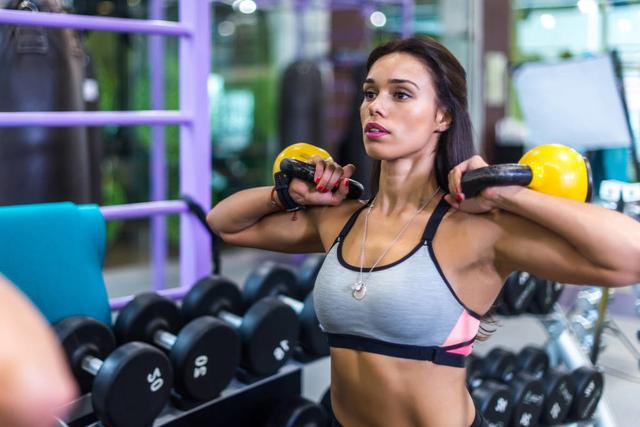
Now, kettlebells have gradually entered the field of popular fitness. You can easily find many people training with kettlebells in the gym. When you grip the handle of the kettlebell, you will find that the center of gravity is biased outwards, and when you swing the kettlebell, you will feel the uniqueness of kettlebell training, which is completely different from the feeling of holding dumbbells.

Due to the fact that large kettlebells are difficult to balance due to the deviation of their center of gravity outwards, they are not very friendly to women, often causing their arms to be bruised and purple, which is one of the reasons why many women are unwilling to do kettlebell training.
Don't worry, below we have selected 4 kettlebell exercises that women can train, allowing you to easily get started even if you have never used a kettlebell before. Please complete each exercise with the specified number of repetitions, and perform a circuit training of 3 sets.

Exercise 1
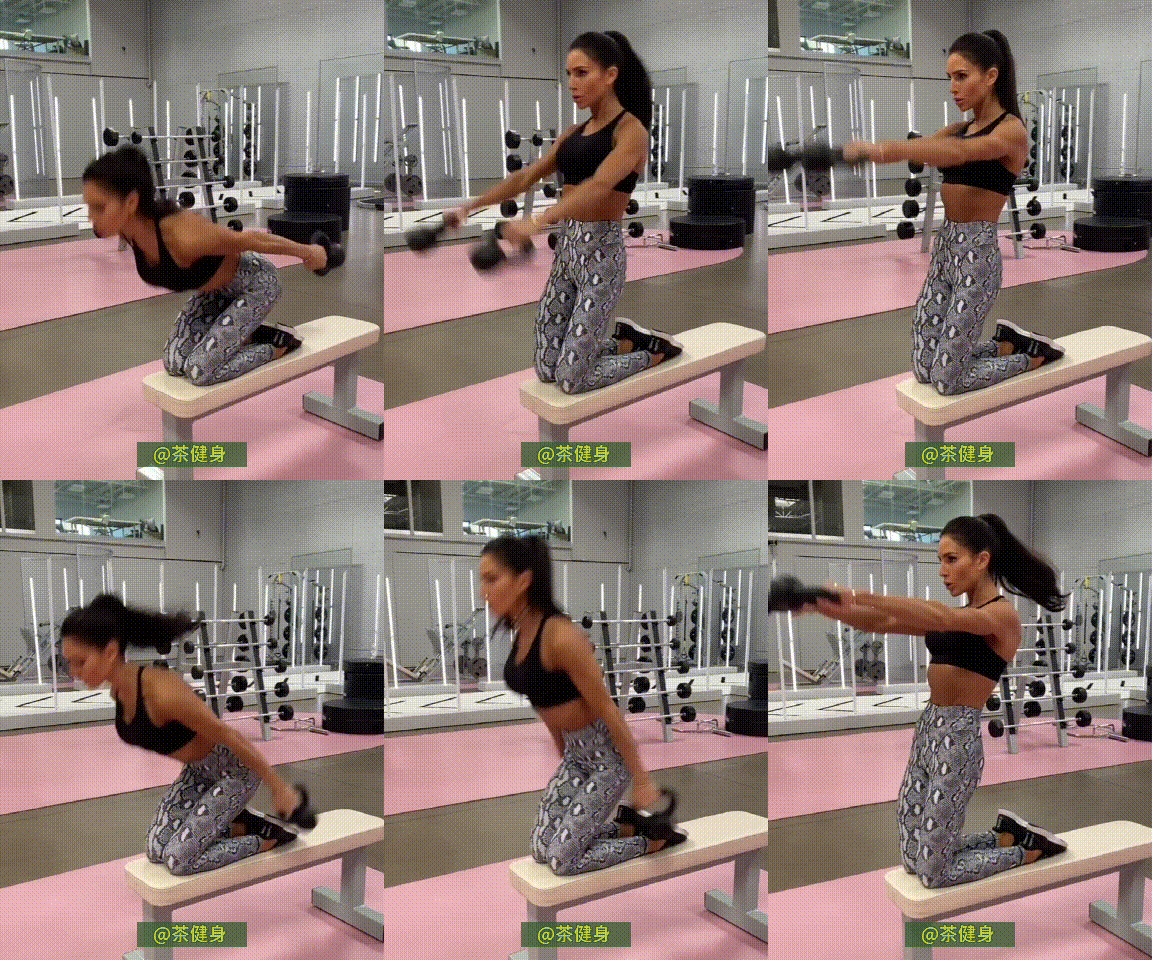
① Kneel with your hips on the decline bench, and each hand grips one kettlebell placed on either side of your body.
② Move your hips backward to sit, bend your hips to lean forward while simultaneously gripping the kettlebell and swinging it backward, then straighten your body by moving your hips, while simultaneously swinging your hands forward.
③ Note: when bending your hips, do not bend your upper body, keep your back straight.
④ 15 repetitions
Exercise 2
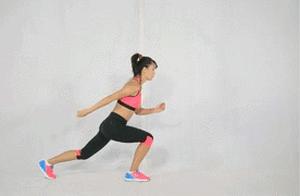
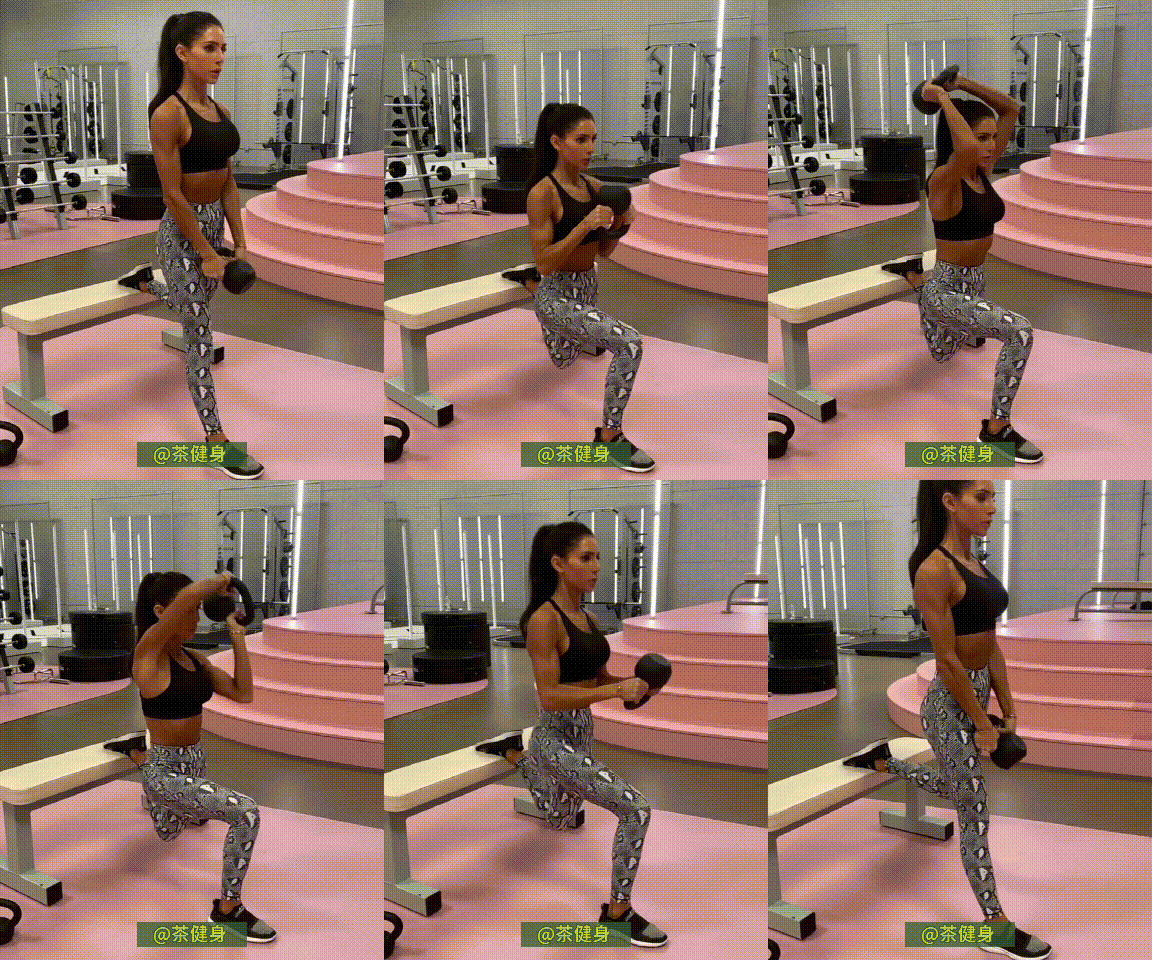
① Stand with one leg raised to the side on a decline bench with your right hand across your waist and your left hand gripping the kettlebell.
② Bend your knees and squat down, while simultaneously swinging your left hand forward to a height parallel to the ground. Stand up and swing your left hand back. Train 12 repetitions on each side.
③ When squatting down, support your knee joints so that they are aligned with your toes. After squatting, your lower legs should be vertical and your thighs should be parallel to the ground.
④ 12 repetitions on each side

Exercise 3
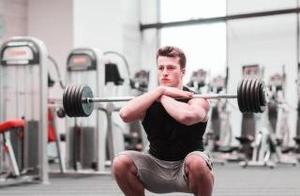
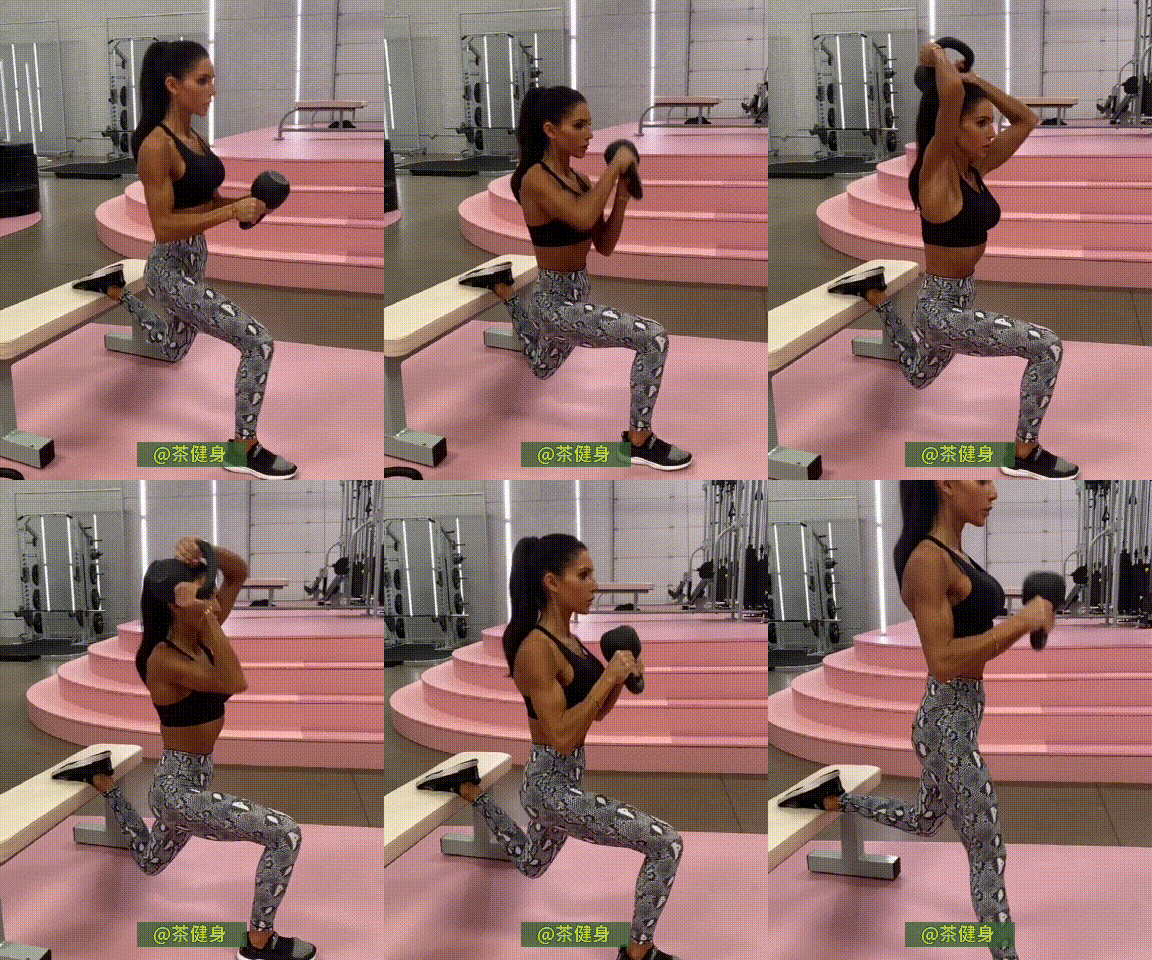
① Stand with one leg raised to the side on a decline bench with your left hand gripping the kettlebell handle on either side in front of you.
② Bend your knees and squat down, while simultaneously bending your elbows to lift the kettlebell in front of your body, then grip the kettlebell and rotate your head in a clockwise direction, then stand up and lower the kettlebell with your hands. Then rotate your head counterclockwise.
③ When squatting, keep your supporting leg knee joint aligned with your toes.
④ 10 repetitions on each side
Exercise 4
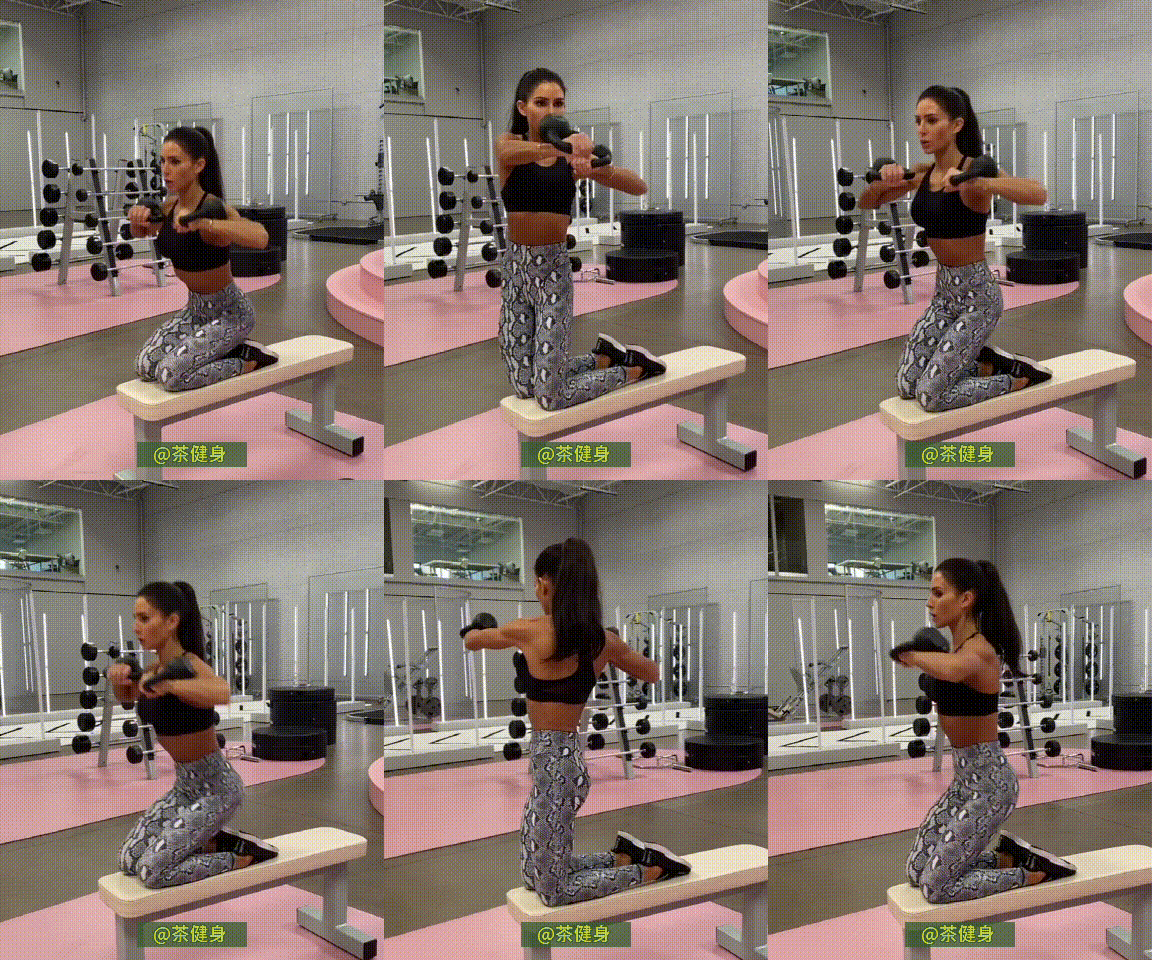
① Kneel with your hips on the decline bench, and each hand grips one dumbbell with your elbow bent, holding it in front of your body, using your little arm to support the kettlebell.
② Move your hips back to your heels, stand up and stand up, while your body turns to the left side, while your right hand supports the kettlebell to extend to the right side, return to your right hand, straighten your upper body, then sit back to your heels. When you stand up, turn to the right side to train.
③ When turning, pay attention to keep your pelvis stable, use your thoracic spine to turn, avoid the movement of your lumbar spine.
④ 12 repetitions on each side
Reference materials:
Kettlebell Training Handbook, Beijing Science and Technology Publishing House, 2020