Anatomy of Movement - Gluteus Minimus (16)
Location and Structure:Deep to the Gluteus Medius, a fan-shaped muscle, with all muscle fibers fused with those of the gluteus medius, and with the same morphology, function, insertion points, and nerve innervation. It causes long-distance discomfort, frequently involving hip and leg discomfort.
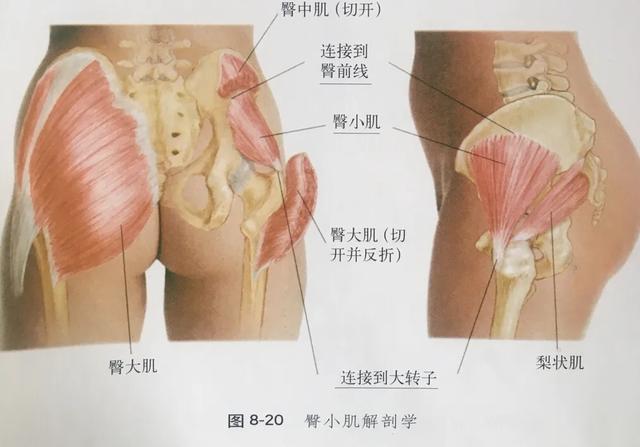
OriginatesBelow the anterior crest of the pelvis, on the posterior iliac crest, gradually forming a flattened tendon.InsertionAbove and laterally on the gluteus maximus, with an inconsistent gluteus medius rotator pouch, which facilitates hip abduction and internal rotation.
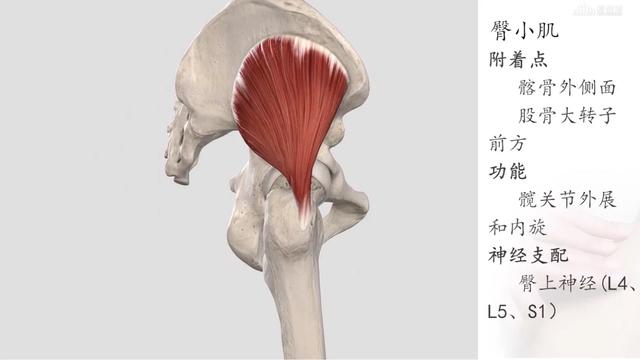
Function: One,Abduct the thigh. When both legs are standing, the gluteus medius and medius muscles prevent the femoral head from dislocating from the pelvis.
Two,When one leg is standing, the gluteus medius and medius muscles on the standing side prevent the pelvis from tilting downwards to the contralateral side.
Three,When the limbs hang down, the gluteus medius and medius muscles act as a suspension function, preventing the limbs from falling and the joint capsule from expanding.
Nerve Innervation:L4-S1 nerve from the superior gluteal nerve
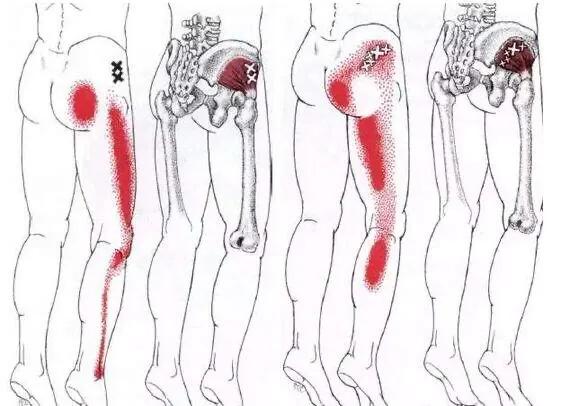
Symptoms: One,Posterior discomfort on the buttock and leg. The culprit of pseudo-sacral nerve t,
Two,Discomfort in the buttock when walking, difficulty getting up from a chair, walking with a limp to alleviate discomfort, difficulty turning over at night.
Three,Gluteus medius strain is a very t condition and can be long-lasting. Any area within the associated region can present with wood-like points if present, except for leg discomfort. Dispersed pressure points can also occur in the buttock.
Four,Prolonged sacroiliac joint misalignment and the resulting discomfort often originates from the gluteus maximus and gluteus medius. If the sacroiliac joint is repeatedly adjusted without lasting effect, consider the gluteus medius.
Falls, sports activities, prolonged sitting, excessive running and walking will all cause gluteus medius strain. Discomfort in the leg, knee, and ankle will affect posture and gait, placing excessive stress on the gluteus medius. When one leg bears independent weight, the same side gluteus medius experiences double the force.