Ancient Weight Loss Practices Were More Ruthless Than We Think!
Recently I saw a very interesting article, it turns out that ancient Chinese people were even more ruthless in their weight loss efforts, even to the point of death…
Today I'd like to share with you all, the human history of weight loss from ancient times to the present
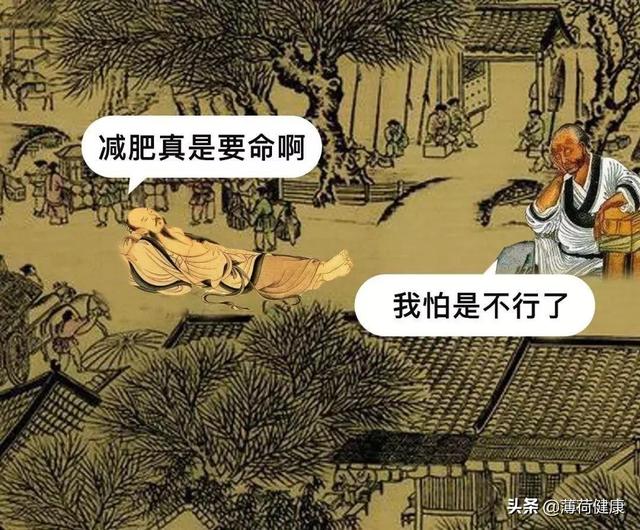
The Stone Age, the first spring for fat people
If your history class isn't taught by a physical education teacher, you should know that in the distant Stone Age, there used to be a female-dominated 'matriarchal society' with a focus on robust women
Although the environment was harsh at the time, it was very friendly to husky-bear-waisted women

Because hunting was the main way of survival, only those with strong physiques could hunt for food, and most people were always hungry and thin. According to the 'scarcity is precious' law of human nature, plumpness naturally became a desirable aesthetic
Isn't it a delightful sense of self-esteem~

However, this 'fairy tale' quickly ended
Because as humans entered the agricultural civilization, we no longer needed to hunt to fill our stomachs, and people's aesthetic requirements gradually shifted from plumpness to thinness… (The damn agriculture)
So, if you want to be treated like a beautiful bride, then go back to the Stone Age~
During the Spring and Warring States period, there was a proverb that still circulates today: 'The King of Chu has a slender waist, and many die of starvation in the palace'
This refers to the fact that the King of Chu liked women with slender waists, and the beautiful women in the palace desperately tried to lose weight and thin their waists
Then, people often died of starvation trying to achieve a slender waist
.....(probably mostly due to anorexia)And this 'national slimming movement' spread to men like me as wellAccording to historical records, in the Chu Kingdom, any minister with a slender waist could get promoted, while obese officials would be dismissed or even executed
So, scholars began to diet and join the 'slim and survive' movement
Now it seems that this pursuit of thinness is meaningless

But the aesthetic concept of 'thin is beautiful' seems to have just slipped into the historical stage in a haphazard way
In the Tang Dynasty, the 'plump is beautiful' aesthetic returned, because the Tang imperial family had a history of integrating with the Khitan nomadic blood
Naturally, the aesthetic would blend the nomadic ethnic group's 'muscular concept'. But don't think that the Tang Dynasty just loved fat people!Because the most famous 'fat empress' Yang Guifei was not truly obese!
Recently, scholars have used modern genetic reconstruction technology to deduce
Yang Guifei's height and weight were approximately 1.65 meters and 60 kilograms, which is basically the plump or slightly fat shape that most men like today
So, slim ladies, remember—'Thin is beautiful' is not obesity, but plumpness

This isn't just in China, foreigners have also dedicated themselves to weight loss
For example, the ancient Egyptians, who valued thinness, didn't lift weights, butThey took laxatives...
More surprisinglyAncient Egyptian doctors believed that laxatives were a panacea, and even genuine diarrhea was treated with laxatives


(Like a veteran treating poison with poison) ...
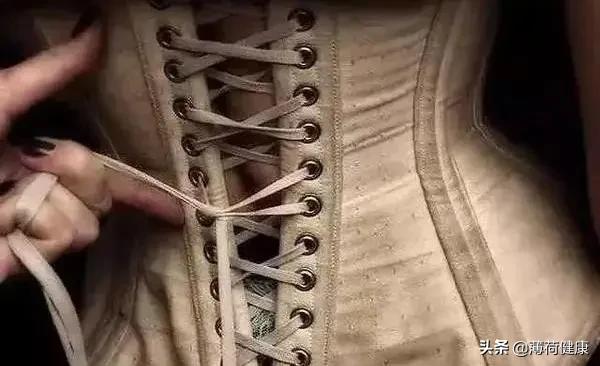
During the Middle Ages in Europe, people invented the waist-binding tool... And the waist-binding was not as comfortable as the one we have now, it was mainly made of wood and metal bars
For example, Princess Sybilla insisted on waist-binding every day, and if her waist circumference increased by even a little bit, she would stop eating and starve herself, even if she was pregnant, she would use waist-binding to maintain her waist circumferenceTruly, women can do anything for thinness!People have finally begun to pay attention to the calorie intake of food, rather than what food they are eating
He wrote in the book:'You should use the word 'calorie' as much as possible, so when you eat, you'll feel you're consuming calories, instead of just eating a piece of bread or a pie.'By 1920, not only were low-calorie recipes beginning to appear, but familiar weight-loss pills and weight-loss exercises also emerged. This marked the beginning that people's understanding of weight loss became scientific

Ultimately, it was because industrial development changed people's lifestyles, and the middle class began to pursue thinness, so they desperately pursued it
20“”191820...
“”
19020