Self-studying Tai Chi ≠ Imitating Forms: Avoiding This Misconception?
Many enthusiasts who have practiced or are starting to practice Tai Chi have such a misconception: learning Tai Chi is just imitating a set of Tai Chi movements. This misconception is very dangerous. Many practitioners because they haven't stepped out of this misconception, they actually turn Tai Chi into a Tai Chi exercise, losing its proper fitness effect.
What really matters for those who want to learn Tai Chi properly is that if you self-study, it's a high-risk activity. The first danger is to the knee, requiring many rules and regulations to be combined, otherwise Tai Chi will not damage the knee. Besides the most basic non-kneeling, there are also small legs that need to be straight when practicing solid legs, and the center of gravity needs to be stabilized when practicing single legs, and the buckling of the knee, etc.,
This is a problem that beginners to Tai Chi will encounter. If not careful, it can damage the knee or leg. Therefore, I suggest that unless you have particularly good innate perception and athletic ability to learn and understand various key points like a super scholar who can quickly read and understand various materials, most enthusiasts who want to learn Tai Chi must find a good teacher.
The three taboos for beginners to Tai Chi are: First, don't be greedy for forms; second, don't seek Qi; third, don't seek God.
First: Don't be greedy for forms
Many people learn Tai Chi by learning a set, then another set. Some learn the old frame of Chen style, follow it to learn the second frame, Yang style, learn the four eight frame, some also learn Tai Chi sword, etc.
For beginners, this type of learning has little practical value. In the initial stage of Tai Chi, what you're learning is the rules, disregarding the rules of Tai Chi, it's even worse than learning a gymnastics set. If you don't carefully practice the rules, learning one set after another is like learning one set after another of low-quality gymnastics. When practicing the rules, having one set can provide a space for practicing the rules, which is OK.
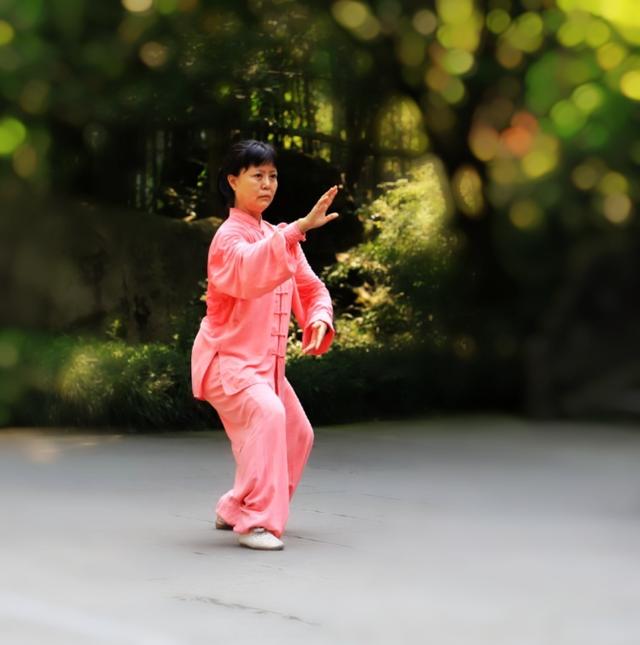
Second: Don't seek Qi
Some people learn Tai Chi with an idea like learning Qi Gong, thinking about Qi all the time, and they're often very sure that they feel something similar, but in fact, it has no benefit. Qi is an important and core part of Tai Chi, but it's not something beginners can directly practice. Before the rules are well-established, practicing 'Qi' is either true or false, and it can be harmful or beneficial. The feelings you have about this are best ignored.
Third: Don't seek God
Some people learn Tai Chi with an idea like practicing meditation. Yes, Tai Chi has the effect of cultivating the body and mind, and can relieve stress and regulate mood, etc. Tai Chi's in-depth cultivation also requires a high level of quietness to accompany it.
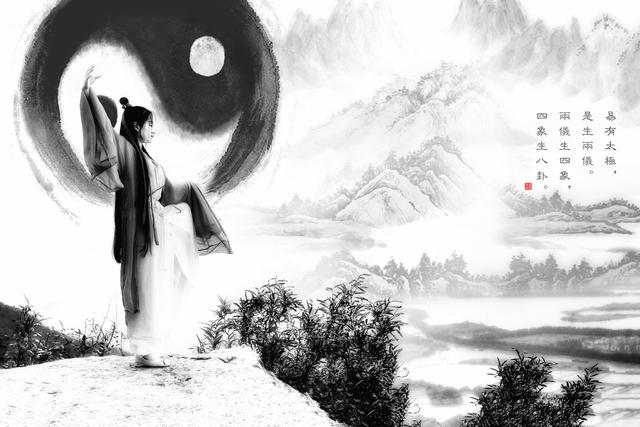
However, many people's 'quietness' is actually just enjoying the feeling of slow, steady, and smooth movement in Tai Chi, which is a feeling of relaxation, comfort, and contentment, and perhaps a slightly better view of the surroundings. This kind of thing, if you have nothing to do in the afternoon, you can go to the sun for a while, or take a walk, you'll probably have a similar feeling.
Here are two problems: First, this 'quietness' is far away from true meditation, and it doesn't provide much benefit to improving 'quietness'. True meditation requires practice according to meditation methods. Second, this 'quietness' hinders the cultivation of rules. The rules of Tai Chi are difficult to cultivate, far more difficult than learning a scientific theorem. If you scatter your thoughts in this 'quietness', how can you cultivate the rules?
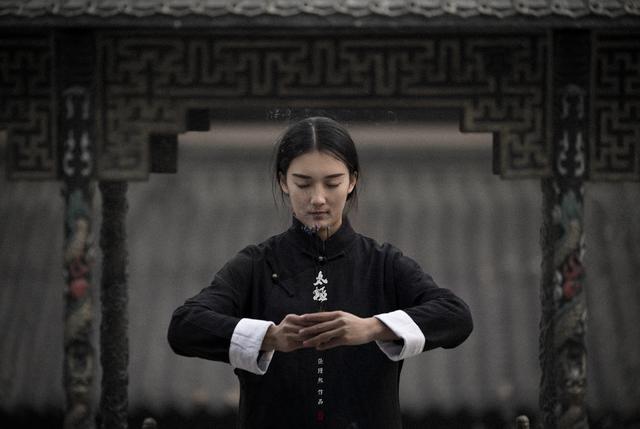
This passage talks about three taboos, which are actually about one thing: wanting to enter the gate of Tai Chi, the most important thing is to cultivate rules, for beginners, don't have anything else outside the rules, of course, some basic exercises are important, such as stretching, but this is all for the sake of rules. As for the content and understanding of the rules, it's best to ask a teacher or consult reference materials.
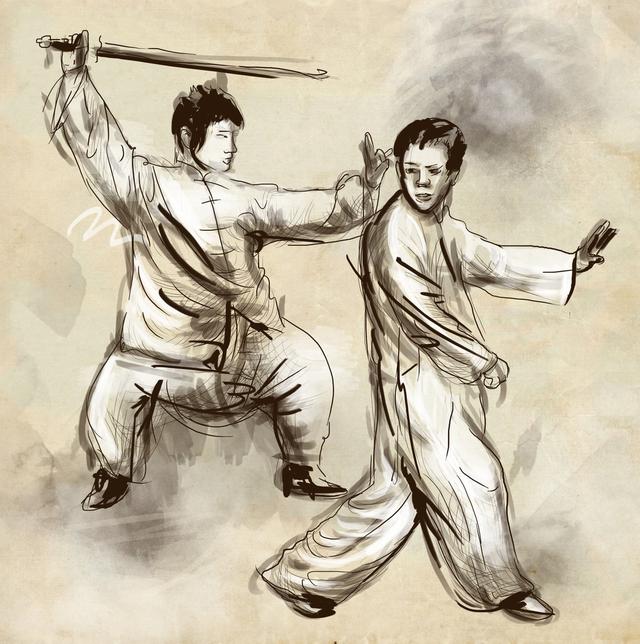
Tai Chi is a vast and profound traditional martial art. Its movements may seem simple, but the inner content is extremely rich. The Tai Chi world has a theory of three levels of cultivation: mastering the forms, understanding the strength, and attaining divinity. If you only learn Tai Chi by imitating sets of Tai Chi forms, you may not even reach the first level of mastering the forms.