Lack of exercise of the large round muscle will cause rounded shoulders, hunchback and forward head posture
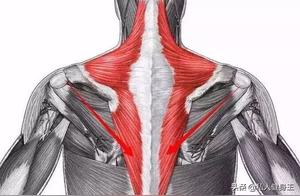
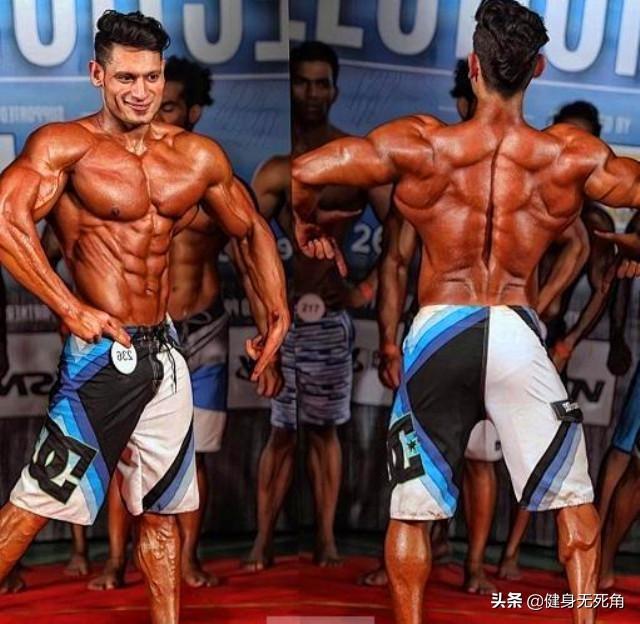
The large round muscle belongs to the back muscle group, and it is closely connected with the latissimus dorsi. It plays an important role in increasing the width of the back. Its entire shape is columnar. During movement, it is responsible for the inward rotation of the shoulder joint, adduction and extension. The large round muscle and the latissimus dorsi have almost the same function for the joint, so the large round muscle is often called the 'small assistant' of the latissimus dorsi.

Why does the large round muscle hurt after doing pull-ups?
1. When we do pull-ups, if the angle of the elbows extending outwards increases, it will cause the large round muscle to participate more, and the muscle tension will increase, so pain will occur. 2. When performing the action, focusing on the large round muscle makes it reduce attention to the latissimus dorsi, so the stimulation of the large round muscle increases. 3. When the body rises upwards, the extension of the elbow joint backwards is too much, causing more opportunities for the large round muscle to exert force, reducing the stimulation of the latissimus dorsi, leading to pain.
It is obvious that the training of the large round muscle directly affects the latissimus dorsi. If you want your back to become wider, you naturally can't do without the practice of the large round muscle. Let's experience the 3 exercises specifically for training the large round muscle below.

I: Barbell Bent-Over Row
Target Muscle:
The muscles on the sides of the latissimus dorsi (large round muscle)
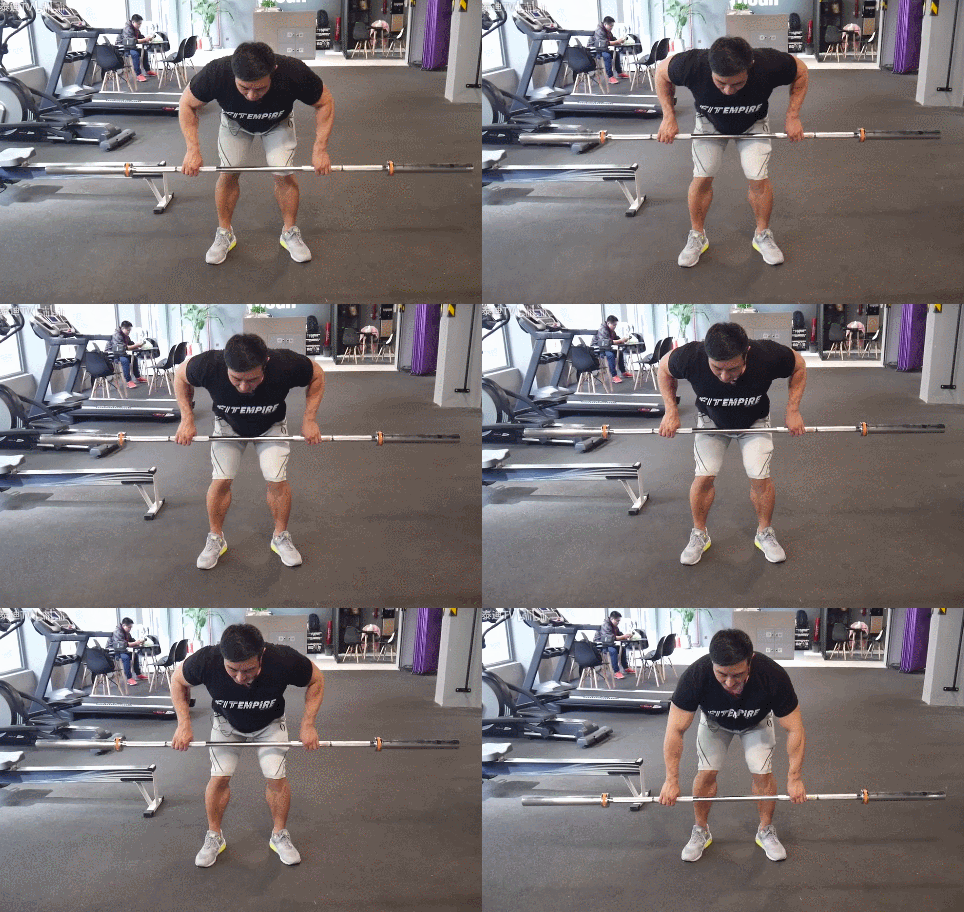
Action Preparation:Bent-over position, hips back, knees slightly bent, hands wide grip of the barbell, arms down straight, chest up, eyes downcast, contract abdominal muscles.
Action Process:Arms are clamped to the sides of the body, concentrating the force of the large round muscle, pulling the barbell along the thighs towards the abdomen, holding the high point for 1 second, then slowly lower the barbell back to below the knees, repeat the action.
Precautions:Maintain the stability of the body, the arms move upwards or downwards along the straight bar, tighten the abdominal muscles, focus on the large round muscle.
Training Intensity:Do 3-4 sets, 8-10 reps per set.
II: Seated Rope Straight-Arm Pull-DownTarget Muscle:
Large round muscle
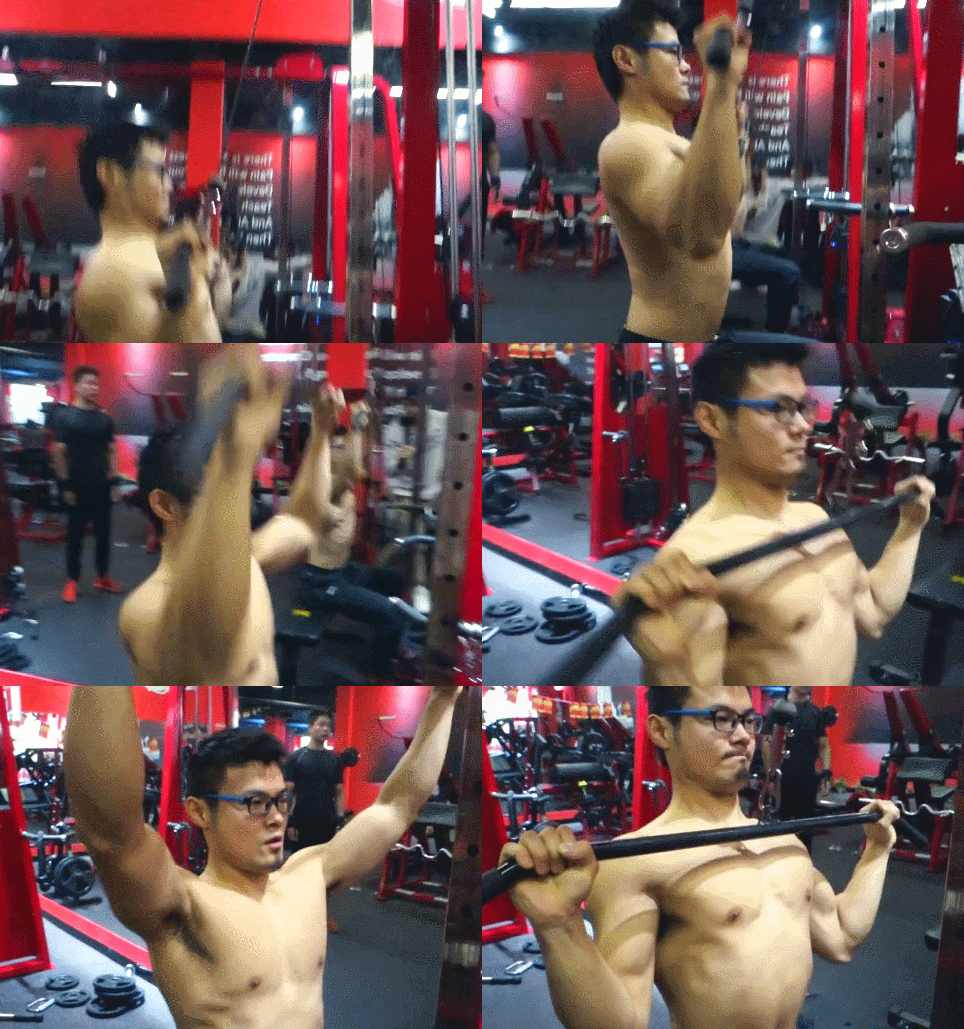
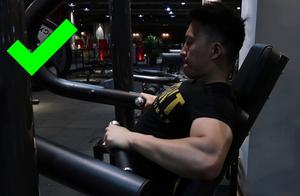
Action Preparation:Sitting position, feet supported on the ground, arms straight upwards, wide grip of the straight bar, back kept straight, contract abdominal muscles.
Action Process:Use the force of the large round muscle to pull the straight bar downwards, lowering it to the collarbone and thoracic spine, hold the action for 1 second, then slowly return the weight to the starting point, repeat the action.
Precautions:Throughout the action process, maintain the stability of the body, keep the back straight, the spine is in a neutral position, do not lock the hands, focus on the large round muscle.
Training Intensity:Do 3-4 sets, 10-12 reps per set.
III: Bent-Over T-Bar RowTarget Muscle:
Upper back muscles (large round muscle)
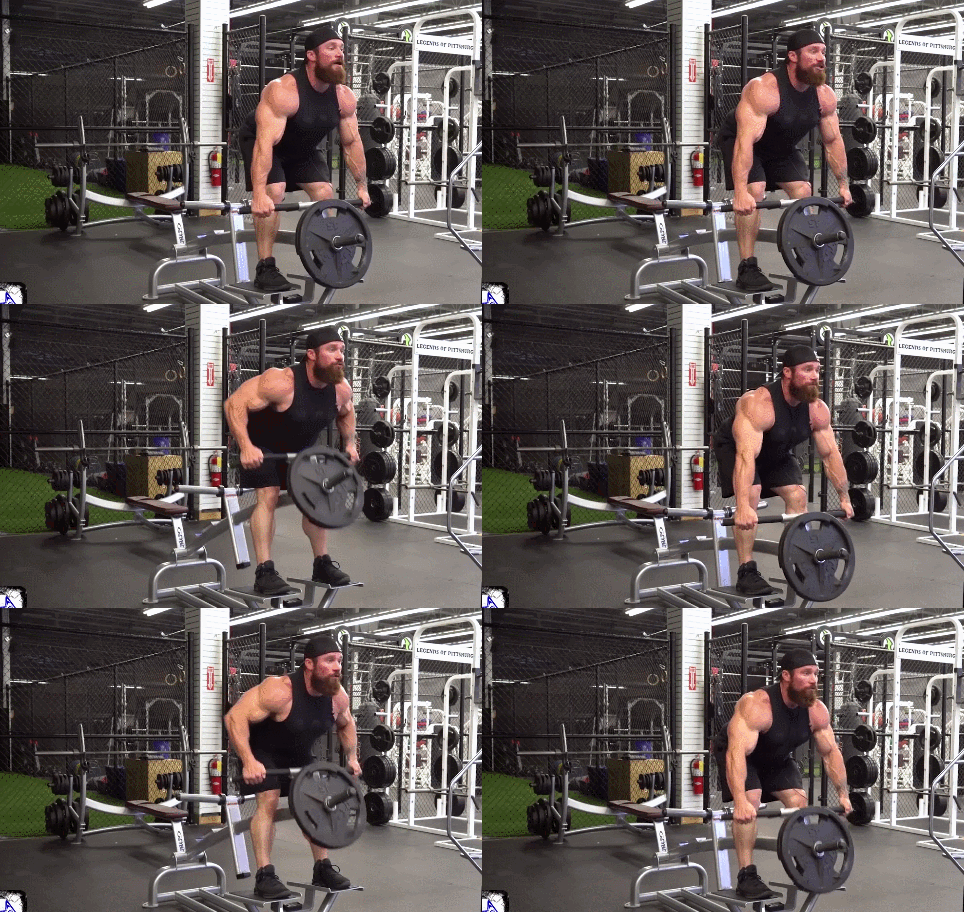
Action Preparation:Bent-over position, hips back, knees slightly bent, hands wide grip of the T-bar, arms down straight, chest up, eyes downcast, contract abdominal muscles.
Action Process:Maintain stability, pull the T-bar upwards with strong muscle force of the back, hold the highest point for 1 second, then slowly lower the T-bar back to the starting point, repeat the action.
Precautions:Throughout the preparation process, the posture remains unchanged, tighten the abdominal muscles, the upper arm is close to the body's movement.
Training Intensity:Do 3-4 sets, 8-10 reps per set.
The above 3 actions suggest that the frequency of training should be 1-2 times per week for isolated exercise, and each action should rest for 1-2 minutes, and there should be no interval between the groups, so that the training effect can be obvious. If the large round muscle is not trained, it will cause rounded shoulders, hunchback and forward head posture. Of course, strengthening it cannot be neglected, but good habits should also be cultivated, such as not sitting at a desk for a long time, not looking at mobile phones or computers for a long time, or lying flat.3-48-10
31-21-2