Why Biceps Don't Grow Big? Avoiding 4 Mistakes is More Effective
Introduction
For fitness enthusiasts, full and bulky arms are essential, especially when bending the elbows, with prominent muscle peaks, which will produce a stunning visual effect, and arm circumference has also become a standard for measuring training results. Therefore, many trainers can ignore leg training and back training, but biceps are a must. But it is not as imagined that training biceps is not easy, which is largely due to defects in the action. The following types of errors appear in 90% of trainers, but most trainers have not noticed.
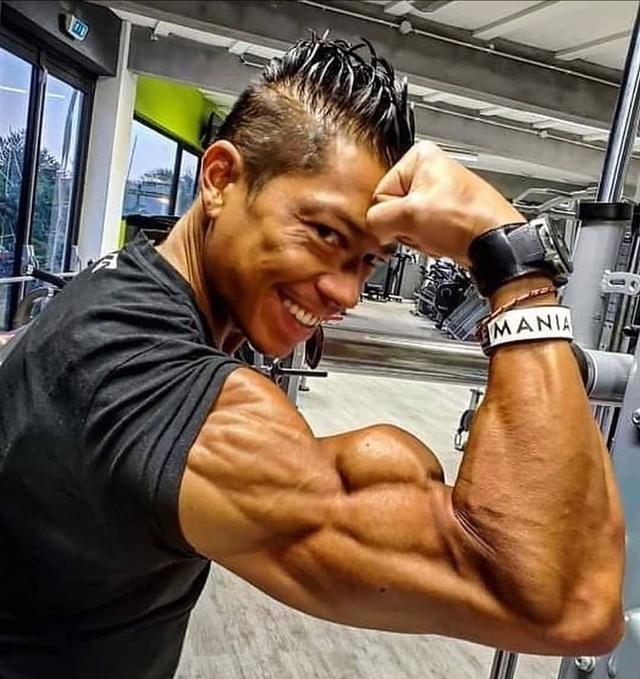
1. Isolated training becomes composite training. This is a common error and difficult to detect. Theoretically, the biceps muscle is relatively small, so various types of curls should be classified as isolated exercises. However, due to excessive weight, weak control, etc., trainers inadvertently involve the anterior bundle of the deltoid, the upper portion of the trapezoid and the forearm muscle groups, thereby reducing the pressure borne by the biceps. In particular, the activation of the forearm muscle group is the most difficult to detect.
- Anterior bundle of the deltoid: This is caused by excessive elbow forward movement, at this point the action is no longer centered on the elbow, but centered on the shoulder, and the forward displacement will transfer the tension borne by the biceps to the shoulder. You should try to keep the elbow in the same position, do not sway forward or backward, if it is difficult to achieve consciously, you can achieve it by reducing weight or artificially fixing it, such as performing slant board curls.
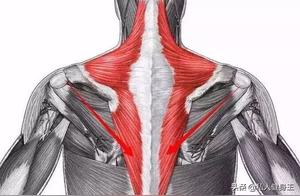
- Upper portion of the trapezoid: This is usually caused by shrugging shoulders. Shrugging shoulders is often caused by a large difference between the strength of the biceps and the training weight, and it is also likely to occur near the end of the exercise when close to fatigue. It is a compensatory action to help the trapezoid muscle complete the action. You should lower your shoulders before the action starts, and holding your chest up will also cause shoulder shrugging, so the initial posture before the action is very important.
- Forearm muscle group: In terms of space, the forearm connects the palm through the wrist, and the hand grip function of the hands is carried out by the forearm muscle group. Therefore, many trainers think that forearm activation is self-evident, but it also shares the pressure borne by the biceps. In general, when curling, wrist rotation and excessive grasping will make the forearm activate excessively. You should use the standard to support the barbell or dumbbell, do not use force to grasp the equipment, if you have enough confidence, you can use a half-grip.
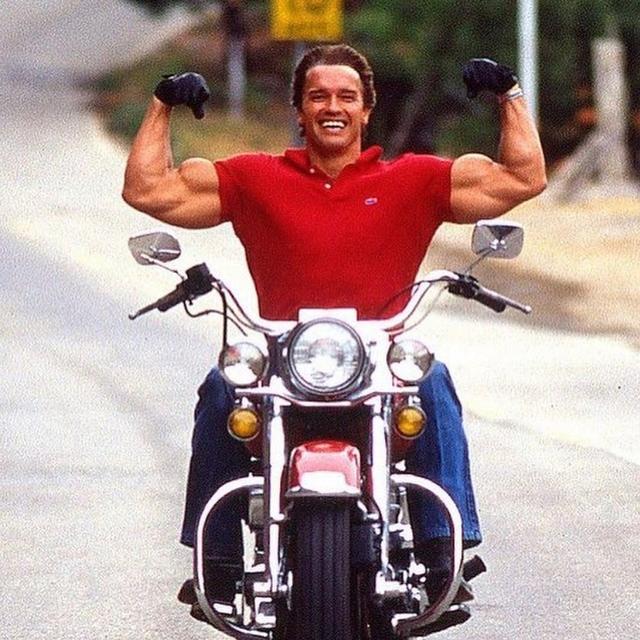
2. Incomplete action range. Half of the training can target a specific area of the biceps for targeted stimulation, and there are corresponding training methods, such as the '21-shot cannon'. However, this is not suitable for most trainers. In fact, from the perspective of strength and muscle growth, full-range movements are better than half-range movements, and they can accumulate more metabolic pressure. In addition to subjective efforts to perform full-range movements, it can also achieve full-range movements by adopting variational curls.
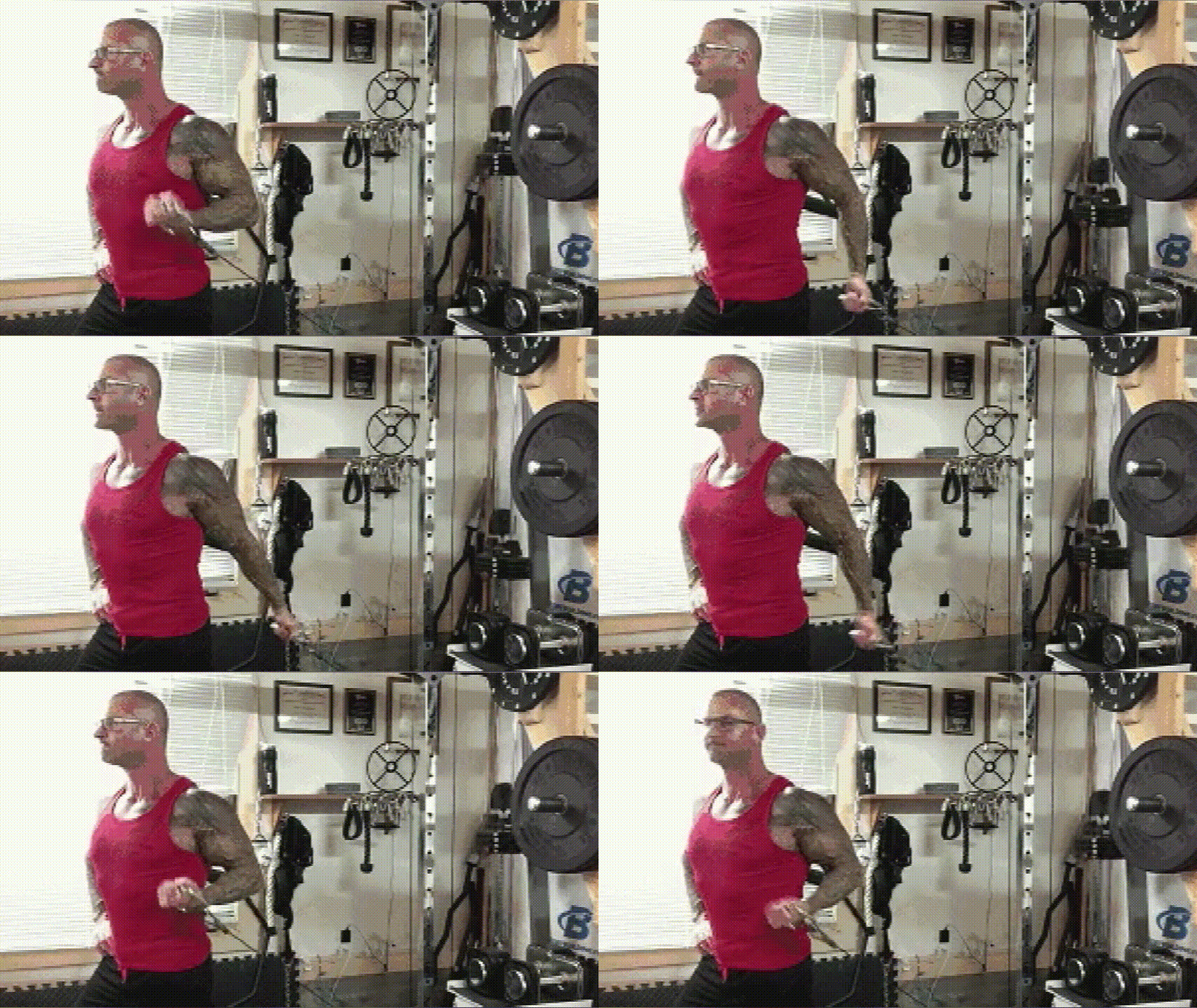
- Long-range curls
Using rope-based stands to complete. The handle of the rope should be located behind the body, and the body leans forward. At this time, the elbow position is behind the body, and there is no obstacle in the movement range of the handle, which can be completed completely.
- Vertical incline dumbbell curls
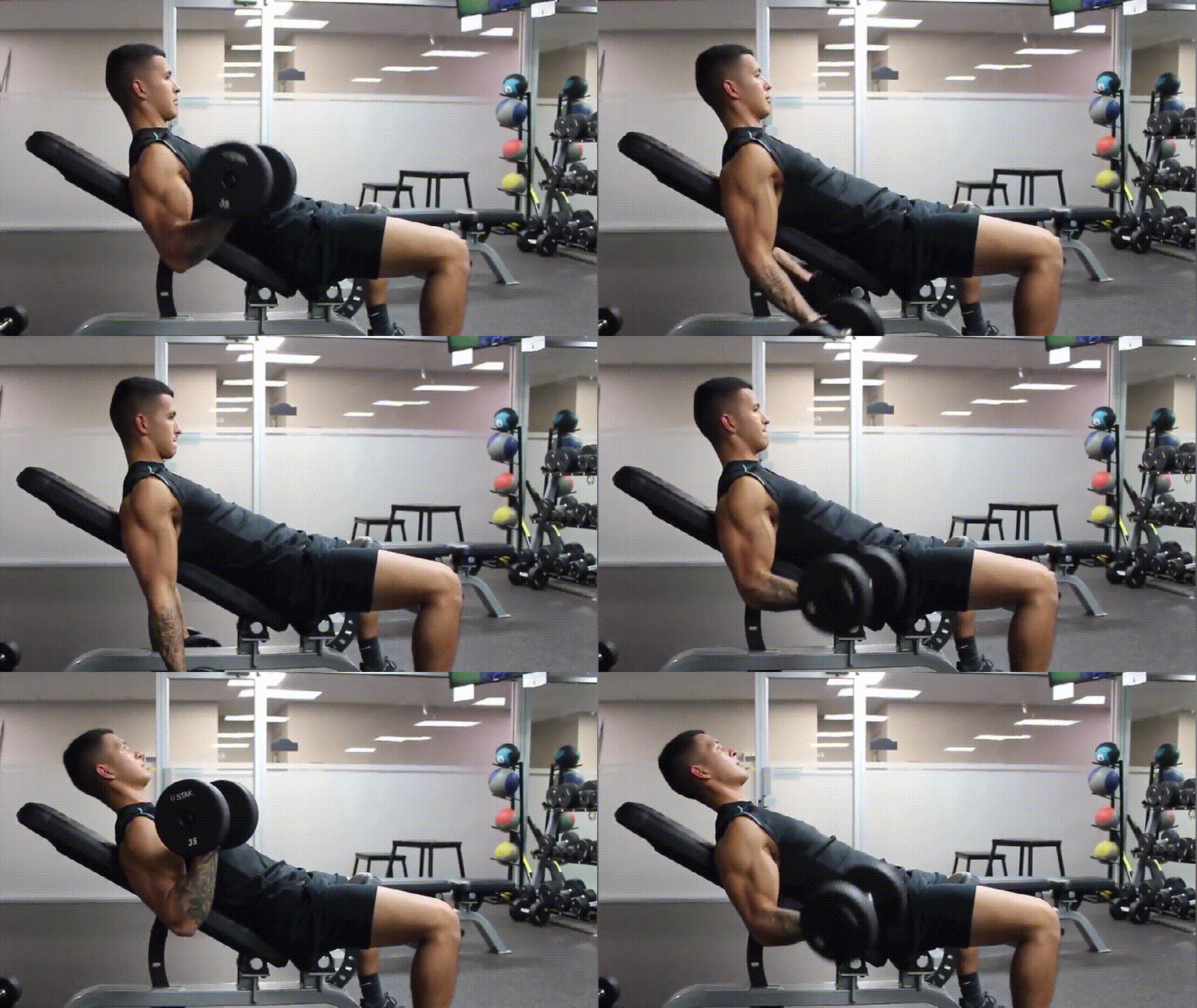
Adjust the backrest of the training bench to an inclined state, generally between 30-60 degrees, and adjust according to the flexibility of your shoulders. After that, let your arms hang naturally and curl the arms. The vertical incline posture can avoid the participation of the anterior bundle of the deltoid, increase the action range, and make the position of the elbow relatively backward to better stimulate the long head.
- A trick (intermittent suppression)
When in a straight-arm state, you can actively contract the triceps to fully stretch the biceps, so that the action is more complete.
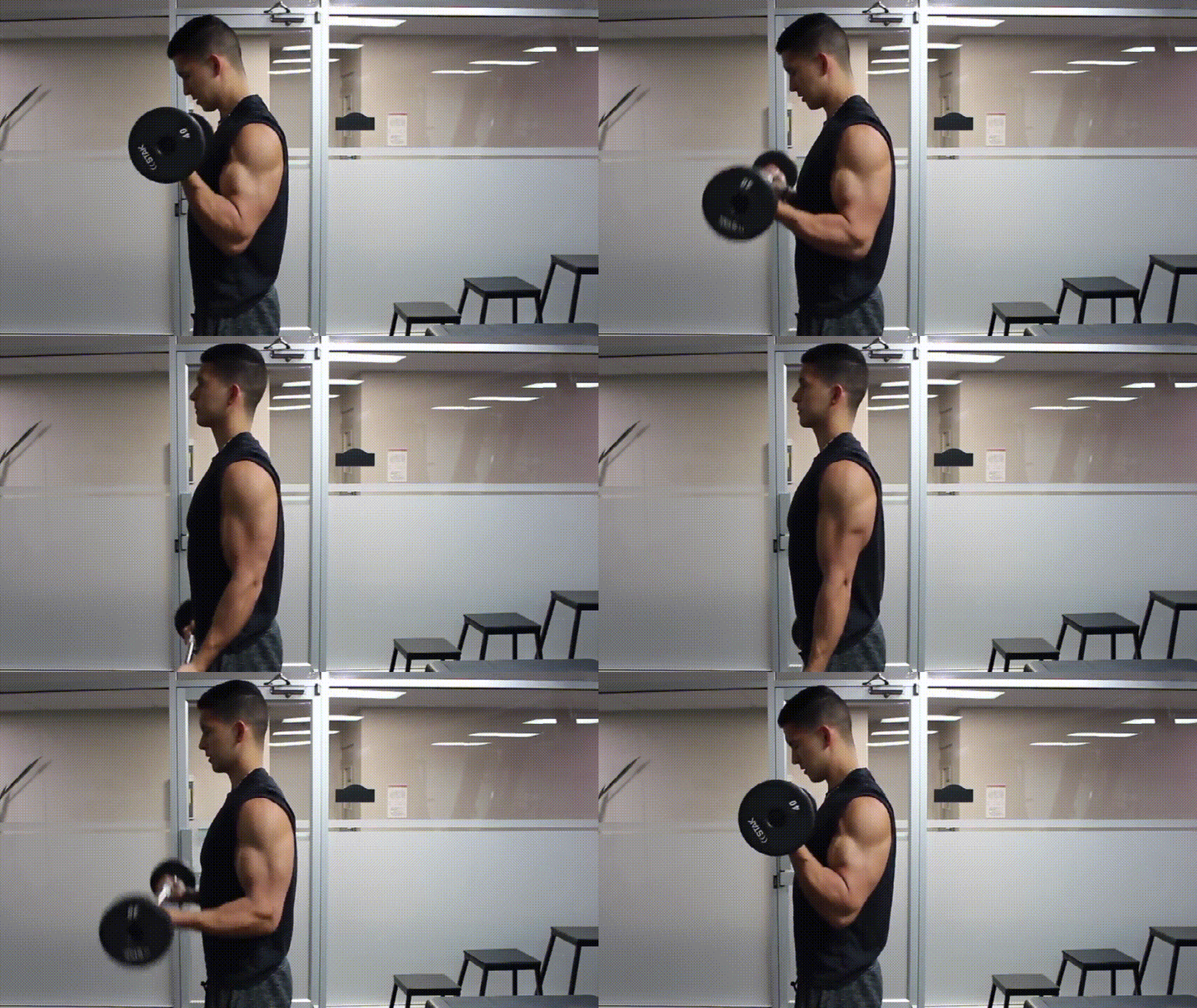
3. Ignoring the training of long and short heads. The biceps is divided into long head and short head, in the curl action with the elbow relatively forward, the short head can be well stimulated, but the long head will be limited in power, such as Roman chair curls, reverse-grip lat pulldowns; while in the curl action with the elbow relatively backward, the long head can be targeted to stimulate, such as the above mentioned ultra-long curl, so in training biceps day, do not be limited to one curl, you can first do a reverse-grip lat pull-down action with a large strength, then do ultra-long curls, this can accumulate metabolic pressure and also take into account the long and short heads.
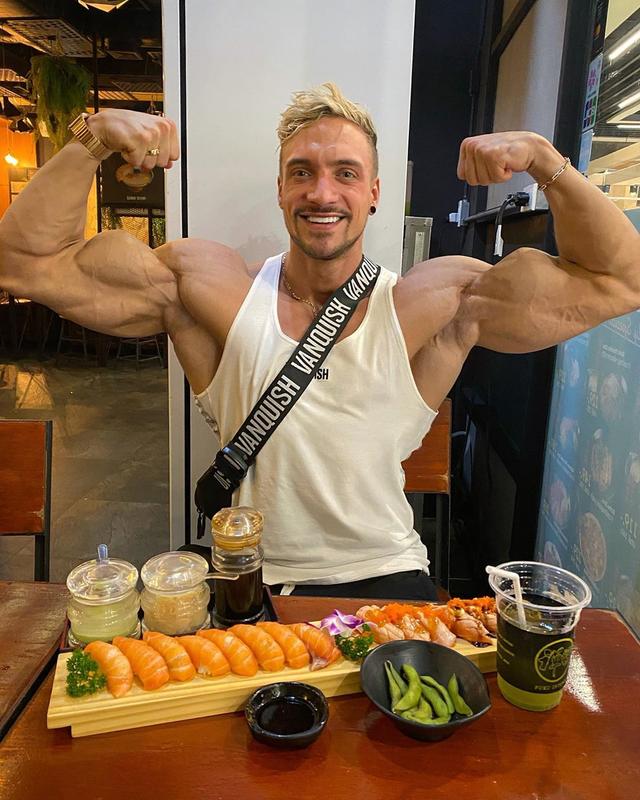
4. Excessive volume. After training, if the target muscle does not have obvious soreness, people will first think that they should increase the weight or number of times in the next training. The more they do this, the slower the growth of the biceps muscle will be.
- Biceps muscle participation in other actions
Whether it is upper body training or lower body training, the arms are involved in most actions, sometimes to stabilize the equipment, sometimes to assist in force generation, such as in rope rowing or lat pulldowns, so in chest day or back day, the arms should be in a resting and recovery stage, and adding isolated training will only backfire.
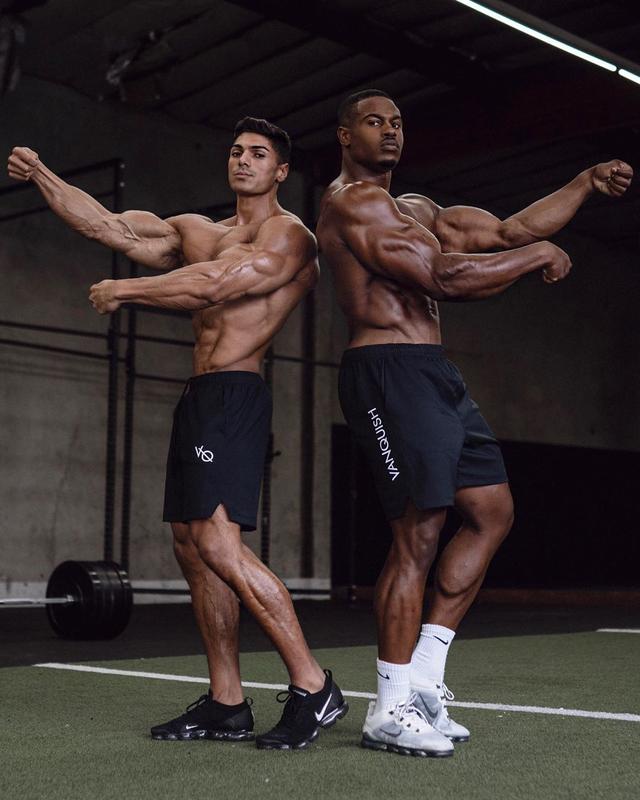
In common training actions, the biceps is mainly responsible for pulling actions, and the triceps is mainly responsible for pushing actions, such as bench press and barbell press. And the biceps and triceps are antagonistic muscles. Regardless of which muscle is fatigued, it will affect the power of the other muscle, so it is recommended to use the following training plan.
- Beginners: Interspersed leg training between upper body training to avoid the biceps being in a state of fatigue, for example, first train the chest, then squat, and then train the arms.
- Trainers with more than 2 years of experience: First, do pulling training, second, do lower body training, third, do pushing training, fourth, rest.

Conclusion
Biceps training may seem simple, but it requires certain action skills. For beginners, doing simple training may have obvious effects, but as the level of exercise increases, it is necessary to pay attention to the training method and action details, otherwise it will be stuck.