Achieve Weight Loss Easily and Sustainably
In my coaching career, my friends and clients asked me the most about weight loss, and these questions had one characteristic in common – they were repetitive and simple. Generally, people struggling with obesity are often fitness newbies, and some are long-time fitness enthusiasts who lack scientific theoretical knowledge. Today, let's chat about the top 10 basic suggestions I give to beginners for fat loss.

Don't blindly restrict your diet
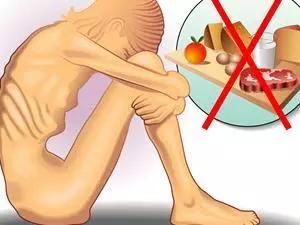
Dieting to lose weight is the most basic mistake, so I put it in the first place. Now it's 2020, and I hope everyone can keep up with the times and really don't want to see anyone losing weight by starving themselves. Healthy weight loss relies on creating a calorie deficit, not creating an 'intestinal deficit'.
Record your daily diet
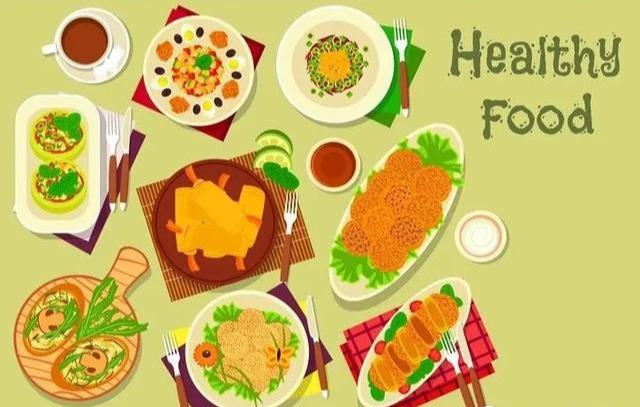
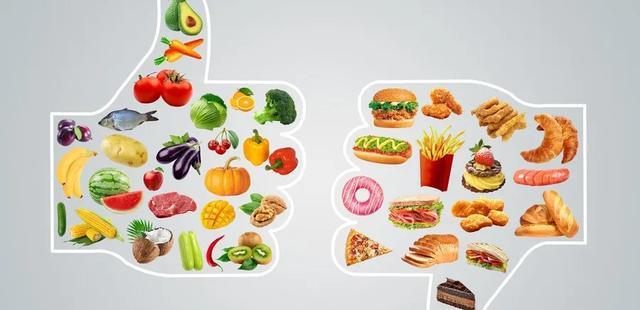
This is an effective strategy, but not a must. If you can develop the habit of recording your daily diet, it will be a very efficient thing for weight loss. Here, recording the diet doesn't mean simply recording how many dishes and how much food you eat, but recording the calories you eat every day.
Ensure adequate sleep
Eat, sleep, and train. These are the three essential elements that all fitness enthusiasts should pay attention to, and sleep is often the most easily overlooked. In terms of available training time, everyone should ensure 6-8 hours of sufficient sleep. Because adequate sleep can effectively relieve physical stress and help the body recover fully.

The most important thing is that good sleep can help stabilize the hormone levels of physical fitness, which is particularly crucial for fat loss. If you don't sleep well, it will lead to excessive secretion of stress hormones, such as cortisol, which are detrimental to weight loss.
Do strength training, then cardio

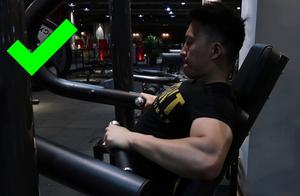
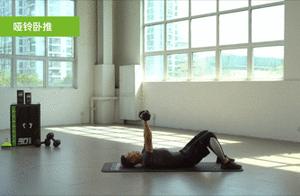
Strength training is important for fat loss because it helps us retain as much muscle mass as possible. Because if muscle mass decreases, our basic metabolic rate will decrease, and the body's basic consumption will decrease, making it difficult to lose fat. Conversely, maintaining more muscle mass will greatly increase our daily consumption, and the body can easily store fat even if it consumes a little more calories. Therefore, even if it's for the sake of eating a little more, we need to do more strength training!

Don't just do cardio exercises
Slow running, dancing, yoga, cycling, swimming – these exercises, when the intensity is not high, belong to cardio. Why don't I recommend doing too much cardio? Because during cardio, the body rarely calls in a large number of muscle groups to participate, and the principle of 'use it or lose it' applies. Coupled with low calorie intake during fat loss, it will lose most of the muscle mass, thus entering the previous suggestion about the vicious cycle. Furthermore, from a calorie consumption perspective, cardio is less effective than strength training.

Prioritize strength training, then cardio

If you really like cardio or want to maximize the heat consumption during each training session, I recommend you first do strength training and then do cardio, but the time should be mostly allocated to strength training, such as 1 hour of strength training followed by 15-30 minutes of cardio.
Don't just focus on weight
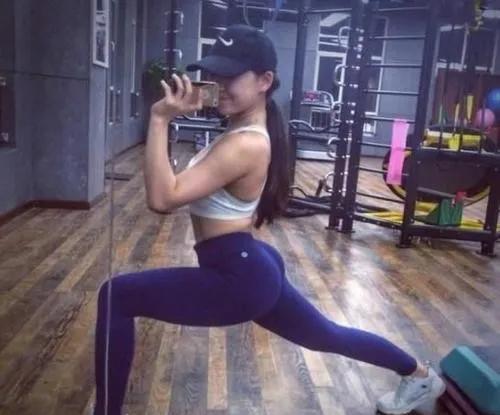
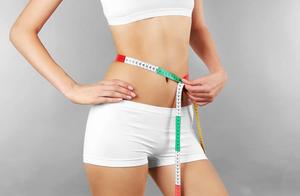
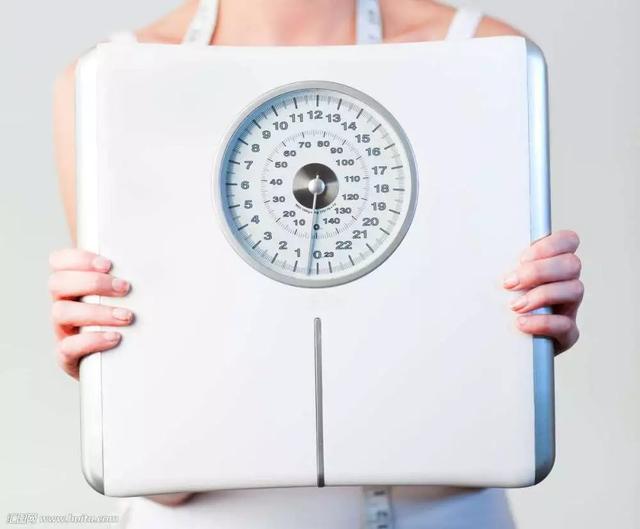
Obesity and body fat percentage are measured by many standards, including weight, waist circumference, BMI, waist-to-hip ratio…etc. Weight is only one of them. Don't pay too much attention to the number that no one cares about – weight. You can use it to record your diet control, but don't use it to define whether your fat loss is successful or not. It's more intuitive to focus on your actual body shape and measurements.
Pay attention to the whole, don't just look at the part
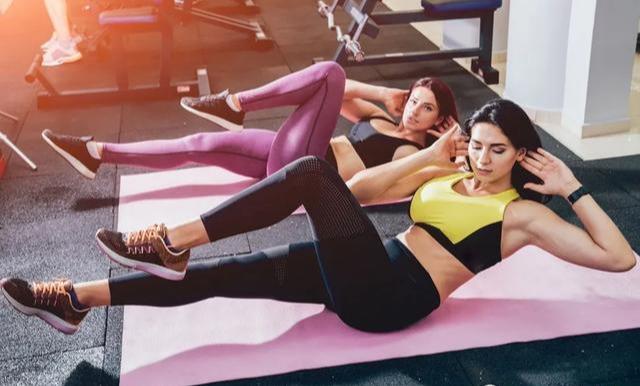
Pay attention to your overall body changes and record your three-dimensional measurements, arm circumference, and thigh circumference to observe overall changes. Don't focus on those little 'pudge' and 'waistline' in the short term. Fat loss is a holistic matter. No matter how much you talk about local fat loss, it's a bluff. Even liposuction won't achieve long-term local fat loss effects. Because after adults, the total number of fat cells in the body is fixed and cannot change much. Even if liposuction removes some fat cells, the body will compensate for the removal of these cells through a period of adjustment. So, it's better to lose fat overall, don't expect any shortcuts.

Train gradually
Progressive Overload
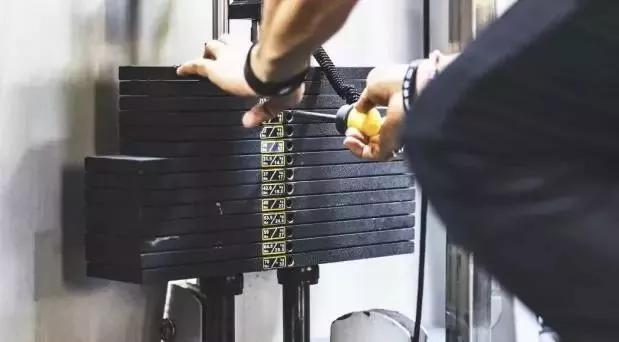
The basic principle of training progress is progressive overload, which means that you need to increase gradually and progressively. Even if you're at a low level, you must ensure that you increase your training intensity every few periods. This can be a 0.5kg increase in the weight you use for each exercise, or an increase in the number of reps, or an increase in the number of sets. Even if it's just a 0.5kg increase, don't stay in the same place.
Persist

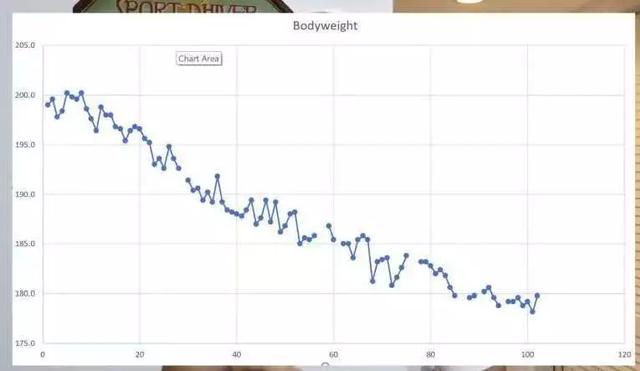
Weight tracking chart

Training for fat loss is arguably the most fair training method for fitness training. As long as the method is scientific and persistent, it will surely succeed. Just like this weight tracking chart, the road to fat loss will inevitably have some twists and turns, but don't give up when your weight fluctuates. Believe that the overall trend will always lead to success!
0.5kg
10.
(ง •̀_•́)ง~~~