A Set of Exercises Using Foam Rollers to Strengthen Core Muscles and Improve Training Effectiveness
Article is original manuscript | Prohibited from copying without permission
Performing core muscle training can strengthen your abdominal muscles and improve athletic ability. It allows you to reduce the risk of injury during fitness training. There are many exercises for core muscle training, and most people at home do core training on a yoga mat. If you do it for a long time, it may lose its novelty.
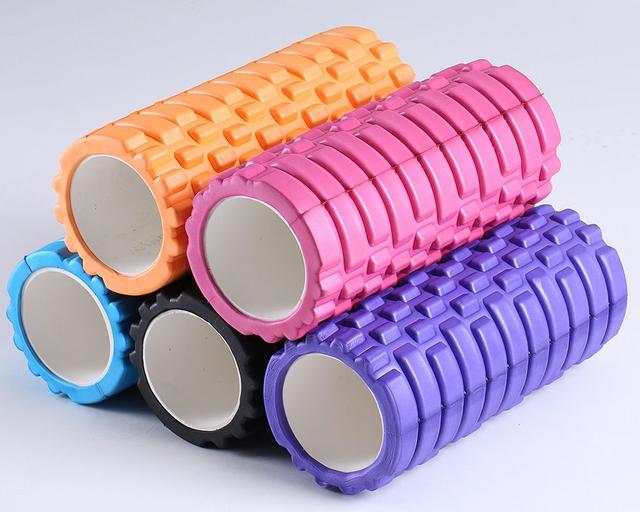
Today, the author will incorporate foam rollers into core training. Yes, it's the same roller you usually use to relax muscles. Using foam paper to exercise can improve muscle elasticity, relieve fatigue, and improve stiff body conditions. Because our partners have already done a lot of core training, adding roller training will increase the difficulty.
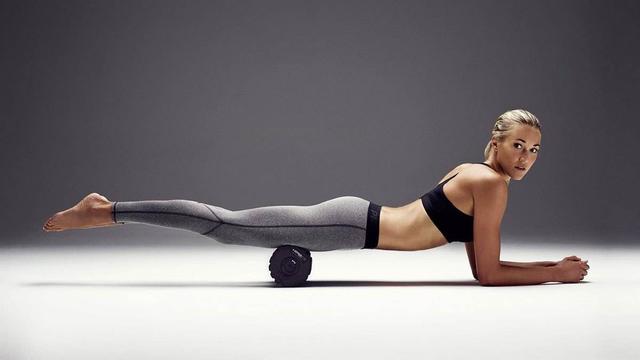
Here's a recommended set of roller core training methods:
First actionwe place the roller under our ankles, under our ankles, and our core needs to exert force to maintain balance.
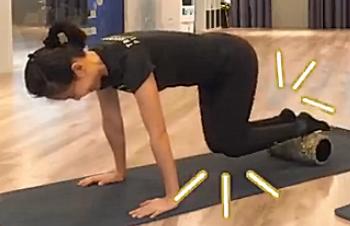
At this time, our hands are straight, supporting the yoga mat, our body is in a straight line, and then we use our core strength to bend our knees, keeping our upper body straight, and bending our knees until our thighs and ankles are at a 90° angle. The addition of the roller makes our core constantly exert force, so this action is very effective for stimulating the core.
The second action is the advanced version of the first action.
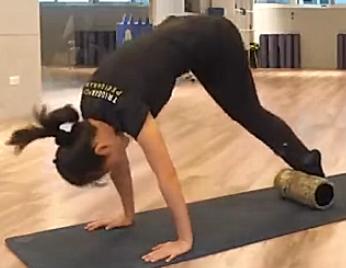
Instead of bending our knees, we straighten our legs and lift them up. When the action is completed, our body shape is in an inverted V shape. If you find the knee-bending version too difficult, you can try this straight-leg version, which will make you feel that your core is not as strong as you think.
Next is a familiar action to us, kneeling push-ups.
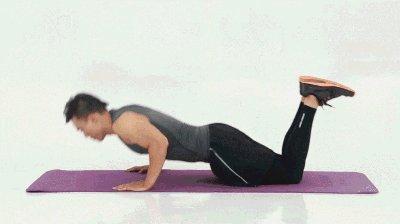
However, our kneeling push-ups are not done on the flat ground, we use our hands to hold the two ends of the roller and then do push-ups. When doing this action, we must not hold our breath. When we exert force, we need to exhale.
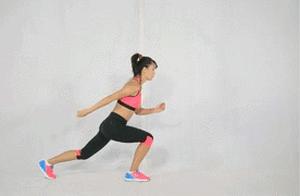
The third action,we make an arrow squat position, but our rear leg is bent, and we place the roller on the knee of the rear leg, keeping the core stable, and keep our upper body straight.
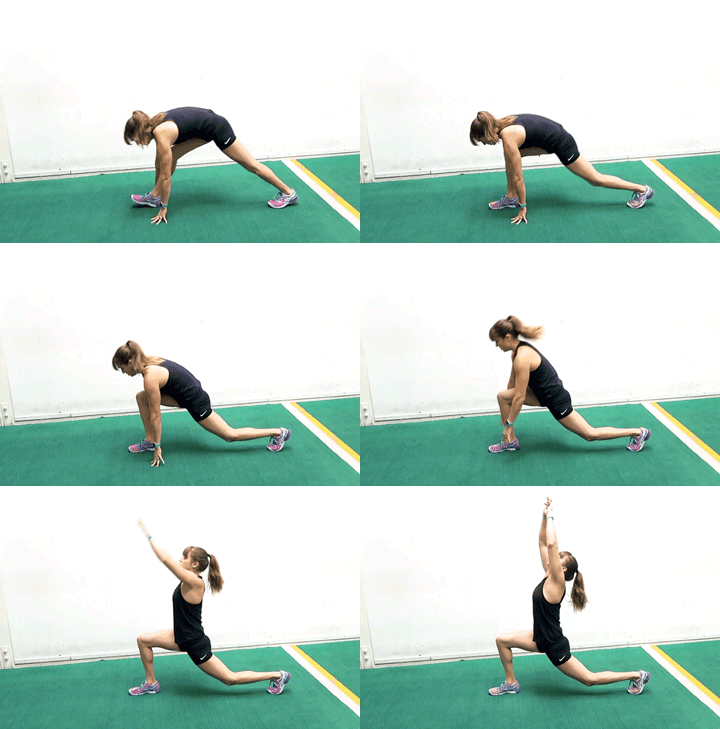
Then, using our hands to swing, we move our rear side calf, this action is very large for training the center of gravity. This action is also good for our cardiovascular function.
The last action is roller hip bridges.
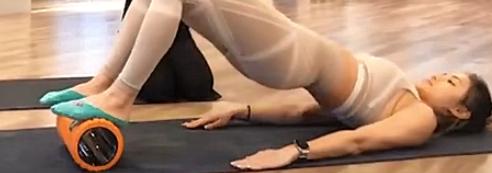
First, we lie on our back on the yoga mat, then we place our feet on the roller, and then we use our hips to exert force. When doing this action, we can touch our hips with our hands to feel if our hips are exerting force. We can also increase the training difficulty by adding a single-leg lift action when doing hip bridges.