Does Our Protein Intake Need to Change at Different Stages of Fitness?
Hook
Hello everyone, good evening. Today I'm going to share some knowledge about sports nutrition.
In traditional Chinese dietary habits, we've traditionally focused on 'carbohydrates' (such as rice, noodles, and dumplings). However, with the increasing popularity of 'fitness culture' and the growing emphasis on 'high-protein diets'...
International health organizations recommend that daily protein intake should not be less than 0.8 grams/kilogram of body weight. However, looking around at my own acquaintances, it's far from this standard.
There are three standard protein intake levels:
- Negative nitrogen balance: Simply put, daily protein intake should be lower than the required amount.
- Carbon-nitrogen balance: Simply put, daily protein intake should be equal to the required amount.
- Positive nitrogen balance: Simply put, daily protein intake should be higher than the required amount.
For fitness enthusiasts, of course, achieving 'positive nitrogen balance' is the best. Whether you are currently exercising or in any dietary structure, I think you should take a look at this article. Next, I will explain: why high-protein diets are so important in the fitness community.
Why are high-protein diets so important in the fitness community?

Let's get straight to the point.
The benefits of 'high-protein diets':
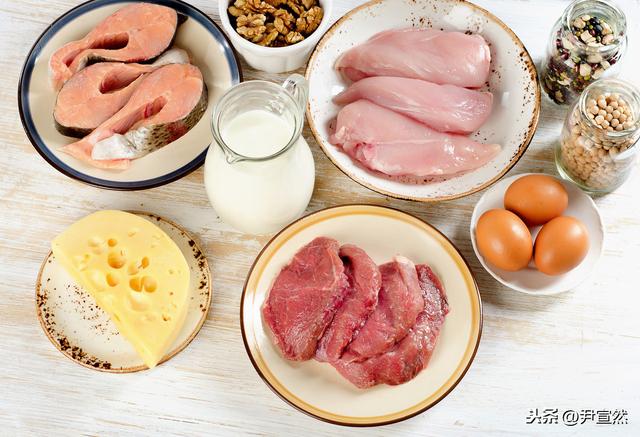
In conclusion, 'protein' in dietary composition has long been considered an important macronutrient for bone muscle repair and synthesis. In fact, resistance training athletes have long been advocated for high-protein diets, so let's take a look at the views of relevant research on this issue:
- Are 'high-protein diets' harmful?This is a question that many people suspect. In fact, even if you consume up to 3.3 grams/kilogram of body weight daily, it will not harm your cholesterol, liver, or kidney function.
- How much protein should you consume daily for safety?Many relevant studies show that if you are exercising, the daily protein intake is approximately 2.2 grams/kilogram of body weight, which is considered safe.
- How much protein does a muscle-building person need daily?When it comes to increasing muscle mass through a 'calorie surplus' principle, consuming 1.6-2.2 grams/kilogram of protein can maximize your increase efficiency.Consuming beyond this limit may not have any further benefits, only promoting increased amino acid breakdown and protein oxidation
- If the goal is to maintain muscle mass, how much protein should you consume?When the goal is muscle maintenance (which often occurs during a cutting phase), protein intake needs to be higher, and the current recommended intake based on research is that during a cutting phase, maintaining an intake of 2.3-3.3 grams/kilogram of protein can help maintain lean mass.
Summary

How much protein do you consume daily? Leave a comment for me.
Today's fitness knowledge sharing is over. If you have any questions or suggestions, welcome to leave a comment, we'll see you tomorrow.#SpringFitnessPower##MyEyesOnSpring#