Is Hydration Necessary? It's Not Just About Thirst
Water is one of the indispensable substances for maintaining normal life activities of the human body, and it is particularly important for athletes who frequently participate in training. Whether timely hydration and whether the hydration is reasonable all relate to the physical health, post-exercise recovery, and the quality of exercise results of athletes. The human body is composed of about 60% water, which fully demonstrates the importance of water.
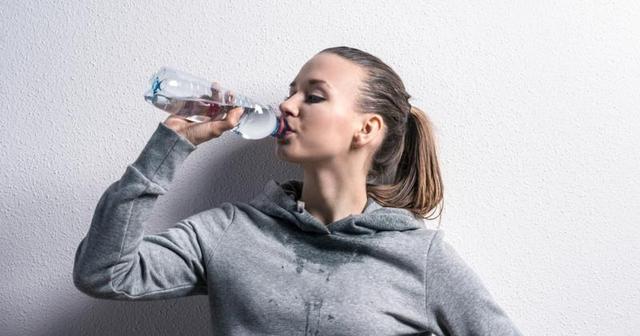
However, in the field of sports training and fitness, there still exists a lack of attention to hydration and misconceptions about hydration. Therefore, it is necessary to discuss how athletes can hydrate scientifically and rationally.
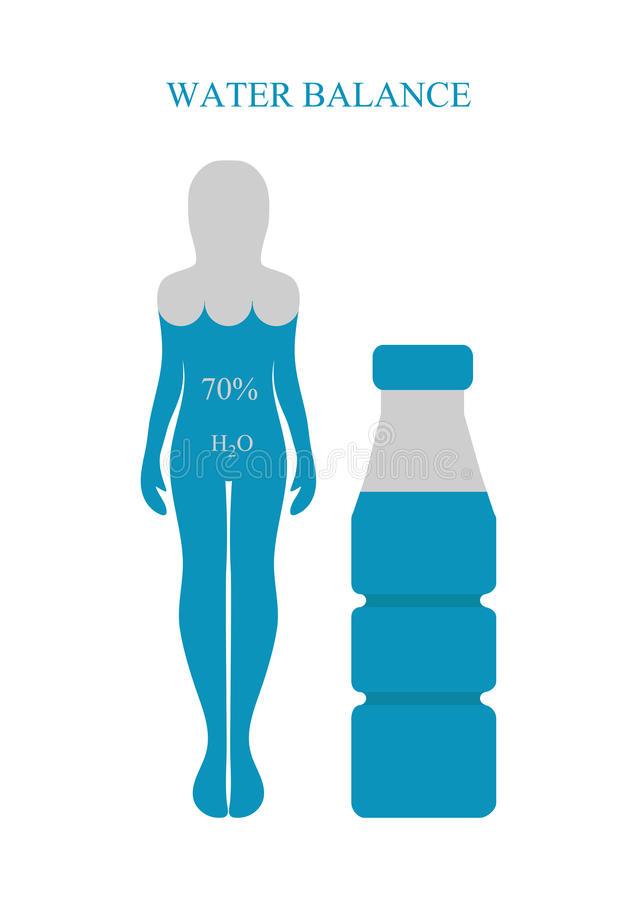
In our daily life, water is in a dynamic balance state. The daily requirement of a normal adult is about 40ml/kg, for a person with a weight of 60kg, his daily requirement is about 2.4L, and for overweight people, such as wrestlers or throwing athletes, they should add 500ml of water to the basic requirement in a quiet state.
Exercise will cause the human body to lose more water through sweating, so athletes should supplement more water to maintain fluid balance in the body. Hydration for athletes must consider environmental temperature, sports projects, exercise intensity, and duration. For example, the average water loss rate of marathon athletes in winter can reach 1.49 liters/hour (0.75~2.23 liters/hour), which can be used to calculate that athletes may lose about 3 liters of sweat in marathon races exceeding 2 hours.
So the question arises: how should athletes hydrate? Next, we will discuss hydration from three time points: before, during, and after exercise.
Pre-exercise hydration
According to the recommendations of the American College of Sports Medicine, 4 hours before exercise, athletes should consume 5-7 ml of liquid per kilogram of body weight. If urine output is low or urine remains dark, they should supplement 3-5 ml of liquid per kilogram of body weight in the 2 hours before exercise. In hot environments, it is very beneficial to drink 300-400 ml of liquid before exercise. Drinking beverages containing sodium or eating salty snacks can stimulate the thirst center and help the body retain the water. Whether to choose a sports drink before exercise mainly depends on the athlete’s nutritional status, duration, training stage, and whether carbon water is needed during the activity.
During exercise hydration
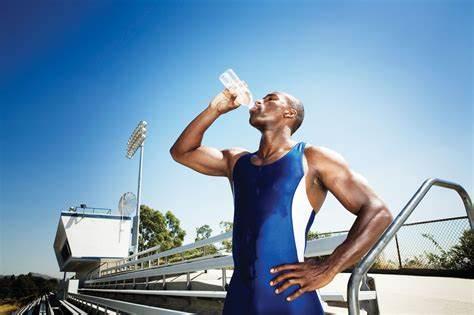
The purpose of hydration during exercise is to maintain plasma volume and electrolyte concentration, prevent rapid heart rate and body temperature rise, and provide energy for work muscles. The amount of fluid and the hydration rate should be determined by individual factors such as sweat loss rate, exercise intensity, and duration. For marathon athletes with normal hydration before the race, the recommended fluid intake is 0.4-0.8 liters of beverage per hour. The higher the running speed, the heavier the weight, the hotter the climate, the more supplemental fluid is needed; conversely, for athletes who are small in stature, light in weight, and slow in speed, a smaller amount of fluid may be sufficient.
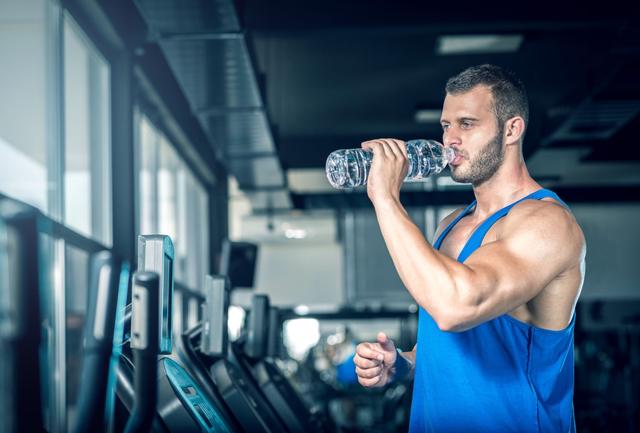
As for the ingredients of sports drinks, in addition to containing electrolytes (sodium, potassium, chloride), they also need to contain 5-10% carbohydrate to replenish energy. Ingesting 30 to 60 grams of carbohydrate per hour can effectively maintain blood glucose levels and maintain exercise intensity. However, the concentration of carbohydrates in sports drinks should not exceed 8%, otherwise it is easy to accumulate in the stomach and hinder water absorption.
Generally, during prolonged endurance exercises, every 15-20 minutes, 150-200 ml of fluid with a carbohydrate concentration of 6%-8% should be supplemented. The water temperature should be 10-15℃, but not more than 800 ml per hour.
Post-exercise hydration
The purpose of post-exercise hydration is to fully restore the body’s water and electrolyte reserves. Following the principle of small amounts and multiple times, at this time hydration mainly uses carbohydrate and electrolyte drinks. To achieve the body’s short-term complete rehydration, it is usually necessary to supplement 1.5 times the lost water, that is, the weight loss before and after exercise is 2 kilograms, then it is necessary to supplement 3 liters of water. It is important to note that it is not advisable to take a large amount of plain water after exercise, as it may cause hyponatremia.
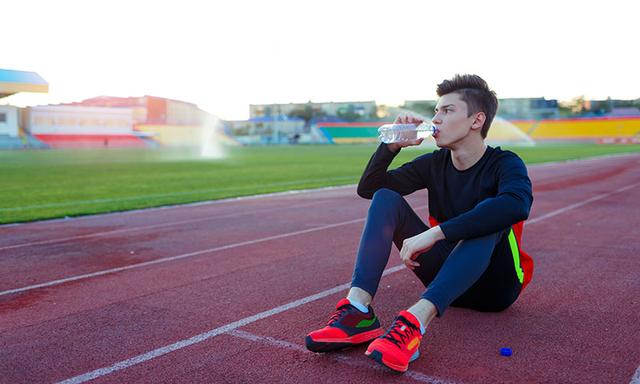
Perhaps you may ask us how to choose sports drinks or what are the selection standards of sports drinks? First, it must meet ‘three no’ standards, that is, ‘no alcohol, no carbon dioxide, no caffeine’; second, it must meet ‘three yes’ standards, namely ‘have glucose or low-molecular-weight carbohydrate, have minerals and vitamins’, and the sugar concentration is generally 6%-8%. Only drinks that meet these standards can truly solve the problems of athletes both hydrating and restoring physical fitness.Good living habits need to be gradually formed, only by recognizing the importance of hydration and how to hydrate, and in future athletic training can hydrate scientifically and rationally. This is of great benefit to both the physical health and the improvement of competition results. “”6%-8%