5 Simple Yoga Poses to Effectively Relieve Bloating, Improve Digestive Issues, and Restore Body Balance!
No matter what the reason (overeating or indigestion), feeling bloated is a signal that your system is out of balance, and it is a common problem in life. Yoga can help improve our digestive system and relieve bloating.
One of the many benefits of yoga is that it is beneficial for both our body and our mind. The following yoga poses can help you relieve bloating and find your body's balance.
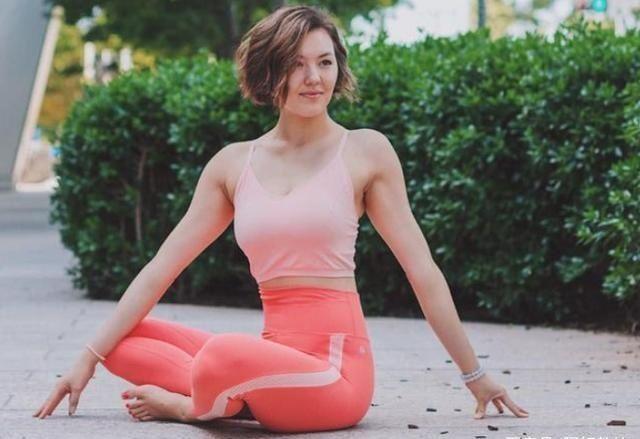
When you practice these poses, start counting your inhales and exhales.
TK Desikachar in his book Yoga of Heart, he talked about the importance of breathing for clearing out waste (matter and energy) from the body. He pointed out that exhalation is crucial for breaking these blockages.
When practicing these poses, coordinating with your breath, consciously adjusting your breathing, inhaling for a count of four and exhaling for a count of eight, will yield greater benefits.
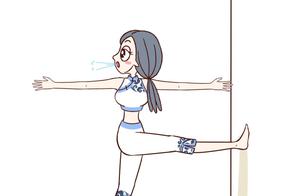
1. Reclining Hand-to-Foot Pose
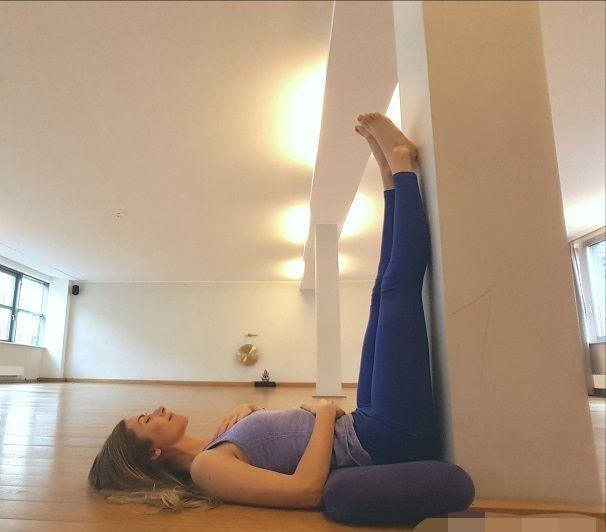
This is one of my favorite inversion poses. Don't need to enter an advanced inversion. Just let your hips lean against the wall, raise your legs in the air, and let the wall support them, and relax your torso to the ground or mat. Stay here for a few minutes, paying attention to the changes in your internal energy flow. Remember to take deep breaths.
Let your body know that you are open to physical and mental changes, this pose starts our bloating elimination process. It also activates your rest and digestive reflexes (vagus nerve system), which activates the digestive and immune systems.
2. Knee-to-Chest Pose
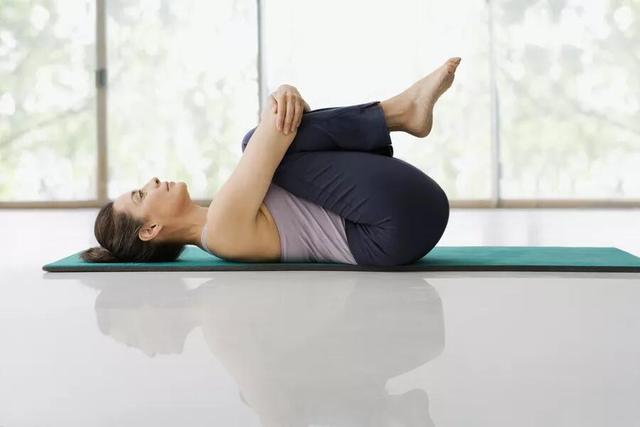
For any digestive issues, the Knee-to-Chest Pose is a good pose. By bringing your knees toward your chest (don’t worry if your knees don’t reach your chest, do your best), you’ll apply a gentle pressure to your internal organs, to provide internal massage. If there is any gas buildup that is causing you bloating, this will help it move slowly.
You can bring your nose toward your knees, or you can place your head on the ground. Stay here, doing inhalation count of four and exhalation count of eight, keeping at least five breathing cycles.
3. Supine Bound-Angle Pose
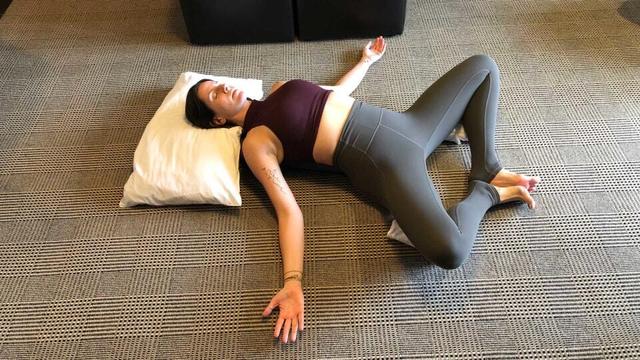
Bloating often generates contracting energy. Supine Bound-Angle Pose, giving the whole body an open feeling. No props are needed to practice, you can also place yoga bricks or mats under your knees to support your knees. Extend your arms, take deep breaths to your abdomen. Let the energy you release in the pose flow through your body. Inhale, feel your abdomen rise. Exhale, let your abdomen move towards your spine.
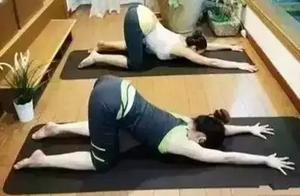
4. Baby Pose
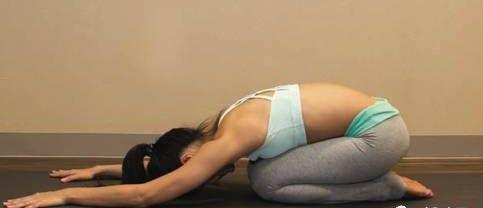
Do you remember the feeling of extending your abdomen to your knees? Baby Pose can achieve a similar energy. Sometimes we spread our knees to practice this pose to relieve bloating, but try holding your knees together. Feel your abdomen towards your thighs. Arms extended. Elbows can be kept raised or placed on the ground. This will apply a gentle pressure to the abdomen to help move energy, release blockage and restore balance to your body.
5. Corpse Pose
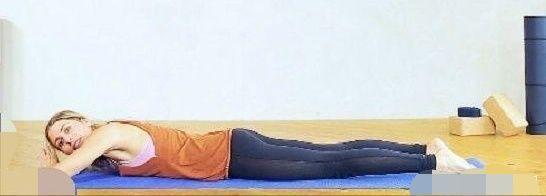
This pose is simple, but very helpful for people with digestive problems. The simplest way to practice the Corpse Pose is to place a mat on your abdomen. Your arms can be stretched under your head with a pillow, or they can be placed beside you. Your forehead can be placed on a blanket, or your head can be turned to the side. Focus your attention on your abdomen, take deep breaths. You will notice that the body’s proximity to the mat will generate natural pressure, which will gently massage your internal organs.
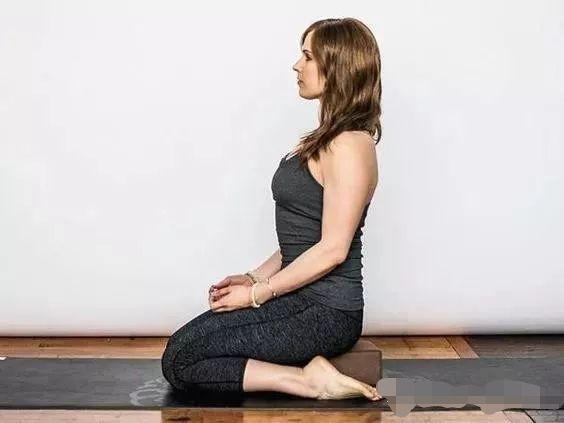
If you want to deepen the exercise, place a folded blanket under your stomach, right at your navel. The blanket will apply greater pressure to your abdomen. If you feel discomfort, you can slightly flatten the blanket or take it off. You can also place a mat under your feet.

Although most bloating is temporary and can be improved with rest or yoga, if bloating persists, seek medical attention. Especially for women, persistent bloating should be checked to rule out more serious conditions. Most importantly, take time to pay attention to your body's sensations, notice your body's needs, and take appropriate measures to make your body well.