What to Eat Before and After Exercise
1. Three Major Fat-Burning Diet Techniques
Pre-workout low glycemic index light meals
Many people enjoy exercising on an empty stomach, which actually accelerates the consumption of protein from muscle tissues. Therefore, it is recommended to take a low glycemic index light meal 30 minutes to 1 hour before exercise to avoid rapid blood sugar rise and provide energy for exercise! You can choose oatmeal, sweet potatoes, pumpkins, etc. with plenty of fiber as low glycemic index staple foods, paired with boiled eggs, unsweetened soy milk, and low-fat, high-protein light meals. Eat five to six points full.
Post-workout moderate protein light meals
Research shows that supplementing with moderate protein light meals within 60 minutes after exercise will not make you gain weight, but can also help repair muscle tissues, accelerate physical recovery, and boost basal metabolism to help burn calories!
It is recommended to choose nuts, chicken breast, boiled eggs, or high-protein drinks after your heart rate has returned to normal, paired with high-fiber foods such as various vegetables, whole-wheat bread, or a piece of fruit, and eat five to six points full.
Hydration before, during, and after exercise
Water is an essential ingredient for burning fat, exercising muscles, and preventing dehydration. It is recommended to start drinking water 500c.c. 2 to 3 hours before exercise to allow the body to have enough water during exercise.
During exercise, it is recommended to supplement 200c.c. every 10 to 20 minutes; if you sweat a lot, you can replace it with a low-sugar sports drink; and drink 500c.c. after exercise, drink it slowly and warm water is more effective.
2. Occasionally Run on an Empty Stomach
Many people find it difficult to find time to run, let alone eat before running. This is especially common in the morning runners. A 1-hour light training, without eating or drinking, will not have much impact, but don't forget to supplement enough water. However, for higher intensity training, pre-workout energy supplementation is very important. Running on an empty stomach is easy to exhaust energy and make the running process more difficult.
3. Keep it Simple
What is the best training diet? Choose foods that are easy to digest, low in fat, low in fiber, and high in carbohydrates. This will not cause gastrointestinal discomfort and can enhance energy.
4. Hydration
Hydration is important, not just during exercise. Body heat loss relies on water. To maintain joint lubrication and remove inflammatory cells, and to control the feeling of hunger, so as not to confuse hunger and thirst. Although there is no standard daily water intake, it is best to drink about half the weight in pounds of water per day. You don't need to drink too much water; fruits and vegetables are also daily sources of water, and the antioxidant components can increase muscle recovery and immunity.
5. Balanced Nutrition
Even if your exercise goal is weight loss, you still need balanced nutrition and nutrition to maintain a good training state and avoid injuries. During the day, 55% of calories come from carbohydrates, 25% from protein, and the remaining 15-20% from unsaturated fats.
6. Avoid Junk Food
If you can take more vegetables and fruits, and less junk food, then next time you go shopping, don't put high-sugar, high-fat foods into the shopping basket, only put high-fiber vegetables and fruits and whole grains, they can enhance training quality and maintain heart health, lower cholesterol, and stabilize blood sugar.
You can eat this way before exercise
A baked sweet potato + a boiled egg + unsweetened soy milk
A whole-wheat ham and egg sandwich
You can eat this way after exercise
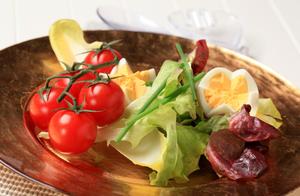
A shredded chicken breast salad + a small banana + a cup of unsweetened yogurt
10 nuts + a small whole-wheat bread + a boiled egg + a portion of green vegetables
Diet and exercise for people who don't like to exercise