Can You Still Enjoy the 'Newbie Benefits Period' After a Long Break from Exercise?
Without a good life experience of being fat, it's not enough to talk about losing weight; without having experienced injury, it's not enough to talk about fitness. Fitness is good, but if you get injured, it's really miserable. It's likely that many fitness enthusiasts have experienced injuries or stopped training due to other reasons, such as relocation, busy work, or academic pressure. So, if you haven't been exercising for a long time, it's unlikely you'll be able to enjoy the 'newbie benefits period' when starting again.
At this time, some people may ask, what is the 'newbie benefits period'?
Long time no exercise, can you still enjoy the 'newbie benefits period' when you start again?
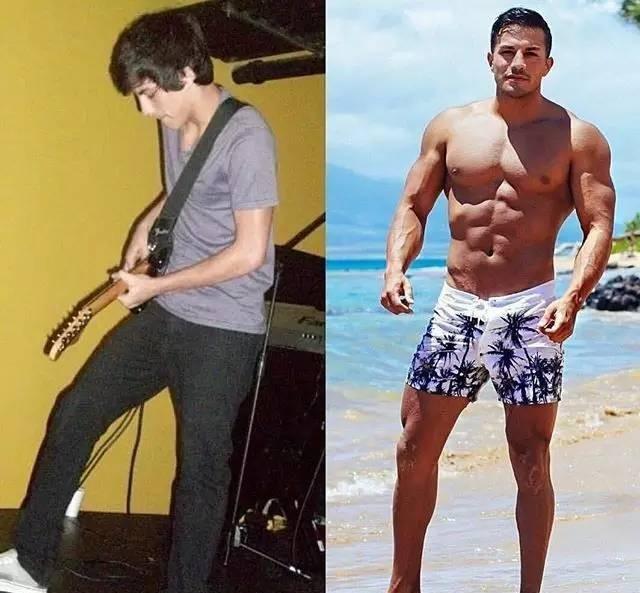
Newbie benefits period:This refers to a person who has never done fitness training and, when they first start, they will find that their progress is very fast, muscle growth is very easy, and strength gains are like a cheat. Newbie benefits periodGenerally, it exists for 3-6 months, or even 6 months-1 year, it is individual, most people can achieve the well-known 'newbie benefits period' effect, quickly increase muscle, improve training weight, change personal body shape. The 'newbie benefits period' is a memorable experience for most fitness enthusiasts because during this period, your progress every week or even every day can make you feel very happy and satisfied. This period is also the time when many fitness beginners can achieve muscle gain and fat loss. Isn't that envious?Why does the human body have such a result?
Long time no exercise, can you still enjoy the 'newbie benefits period' when you start again?
1Stress response and hormone secretion regulation
For a fitness newbie, when you first lift a barbell to do a bench press, your body starts to unlock this skill. Your muscles are under a certain amount of weight pressure and produce stronger contractions, leading to more metabolic waste and blood stasis. Because your body has never experienced this, it will be shocked and uncomfortable, so there will be a stronger stress reaction, resulting in changes in hormone secretion, higher testosterone and growth hormone secretion to help promote muscle protein synthesis.
Mainstream media research believes: a fitness newbie who has not experienced systematic training, in the first year, natural fitness can obtain a muscle volume of up to 10 kilograms, year-on-year halved, the second year 5 kilograms, the third year 2.5 kilograms, and ordinary training people cannot achieve this maximum value due to talent and methods, let alone obtain it.
During the time you start fitness, the stress response is strong, and you are in a period of rapid muscle growth, so you can quickly increase a lot of muscle and weight. However, the 'block' you increase is not entirely muscle, but also includes glycogen storage, water increase, and bone density increase.
Stress response and hormone regulation
2Glycogen increase
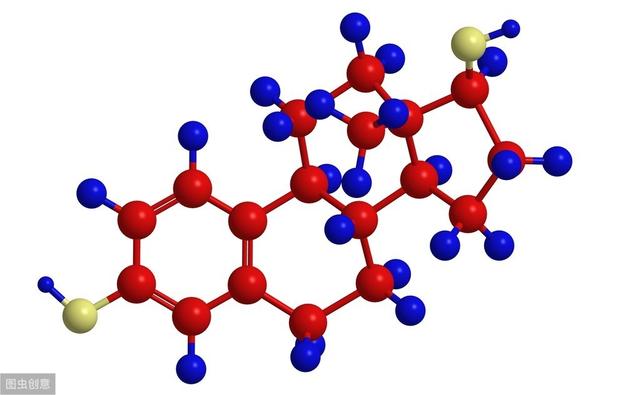
Glycogen is mainly stored in muscle (300-500g) and liver (90-100g), which helps us better provide energy and complete longer, more intense workouts. Studies have shown that when the human body runs out of glycogen and muscle glycogen during exercise, it may only reach a maximum movement capacity of 50%.
For beginners, when starting strength training, after completing the training, when you finish the nutrient supplementation, your body tends to store more glycogen to better cope with the next training. The increase in glycogen storage can make your muscles look fuller, and at the same time, it will follow a 1:3-4 ratio of water storage, so it will bring more weight gain.
Glycogen increase
3Increased water storage

Increasing glycogen storage can make your muscles look fuller, and at the same time, it will follow a 1:3-4 ratio of water storage, so it will bring more weight gain.
When we start fitness, we often consume more calories than before, especially for those who want to gain muscle, some people often feel hungry because of this, and they eat more food, which often contains more carbohydrates and sodium, increasing the body's water storage.
Increased water storage
4Increased bone density

For ordinary people, the peak bone density is usually in the twenties, and with the increase of age and lack of exercise, bone loss will gradually appear, while strength training can effectively increase bone density and alleviate osteoporosis.
When you do fitness, you contract muscles to resist the increasing weight, and the strong muscle contraction increases the mechanical pressure on the bones, causing the bones to constantly increase in quality and density to adapt to the increasing muscle contraction force, which obviously can bring you some weight gain.
During this stage, the proportion of weight gain is very low, it is highly likely that you will gain muscle and the fat will not increase or even decrease, and in addition to body shape changes, your strength will also grow rapidly. It's hard for fitness enthusiasts to get such a benefit.
Increased bone density
5Enhanced muscle recruitment capacity

The first time you do three major exercises and start doing bench press, squats, and deadlifts, you are constantly teaching your body to master this action pattern. Your muscle recruitment capacity will also improve in this process. Your cardiovascular function and the body's adaptability to strength training will continue to improve, even if there is no muscle gain, you can still get significant strength growth, which is the most important factor for muscle growth.
During the 'newbie benefits period', due to so many favorable factors, you can easily gain either physical shape or strength within 6 months-1 year. For some people with talent, after a year of systematic training, they can participate in competitions and even win, which is amazing.
Long time no exercise, can you still enjoy the 'newbie benefits period' when you start again?
In fact, muscle memory doesn't really exist. Muscle itself doesn't have memory function. After long-term training, you constantly increase the weight to cause muscle overtraining and gain muscle growth, and the muscle cell nucleus can also be increased. The increase in muscle cell nuclei helps to improve the growth space of muscle fibers and increase protein synthesis efficiency.

Long time no exercise, can you still enjoy the 'newbie benefits period' when you start again?
When you stop training, you don't need to spend so much energy to learn the action pattern again, just like swimming and cycling, once you unlock this action, no matter how long you haven't practiced, your body can quickly recover the ability you had before, without consciously maintaining practice or forgetting.
Long time no exercise, can you still enjoy the 'newbie benefits period' when you start again?

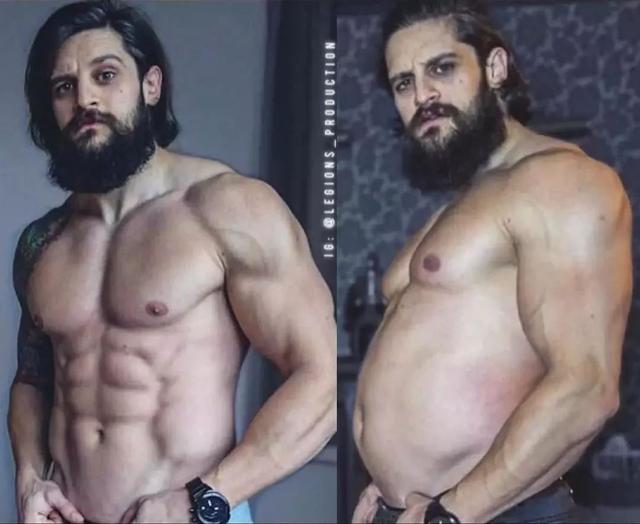
Now, we should understand that even if you haven't been exercising for a long time, you can still enjoy the 'newbie benefits period' when you start again. Because 'muscle memory' exists, we can return to the level we were before in a short time. But if it's not the level we've reached, we want to become better and stronger, we still need to keep working hard.
Long time no exercise, can you still enjoy the 'newbie benefits period' when you start again?
In fact, muscle memory doesn't really exist. Muscle itself doesn't have memory function. After long-term training, you constantly increase the weight to cause muscle overtraining and gain muscle growth, and the muscle cell nucleus can also be increased. When you stop training, you don't need to spend so much energy to learn the action pattern again, just like swimming and cycling, once you unlock this action, no matter how long you haven't practiced, your body can quickly recover the ability you had before, without consciously maintaining practice or forgetting.

Long time no exercise, can you still enjoy the 'newbie benefits period' when you start again?
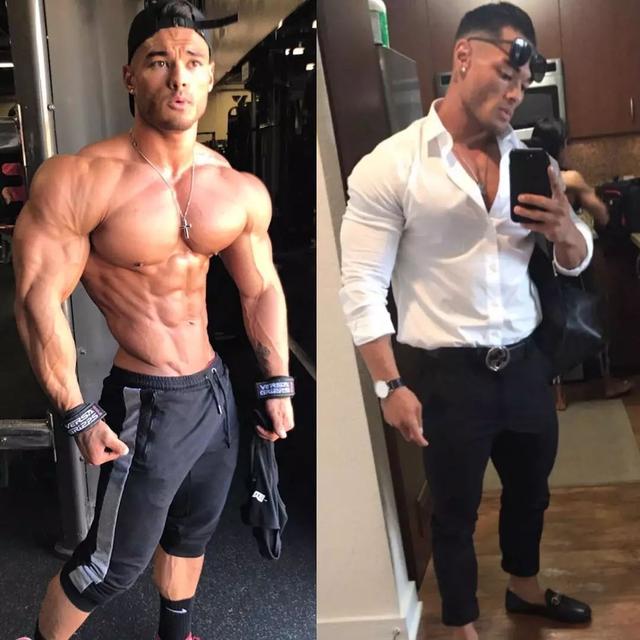
In fact, muscle memory doesn't really exist. Muscle itself doesn't have memory function. After long-term training, you constantly increase the weight to cause muscle overtraining and gain muscle growth, and the muscle cell nucleus can also be increased. When you stop training, you don't need to spend so much energy to learn the action pattern again, just like swimming and cycling, once you unlock this action, no matter how long you haven't practiced, your body can quickly recover the ability you had before, without consciously maintaining practice or forgetting.
Long time no exercise, can you still enjoy the 'newbie benefits period' when you start again?
In fact, muscle memory doesn't really exist. Muscle itself doesn't have memory function. After long-term training, you constantly increase the weight to cause muscle overtraining and gain muscle growth, and the muscle cell nucleus can also be increased. When you stop training, you don't need to spend so much energy to learn the action pattern again, just like swimming and cycling, once you unlock this action, no matter how long you haven't practiced, your body can quickly recover the ability you had before, without consciously maintaining practice or forgetting.
Long time no exercise, can you still enjoy the 'newbie benefits period' when you start again?In fact, muscle memory doesn't really exist. Muscle itself doesn't have memory function. After long-term training, you constantly increase the weight to cause muscle overtraining and gain muscle growth, and the muscle cell nucleus can also be increased. When you stop training, you don't need to spend so much energy to learn the action pattern again, just like swimming and cycling, once you unlock this action, no matter how long you haven't practiced, your body can quickly recover the ability you had before, without consciously maintaining practice or forgetting.Long time no exercise, can you still enjoy the 'newbie benefits period' when you start again?
In fact, muscle memory doesn't really exist. Muscle itself doesn't have memory function. After long-term training, you constantly increase the weight to cause muscle overtraining and gain muscle growth, and the muscle cell nucleus can also be increased. When you stop training, you don't need to spend so much energy to learn the action pattern again, just like swimming and cycling, once you unlock this action, no matter how long you haven't practiced, your body can quickly recover the ability you had before, without consciously maintaining practice or forgetting.

Long time no exercise, can you still enjoy the 'newbie benefits period' when you start again?
In fact, muscle memory doesn't really exist. Muscle itself doesn't have memory function. After long-term training, you constantly increase the weight to cause muscle overtraining and gain muscle growth, and the muscle cell nucleus can also be increased. When you stop training, you don't need to spend so much energy to learn the action pattern again, just like swimming and cycling, once you unlock this action, no matter how long you haven't practiced, your body can quickly recover the ability you had before, without consciously maintaining practice or forgetting.
Long time no exercise, can you still enjoy the 'newbie benefits period' when you start again?
In fact, muscle memory doesn't really exist. Muscle itself doesn't have memory function. After long-term training, you constantly increase the weight to cause muscle overtraining and gain muscle growth, and the muscle cell nucleus can also be increased. When you stop training, you don't need to spend so much energy to learn the action pattern again, just like swimming and cycling, once you unlock this action, no matter how long you haven't practiced, your body can quickly recover the ability you had before, without consciously maintaining practice or forgetting.
Long time no exercise, can you still enjoy the 'newbie benefits period' when you start again?In fact, muscle memory doesn't really exist. Muscle itself doesn't have memory function. After long-term training, you constantly increase the weight to cause muscle overtraining and gain muscle growth, and the muscle cell nucleus can also be increased. When you stop training, you don't need to spend so much energy to learn the action pattern again, just like swimming and cycling, once you unlock this action, no matter how long you haven't practiced, your body can quickly recover the ability you had before, without consciously maintaining practice or forgetting.

Long time no exercise, can you still enjoy the 'newbie benefits period' when you start again?
In fact, muscle memory doesn't really exist. Muscle itself doesn't have memory function. After long-term training, you constantly increase the weight to cause muscle overtraining and gain muscle growth, and the muscle cell nucleus can also be increased. When you stop training, you don't need to spend so much energy to learn the action pattern again, just like swimming and cycling, once you unlock this action, no matter how long you haven't practiced, your body can quickly recover the ability you had before, without consciously maintaining practice or forgetting.Long time no exercise, can you still enjoy the 'newbie benefits period' when you start again?In fact, muscle memory doesn't really exist. Muscle itself doesn't have memory function. After long-term training, you constantly increase the weight to cause muscle overtraining and gain muscle growth, and the muscle cell nucleus can also be increased. When you stop training, you don't need to spend so much energy to learn the action pattern again, just like swimming and cycling, once you unlock this action, no matter how long you haven't practiced, your body can quickly recover the ability you had before, without consciously maintaining practice or forgetting.Long time no exercise, can you still enjoy the 'newbie benefits period' when you start again?In fact, muscle memory doesn't really exist. Muscle itself doesn't have memory function. After long-term training, you constantly increase the weight to cause muscle overtraining and gain muscle growth, and the muscle cell nucleus can also be increased. When you stop training, you don't need to spend so much energy to learn the action pattern again, just like swimming and cycling, once you unlock this action, no matter how long you haven't practiced, your body can quickly recover the ability you had before, without consciously maintaining practice or forgetting.
Long time no exercise, can you still enjoy the 'newbie benefits period' when you start again?In fact, muscle memory doesn't really exist. Muscle itself doesn't have memory function. After long-term training, you constantly increase the weight to cause muscle overtraining and gain muscle growth, and the muscle cell nucleus can also be increased. When you stop training, you don't need to spend so much energy to learn the action pattern again, just like swimming and cycling, once you unlock this action, no matter how long you haven't practiced, your body can quickly recover the ability you had before, without consciously maintaining practice or forgetting.Long time no exercise, can you still enjoy the 'newbie benefits period' when you start again?
In fact, muscle memory doesn't really exist. Muscle itself doesn't have memory function. After long-term training, you constantly increase the weight to cause muscle overtraining and gain muscle growth, and the muscle cell nucleus can also be increased. When you stop training, you don't need to spend so much energy to learn the action pattern again, just like swimming and cycling, once you unlock this action, no matter how long you haven't practiced, your body can quickly recover the ability you had before, without consciously maintaining practice or forgetting.
Long time no exercise, can you still enjoy the 'newbie benefits period' when you start again?
In fact, muscle memory doesn't really exist. Muscle itself doesn't have memory function. After long-term training, you constantly increase the weight to cause muscle overtraining and gain muscle growth, and the muscle cell nucleus can also be increased. When you stop training, you don't need to spend so much energy to learn the action pattern again, just like swimming and cycling, once you unlock this action, no matter how long you haven't practiced, your body can quickly recover the ability you had before, without consciously maintaining practice or forgetting.
Long time no exercise, can you still enjoy the 'newbie benefits period' when you start again?
In fact, muscle memory doesn't really exist. Muscle itself doesn't have memory function. After long-term training, you constantly increase the weight to cause muscle overtraining and gain muscle growth, and the muscle cell nucleus can also be increased. When you stop training, you don't need to spend so much energy to learn the action pattern again, just like swimming and cycling, once you unlock this action, no matter how long you haven't practiced, your body can quickly recover the ability you had before, without consciously maintaining practice or forgetting.
Long time no exercise, can you still enjoy the 'newbie benefits period' when you start again?
In fact, muscle memory doesn't really exist. Muscle itself doesn't have memory function. After long-term training, you constantly increase the weight to cause muscle overtraining and gain muscle growth, and the muscle cell nucleus can also be increased. When you stop training, you don't need to spend so much energy to learn the action pattern again, just like swimming and cycling, once you unlock this action, no matter how long you haven't practiced, your body can quickly recover the ability you had before, without consciously maintaining practice or forgetting.
Long time no exercise, can you still enjoy the 'newbie benefits period' when you start again?In fact, muscle memory doesn't really exist. Muscle itself doesn't have memory function. After long-term training, you constantly increase the weight to cause muscle overtraining and gain muscle growth, and the muscle cell nucleus can also be increased. When you stop training, you don't need to spend so much energy to learn the action pattern again, just like swimming and cycling, once you unlock this action, no matter how long you haven't practiced, your body can quickly recover the ability you had before, without consciously maintaining practice or forgetting.

“”
“”
##