Are You Still Doing a Lot of Aerobic Exercise to Lose Weight? In fact, the key to weight loss is not exercise!
Indeed, we often see many inspirational weight loss stories, where they transition from initial obesity and lethargy to a sudden awakening, establishing a regular running habit, persisting for a certain period, and achieving a transformation in their body shape and mental state. Therefore, we are all inspired by what we see on screen, realizing that our obesity is largely due to our own laziness and lack of exercise.

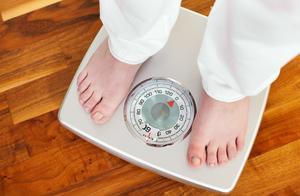
Consequently, a portion of people begin their weight loss journey with extensive aerobic exercises, such as running. In the first few days and weeks, they are exceptionally active and frequently weigh themselves, discovering a noticeable decrease in weight. This success fuels their enthusiasm and motivates them to continue.
Performing aerobic training undoubtedly offers many benefits, including enhancing cardiovascular function, aiding in weight reduction, and providing stress relief. These are all preferable to inactivity.

However, weight loss doesn't typically drop vertically like in the first few days. Suddenly, you might find that weight loss has plateaued, and your weight loss goals remain unmet. At this point, many people often fall into a state of confusion, wondering what went wrong?
The primary reason is that relying solely on extensive aerobic exercise has a limited effect.
Indeed, any exercise can help us burn calories and contribute to weight loss, but we may overestimate the amount of calories that exercise can consume.

Before that, we need to understand how much heat our bodies consume daily. This primarily comes from three categories:
1. Basal Metabolic Rate (BMR), accounting for approximately 60%–80% of daily calorie expenditure.
2. Thermic Effect of Food (TEF), accounting for approximately 10% of daily calorie expenditure.
3. Exercise Expenditure, accounting for approximately 10%–30% of daily calorie expenditure.
So, you see?
In reality, exercise accounts for the smallest portion, with basal metabolic rate being the primary contributor to calorie expenditure.
Daily exercise expenditure typically accounts for 10%–30%, but can you guarantee that your exercise intensity will contribute the largest proportion?
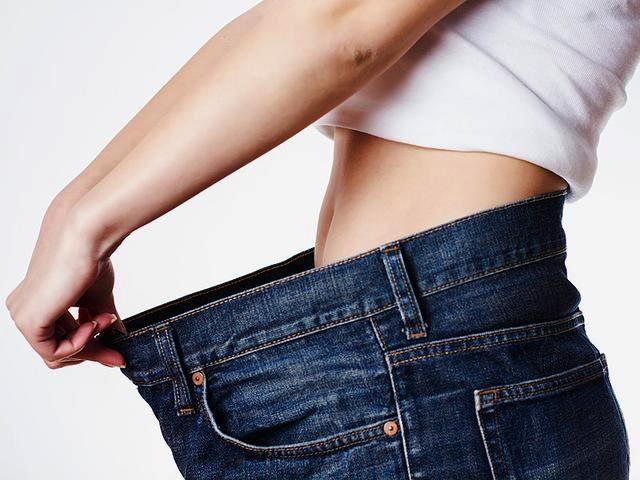
Obviously, not.
Furthermore, when we engage in extensive aerobic exercise, our bodies simultaneously consume fat while also leading to muscle loss. This is because the body needs to maintain a calorie balance. When we consistently expend calories, the body's mechanisms don't require as much muscle to burn as many calories, thus reducing muscle mass and gradually lowering the basal metabolic rate.
When the basal metabolic rate decreases, if we continue to exercise with the same intensity and duration, it's difficult to reach a balance, and weight loss will naturally plateau.
The truly effective approach is to control diet, which accounts for 80% of weight loss success, because controlling calorie intake is a significant factor.
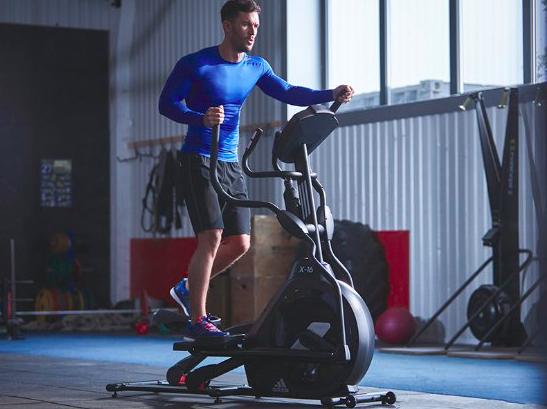
Diet plays a significant role in weight loss, as it allows us to effectively manage calorie intake. Whether you aim to reduce 700 or 1000 calories per day, you can achieve this easily by adjusting your daily diet.
In contrast, exercise's impact is ultimately limited, so to achieve successful weight loss, controlling diet is far more crucial and direct.
Sometimes, after exercise, people feel they have burned a lot of calories and need to replenish their energy with a large meal. However, at this point, they often overestimate their exercise-induced calorie expenditure, and end up consuming twice as many calories as they burned. This approach is unsustainable for weight loss.
Of course, exercise is still necessary. It helps you shape your ideal physique, but it doesn't necessarily achieve this through aerobic exercise alone.
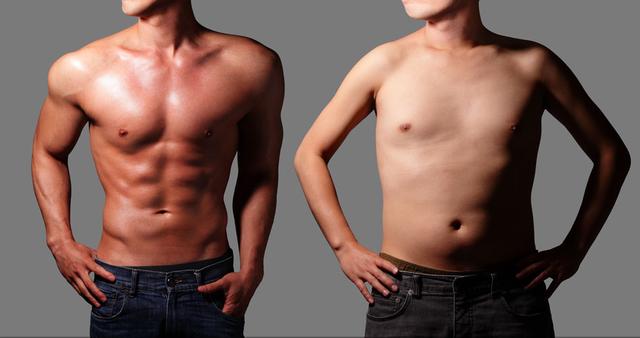
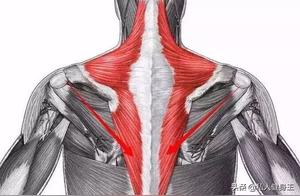
A good physique ultimately requires muscle mass to fill it, and aerobic exercise cannot achieve this. Therefore, when choosing exercise, incorporate strength training to help you lose weight and build muscle for shaping your body.
If you don't enjoy going to the gym, you can buy simple fitness equipment to train at home.
For example, the highly popular HIIT (High-Intensity Interval Training) requires only 2–3 sessions per week, each lasting 15–20 minutes, to help you burn more calories, reduce fat, and minimize muscle loss. Exercise is beneficial, but it's important to choose methods that are suitable for you.
As we mentioned earlier, controlling diet is highly effective for weight loss, but it doesn't mean you can drastically reduce your calorie intake through dieting alone. While this approach is effective in the short term, it's not sustainable for long-term weight maintenance. Therefore, invest time in cultivating a healthy and nutritious diet – it's more important than achieving rapid weight loss goals.
Okay, that's the end of this edition. If you have any methods you'd like to learn about, please leave a comment or private message me.
I'm Pop Dong, and I only share fitness knowledge that you can understand.
Join the fitness and weight loss community now to track and grow together!
(This section has been added with a community card, please view in the daily headlines client)
##@