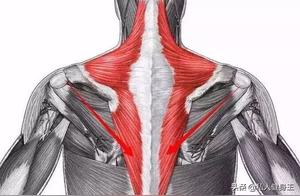
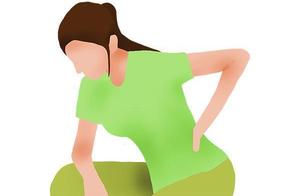
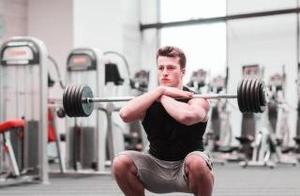
This unnatural movement method not only strengthens the cerebellum, prevents hunchback, and has many benefits.
We are used to walking forward, but this divides the muscles into frequently active and infrequently active parts, affecting overall balance.
In fact, there are records about walking backward as far back as ancient texts such as Shan Hai Jing, and Daoist practitioners often used this method for fitness.
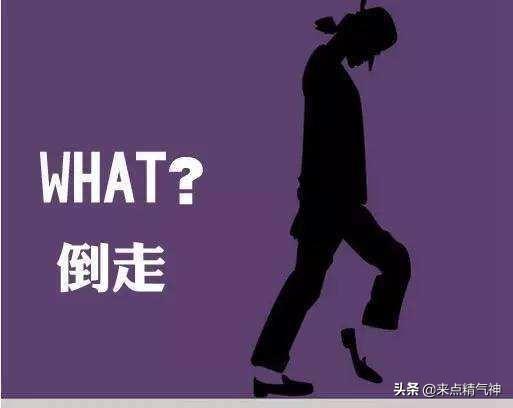
The benefits of walking backward
Walking backward uses different muscle groups than walking forward, which can compensate for the shortcomings of the latter, providing stimulation for infrequently active muscles.
Walking backward can enhance reverse movement strength and regulate the imbalance caused by long-term forward walking.
Reversing or walking backward can change the body's habitual movement direction, promote blood circulation, accelerate the metabolism of lactic acid and other fatigue-causing substances within the body, and is beneficial for eliminating fatigue.
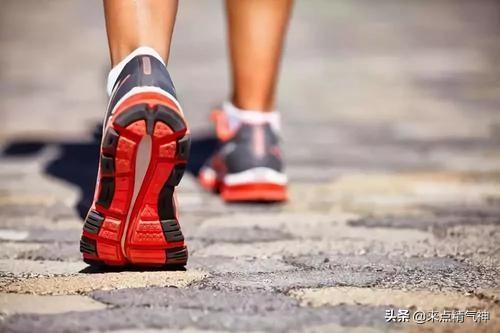
Walking backward can regulate the balance of two feet and achieve the fitness goals.
Modern medical research has confirmed that walking backward can exercise the muscles, tendons, and ligaments around the waist, hips, thighs, and ankles, thereby adjusting spinal movement function and promoting blood circulation.
Long-term persistence of walking backward has a good auxiliary treatment effect on waist and leg soreness, muscle cramps, muscle atrophy, and arthritis.
More importantly, because walking backward is an unnatural way of movement, it can train the small brain's judgment of direction and coordination of the body.
For teenagers, when walking backward to maintain balance, the spine must stretch, so walking backward also has the effect of preventing hunchback.
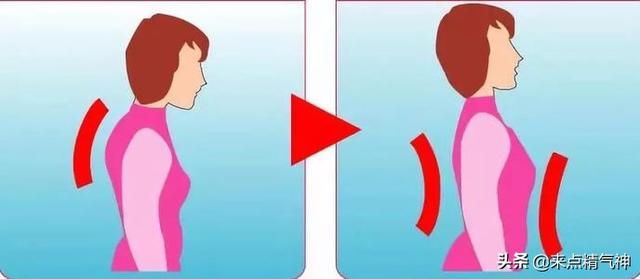
Spending some time each day to practice walking backward can exercise the flexibility of the body and effectively strengthen the knee's load-bearing capacity, it is an effective fitness exercise to enhance the body's resistance to disease.
Walking backward precautions
When performing walking backward,The posture must be correctotherwise it will cause adverse consequences.
Specifically, the posture requirements for walking backward are: straighten the back, relax the waist, the heel and head should be in a straight line, the knees should not be bent, the hands lightly grasp, use 4 fingers to cover the thumb, the arms freely swing back and forth, or can also lightly tap the waist with the hands, the size of the steps can be determined according to personal habits, but not too large, relax naturally, concentrate your mind, and look forward, move slowly.
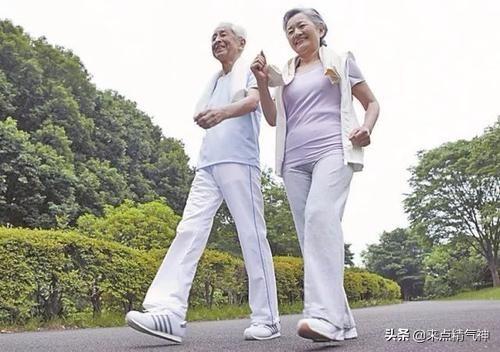
In addition, when walking backward, you should also pay attention to the following three points:
First, when walking backward, you must pay attention to safety and not fall.
Second, when exercising, do not always twist your head backward, otherwise, not only will not achieve the exercise effect, but the cervical spine will also not be able to bear it.
Third, you can alternate walking forward and backward.