Why Don't Muscle Gym Bosses Ever Run Cardio?

Does cardio cause muscle loss? This topic has been a hot topic in the fitness industry. Where did this concept originate?

Why do fitness gym muscle bosses never run cardio? Does cardio make us lose muscle?
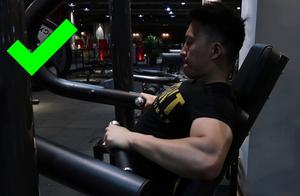
This statement has a reason behind it; it stems from a simple understanding of muscle physiology. To build muscle, we need resistance training to stimulate muscle growth, and muscle growth requires more nutrients to restore muscle. When we do cardio, we generally consume more calories to achieve the goal of burning fat, which seems contradictory to when you want to increase muscle and need to consume a lot of calories.
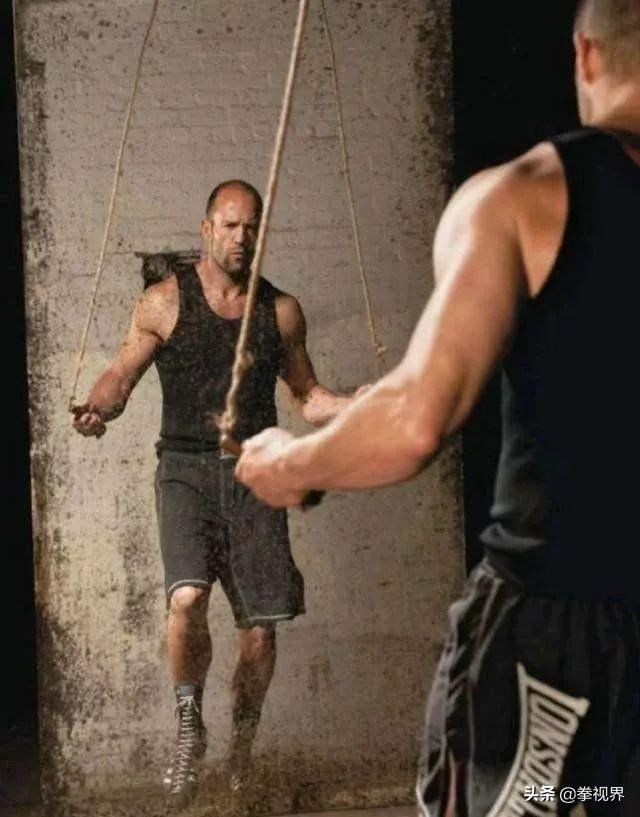
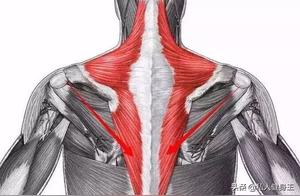
Between these two different goals, there exists a muscle conflict fiber adaptation issue. Low-intensity cardio can particularly stimulate slow-twitch muscle fibers, while heavy resistance training primarily stimulates fast-twitch muscle fibers. If both are stimulated simultaneously, both muscle fiber types may be affected and won't be fully stimulated.
If you look at it simply from this perspective, cardio can actually cause a loss of some muscle. But is that really the case?
Why do research results differ?
If you look at scientific literature, you'll find that it doesn’t really resemble that outrageous concept—cardio doesn’t necessarily cause muscle loss. Some studies show that if you do resistance training alone, compared to doing cardio and resistance training together, the latter may make the body lose muscle and muscle recovery is worse. However, other studies show that heavy training and cardio training do not have a significant impact on muscle adaptation.
Why do research results differ?
First: what type of cardio and how results are measured.
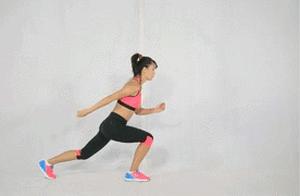
When it comes to cardio affecting muscle gain, this concept applies more to the lower body. At this time, the cardio is mostly lower body, such as running or cycling. This type of cardio stimulates slow-twitch muscle fibers, which is more important.
Second: the interval time between cardio and heavy training
Another thing is that the interval time between cardio and heavy training is also an important variable affecting whether cardio affects muscle gain. The research clearly states that after completing resistance training for 12 hours, doing cardio will have a little impact on muscle gain, and the impact will be reduced if the interval is 24 hours.
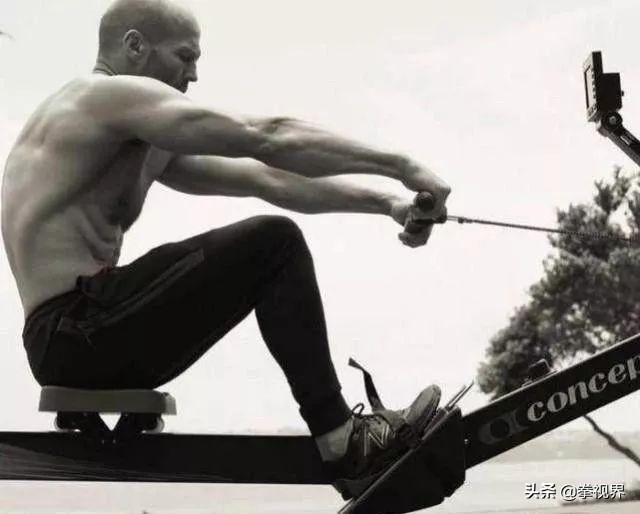
Third: the type of cardio
Different cardio has different impacts on muscle gain. For example, heavy training combined with low-intensity cardio can significantly affect muscle gain and affect strength levels. On the other hand, if heavy training is combined with high-intensity interval training (HIIT), the impact is much smaller.
This result is related to the muscle conflict fiber adaptation theory because low-intensity cardio mainly stimulates slow-twitch muscle fibers, which can cause mutual resistance and weaken muscle recovery.
And high-intensity interval training stimulates fast-twitch muscle fibers, which is the same as the principle of heavy training.
How to do cardio to maximize fat loss
The first method is moderate cardio. No more than three times a week, and the time should not be too long, generally not more than 60 minutes of low-intensity cardio. If it’s HIIT, no more than 20 minutes. Otherwise, excessive cardio will put a heavier burden on the body, making it difficult for the body to recover.

The second method is whether you can do cardio? In fact, you can do cardio without muscle gain, and you can also lose fat. However, cardio can accelerate the fat loss process. In fact, cardio brings many benefits, such as strengthening heart and lung function and improving the body’s adaptability, without getting breathless after a few steps, and it can also improve performance in heavy training.
Besides, our body is not just muscle, but a healthier and more comprehensive body, which cannot be obtained through heavy training alone.
The third method is to do HIIT after heavy training with a 12-hour interval. For example, many natural fitness enthusiasts take this approach: do heavy training in the morning and do HIIT in the morning after waking up. This can effectively reduce fat and wake up the body, maintain vitality throughout the day.
Summary
Today’s article shares the frustration of not knowing whether to do cardio to lose fat and afraid of losing muscle. If you encounter this problem, you can try to experience it yourself to see if it helps you. If you have any questions, please leave a comment.
1.
2.
3.
……