Strengthening Your Back: 8 Exercises to Build Muscle Better

#My Spring##Spring Sports Force#
If muscles could speak, there would be a region of muscles constantly complaining bitterly at you: if you don't exercise me, am I not existing?
Of course, this area is not the abdomen or legs, but the lower back. Really, many friends twice a week do back training, but only focusing on building the upper and middle back, really pay attention to ‘small wings’.
Therefore, don’t say you really know how to train your back, today we will consolidate the foundation. Re-recognize your back training.

What are the benefits of training your back?
From a practical point of view, back training has the benefit of supporting any bending, turning, or lifting action. A weak back increases the risk of injury.
For office workers who spend long hours sitting, prolonged sitting will lead to muscle atrophy and weakness in the back. A weak, weak back is more likely to cause poor posture, back pain and injury. Back training can help improve back muscle atrophy associated with sedentary work and lifestyle.

Furthermore, back training can relieve and prevent back pain.Back pain is often caused by weak back muscles and poor posture.Many people with back pain try to avoid training their lower back, fearing that it will make the situation worse. In fact, strengthening the back muscles is one of the best ways to relieve many common back problems. Of course, if you have back pain, you need to consult a doctor.
Re-recognize your back
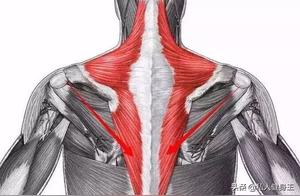
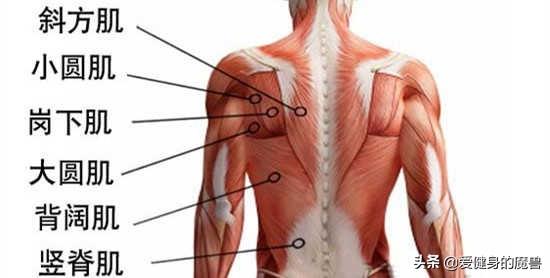
1. Erector Spinae
The main function of the erector spinae is to stretch the spine. The erector spinae, located on both sides of the spine, is also important for stabilizing the back, such as when doing push-ups and squats, prolonged sitting will make these muscles overstretched and weaken its strength.
2. Latissimus Dorsi
When it comes to back training, most people think of the latissimus dorsi, this muscle is located on the sides of the upper back, like ‘wings’ extending from the underarm.Its functions include shoulder extension, shoulder internal rotation and shoulder internal rotation.
3. Trapezius
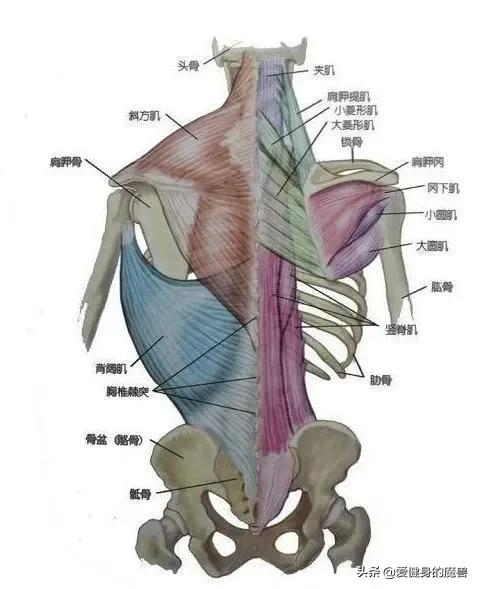
This huge kite-shaped muscle covers most of the upper back, controlling the movement of the shoulder blade.The lower fibers of the trapezius can raise the shoulder blade, the middle muscle fibers will bring the shoulders back together, and the lower part of the trapezius controls the downward movement of the shoulder blade.
4. Rhomboids
The rhomboids are located between the shoulder blades, together with the middle muscle fibers of the trapezius, they keep the shoulders stable during action postures, and also help maintain stability during pushing and stretching movements.
Back training warm-up
No matter what part of the body you are training, warm-up is very important, but in back training, warm-up is especially important.Why? Because prolonged sitting will cause the muscles in the back to be overstretched and weakened. If you enter training too quickly, you will be injured.

A back injury is not a joke. Back injuries take a long time to heal, and back pain will affect almost every aspect of your life, including sitting, standing, walking and even sleeping.
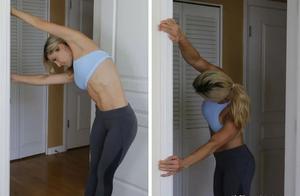
By doing some light cardio to increase body temperature and increase blood circulation, prepare for subsequent training. Then, when you feel warm, use side bends and twists to mobilize the upper and lower spine.
Finally, use a light weight (such as an empty barbell) for a few sets of your back exercises, and gradually increase the weight until you feel ready to start training.
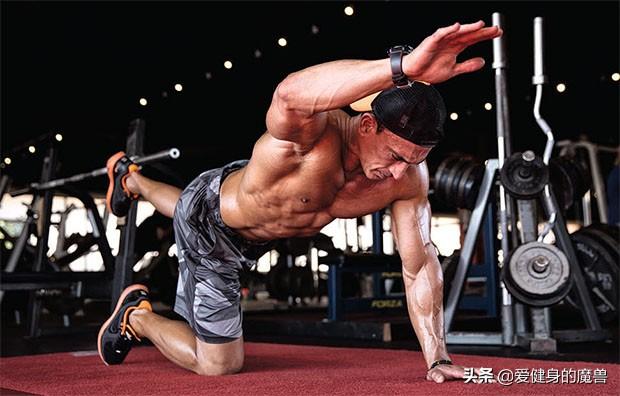
8 Best Back Exercises
No matter what your back training goal is, the following are 8 best back exercises. Don’t try to do all the exercises at once; it’s too much. Instead, just choose 4, ensure you train all the upper, middle, and lower parts of your back.
To increase strength, use heavier weight, 1-5 repetitions, 3-5 minutes rest between sets.
To increase muscle mass, use moderate weight, 6-12 repetitions, 60-90 seconds rest between sets.
To increase endurance, use lighter weight, 13-20 repetitions, 30-60 seconds rest between sets.

1. Deadlift
There is no other exercise that trains back muscles as well as deadlifts. This exercise can effectively strengthen the legs, forearms and core. The functional benefit of deadlifting is to help you lift heavy objects from the floor, isn’t it easy to move things?
How to do:
Place a barbell on the floor. It should be 8-10 inches from the ground. Stand with your feet shoulder-width apart, with your toes pointing down towards the barbell.
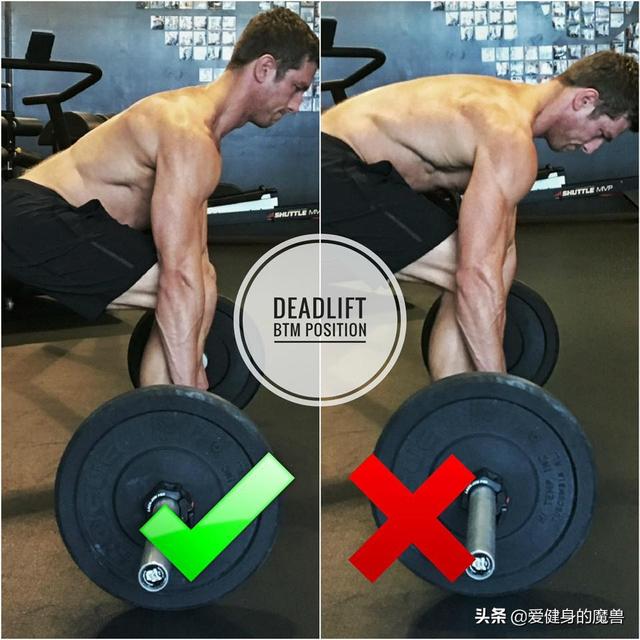
Maintain a straight body, lower your hips, stand up straight, ensure that your lower back is slightly arched, and tighten your core. Use your feet to push the ground, don’t bend your arms or let your lower back bend. Maintain a straight body without leaning back, so as not to put too much pressure on the lower back.
Kneel, slowly lower the barbell to the ground when you control it. When the barbell is stable, readjust it and do it again.
2. Hyperextension
Hyperextensions can effectively target the erector spinae or lower back. This is a great exercise for beginners. You can increase the difficulty by placing a weight on your chest or head.
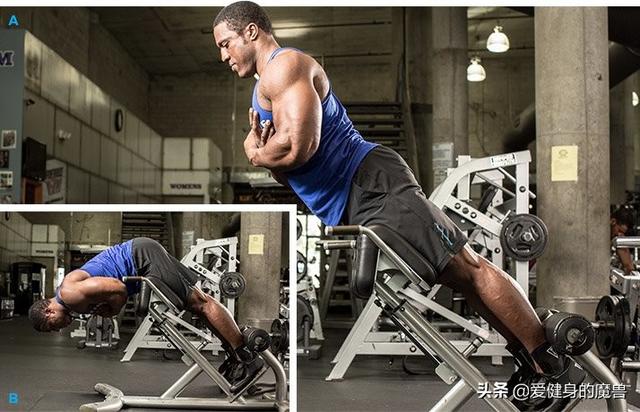
Hyperextension
How to do:
Lie face down on a back extension bench, with the edge of the pad resting on your hip. Bend your knees and keep your pelvis leaning onto the hip pad. Straighten your back, lift your chest slightly. Don’t overextend your spine.
Pause when the pad is lifted, and repeat.
3. Reverse Hyper Extension
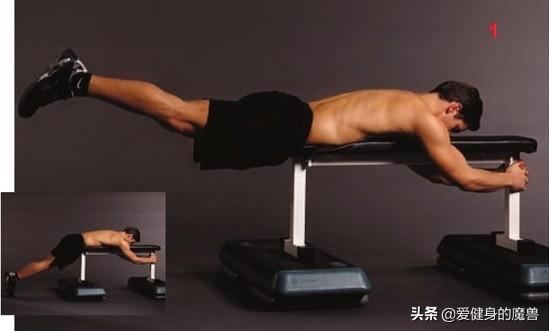
Most lower back exercises are foot-fixed, and the upper body moves. Reverse hyper extension uses the opposite action to train the lower back, hip muscles and hamstrings. If there is no reverse hyper extension bench in the gym? Don’t worry, there are other ways to do this exercise.
Reverse Hyper Extension
How to do:
Lie face down on a flat bench, with your hips leaning on the edge of the bench. Hold the handles tightly. Contract your glutes and lower back, extend your legs as much as possible, do not raise your legs higher than your hips. Keep your knees slightly bent and do not overstretch your lower back.
Straighten your legs, and repeat.
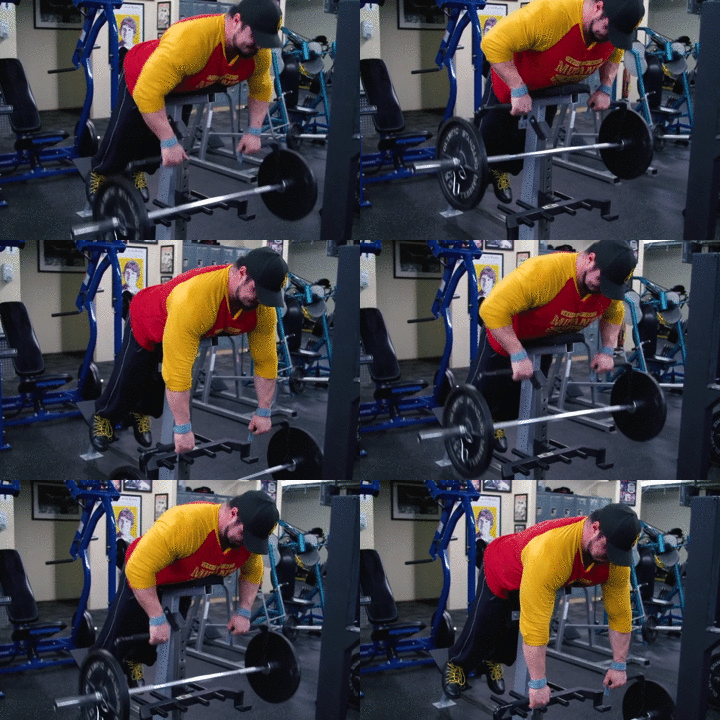
4. Bent-Over Barbell Row
Bent-over barbell row is a good way to train the latissimus dorsi, rhomboids and trapezius, and won’t put pressure on the lower back.
If you are injured or have just finished deadlifting and don’t want to stimulate the lower back again, this is a good choice.
Bent-Over Barbell Row
How to do:
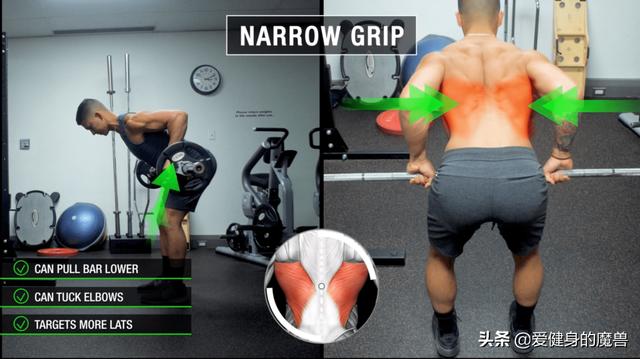
Hold the barbell with a wide grip and a reverse grip, or a slightly wider grip. Bend your knees and keep your back straight, lift your chest slightly. Don’t push with your legs to help you pull the barbell up, because this will put more pressure on the lower back and spine. Try to keep your upper body stationary, the latissimus dorsi, rhomboids and trapezius can do more work.
5. T-Bar Row
T-bar row can effectively train the trapezoid muscle, triangle muscle. However, you need a adjustable swivel apparatus to place into your back training.
How to do:
Install the handle on the adjustable bird perch or dragon gate frame. Adjust the swivel to the top of your head. Grab the handle and extend your arms, to maintain balance, step back to a staggered stand. Bend your arms, pull the handle towards your face. Try to push your thumb into your ear.
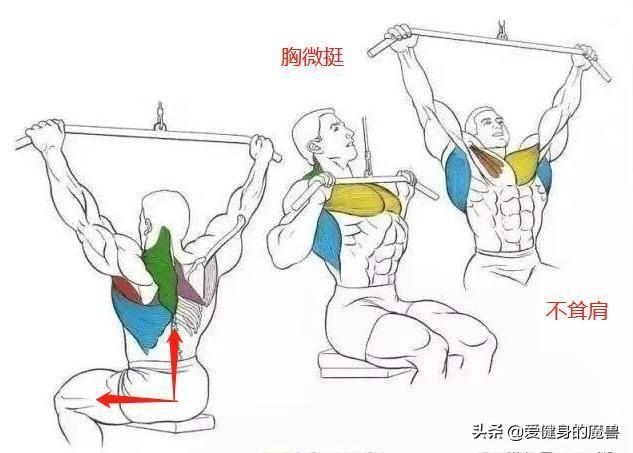
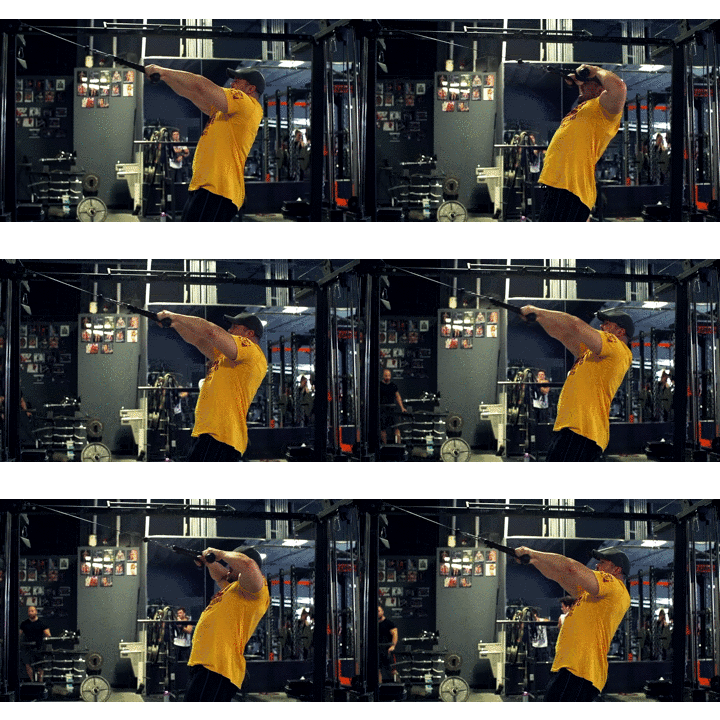
6. Cable Face Pull
This exercise targets the rear deltoids, rhomboids. However, you need a adjustable swivel equipment, can be placed into your back training.
How to do:
Install the handle on the adjustable bird perch or dragon gate frame. Adjust the swivel to the top of your head. Grab the handle and extend your arms, to maintain balance, step back to a staggered stand. Bend your arms, pull the handle towards your face. Try to push your thumb into your ear.
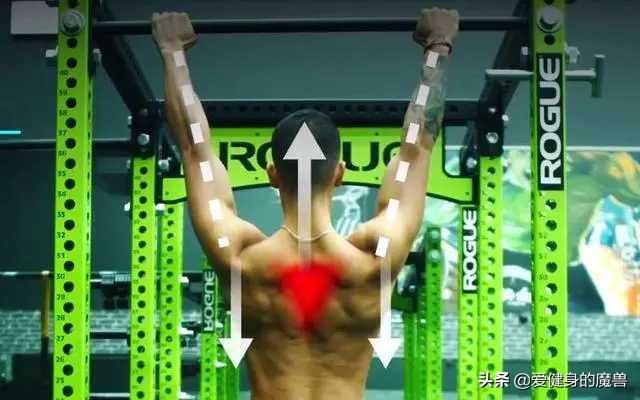
Overall training is important, not just because the lower back is part of the back, more importantly, back training is important for maintaining body stability, increasing strength and enhancing athletic performance, avoiding injuries.
:
8.