Why Does Eating Less Lead to Weight Gain? See the Illustrative Charts to Find Out
Despite everyone having battled with weight loss, some still hold the misconception that less eating equals weight loss. They often ask: Why does eating less lead to gaining weight?
Many people assume it's simply because modern lifestyles involve drastically reduced activity levels, leading to a lack of calorie expenditure from food. But is it really that simple?
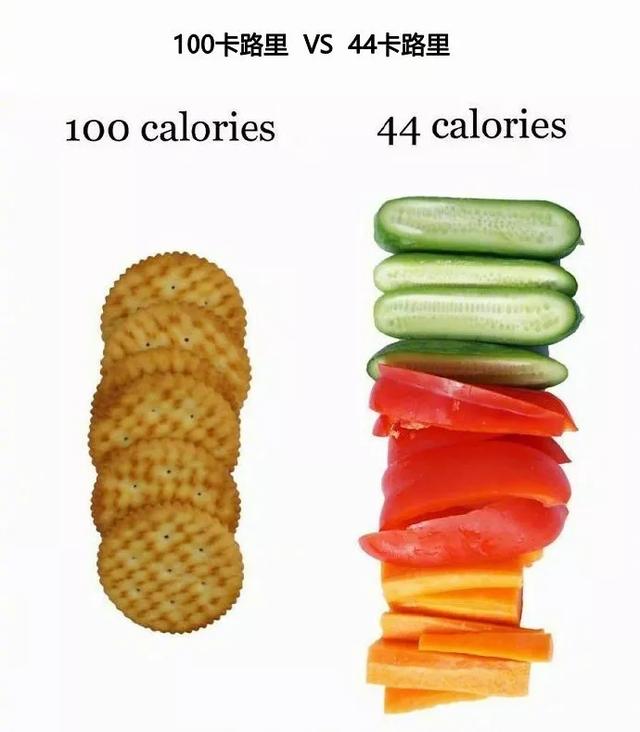
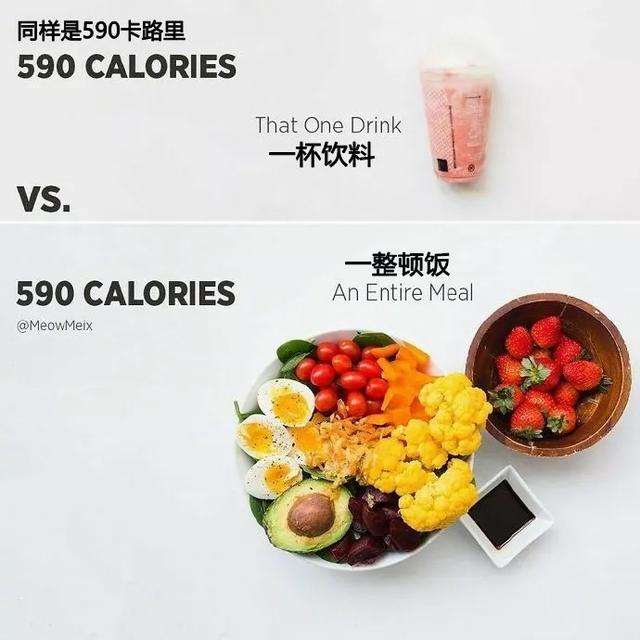
Little Miss Small Account is calculating… it might be the way you eat! Eating less doesn't necessarily mean weight loss; we also need to consider the calorie content of food, which is the most important thing. Below, Small Account presents a large batch of pictures, everyone please take notes!
A very popular blogger, Amanda Meixner (Instagram account @meowmei), is both a nutritionist and a fitness coach, and frequently shares her weight loss secrets through interesting charts on Instagram, currently boasting over 700k followers worldwide.
Amanda Meixner often shares her weight loss philosophy on Instagram—no strict dieting, no restrictive diets (of course, not to say recklessly eating), but rather to correctly understand the calorie content of food to achieve healthy weight loss while eating.

The nutrition blogger on Instagram, Amanda Meixner, explains this problem with pictures. One set of pictures shows the foods she doesn't recommend eating and the reasons. These foods can be replaced with the other side, which are much healthier and won't make weight loss so difficult. Some have direct calorie labels, so you can see how to eat.
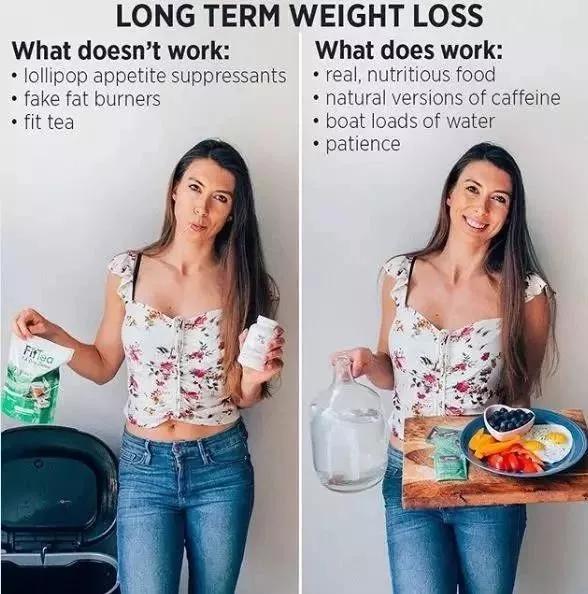
For example, eating only egg whites and eating a whole egg both intake calories and fat, but the whole egg has a higher nutritional value.
These are all tested by her herself.
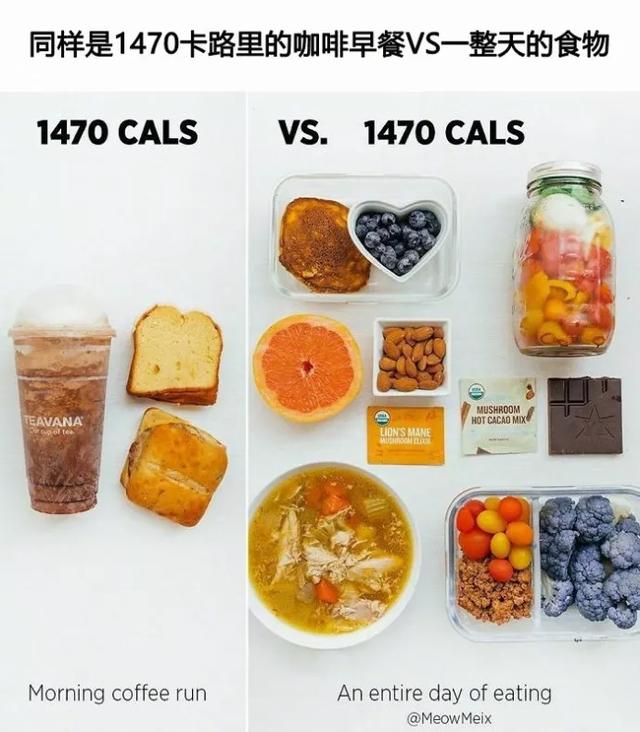
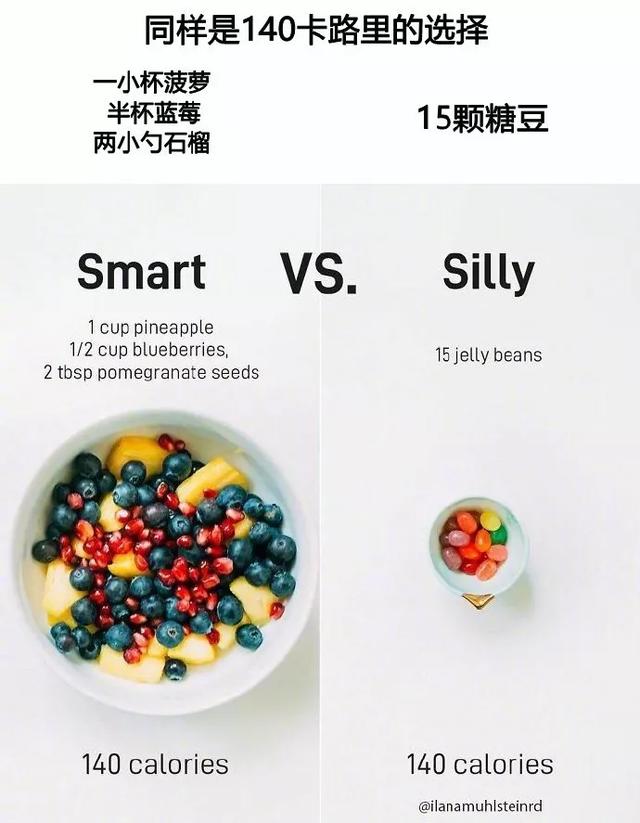
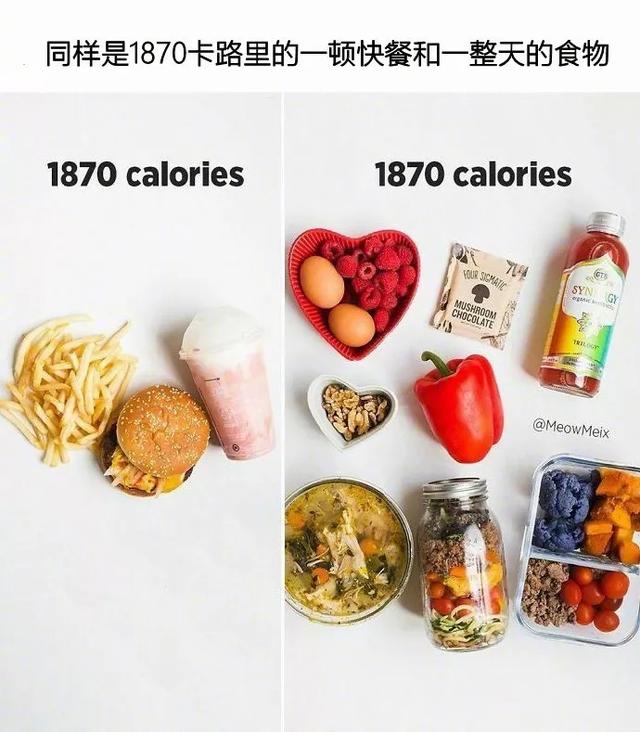
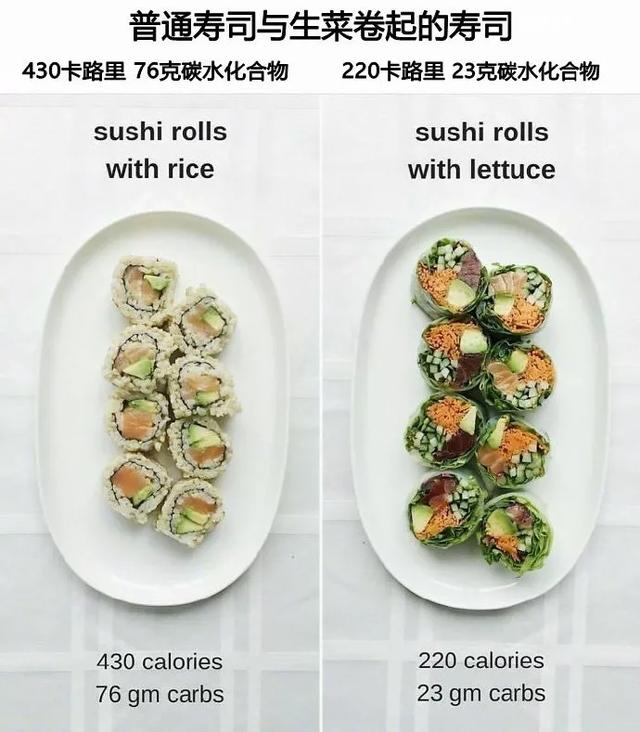
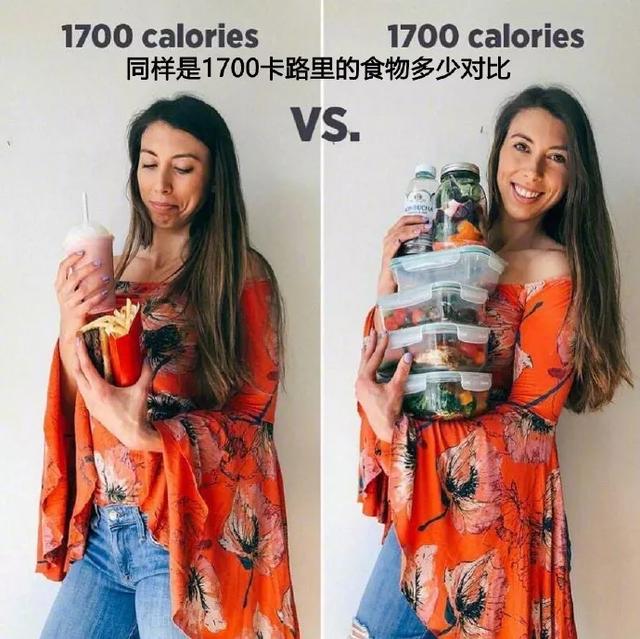
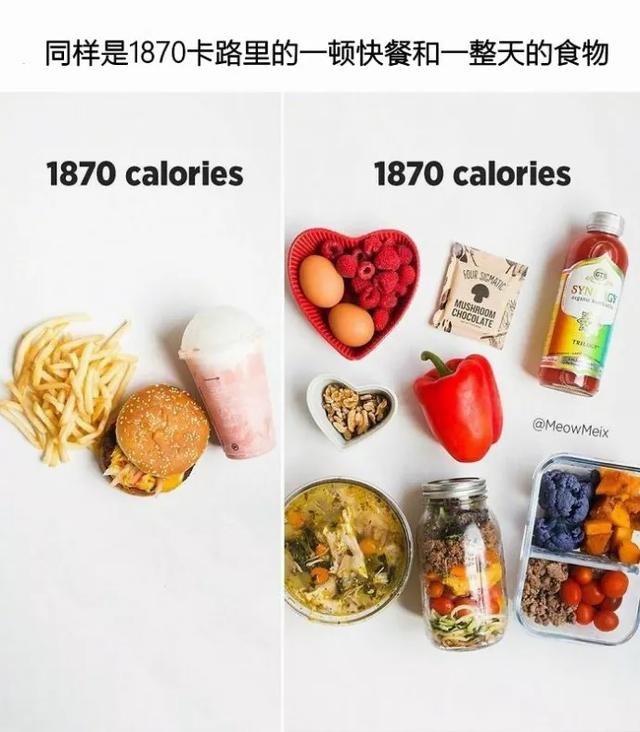

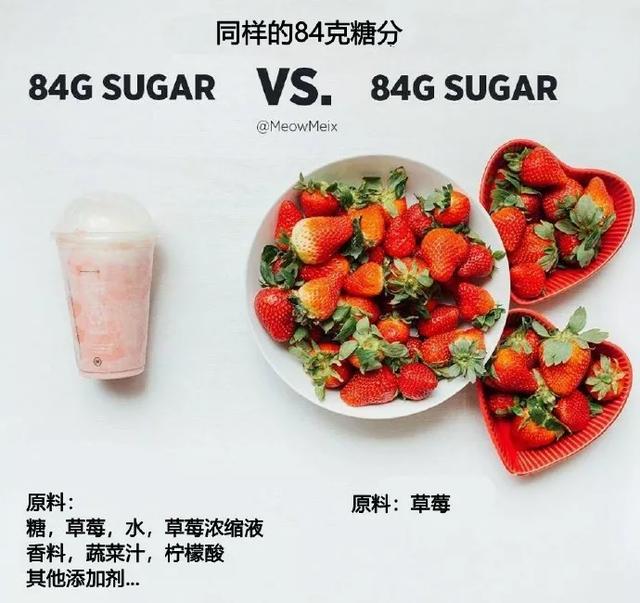
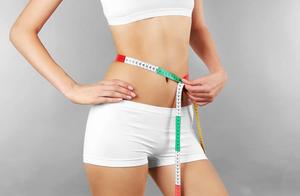
You can see the difference in her figure before and after.
It's really not just about eating less.
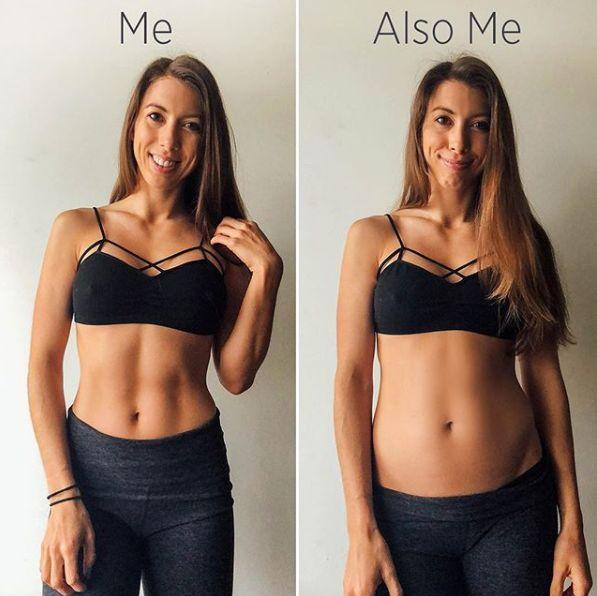
It's about eating healthily.
So, how should you plan your diet during weight loss?
During weight loss, it's important to ensure the intake of staple foods. To reduce body fat, it is recommended to eat a high-protein, moderate-carbohydrate, and low-fat diet. Avoid fried and stir-fried foods and choose steamed and boiled foods.
1High protein:
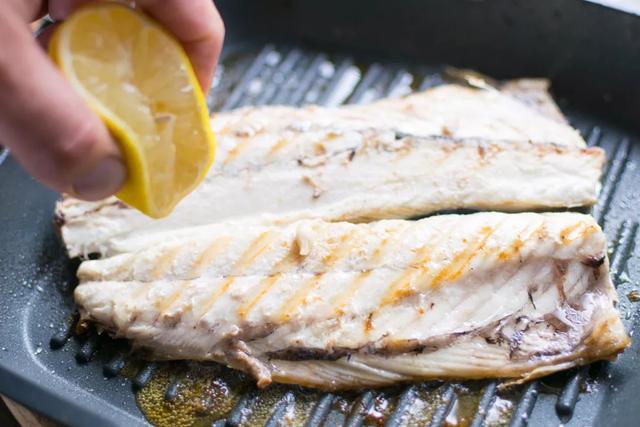
During weight loss, you can eat more high-protein foods, such as chicken, fish, shrimp, chicken protein, etc. Protein can increase satiety, boost the basic metabolism, and reduce the secretion of adrenaline, thereby reducing the formation of excess flesh.
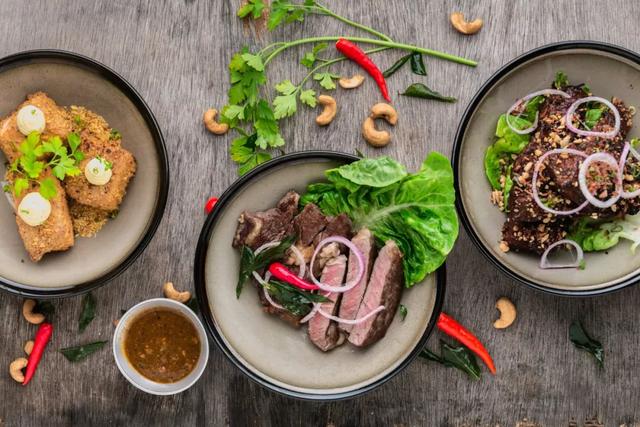
Most importantly, protein will not be stored in the body and will not be converted into a large amount of fat. Besides being used for normal physiological needs (such as providing protein for muscles), most of it is metabolized into energy.2Moderate carbohydrates:
Reduce the intake of carbohydrates, such as rice, noodles, and steamed buns. Carbohydrates are the main source of energy and provide energy to all cells.
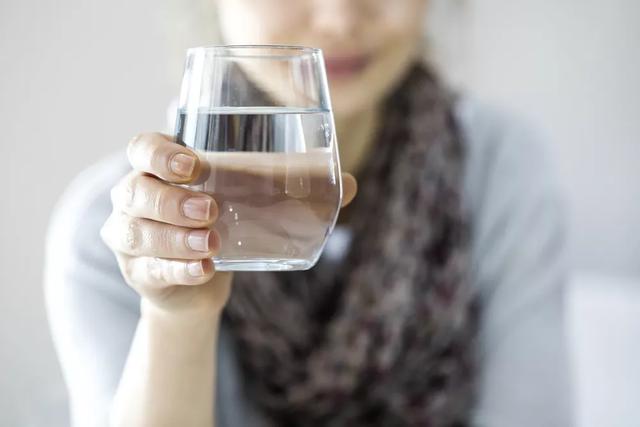
However, excessive intake of carbohydrates will maintain a relatively stable blood sugar level, and then store it as glycogen in the liver and muscles, providing the required energy. So, eating too much will lead to obesity. Therefore, it's necessary to reduce carbohydrate intake during weight loss.3Low fat:
Avoid foods with high oil content and fried foods. Avoid animal fats and fatty meats. Or, choose chicken, duck, fish, and shrimp, which have a relatively low fat content and are rich in essential unsaturated fatty acids. They are beneficial for high cholesterol.
4Never eat snacks
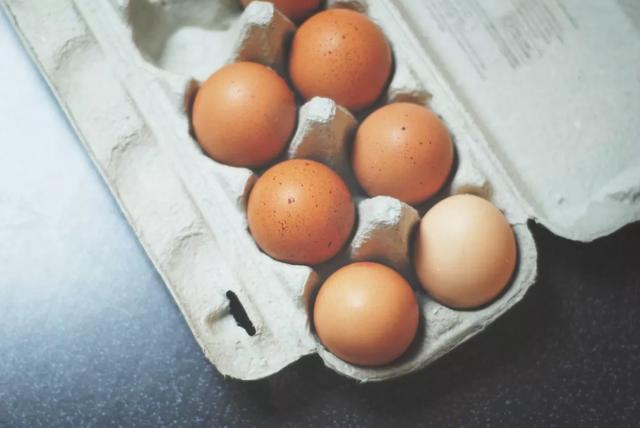
Drinks, cookies, chips, etc. absolutely cannot be eaten. One bowl of rice is 1.15kcal/g; chips are close to 6kcal/g. Two bowls of rice are 115 big calories, while 100g of chips (a large bag of Lay's chips is 75g) is 550 calories. Basically, one bag of chips is 6 bowls of rice. Some weight loss people don't eat full meals, going to eat sesame balls, sausage rolls, or bean paste cakes! 5If possible, consider eating smaller meals between meals
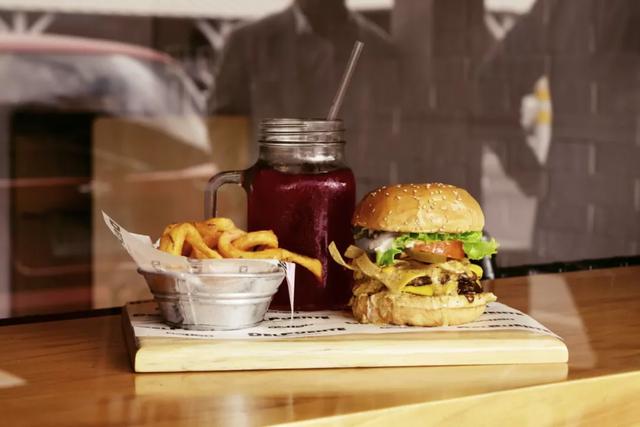
Increase a small amount of food intake between breakfast and lunch, and between lunch and dinner. Spreading Chinese and dinner meals into other two meals. This is called snacking. The snacks don't need to be a lot of food, such as a cup of milk, an apple, or a corn on the cob, which can increase satiety and boost the basic metabolism, and reduce the intake of lunch and dinner.1.15kcal/g6kcal/g115100g75g5506
5