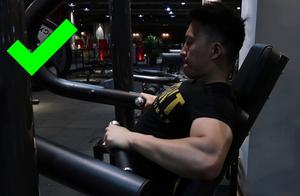
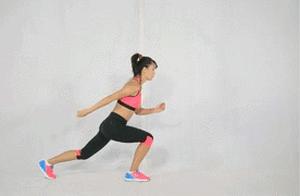
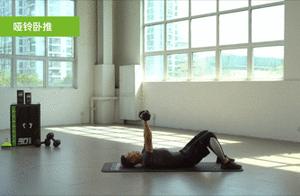
Neutral Position: Standing with Upright Posture, Sitting with Straight Posture, Running with Running Posture
Going to the gym, coaches often mention a word: neutral position. Strictly speaking, the so-called 'neutral position' refers to: standing upright, facing forward, both eyes level with the front, both feet together, toes forward, both upper limbs drooping on either side of the trunk, palms facing forward.
Can't picture the text?
Let's think about the army posture training back then. That's pretty much what it is.
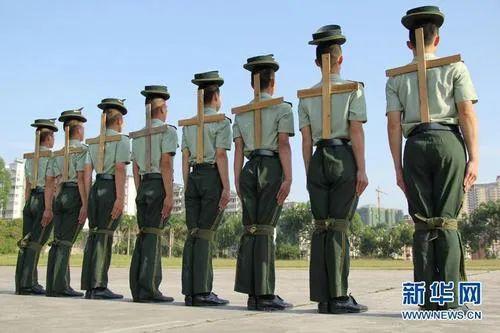
Army posture is a neutral position exercise.
Isn't it strict?
Narrowly speaking, the neutral position refers to the 'neutral position' of the spine. When coaches (including Old Q when training running posture) talk about neutral position, they are referring to the 'natural physiological curvature of the spine'.
Look, this is the 'natural physiological curvature of the spine'
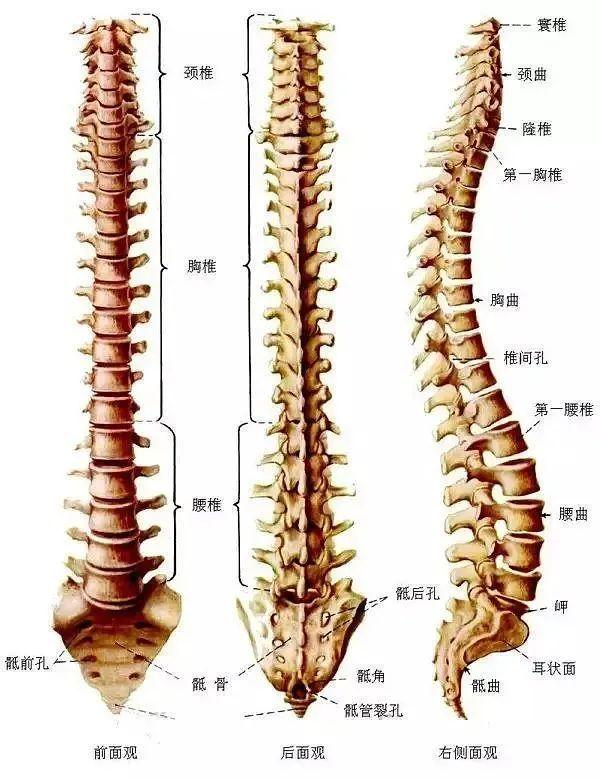
Three perspectives of 'natural physiological curvature of the spine'
As a reminder, our big guys look straight because the outside of the spine is filled with organs and flesh. The spine itself is naturally curved.
Here's another way to understand neutral position
On Earth, we are subject to the force of gravity. The force of gravity acts on the human body, pointing towards the center of the Earth (perpendicular to the ground).
When we stand, some parts of the human body, such as the ankles, knees, hips, and ears, are in a straight line. This is the human neutral position.
This position is a state of balance, including front-back balance, left-right balance, so we can use the most efficient way to counteract gravity.
The more the human body deviates from the neutral position (deviates from a balanced state), the more effort is needed to maintain this balance.
For example, this picture clearly shows the difference.
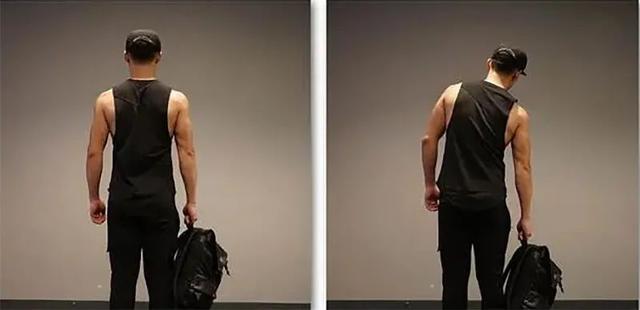
Neutral spine and scoliosis comparison
The left picture is easier when in neutral position, without needing to consciously maintain the body's balance.
It's a shame that we rarely consciously maintain the neutral position in everyday life—remember when parents used to say 'stand with a straight posture, sit with a straight posture'? So we see many people (especially adults) hunching over with backpacks, bending over to pick up things, and looking down at their phones. This is because they haven't been countering external forces, so the spine has become curved, leading to hunching, bending over to look at phones, etc.
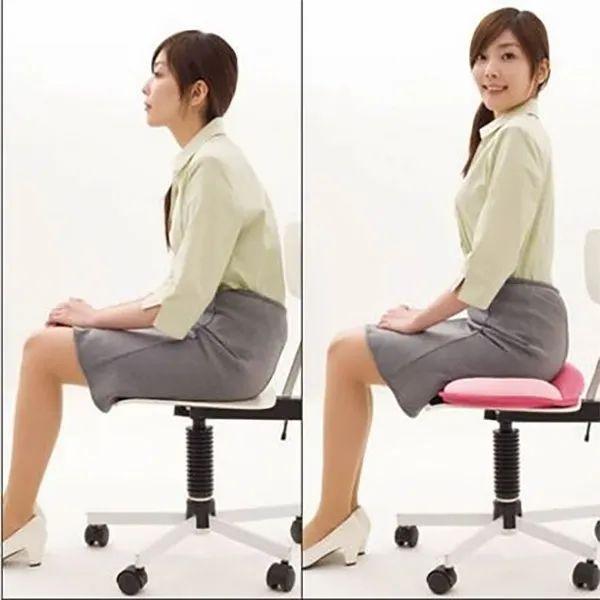
Bad sitting posture vs. good sitting posture
When the spine is not in a neutral position, it's easy to cause the muscles around the chest and the lower back muscles to remain in a state of tension, and the range of motion of the shoulder joints will be limited, leading to back pain and pain.
If you don't improve your strength level, it may also be related to your posture in daily life.
In any exercise, if the adjustment and control of posture is improper, it may cause compensatory movement, which will affect the quality of the movement completion, reduce efficiency, and also increase the risk of injury.
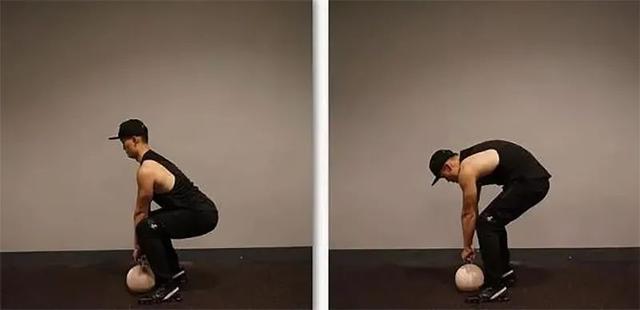
Running is the same. Not many runners can always maintain a neutral spine while running. For example, in a marathon, after 30 kilometers, many people are stumbling and falling. On the one hand, the core muscles are not good, and on the other hand, the habitual running training hasn't had the awareness of maintaining a neutral spine.
Comparison of maintaining neutral position during deadlift (left) and bending over to deadlift (right)
Therefore, we need to maintain a neutral posture not only in exercise and training, but also in our daily lives—letting the spine remain in a neutral position is the best habit, instead of hunching, tilting, and lowering our heads.
Especially for families with young children, you really need to keep reminding them: 'stand with a straight posture, sit with a straight posture'.
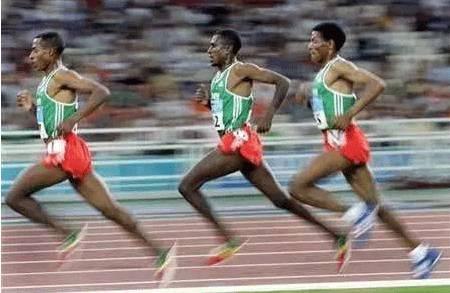
For runners, 'run with a run posture'.