Want to Improve Your Bench Press Ability and Become a Bench Press Master? Here are the Techniques You Need to Master
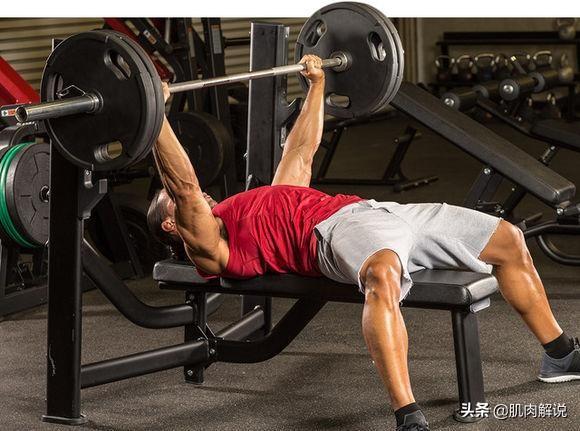
The most common greeting in the gym is 'How much can you bench' and many people secretly compete with this seemingly casual remark,Barbell bench press (hereinafter referred to as bench press) is a basic strength training movement and also an event movement in powerlifting. Although this sport is very popular, it seems confusing for most amateur bodybuilders how to do the correct technique and how to improve their bench press results,In powerlifting, we can see people who can bench press 2-3 times their body weight, and we can see newly graduated football players using a weight of 100kg to run 20-30 times or more. What did these people do differently? Of course, there could be super genes and drug use, but it's not just that. People who are good at bench press know the correct posture and technique, which is not very good for most people. Furthermore, people who are good at bench press will also do some special sets and repetitions arrangement, as well as different plans,In the following content, we will talk about the correct posture and form of bench press and how to improve maximum strength,1, Grip
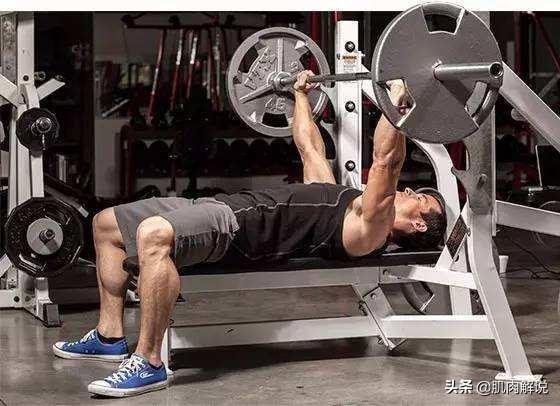
The traditional bodybuilding grip allows the elbows to open close to 90 degrees, which can indeed stimulate the chest more, but it is not ideal for strength development and maintaining shoulder health. Holding the grip too narrow will also reduce your strength because the degree of force exerted by your chest will be greatly reduced. However, close-grip bench press is a very good auxiliary exercise for bench press,Then you need to make your biceps and body at the bottom of the movement angle between 45-60 degrees, and the wrist should be above the elbow,2, Shoulder blades
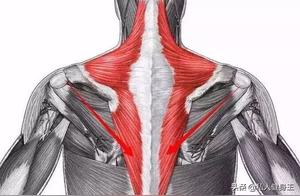
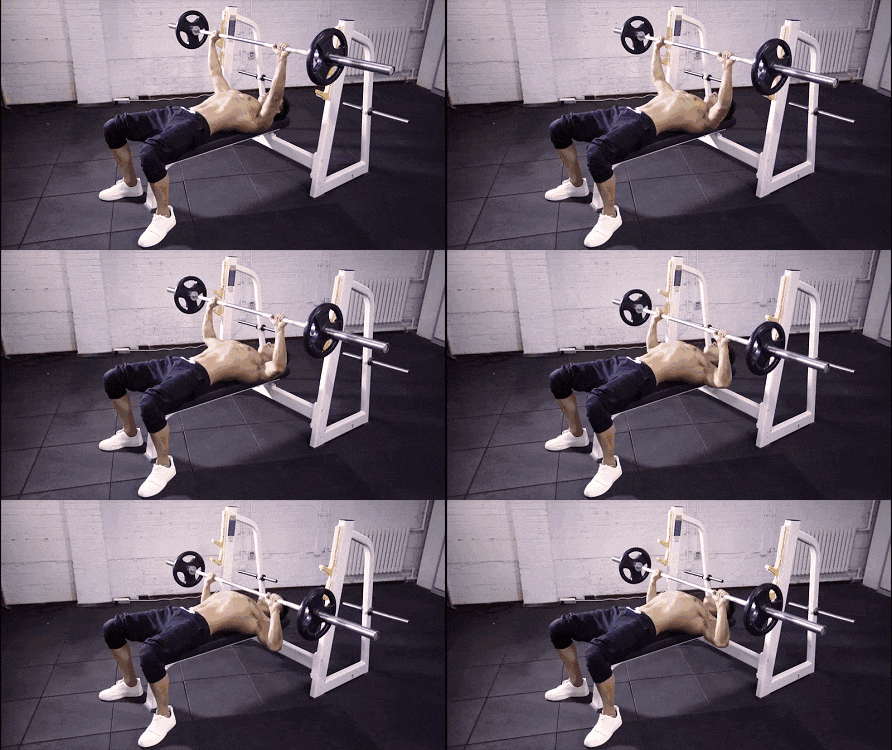
The position of the shoulder blades is often ignored in bench press, and it is also the most difficult part to learn bench press. You need to keep the shoulder blades in a retracted and depressed state. You can imagine putting the shoulder blades in a pocket and always maintain this position. Make sure not to protrude or shrug the shoulder blades during the movement, which is the most common mistake people make at the top of the movement,,3, Foot position
When bench pressing, although the chest is the active muscle, the whole body participates, including the lower limb. The feet should be firmly placed on the ground, completely in contact with the ground, instead of letting the feet hang in the air as many people do, which will lead to instability, reduce the weight to be pushed up,4, Barbell trajectory
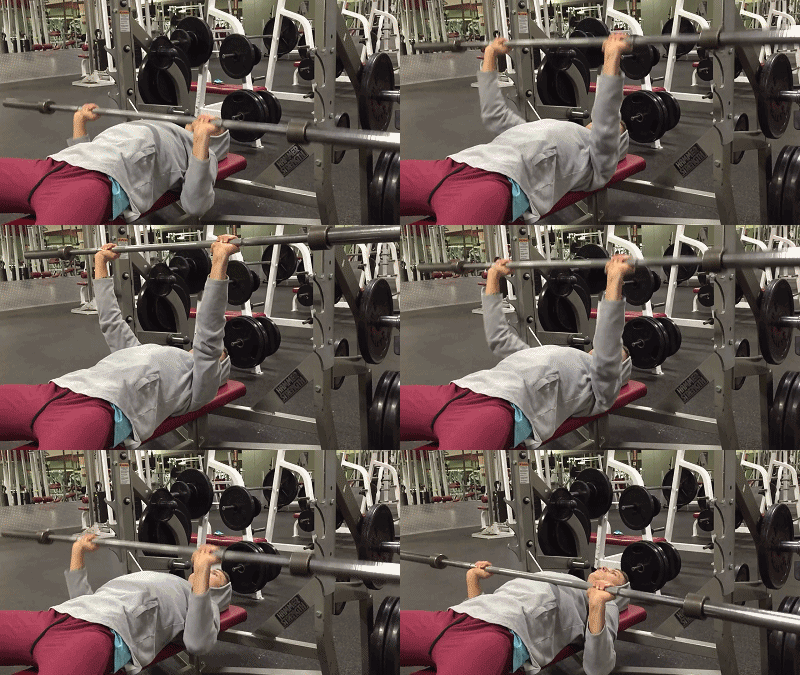
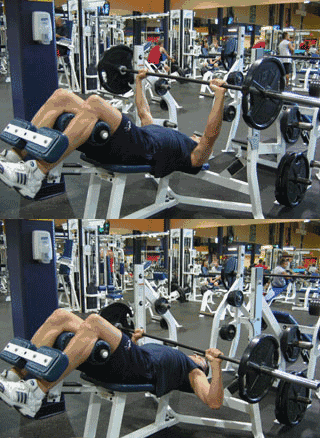
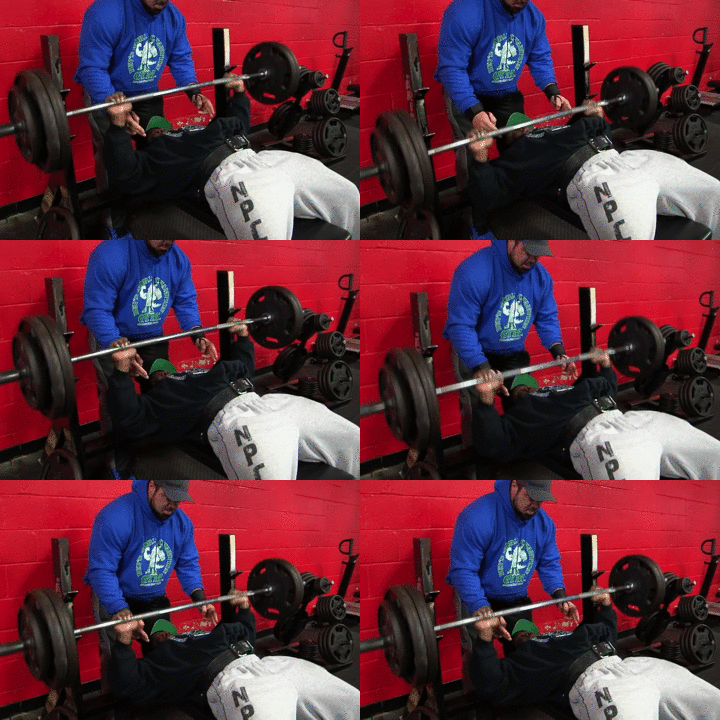
Most trainers make a common mistake by placing the barbell directly in front of the chest, which will cause the elbows to open too much. At the bottom of the movement, the barbell should be at the level of the nipple,In the upward pushing process, the trajectory of the barbell should be a slight arc. In the ideal state, it is a slight J-shaped curve, not straight up and down. After the barbell touches the chest, pause for 0.5-1 second, which can increase the difficulty of the movement, but from a long-term perspective, it can improve your bench press performance,Goal: Increase maximum strength
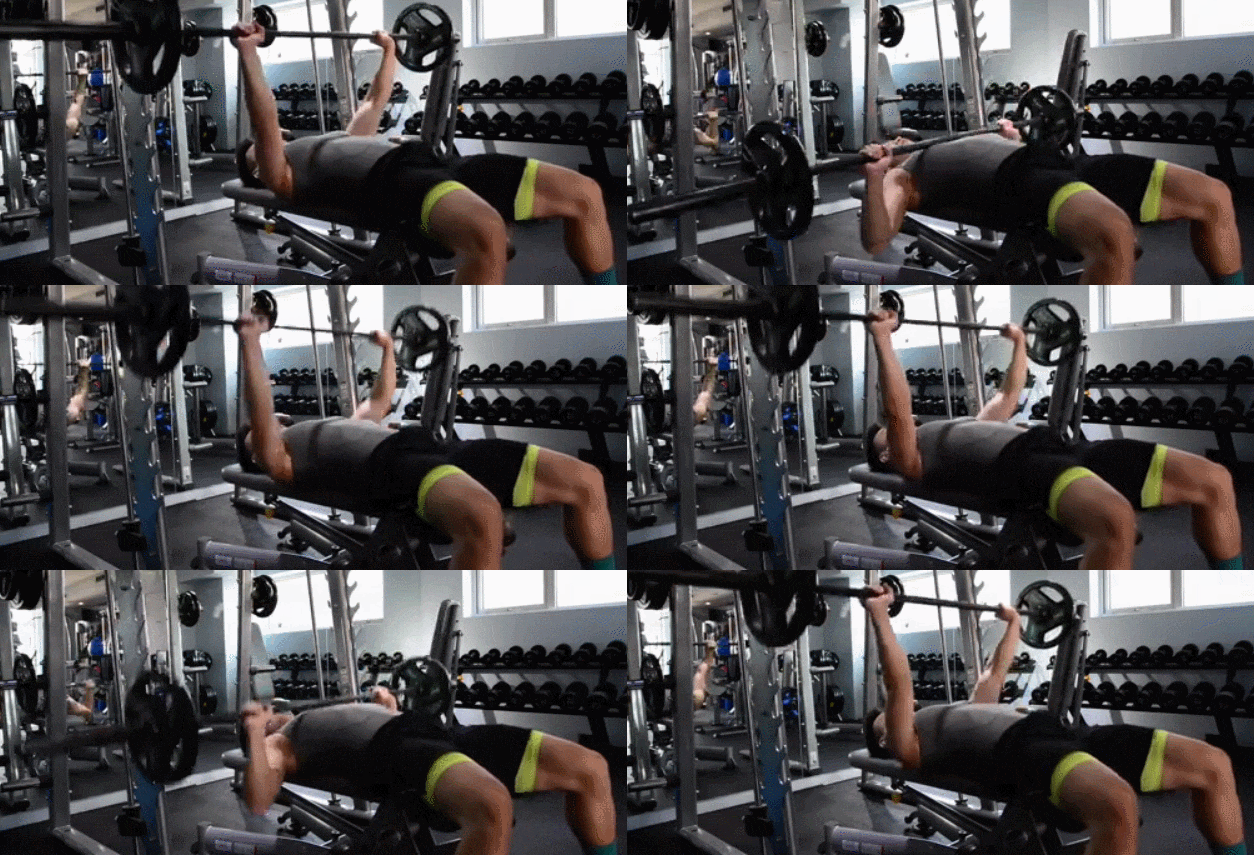
Your training plan depends entirely on your training goals. For example, if you want to increase your maximum strength, you must train with weight. However, if you want to improve strength and endurance, you need to train with lighter weights and more time,Developing maximum strength means increasing the total weight you can lift, but it doesn't mean you have to use heavy weights every week in the gym,Bench press is mainly a chest exercise, but it also helps to strengthen other co-working muscles and improve bench press performance,For every fitness enthusiast, the best auxiliary training depends on their own strengths and weaknesses. When the barbell is in the deceleration or stop movement range, this point is called 'viscous point', which helps to strengthen the movement amplitude.
45-60
2
3
4
J0.5-1
“”