How to Deal with One Chest Muscle Being Larger Than the Other? 4 Methods to Effectively Correct Asymmetrical Chest Muscles

I encountered a situation where my chest muscles were uneven when I first started exercising, but I didn't pay much attention to it at the time.
After a year, my chest muscles became symmetrical without any specific correction.
Therefore, for beginners, slight size differences, thick and thin legs, and high and low shoulders don't need to be too concerned about.
Later, because the training is all symmetrical training, when doing bench press, you use dumbbells with the same weight on both sides, so it can be quickly solved.
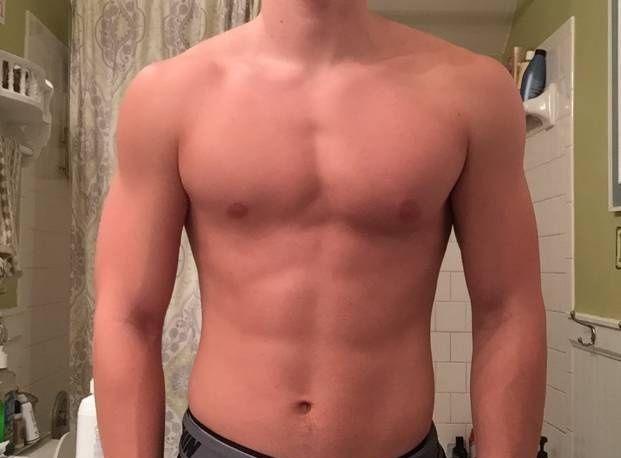
Of course, some players are more serious, and symmetrical training can actually make the chest muscles more asymmetrical if done.
How to solve this problem? Today, let's share 4 methods with you.
Weak Side Isolation Training

The first is simple and direct weak side isolation training, which means if your left chest is smaller, you should do more left-side training.
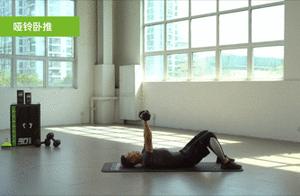
For example, after doing regular bench press, you can do left-arm bench press specifically.
Generally, we prefer isolation and fixed exercises.
For example, Smith single-arm bench press and dragon ladder single-arm chest fly are all good choices.
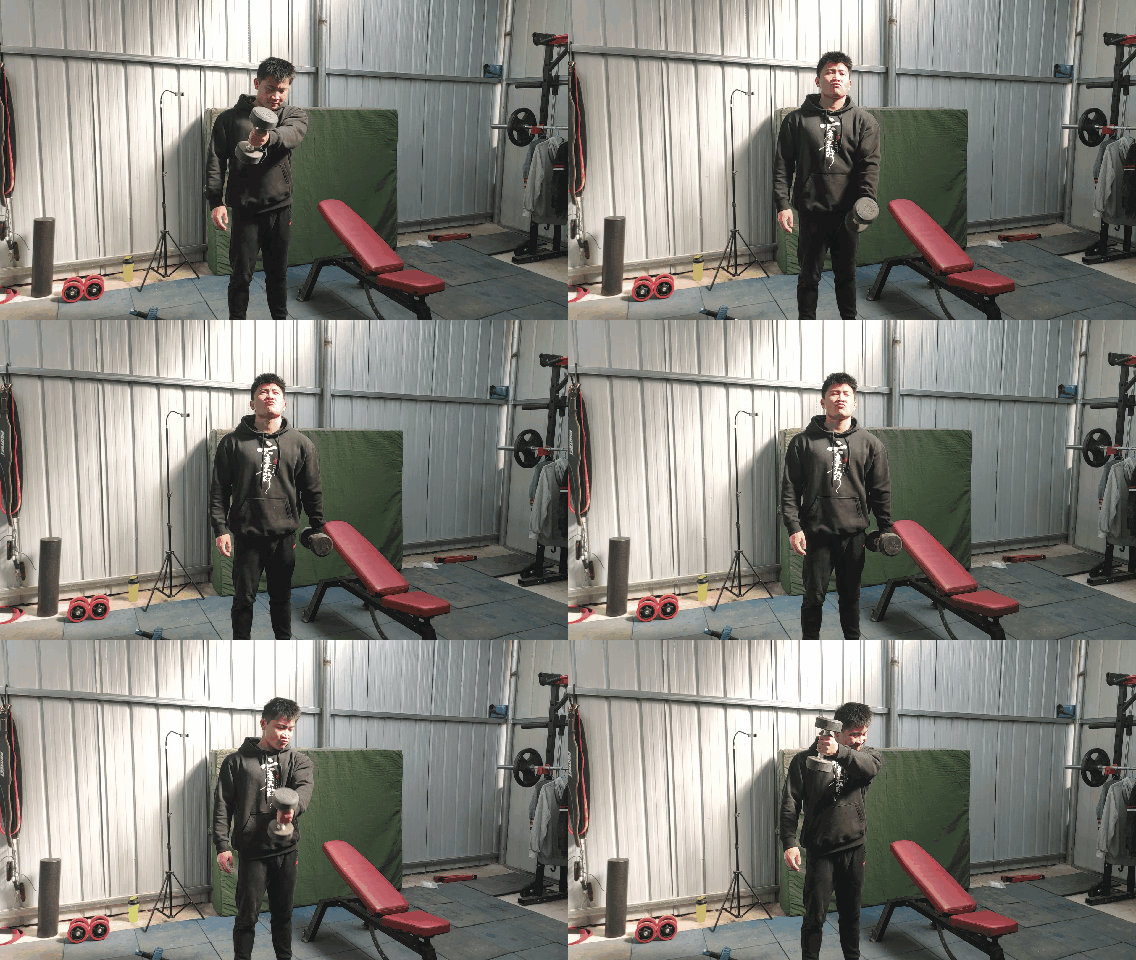
However, I introduce an action here that is very effective in correcting size chest and you can do it anytime, single-arm inclined fly.
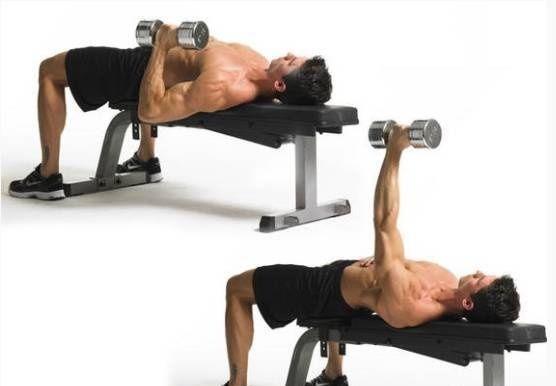
Hold a dumbbell, stand up straight, and keep your chest up.
Weak side extend the dumbbell forward to the strong side with a flat movement.
- Feel the muscle soreness and then lock it out.
- You can practice several sets every day, and feel a little time to practice, which is better.
- Reverse Hand Training
- The second aspect is from your training method to solve it.
The recommended way is reverse hand training.
When we usually train our chest muscles, we rarely use reverse hand movements, but you should know that reverse hand movements can stimulate the chest muscles more strongly.
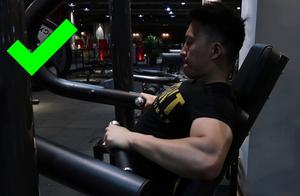
Therefore, if there are equipment conditions, you can use reverse hand movements to perform bench press.
For example, if you use dumbbells for bench press, if your left chest muscle is weak, you can use a reverse grip or a supinated grip on the left arm.
For example, if you use Smith bench press, you can use a left-hand reverse hand with the palm facing up and the right hand facing down.
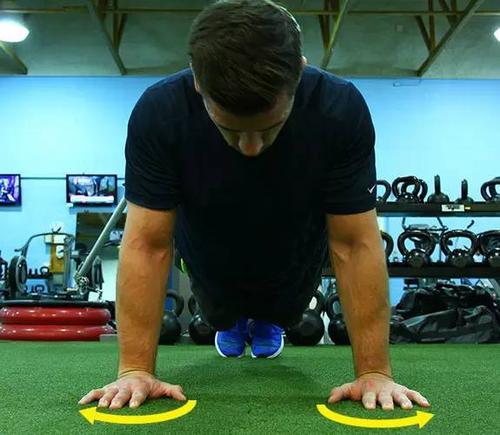
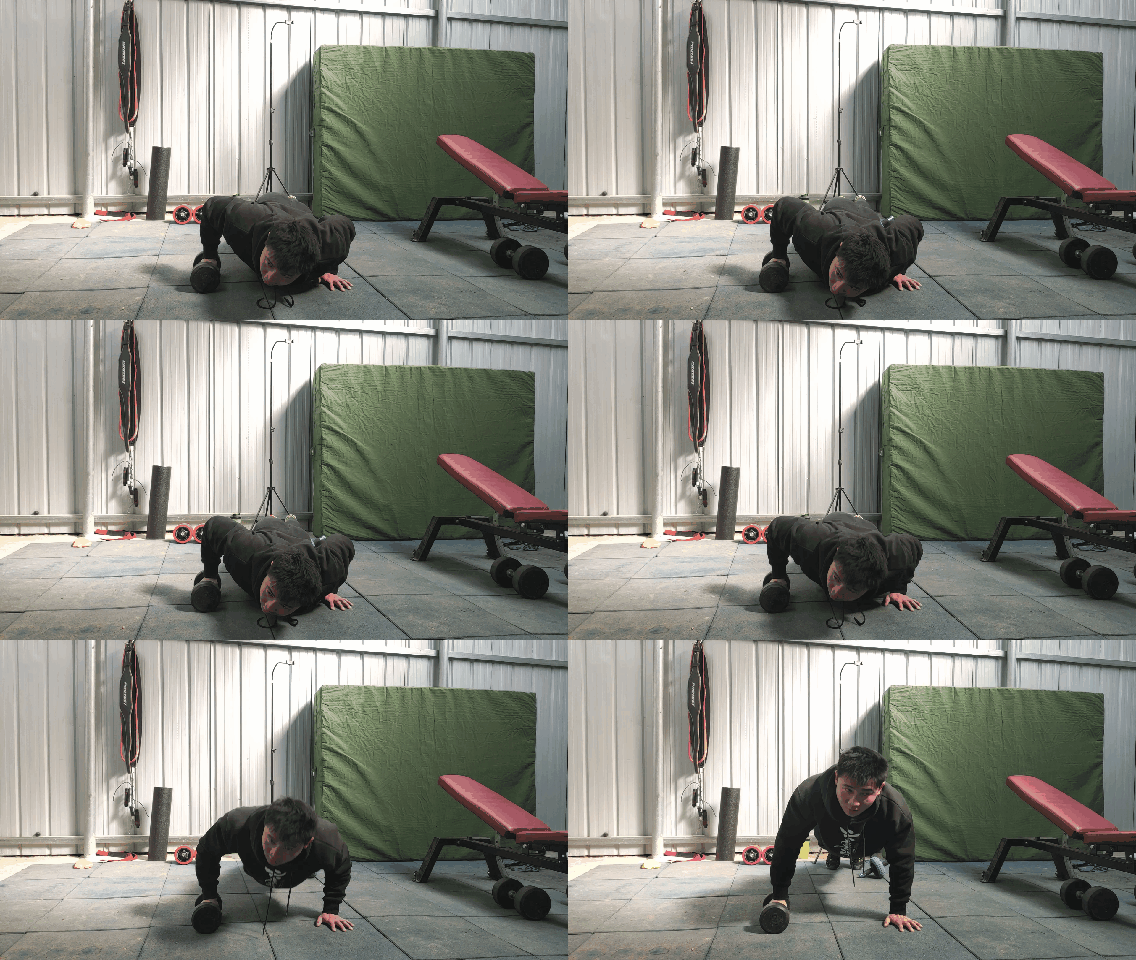
Another example is push-ups. You can do push-ups with your left hand pointing outwards, which will correspondingly improve the training effect of the left chest muscle.
In fact, it’s not only for people with one chest larger than the other, but also for high and low shoulders and left side feeling no chest muscle contraction, can be used in this way.
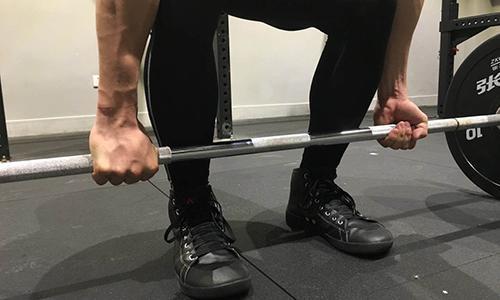
Reverse hand training is the way I recommend the most.
Weighted Practice
Weighted practice, we are more likely to accept, but has some difficulty.
Simply put, if your weak chest muscle on the left side, it should bear more load, and should be the return journey to take on more.
For example, when you do left-arm dumbbell bench press, if your left chest muscle is weak, you should use 20kg on the left and 17.5kg on the right.
For example, when you do sit-up chest fly, you can also use 30kg on the left and 25kg on the right, so you can correct it.
And bodyweight training is relatively easier to operate, such as weighted push-ups, and bow hand push-ups, etc.
However, when it comes to push-ups, weighted practice is more important to feel, rather than just looking at the action.
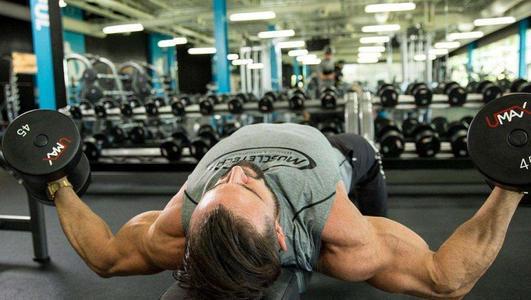
For example, some people press the weight high on one side, so you should let your left hand be low and your right hand be high.
My habit is to press the weight on the low side, so I usually have my left hand low and my right hand high.
Finally, correct with the dominant hand.
In the case of people who rarely exercise, the two sides are extremely unbalanced.
For example, some people don't even say they use their left hand to eat, let alone use their left hand to brush their teeth.
In this case, you need to adjust the balance of the two hands in life specifically.
When I was in junior high school, I discovered that my left side had difficulty with fine operations, so I would specially use my left hand to brush my teeth.
I would specially use my left hand to play basketball and use my left hand to eat, etc.

Similarly, you can just simply and don't need to put in too much effort, naturally adjust the balance of both sides, and thus make the chest muscles more symmetrical.
In fact, most chest muscle asymmetry problems can be solved with these 4 methods.
And everyone doesn't need to worry too much about this problem, and as the fitness level increases, chest muscle asymmetry will generally disappear.

4