Factors Affecting Badminton Flight Arc: Primarily Related to Racket Face Control and Shot Force
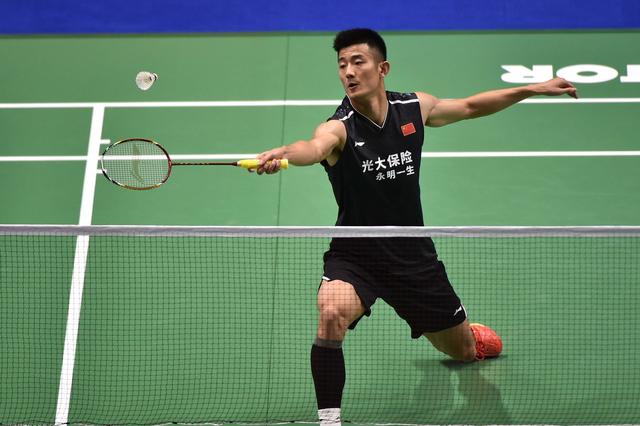
The quality of badminton shots is greatly influenced by the athlete's strength and overall physical condition, but the control of the badminton racket face also has a significant impact. Good racket face control can easily help you complete high-quality shots.
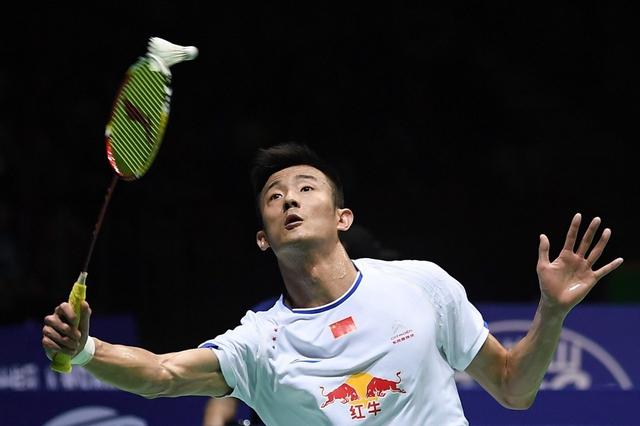
Due to the effect of Earth's gravity, the flight trajectory of a badminton shuttlecock always exhibits a parabolic state, and the flight arc and shot accuracy are closely related; if the arc is too long, the ball is prone to going out of bounds or landing too far from the net when using drop shots or net shots; if the arc is too short, it's easy to be killed by a return shot in the half court or difficult to pass; if the arc is too low, it's prone to landing on the net; and if the arc is too high, it gives the opponent ample time to counterattack, especially in front of the net, it's easy to be killed by a smash.
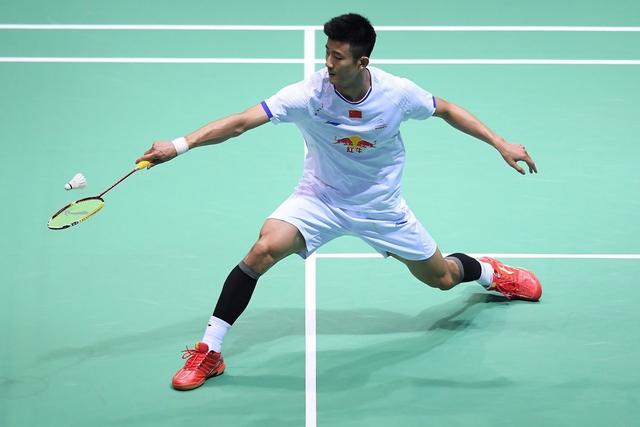
The factors affecting the badminton flight arc mainly depend on the control of the racket face and the size of the force applied during the shot. Understanding this characteristic of the badminton flight arc allows us to know that, when shooting, we not only need to comprehensively master various shot techniques, but also to accurately and skillfully control the size of the force and the angle of the racket face in the moment of the shot, to ensure the accuracy, stability, and aggressiveness of the shot.
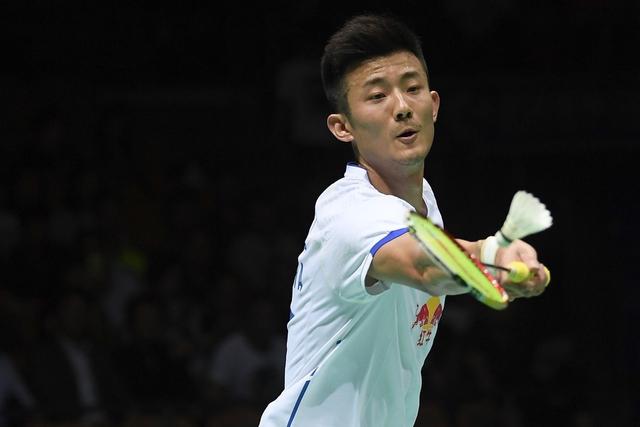
Racket face control refers to the relationship between the shuttlecock and the badminton racket when it hits the shuttlecock, and the racket face and the ground and net that it occupies. Racket face control includes the angle of the racket face and the direction of the racket face, the former refers to the angle between the racket face and the ground when the shuttlecock hits the shuttlecock, such as downward, forward tilt, slight forward tilt, vertical, slight backward tilt, and backward tilt; the latter refers to the angle between the racket face and the shuttle net and its extension line when the shuttlecock hits the shuttlecock, including inward cut (which means the racket face turns towards the body side), slight inward cut, vertical, slight outward turn, and outward turn (which means the racket face rotates outward towards the body side). For example, when playing a forehand diagonal shot, the racket face should usually be in a slight forward tilt, slight inward cut position; when playing a forehand high shot, the racket face angle should be vertical, and the racket direction should be slightly backward.