Should You Train When You Have Muscle Soreness?
Everyone has experienced muscle soreness, and there is disagreement about whether to continue training after muscle soreness. Some people feel that the more sore you are, the more satisfying it is, and the more precise it is; others believe that soreness will affect training levels and should not be done.
Should you continue to exercise when you have muscle soreness? Before answering this question, we first need to understand the causes of muscle soreness.

How does muscle soreness form?
What are the main types of muscle soreness?
① Acute muscle soreness, which is the soreness caused by lactic acid buildup after exercise.
The production of lactic acid is mainly due to glucose supply. Most resistance training is based on glucose conversion, which produces lactic acid when converting sugar to ATP, and lactic acid is also an energy substance. Muscle soreness is caused by the dehydroation reaction of hydrogen, which is acidic, so the muscle is sore
For example, the exercise of bending arms, most people will start to feel soreness when they reach 8-10 repetitions, this situation will usually disappear within a few minutes or hours after training

② Delayed-onset muscle soreness (DOMS).
DOMS is believed to be caused by the true muscle damage of muscle eccentric contraction, which is caused by muscle cell and cell membrane rupture/inflammation. It usually lasts for soreness symptoms for 1-2 days after exercise, and it is particularly strong after leg training
In addition, almost everyone will experience muscle soreness when they restart training after a period of time, from a physiological perspective of training, whether it is acute or delayed muscle soreness, is to let the muscles self-repair to adapt to the intensity of exercise, gradually increase muscle strength and endurance. So after a while you will find that the soreness will disappear
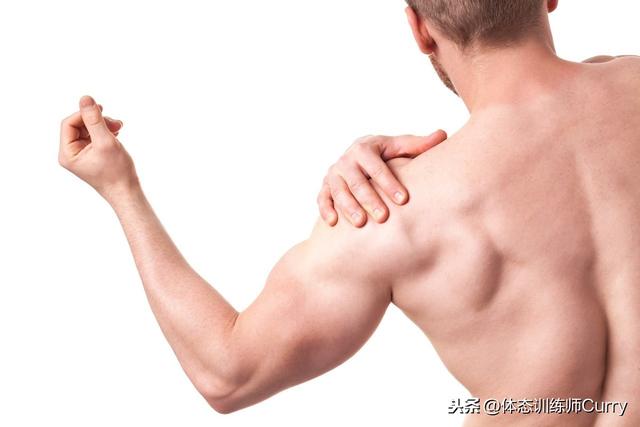
Should you train when you have muscle soreness?
The answer is not fixed, simply put:
Muscle tightness:Can be trained
Muscle pain is obvious (affecting life):Do not train
Muscle pain (accompanied by joint pain):Do not train
There are also some situations, for example:
If you are a beginner, you feel sore when doing anything:Can be trained
If the target muscle soreness:Switch to target muscle training
If the auxiliary muscle soreness:Can be trained
Everyone knows that delayed soreness of large muscle groups takes about 72 hours to recover, and small muscle groups take about 48 hours. You need to preserve your muscle recovery time. If yesterday you trained your legs and felt soreness, then today you can train your upper limbs, give your muscles time to rest
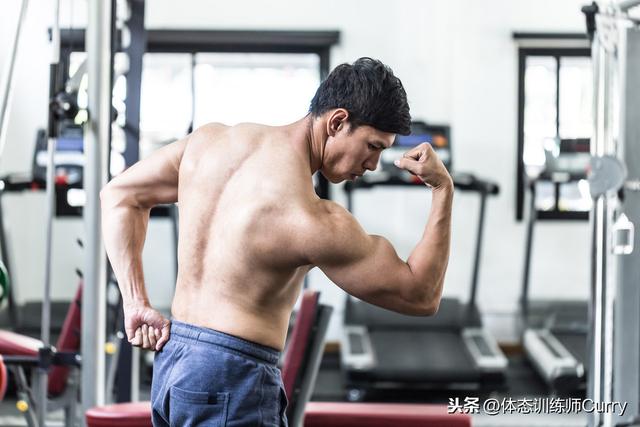
In addition, after training and soreness, it has not fully recovered, at this time to go and train, it is to destroy, destroy, continuously destroy, the muscle becomes smaller, and it is easy to get injured
What situation can I train?
Why do I support training in certain situations?
On the one hand, it is an inevitable soreness process for beginners, just like restarting recovery training
On the other hand, I have read a paper:
Delayed muscle soreness and overtraining both occur during the period after exercise, and the two have an objective relationship, that is, when delayed muscle soreness returns to the level of pain reduction, the body may have overtraining, or delayed muscle soreness is the basic condition for overtraining. Moreover, within a certain range, the degree of pain may be positively correlated with the degree of overtraining
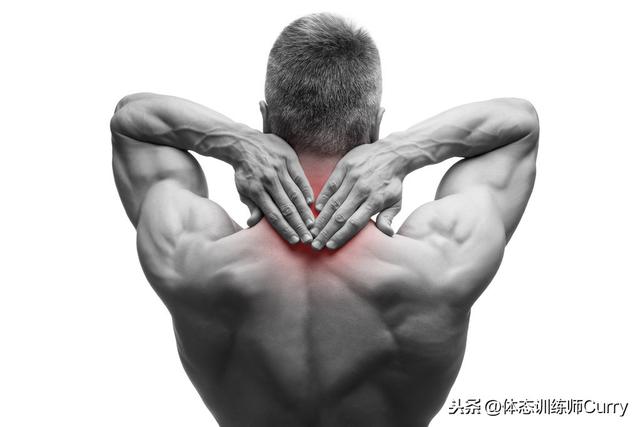
Of course, this has not been fully proven, but overtraining is inevitable. If you wait for the body to completely lose soreness, the time for overtraining is also over, so, within the range that the body can withstand soreness, you can choose to continue training according to the situation
How to relieve muscle soreness
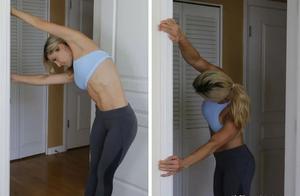
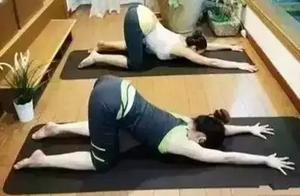
Of course, there are many online saying stretching, foam rolling can relieve it, everyone can try, but there is no evidence in the research that it is absolutely effective, the method still needs to be experienced by yourself
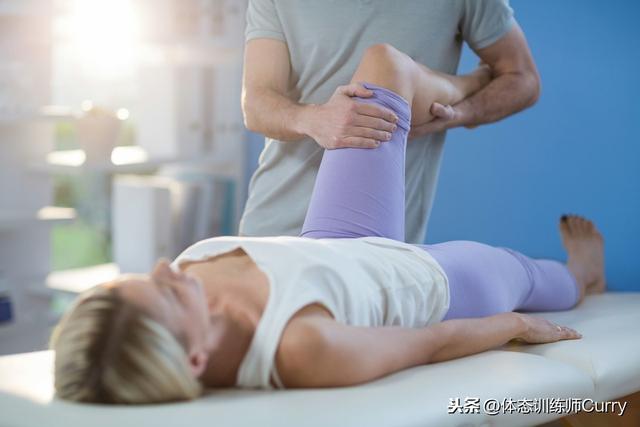
In addition, I also share two situations that appear with soreness, which can be improved
1, sleep
Adequate sleep can help us recover from strenuous training during the day, and every time during sleep can alleviate delayed soreness after exercise

2, supplement sufficient nutrition
Exercise consumes a lot of energy stores, you need to supplement it appropriately, so that your body can recover quickly, supplement your energy to make you stronger. In addition, research shows that supplementing BCAA+GLU (glucose) after exercise can improve DOMS effect and reduce inflammation factors, and improve protein breakdown