When do your forearms lose power during pull-ups? 3 strengthening exercises to increase muscle strength
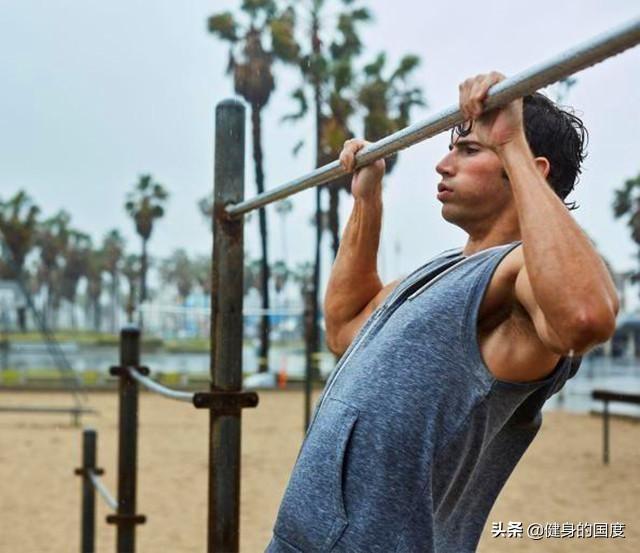
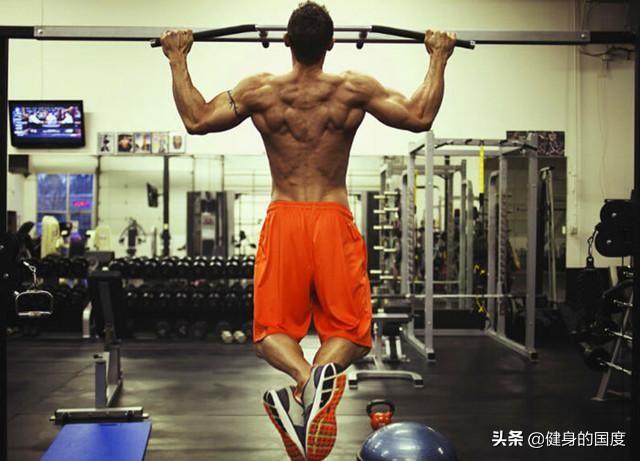
Everyone is familiar with pull-ups, a classic exercise for building wide backs. It mainly relies on the back muscles to generate force, with the arms coordinating to complete the movement. However, during the exercise, the arms suddenly lose power halfway through, causing the movement to fail in the middle, which greatly affects the training.
The structure of the forearm
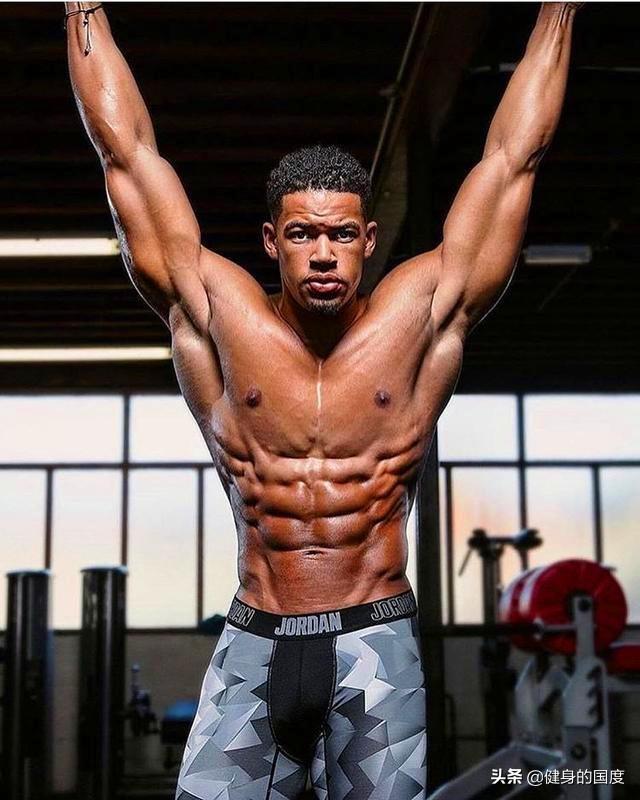
First, trainees need to clearly understand that it can bring beauty to both arms. If your upper arms are more developed, but your forearms are relatively weak, the overall aesthetic of the arms will be reduced.
Its muscle composition includes the extensor carpi radialis longus (ECRL), extensor carpi radialis brevis (ECB), flexor carpi ulnaris (FCU), digit extensor, and little finger extensor. These muscle groups cooperate with each other during training to complete the tasks assigned by the trainer.
The ECRL, when fixed close to the elbow, is responsible for flexion of the forearm at the elbow joint, causing the forearm to rotate inward or outward, keeping the forearm in a neutral position. The ECB, when fixed close to the elbow, is responsible for flexion of the elbow and wrist, while simultaneously extending the hand outward.
The FCU, when fixed close to the elbow, is responsible for straightening and coordinating the extension of the wrist; the little finger extensor, when fixed close to the elbow, is responsible for extending the little finger.
In conclusion, the forearm plays an indispensable role in upper limb movement. However, trainers often neglect the isolated strengthening of this muscle group, which can lead to muscle weakness in the forearm. How to strengthen it, please see the following explanation.
Exercise 1: Hammer Curl
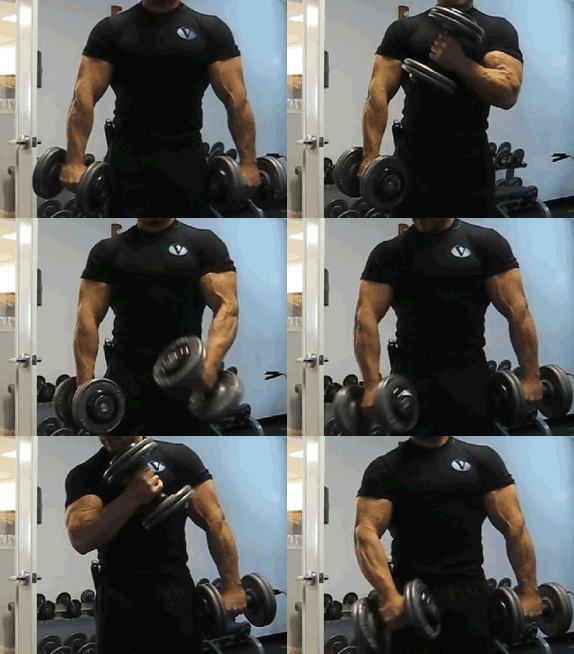
• Body in a standing posture, hands grip dumbbells in front of the body, palms facing inward, maintain stable body.
• Tighten the core, lift the dumbbells upwards with both arms, rotate the forearms first at the starting point, so that the knuckles face upwards.
• Use the arm muscles to lift the dumbbells to the highest point (the angle between the upper arm and forearm is 30 degrees)
• Contract the forearms for several seconds, maximize the contraction of the forearms, then exhale to return to the ground, repeat the action.
Note on errors
1. The body shakes, causing other muscles to generate compensatory force, reducing the stimulation of the target muscle.
2. The shoulder blades lift up and move forward, this will also cause joint leverage, leading to insufficient muscle stimulation.
Exercise 2: Farmer’s Walk
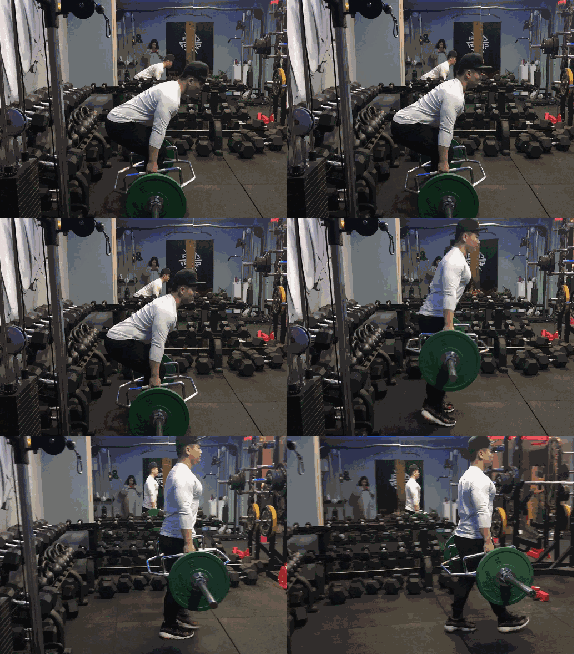
• Body standing in the center of the six-sided dumbbell, both arms extended, hands grasping the dumbbell handle, maintain the body’s uprightness.
• Tighten the core muscles, use the forearms to propel the hands forward.
• The distance is determined by the trainer’s requirements, the stronger people have a longer distance, the weaker people have a shorter distance.
Note on errors:
1. The hands grasp the handle firmly, do not shake, which will cause hand injury.
2. Maintain a straight body, control the walking speed, maximize the strengthening of the forearm muscle strength training.
Exercise 3: Reverse Barbell Curl
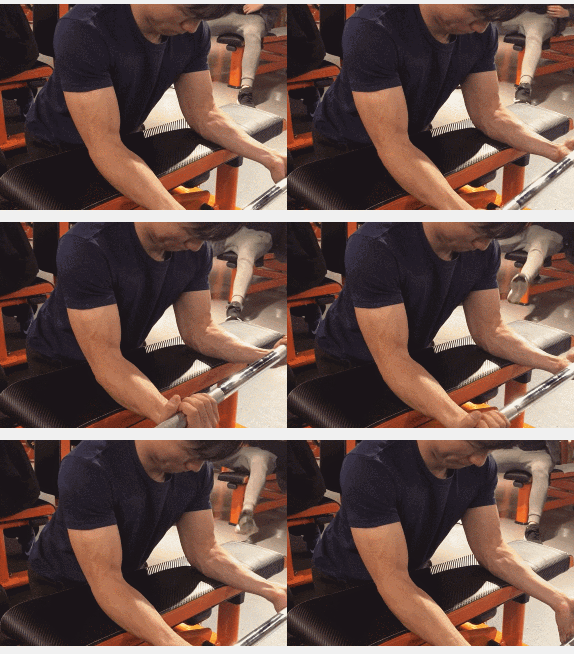
• Body in a squat position in front of the bench, both arms support the bench, keep the arms contracted.
• Stabilize the upper arm, contract the forearm muscles, bend the barbell upwards.
• Maintain the highest point for several seconds, perceive the contraction of the arm muscles.
• Then lower the barbell to the starting point, hook the barbell back with the fingers, repeat the action.
Note on errors
1. Use a large weight during the exercise, which will increase the pressure on the wrist, causing sports injuries.
2. When lowering to the lowest point, use fingers to hook the barbell back, this can better stimulate the arm muscles.
3. Keep the elbow part stationary, body stability determines the exercise effect.
Forearm training plan
Strengthening the forearm can better assist the trainer to improve muscle strength. We should choose light weights, the training intensity should be between 2-4 sets, and each set should complete 12-15 repetitions.
In conclusion, in addition to overall muscle group training, we must not neglect the exercise of small muscle groups. Their function is also very important during training.