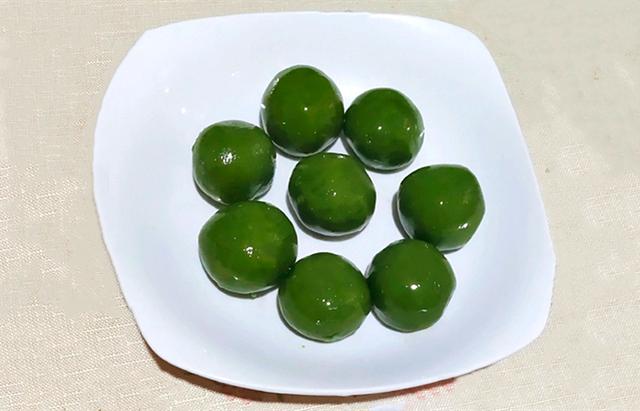
When Making Qingtuan, Don't Rush to Put It in the Pot – Take This ‘1 Step’ and Achieve Beautiful and Delicious Results, Collect Them!

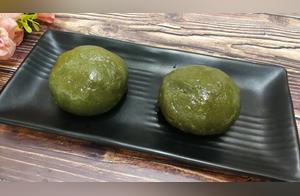
Many places have the custom of making qingtuan during Qingming Festival. Qingtuan is a food made from mugwort juice and flour, which is beautiful and delicious with a green color, soft and sweet taste, and a slight fragrance of mugwort. It is very popular, but the color turns black and unsightly. In fact, as long as you take this '1 step', it will be beautiful and delicious, and collected.
First, let's talk about the required ingredients: 260g fresh mugwort, 3g baking soda, 500ml boiling water, 600g glutinous rice flour, 360g sticky rice flour, 40g granulated sugar. Prepare 30g lard, if not, use butter instead.
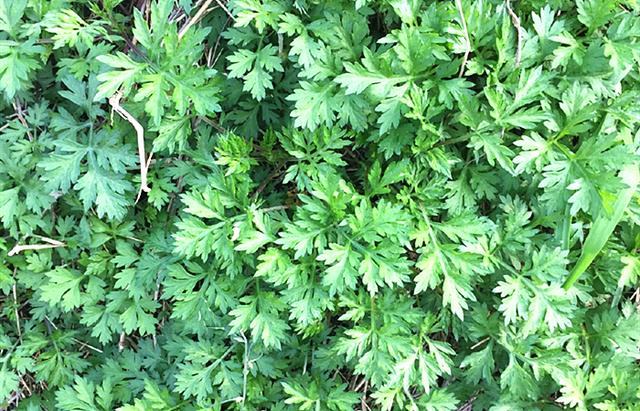
The first step is to pick a handful of fresh mugwort leaves, just tender leaves, wash them clean.Many people directly put them into the pot to boil and blanch, in fact, you should add another step, pour a little edible oil and baking soda into the pot. After the water boils, put the mugwort leaves in to blanch for 1-2 minutes, then take them out and put them in cold water to cool.
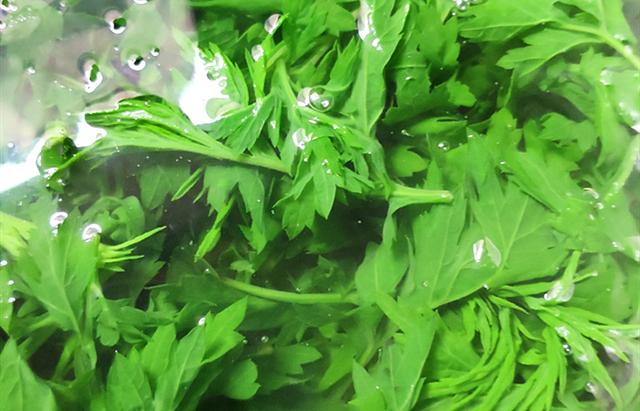
Blanching with edible oil and baking soda can maintain the tender green color of the leaves and prevent discoloration. In addition, putting them in cold water to cool is also to maintain the freshness of the color. Otherwise, the mugwort leaves after blanching, if exposed to air directly, will quickly oxidize and turn yellow-green.
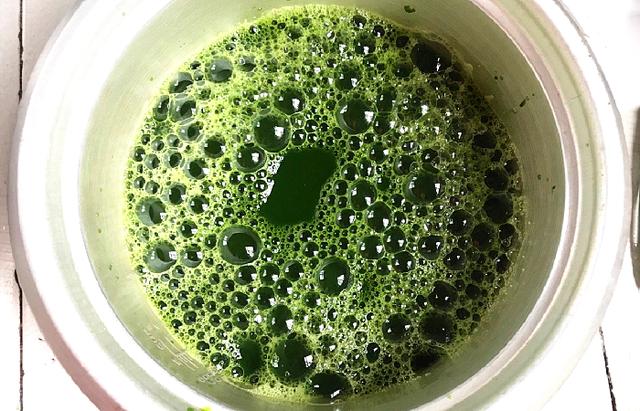
The second step is to squeeze out the mugwort leaves, put them into a blender, and pour in 500ml boiling water, and blend into a fine paste. If you don't want to see the fibers of mugwort clearly after making the qingtuan, you don't need to make it so fine. But remember to add boiling water, because the next step is to scald the glutinous rice flour.
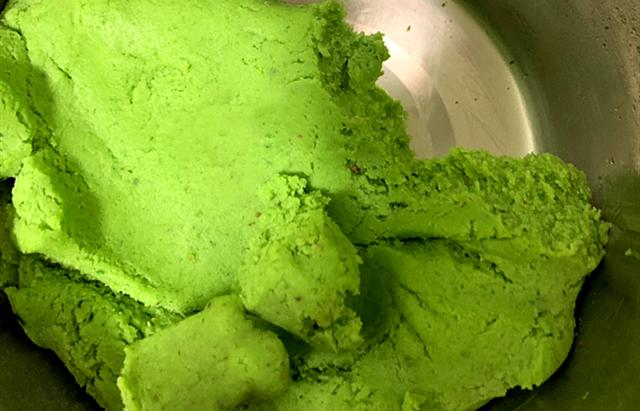
The third step is to prepare a basin, put in glutinous rice, sticky rice flour and granulated sugar, pour the fine mugwort juice into the basin. Prepare a pair of chopsticks, pour while stirring, you don't have to pour it all in, as long as you can knead the dough. It's best to make it a little harder, if it's too soft, add more glutinous rice flour to continue kneading. Then apply a layer of lard, and continue to knead evenly. The fourth step is to prepare the filling. This step can be chosen according to personal taste preference, you can make bean paste filling, egg yolk filling, walnut filling, date filling, filling, etc. Prepare it and knead into small balls.
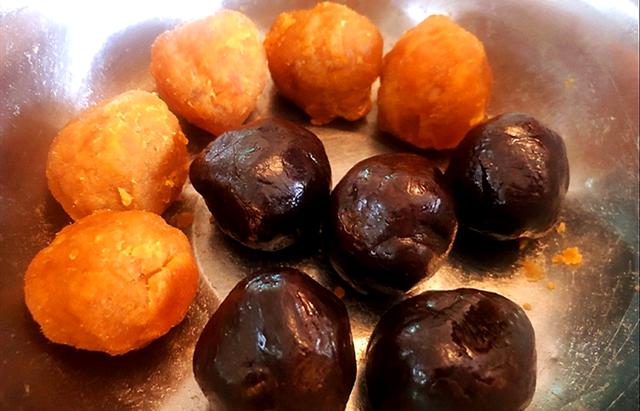
The fifth step is to make the mugwort sticky ball into small dough pieces, then roll them into thin slices. Just like wrapping dumplings, one slice corresponds to a small ball filling, wrap it up and knead it into a ball. This step is relatively simple, remember to knead it a little, don't let the filling leak out.
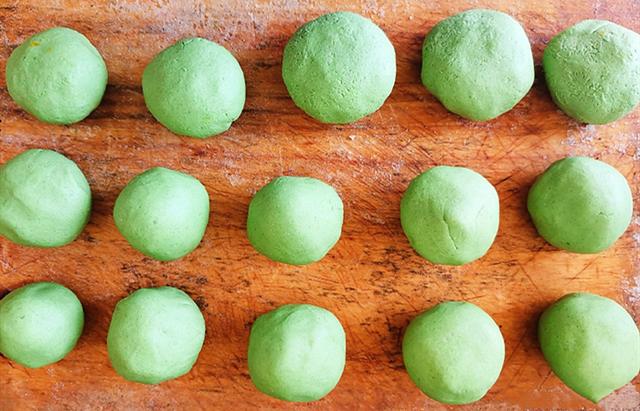
The sixth step is to prepare a steamer, add water and boil, put it on a steamer. After the water boils, put the wrapped qingtuan into it, about 15 minutes is enough. Pay attention to leave a little space between them to avoid squeezing and sticking when steamed. Remember a little trick, during the steaming process, you can lift the lid slightly, add a little hot steam, this can prevent the qingtuan from sinking.
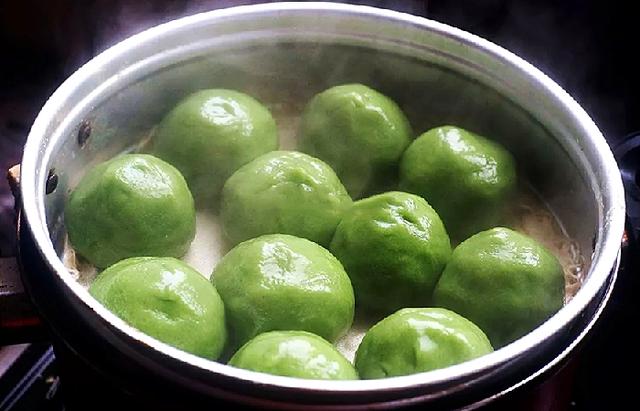
The seventh step is to steam the qingtuan until it is cooked, let it cool slightly, prepare a brush, moisten with cooked oil; brush a thin layer of oil on each qingtuan, and then wrap it with plastic wrap, and then put it in the refrigerator for storage. This can prevent the qingtuan from discoloration, many people's steamed qingtuan is very green, after a while it turns yellow and dark, which is because of oxidation.
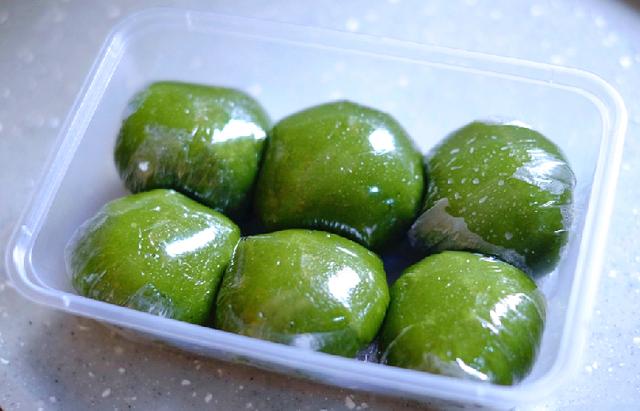
When making qingtuan, don't rush to put it into the pot, do this '1 step', it's blanching, add a little edible oil and baking soda first. Following the steps, it will not turn yellow and sink. It will be beautiful and delicious, and collected. Finally, let me reiterate 5 technical points, so that novices can make it beautiful and delicious
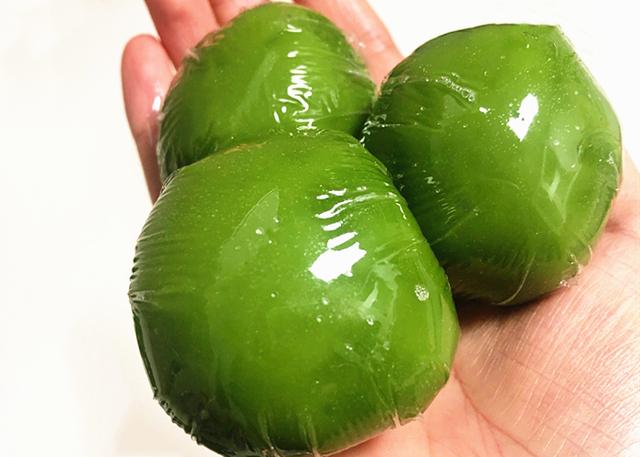
1. Mugwort needs to be prepared a lot. There are many in the wild now, so prepare a lot of mugwort, the green color of the qingtuan will be more beautiful, and the fragrance of mugwort will be more fragrant.
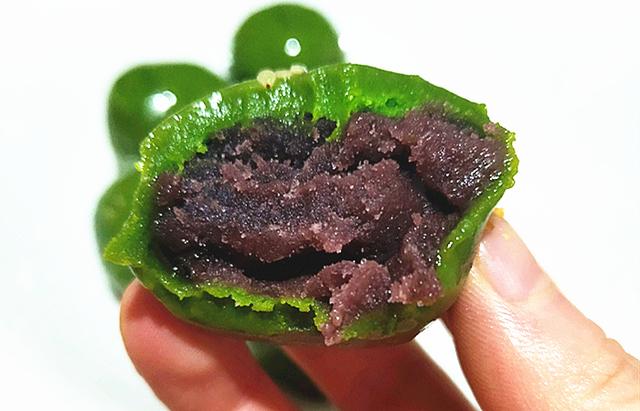
2. When blanching, you must add a little baking soda and edible oil, this is the key to maintaining the tender green color, a very practical little trick
3. Glutinous rice flour should be scalded with boiling water, this makes the taste delicious, and has a semi-transparent effect, and it won't harden when it cools down
4. The dough cannot be too soft, otherwise it will be soft and mushy after steaming, and it will not stand up. So the dough should be a little harder
5. After steaming, brush a layer of cooked oil. On the one hand, prevent cracking, on the other hand, prevent oxidation and discoloration.
5