Traditional Crafts About to Disappear: Handmade Noodles
Dingxi region is rich in potatoes, and the production of noodles has a long history, using traditional handmade techniques to produce noodles that are deeply loved by the masses and have become an indispensable staple food in people's daily lives.
Let's take a look at the traditional handmade noodle production process!
1. Selecting Potatoes
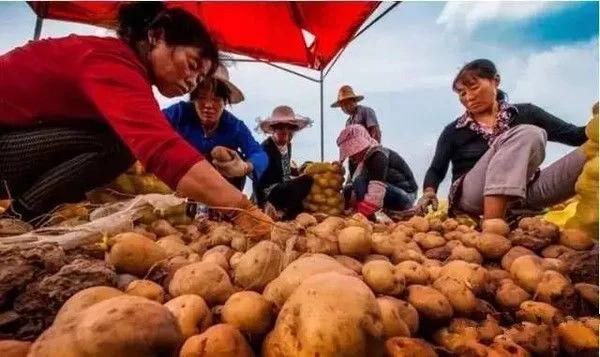
Select smooth-skinned, pest-free potatoes with no blemishes and a moderate size. Wash: Put the selected potatoes into a basket and into water, wash off the mud and debris, and cut off the two ends of the potatoes.
2. Milling Starch
After washing the potatoes, they should be immediately crushed while adding water, the finer the better!
3. Draining Water
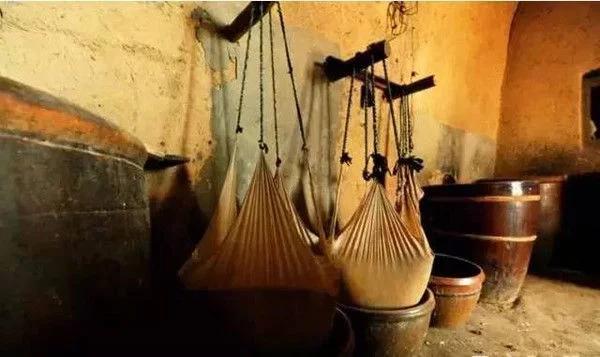
After the water in the basin is completely clear, take out the surface starch and the bottom layer of starch, hang it into potato lumps, and put it in the sun to dry. When the potato lumps have evaporated half their moisture, cut the potato lumps into several portions and dry them.
4. Making the Dough
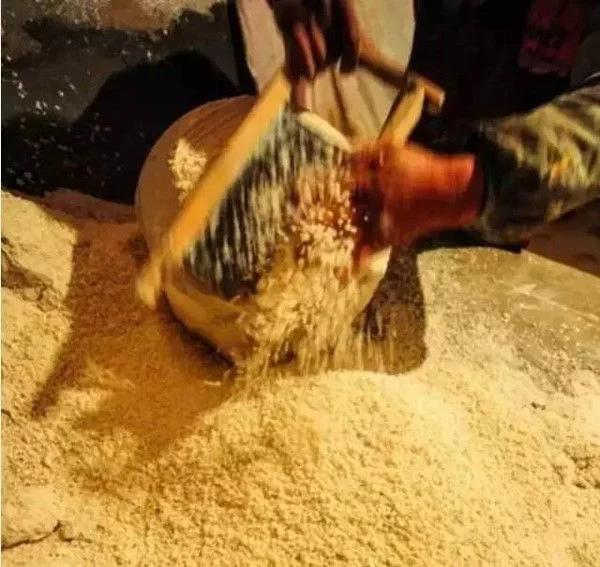
First, the starch for handmade noodles must be good quality, it must be pure potato starch, high quality, especially for making ghong hu glutinous rice noodles, must use first-class starch, otherwise the sauce will not be good and the noodles are prone to breaking.
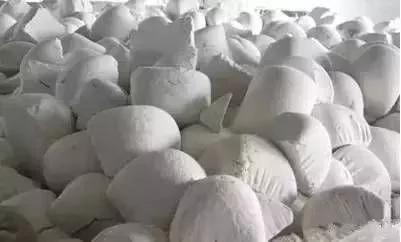
(Powder making)
5. Making the Dough
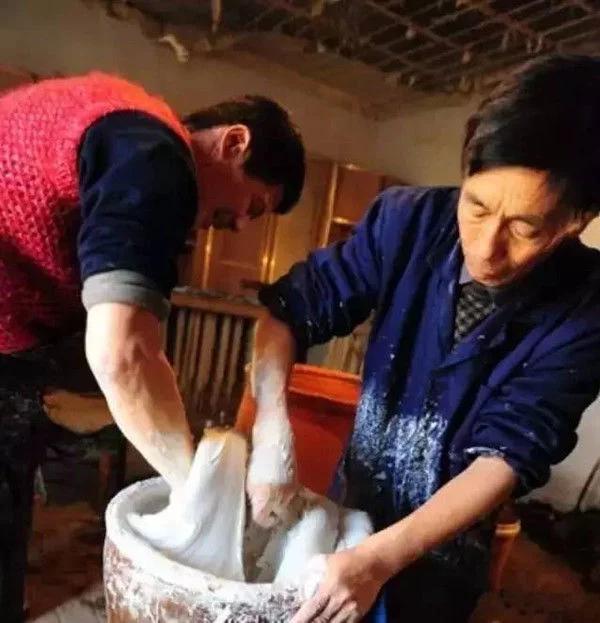
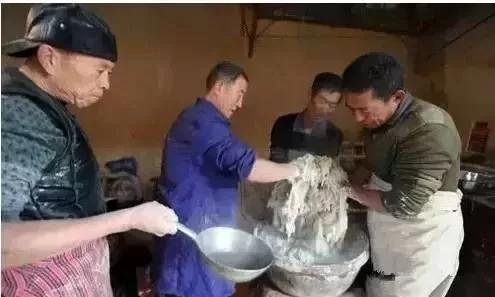
Pour the beaten starch into a large basin, and two or three men take action, one hand grabs the basin, the other hand clenches a fist to knead the dough made of flour. The dough must not be too hard, nor too soft, if it is too hard, the noodles will not come out, if it is too soft, the noodles that come out are easy to break, and if you don't do it well, you will become a pot of slurry.
6. Making Noodle Strings
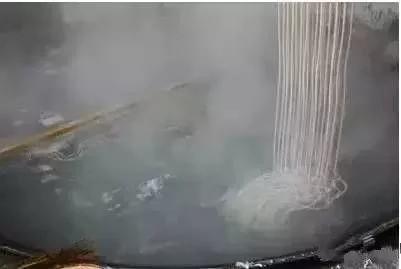
The starch temperature in the dough is 30~42 degrees Celsius. Check the dough again, when the starch lumps drop from the hand, pick up a lump and let it fall naturally, if it does not drip, you can drain it. When draining, you must prepare a pot of boiling water, and only when the water boils in the pot can you drain the noodles. One left hand holds a scoop, and one person is responsible for adding potato lumps to the scoop, and the movement must be brisk, and the person holding the scoop should use the right hand to constantly beat the scoop, let the noodles sink to the bottom of the pot and float out of the water surface.
7. Cooling Noodles in Cold Water
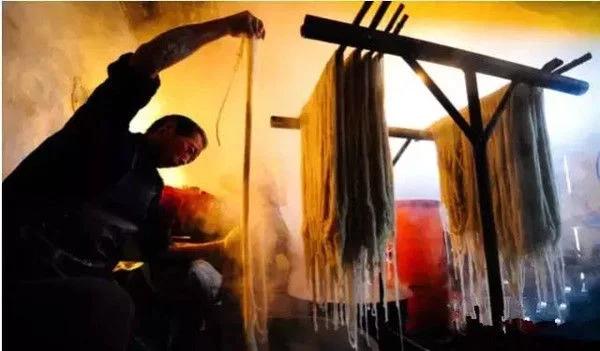
Shake the finished noodles into the prepared cold water, and then put the noodles in the cold water tank, shake them continuously until the noodles are loose.
8. Drying the Noodles
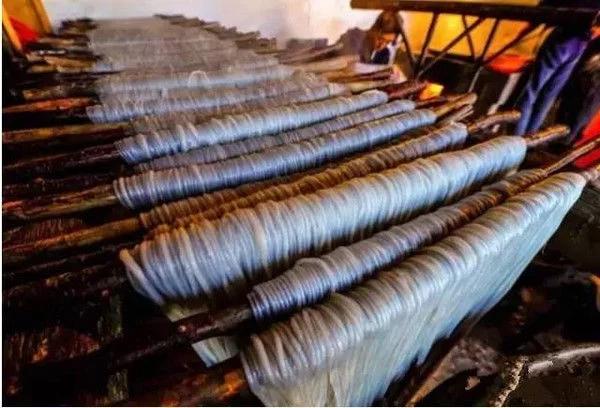
Hang the noodles on bamboo poles outdoors in a cold, windward and sunny place until the noodles are frozen into a solid piece, then hang the frozen noodles in a windward and sunny place, and continue to use hands to knead and gently tap with a wooden stick until they are dried, and finally a bundle of handmade noodles is made.
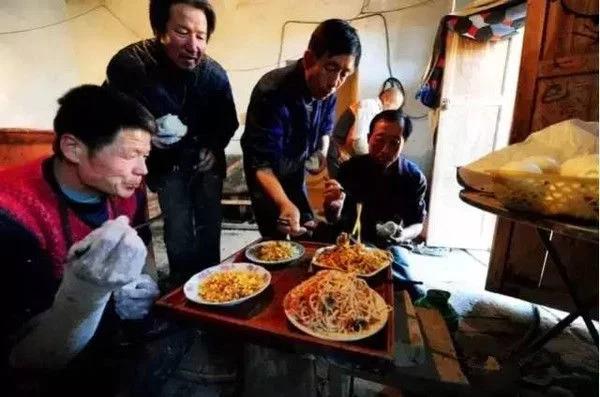
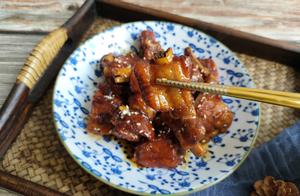
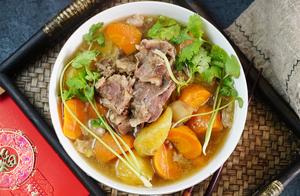
9. Delicious Dishes Made with Noodles