Maintain Cleanliness of Horse Water and Tanks to Prevent Disease from Entering Through the Mouth
Stable management personnel frequently grapple with water quality and water tank cleaning issues. Concerns about using bleach, cleaning agents, or chlorinated water causing water quality contamination and unnecessary harm to horses are prevalent.
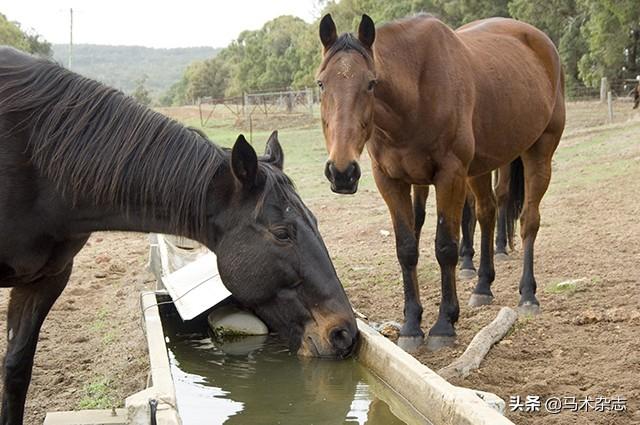
Water trough cleaning
First, the trough needs to be thoroughly cleaned. After emptying and wiping the trough clean, it should be rinsed with a 10% bleach solution, and rinsed twice to ensure no residue remains before use. It is also recommended that each horse has its own dedicated water trough (bucket) on the farm. Even during competitions or training, it’s best to bring your own bucket to avoid cross-contamination from other horses' water containers. Water tanks require frequent cleaning, even in winter, to prevent algae buildup (which reduces the horse’s willingness to drink and these algae may produce toxins) and unsanitary water trough conditions.
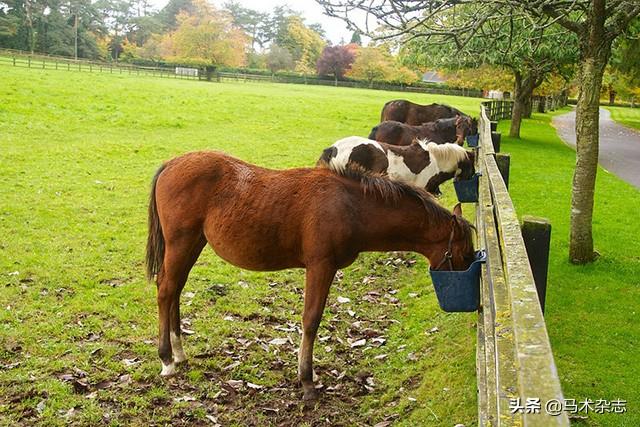
Water selection and treatment
Based on actual circumstances, select water with good quality; if you are concerned about the water quality, you can perform simple artificial disinfection. However, if you choose to add bleach to the existing water tank, we recommend seeking advice from a professional equine nutritionist. And allow the horses to wait for at least one hour before drinking, with the bleach solution standing for at least one hour. If the water temperature is below 10°C, increase the waiting time to 2 hours. This not only serves as an effective disinfection method for the water tank, but also allows the chlorine to dissipate during the waiting period, so you don’t have to worry about your horse drinking chlorine.

If you take your horse into the wild, you’re dealing with water from lakes, streams, or shallow wells, which may contain fecal matter. Such water can be contaminated with chlorine-resistant parasites from animal waste. In this case, you need to use double the bleach amount, and wait for over 2 hours before your horse drinks.
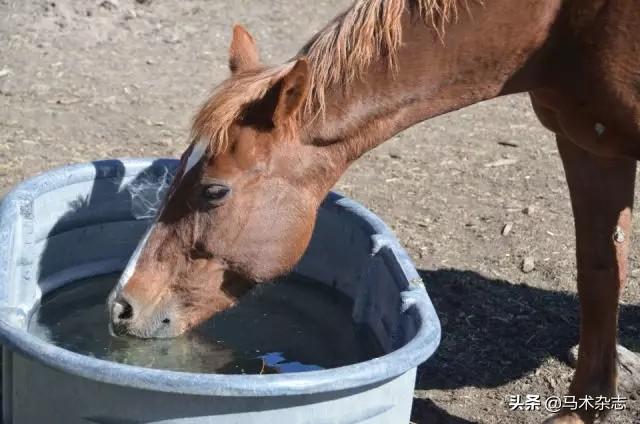
In addition to disinfecting and sterilizing horse drinking water, horse drinking water temperature should not be lower than 6°C, generally 9°C-11°C is preferable, and should not be given icy or snow water. Also, try to maintain consistent water sources for horses; sudden changes in water sources can cause digestive discomfort and rejection in horses, leading to abdominal pain, diarrhea, and other symptoms.
It is important to emphasize that you must strictly adhere to the recommended bleach dosage and subsequent waiting time to avoid over-use, which can lead to toxicity. (Editor/Horse Online Images from Internet Copyright belongs to the original author)