Why Can Animals at the Poles Resist the Cold? What ‘Special Techniques’ Do They Have?
Life is very sensitive to temperature changes, especially extreme cold, which poses a serious threat to the survival of living beings. This point can be clearly demonstrated by the distribution characteristics of life on Earth. In the tropics and temperate zones, plants are abundant and animals are plentiful, but in the polar regions, especially the poles, biological diversity is significantly reduced, and creatures are rare. Even humans, the spirits of all things, desperately crowd into warm, spring-like cities. Except for a few scientists and explorers, who would dare to venture into the icy and snowy polar regions?

However, life is tenacious. Compared to the leisurely humans who seek comfort, wild life appears to be even more tenacious. From bacteria to algae, from insects to lichens, from plants to animals, from birds flying in the sky to fish swimming in the water, they fight fiercely and persistently in extreme environments. People were astonished and wondered what tricks they used to confront such severe nature?
Relatively speaking, plants in the polar regions have limited ability to resist cold, and they cannot move, so the number of plants is relatively scarce in the south pole, there are only mosses and lichens, they are low-lying and small, growing slowly, fighting and resisting against wind and snow and drought.

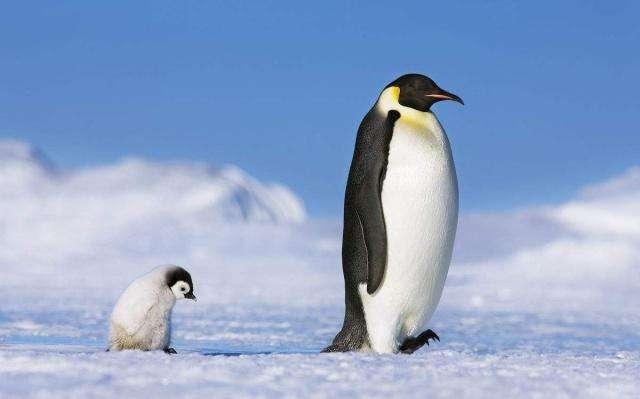
In the north pole, there are flowering small grass, which adorns the white polar earth with its valuable green. The animals' situation is different, they 'eighteen thousand seas, each with its own strengths', can resist the cold, can not tolerate the cold, then they must die or migrate. In this way, they developed their own survival strategies in extremely cold conditions. The most critical skill is the ability to resist temperature changes. The penguin is a typical example.

The storm speed reaches 145 kilometers per hour, yet it remains unperturbed while protecting its eggs and young. The musk oxen in the north pole, at temperatures of -40°C, still leisurely eat grass, snorting happily.
On Earth, there are more than 100,000 animal species, but only 13,000 are warm-blooded, the rest are cold-blooded animals, including all reptiles, fish and insects. Their body temperature changes with the environment. Surprisingly, some cold-blooded animals can almost lose their ability to move in extremely cold conditions, but they can still survive. For example, fish, insects and mites.
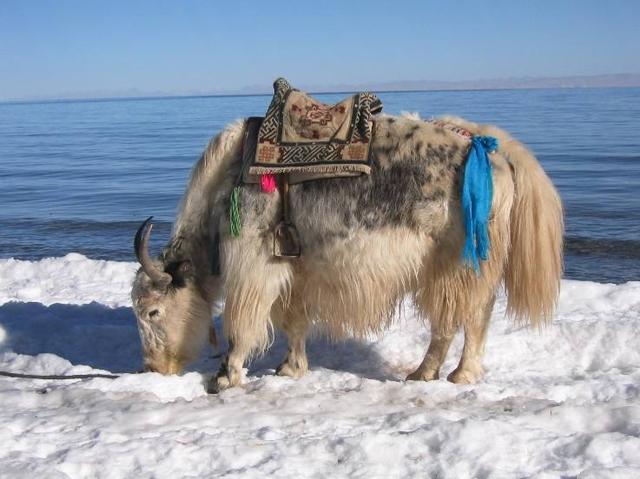
Scientists have found that warm-blooded animals can maintain their internal temperature because they have a sensitive thermostat in their brains that can regulate their body temperature at any time and anywhere. Of course, this regulatory function requires a material basis, that is, food. Animals use the heat from digested food to maintain their body temperature. The colder the external environment, the more heat they need, and the faster their metabolism.
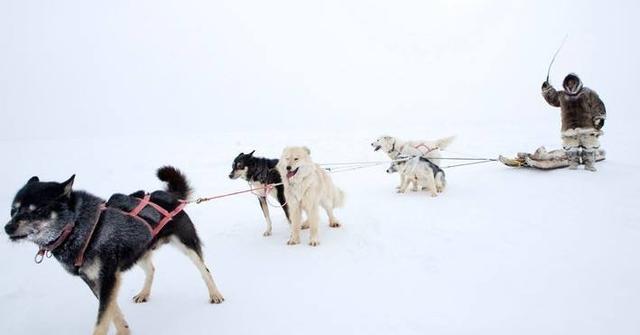
However, in the extremely harsh climate of the polar regions, relying only on swallowing food and increasing metabolism is not enough, it must also find a way to prevent excessive heat from escaping the body. Humans can rely on thick clothes and staying indoors to keep warm. Animals can only rely on feathers, fur and thick subcutaneous fat to reduce heat loss, as well as finding appropriate habitats to avoid wind and snow, and maintain internal heat loss as little as possible. Some animals hibernate or migrate to colder areas, such as Alaskan or Siberian Eskimo dogs.
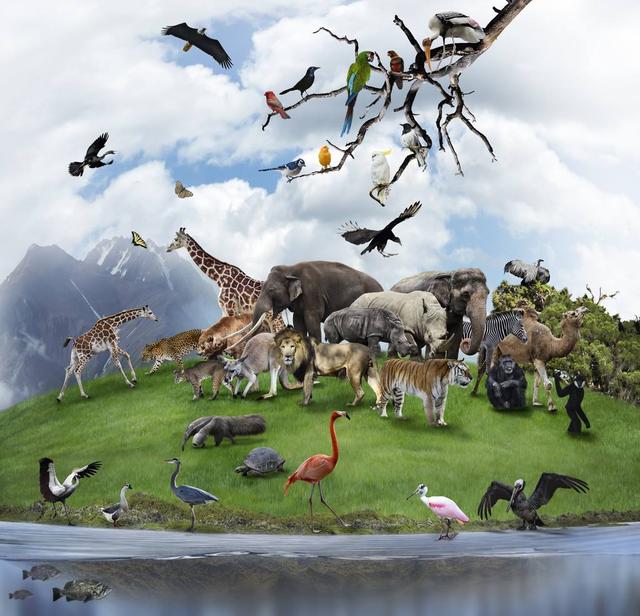
Longer, thick fur, its insulation is so good, even in the cold winter nights, snowflakes fall on them will not melt, but instead serves as a windbreak, they sleep comfortably, like wearing a blanket. Some animals can shake their soft fur to catch air, thus gaining temporary warmth, or change their posture, such as curling up to reduce heat loss. In the polar winter nights, animals' soft fur can absorb and reflect infrared radiation that the human eye cannot see, thus absorbing more heat.
More surprisingly, some animals have the special ability to maintain double body temperature, they can keep their main body part at a normal temperature, while their limbs, finlets and other tips can be lowered, this is a win-win strategy. For example, seagulls, their feet's temperature is only 7°C, which is 30 degrees Celsius lower than other parts of their body, but their foot nervous system is still working normally.
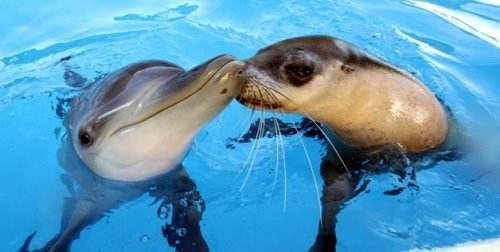
Sea lions and dolphins' tail fins and flippers are also thin, their internal temperature is close to the surrounding seawater temperature. These animals have a simple and effective heat exchange system, through a clever design, to complete the task. In these areas, blood vessels transporting heat to the limbs are tightly wrapped around the blood vessels returning cold to the heart. So the temperature of the limb parts is often kept at a low temperature, and the heat and heat loss required are minimal.

However, to survive in the polar environment, relying only on resisting cold and insulation is not enough. For many animals, especially those with large bodies, the body must have a mechanism to quickly dissipate excess heat when necessary. For example, penguins sometimes encounter temperatures above zero, they will become hot and unbearable, so they quickly dissipate heat.
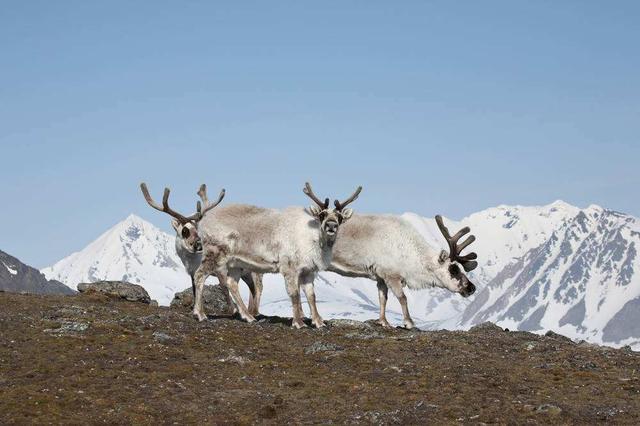
At sea, they not only swim quickly to catch shrimp, but also quickly escape the attack of seals and killer whales. At this time, their bodies generate a lot of heat, which must be dissipated quickly. Alaskan reindeer are also so. At one time, they can eat quietly, but in a moment, they might fly away to escape the attack of wolves. The heat radiated by the reindeer and wolves is about 20 times the normal, mainly through their thin abdomen, ears, legs, tails and rapid breathing tongues, quickly dissipated into the air. Humans are similar, when doing strenuous exercise, they will sweat and pant, which is because the body generates a lot of heat. If the heat in the body cannot be quickly dissipated through sweating and panting, it may be hot and shock, or even fall to the ground and die.
Scientists are amazed that many polar animals have the ability to resist both cold and heat. For example, researchers found that the golden mice living in the north slope hills and the mice, foxes, wolves and Arctic foxes can tolerate heat, even 20 degrees higher than the heat tolerance of North American prairie rodents. This shows that these animals have a precise control mechanism for metabolism and blood circulation to respond to cold and heat.
20