Why is the Round-Scaled Viper Also Called the 'Kidney-Draining' Snake? Is Being Bitten by a Round-Scaled Viper Really 'Kidney-Draining'?
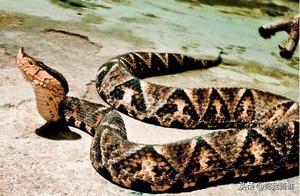
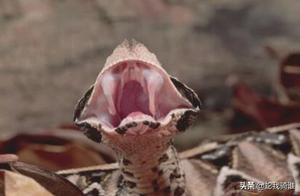
Round-scaled viper is one of China's top ten venomous snakes, and its venom is highly toxic. It is also known as the 'hundred-step golden leopard' and the 'Lushi viper' (Russell's viper). This snake is a type of hemotoxic snake, which causes bleeding of body organs and ultimately leads to death. Particularly, its toxicity to the kidneys is significant. Of course, all hemotoxic snakes cause kidney damage. A snake enthusiast asked, 'Is the round-scaled viper a particularly venomous snake, and is it truly 'kidney-draining'?' To answer this question, the following article will explain:
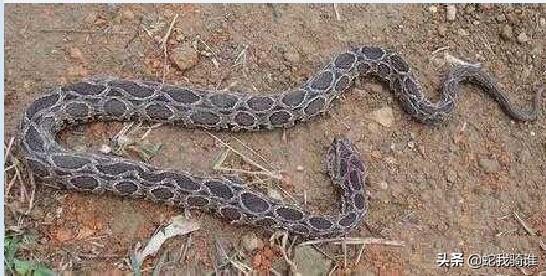
The reason the round-scaled viper is called a 'kidney-draining' snake is due to its venom. Hemotoxic snakes are characterized by bleeding in the circulatory system, which not only causes bleeding in the kidneys but also in the heart and other organs. After the snake venom enters the human body, it will be filtered by the kidneys. If the kidneys function well and have strong detoxification ability, it will not pose a life threat. Otherwise, if it is not effectively detoxified, it will cause kidney failure and death. Even those who survive will suffer severe kidney damage, which is referred to as 'kidney-drained'! This is actually a typical symptom of a hemotoxic snake bite. The round-scaled viper does not have this unique characteristic.
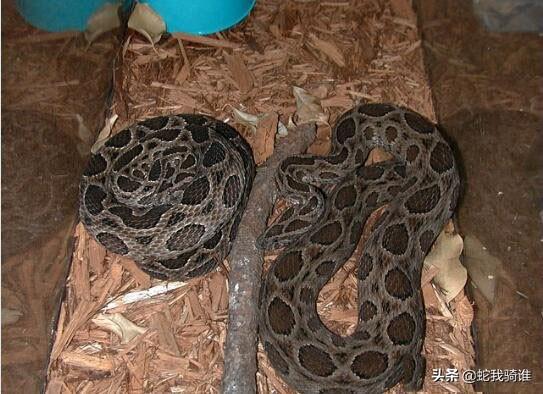
How venomous is the round-scaled viper? Although it is one of China's top ten venomous snakes, its toxicity is not as high as some other venomous snakes, such as the ring-necked snake, and it's not as potent as the five-step viper. When compared to the viper, it's a different matter entirely.
The round-scaled viper's toxins are divided into two types: one is hemotoxic toxins, and the other is neurotoxic toxins. It is very rare for a snake to possess both these types of toxins. In addition, the toxins in the round-scaled viper can cause the victim to exhibit symptoms similar to a stroke, making it difficult for the treatment to promptly identify the poisoning, thus delaying treatment. The round-scaled viper is responsible for many deaths in Asian snake species. The Thai Red Cross has developed a specialized serum specifically targeting round-scaled viper venom, called 'Lushi viper serum'.
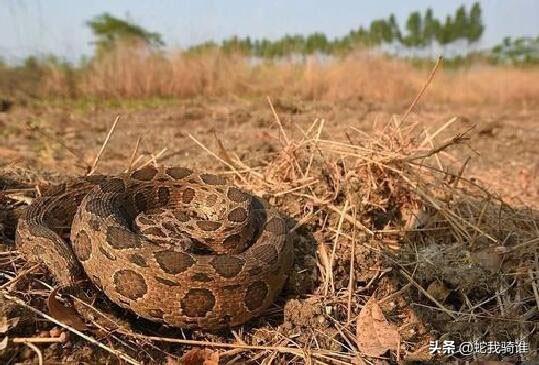
The main venom contained in round-scaled viper venom is hemotoxic venom, with coagulation toxins as the primary component, along with hemolytic toxins, fibrinolytic toxins, anticoagulants, and platelet aggregation and degeneration components. It contains a high amount of enzymes, primarily phospholipase A2, kinin releasing enzyme, amino acid esterase, and hyaluronidase. A PLA2 was isolated and purified from round-scaled viper venom in Fujian, China, with a molecular weight of 13.8kD, isoelectric point at pH10.4, enzymatic activity per mg is 35μmol/min, the enzyme's optimum pH is 8.0, optimum temperature is 65℃, with lecithin as substrate, the enzyme has obvious anticoagulant and hemolytic effect, when injected into a mouse, the LD50 is (0.5±0.12)mg/kg. In 1985, another PLA2 was isolated from round-scaled viper venom, a platelet aggregation inhibitor, which inhibits platelet aggregation caused by ADP, adrenaline, collagen or thrombin. This PLA2's inhibitory strength is related to the dose. Heating the snake can reduce the activity of this PLA2 and its platelet aggregation activity.
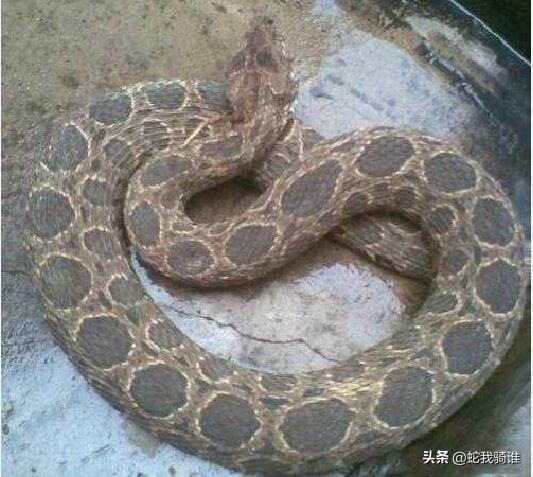
After being bitten, the wound swells and is painful, with bleeding, rapid onset of illness, severe symptoms, and a serious prognosis. Petechiae form under the skin. It often causes DIC, as viper venom primarily acts on blood factor X, in the initial stage, blood rapidly and massively coagulates, a large number of coagulation factors are consumed in the blood, after which the blood loses coagulation, and there is massive bleeding throughout the body. Some patients may develop anemia and jaundice due to hemolysis, renal failure, and even pulmonary hemorrhage and cerebral hemorrhage, with a high mortality rate.