Exploring the Romantic Chaos of Italy: A Legacy of Roman Genes, Living in the Present
Italy is a fascinating country, it stands at the forefront of art and fashion in the world, with both Milan Fashion Week and Ferrari and Lamborghini; at the same time, Italy is also the cradle of European culture, with the picturesque Water City of Venice, the world-renowned Pisa Leaning Tower, and figures such as Da Vinci, Michelangelo, and Galileo.
In the eyes of many people, Italy has almost become a synonym for romance. However, many tourists are disappointed to find that it is far from their imagination after coming to Italy: everywhere is uncleaned garbage, randomly pasted small advertisements, and garbage piles along the roadside, there are also beggars and dogs everywhere.
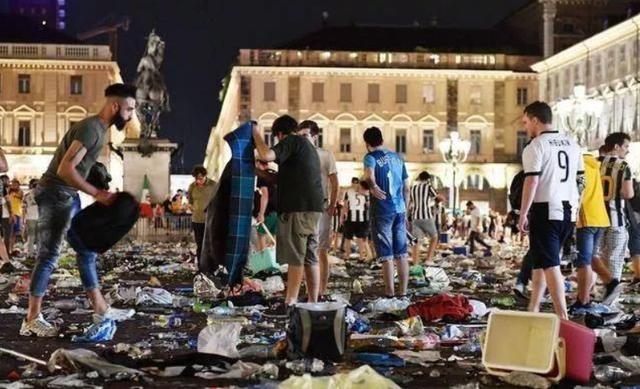
Italians stage their daily lives in such a dirty and chaotic environment: they drink coffee with their left hand and throw garbage with their right hand, and even kiss sweetly on piles of garbage streets.
It is not necessary to be too surprised about this 'dirty and romantic' thing, because it has been engraved in the genes of the Italians since the remote Roman Empire.
The saying of Pompeii ruins
There used to be a city in Italy that was second only to Rome: Pompeii. There is a huge Colosseum, a magnificent grand theater, a magical Temple of the Sun, and endless canals and bustling prosperity.
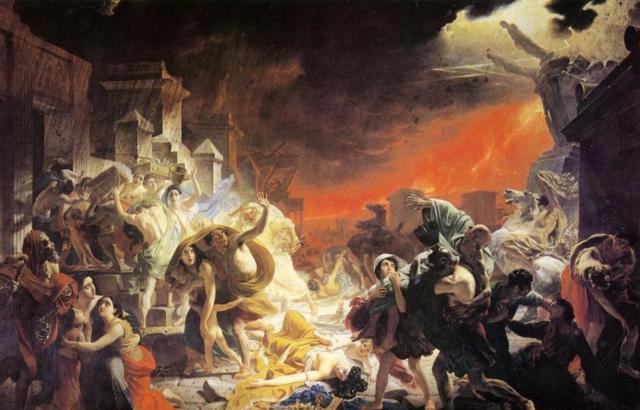
As a result, Pompeii was swallowed by a violent volcanic eruption one day. More than a thousand years later, people unearthed the ruins of the ancient city and unearthed a beautifully crafted silver cup.
On the silver cup was written a sentence: Enjoy it freely, no one can predict tomorrow.
Pointing downwards and the final prayerAffected by hedonism, a unique fascination with aesthetics of violence emerged in ancient Rome, and they built one of the Seven Wonders of the World, the Roman Colosseum.
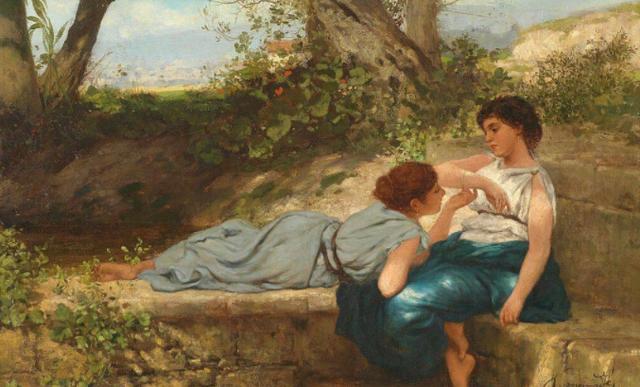
The Romans treated death as a form of entertainment. They enthusiastically celebrated gladiatorial combat, which was full of blood and violence. In the Colosseum, people were not bound by logic and reason, but only followed a simple principle: happiness.
However, behind this happiness lies the most cruel and bloody dark side in the world.
Oil painting: pointing downwards
The winning gladiator did not rush to kill his opponent, but instead, he put him under his feet and asked the audience above: 'Is it life or death?'
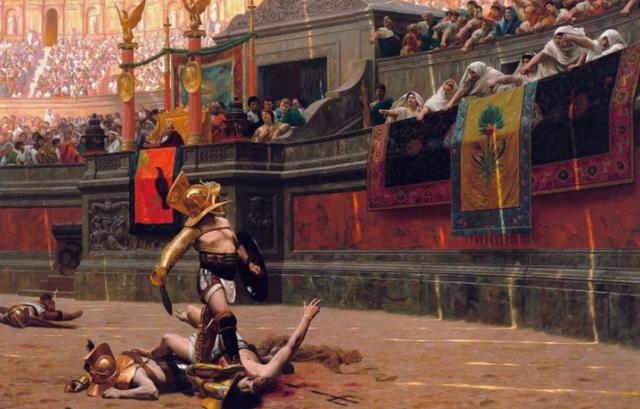
If the audience points thumbs down, the losing gladiator can escape death; if the audience points thumbs up, the loser's life will end.
The Romans also had a judgment called: 'Give to the beasts'
Oil painting: Christ's last prayer
This painting vividly reflects this way of judgment: 'It's not my fault you didn't give you a chance.'
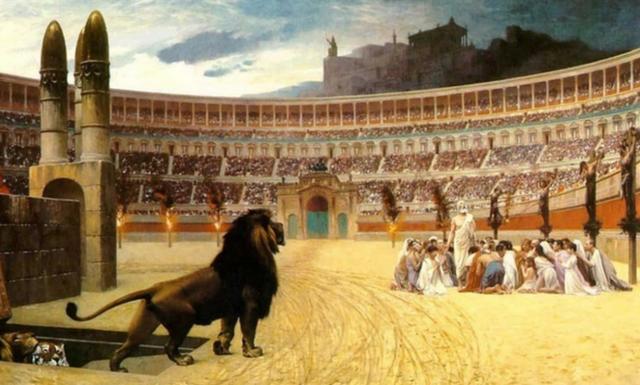
In order to absorb the blood spilled in the battles, the Romans had to lay a thick layer of sand in the Colosseum.
It is said that for four hundred years, more than a hundred thousand people died there. In terms of unit area, the Roman Colosseum is undoubtedly the most densely populated area of human death on Earth, even the Verdun battlefield during World War I, known as the meat grinder, could not compare to it.
Carefully packaged, highlighting the entertainment of gladiatorial combat
Of course, if you simply directly display bloody scenes in front of the audience, the audience will not buy it. Therefore, the organizers of the gladiatorial games often attach great importance to angles, atmosphere and scene creation. Through thoughtful arrangements of pre-performance programs, they make the audience feel immersed and give them a sense of participating in a solemn ceremony or a highly entertaining game, thus reducing the horror of killing, and maximizing the entertainment value of gladiatorial combat.
Before the start of the performance, there are usually grand entrance ceremonies: the gladiators lined up in formation in cloaks and entered the field, then bowed to the nobles sitting in the center of the field.
In terms of specific performance projects, they are all kinds of flowers, such as simulating wars, simulating myths, etc.
For example, Emperor Claudius once simulated the Battle of Barnet in the Colosseum, requiring that the Spartans and Corinthians be completely annihilated to end the battle.
Emperor Nero was a master, he ordered to fill the Colosseum with water and let the gladiators enter the arena in boats to simulate naval battles, which was a truly bold and daring example.
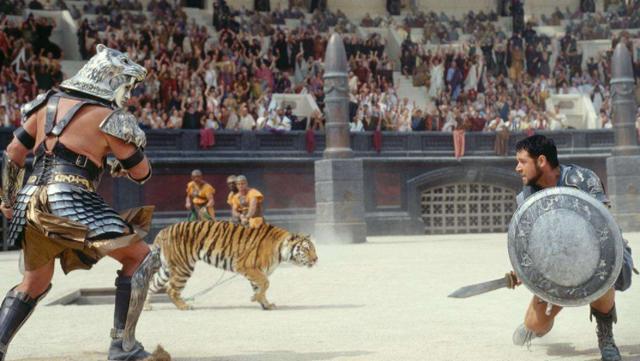
Through various clever arrangements, the audience's thinking can easily immerse themselves in the plot. The cruelty of death is covered up.
Reckless Emperor, burning Rome
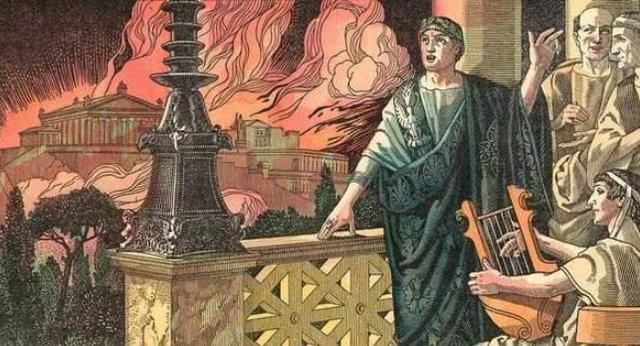
Talking about Emperor Nero, we have to talk about another of his capricious things, that is the Great Rome Fire.
On July 18, 64 AD, the Great Rome Fire broke out, half of Rome was reduced to ashes.
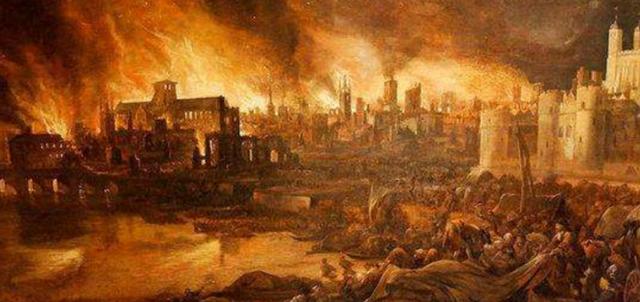
Regarding the cause of the fire, there are many theories, the most popular is that Nero wanted to expand the palace, but the densely populated civilian houses around the palace made him very headache, so Nero chose to burn everything in one go.
I didn't expect Nero to burn the city so badly. That day, the wind suddenly rose and the fire spread quickly, swallowing half of Rome.
This fire killed thousands of people and left millions homeless.
Compared to Nero, King Zhou Youwang's 'fencing the pheasant' is a small villain.
Conclusion
Nero's extravagance and cruelty may be just an exception, but we can still see from it how the ancient Romans pursued happiness without restraint.
As it says on the walls of a small town in the Roman Empire: hunting, bathing, playing games, and looking for fun – this is life.
Time has passed, the Roman Empire has long disappeared in the long river of history, but that their carefree and casual attitude towards life has not changed: 'I just want to live happily, what will happen tomorrow, who can predict?'
So we see that during World War II, the Italian army, despite its advanced weapons and equipment, became a humorous figure. We also see that in the streets of Rome today, the dirty and romantic still plays out.