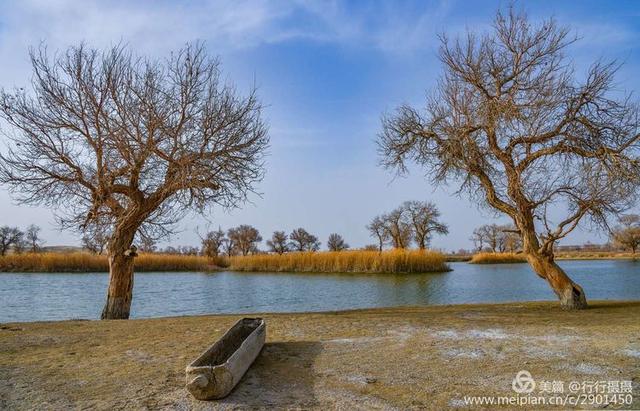
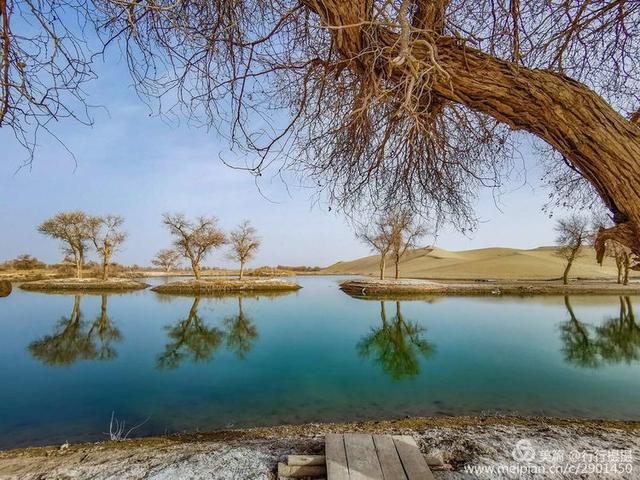
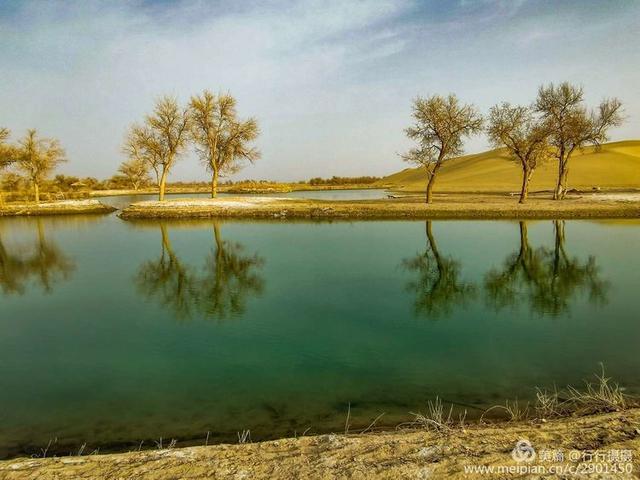
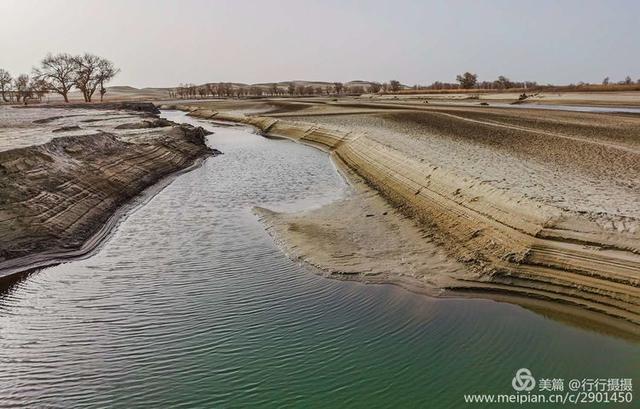
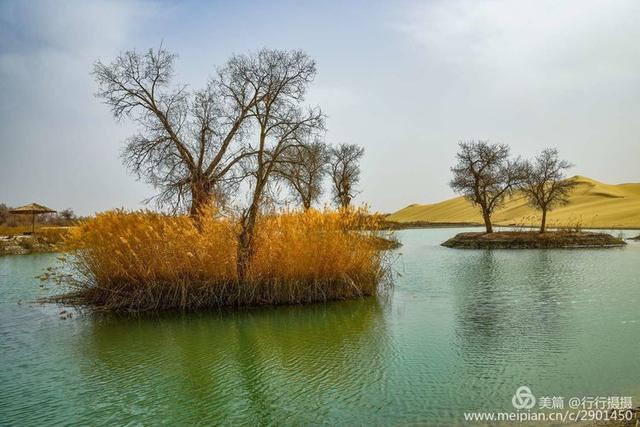
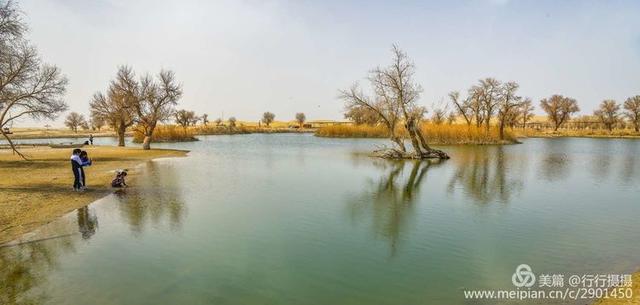
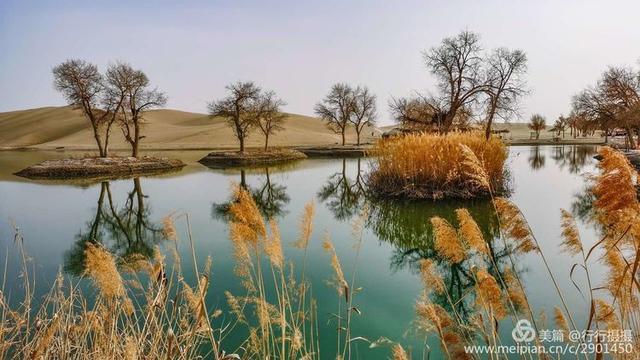
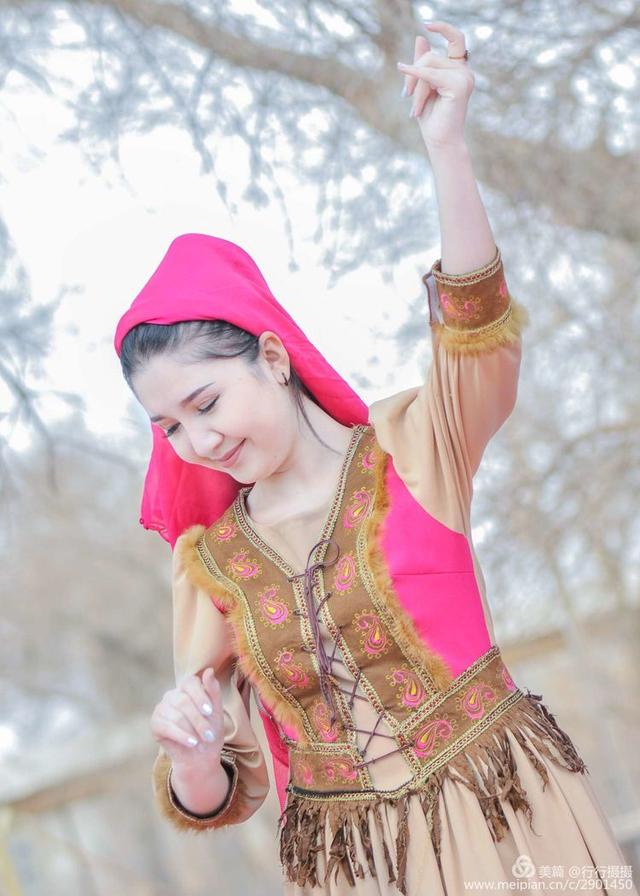
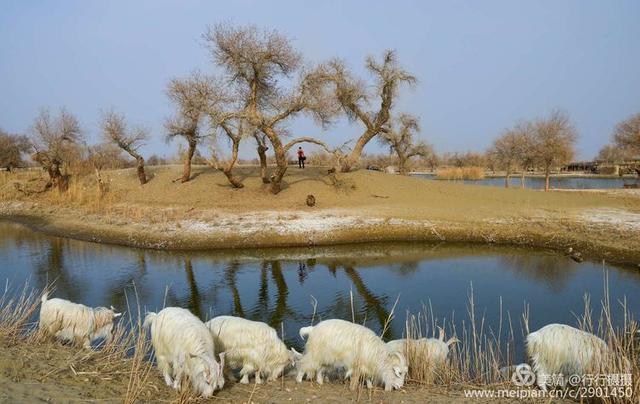
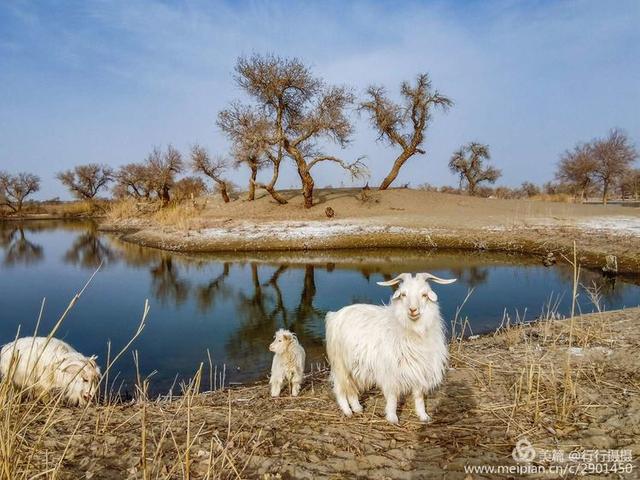
The Tarim River flows through here, with vast groves of ancient Hulin trees and the mysterious Robat people.
Photo: Zuo Ba Net Special Photographer, Hiking Photography
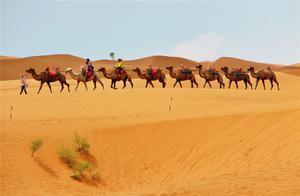
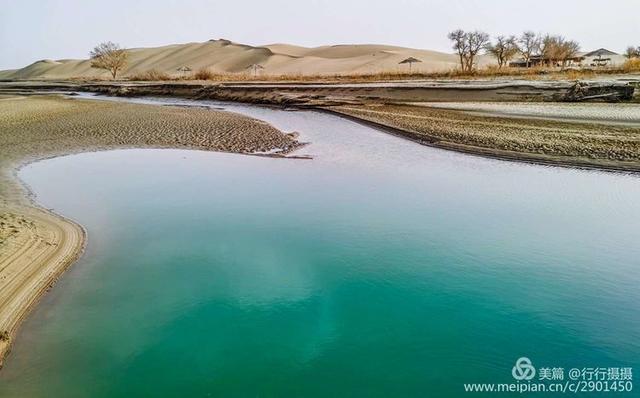
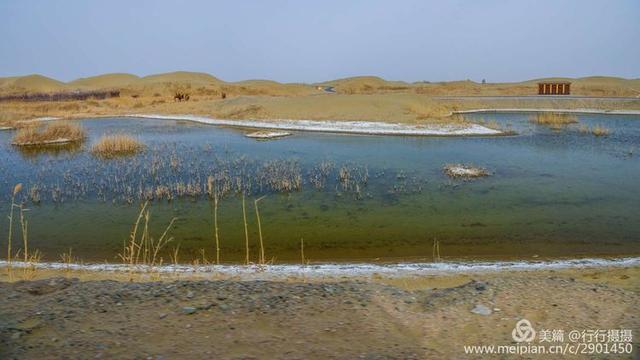
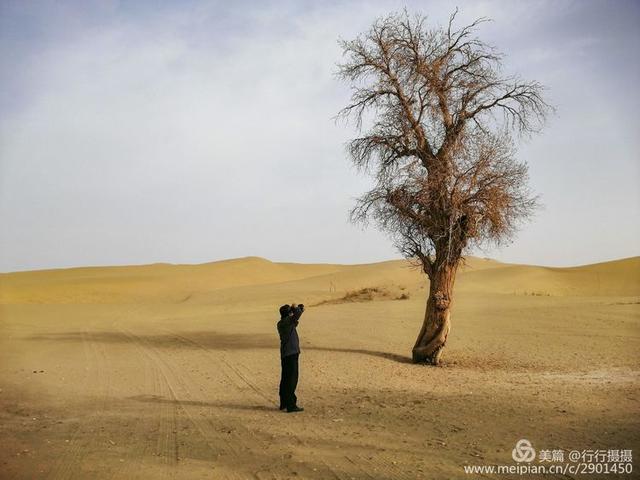
Taklamakan Desert, located in the southern Tarim Basin of Xinjiang, is China's largest desert and the world's second largest shifting desert, with a total area of 330,000 square kilometers. The Robat Tribe Village Tourism Area's southern desert sightseeing and adventure exploration zones all fall within the Taklamakan Desert.
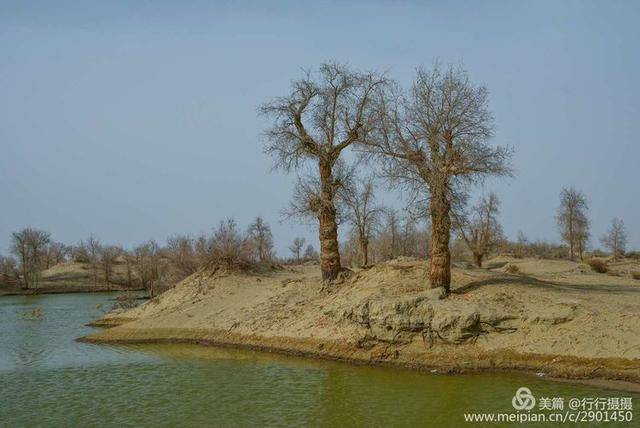
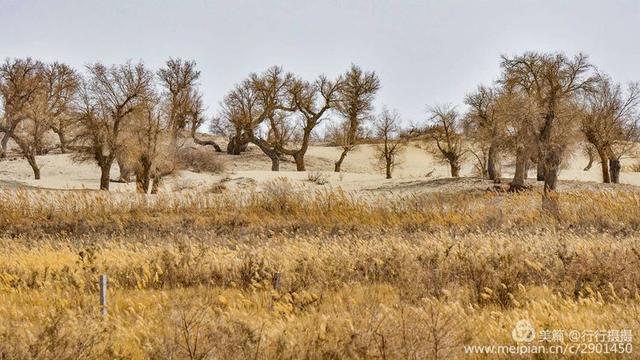
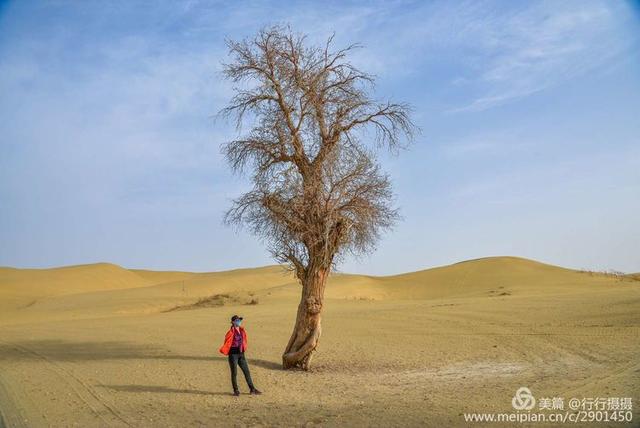
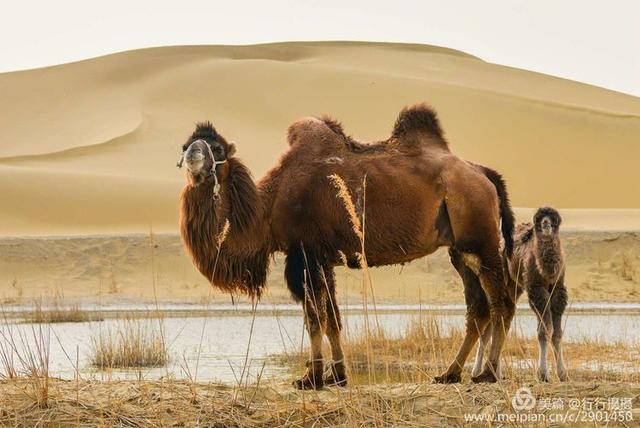
The dunes in the Taklamakan Desert are mostly shifting sand dunes, with the surface resembling honeycomb, feather, or fish scale patterns, suitable for sightseeing and desert off-road exploration. Within the Taklamakan Desert, there are numerous rare and endangered animals such as wild camels and Hulin (Hu trees).
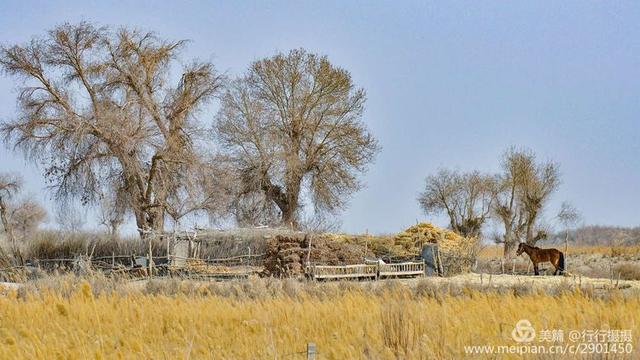
The ancient Silk Road runs through the southern end of the Taklamakan Desert. It has a long and rich historical and cultural heritage. During the centennial desert exploration between East and West, Swedish explorer Sven Hedin discovered the world-renowned ancient city of Krorai under the guidance of a Robat Tribe member named Alduke.
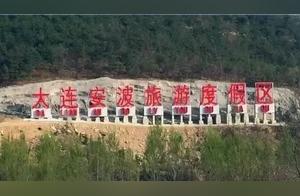
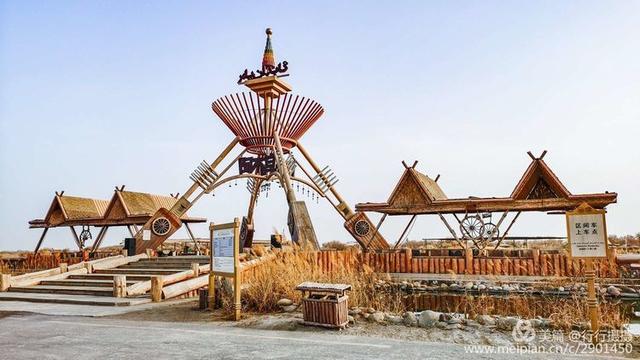
Scenic Gate
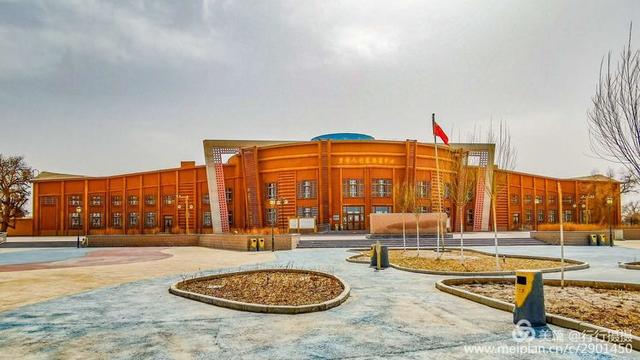
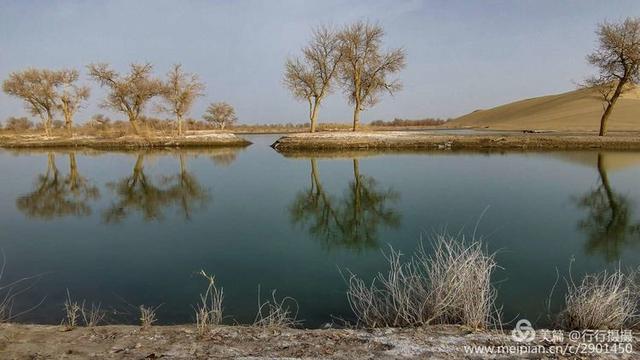
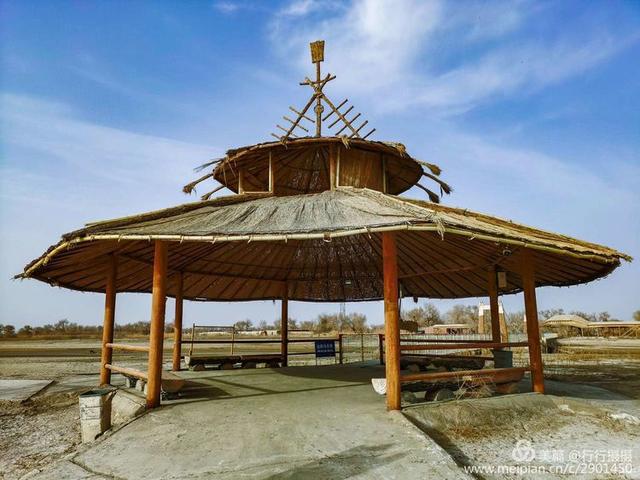
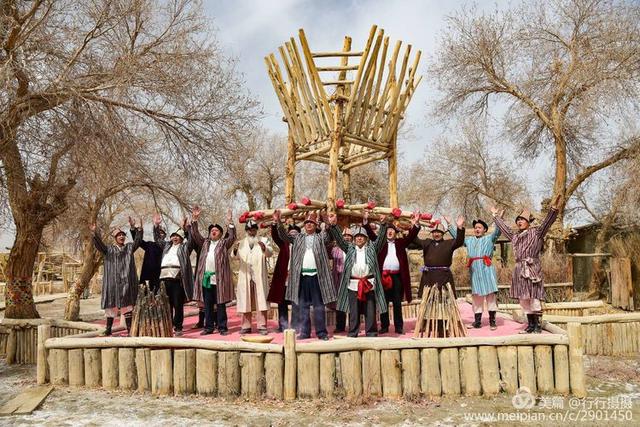
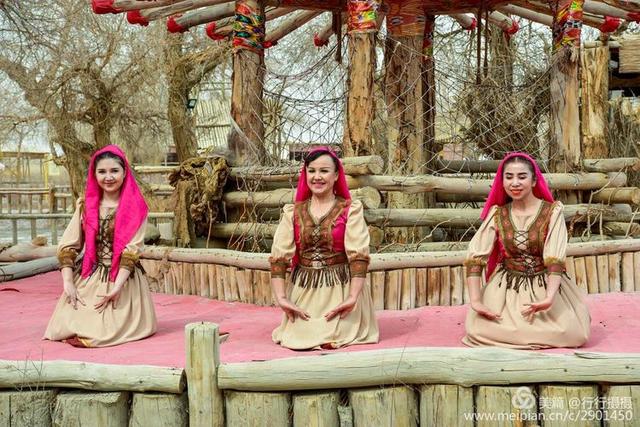
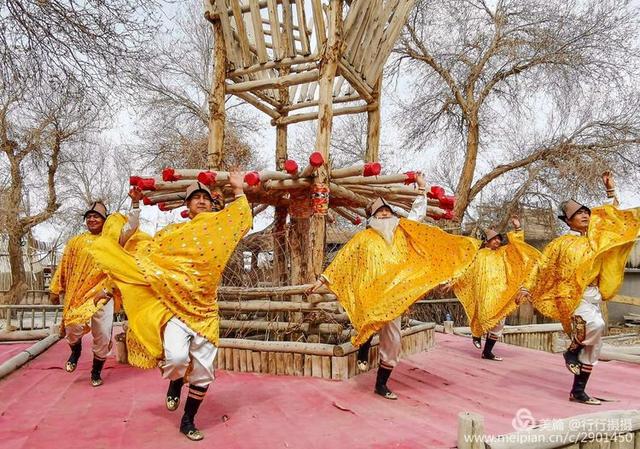
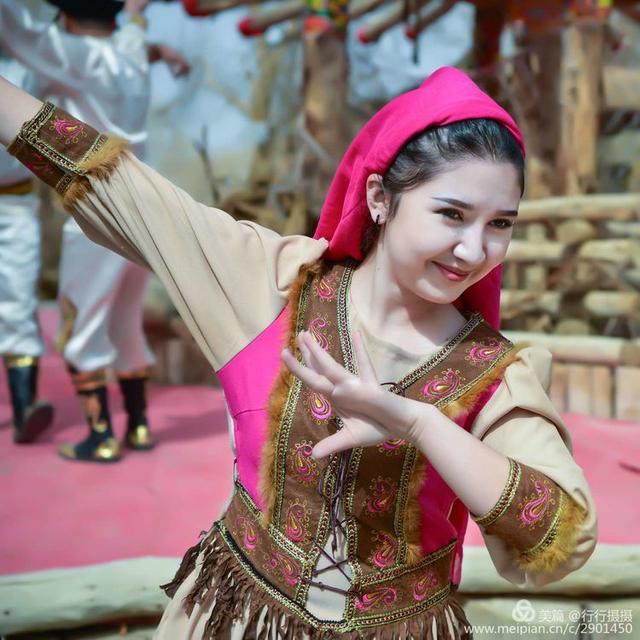
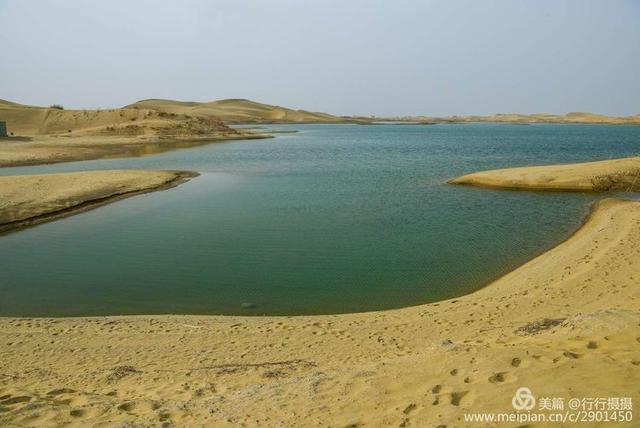
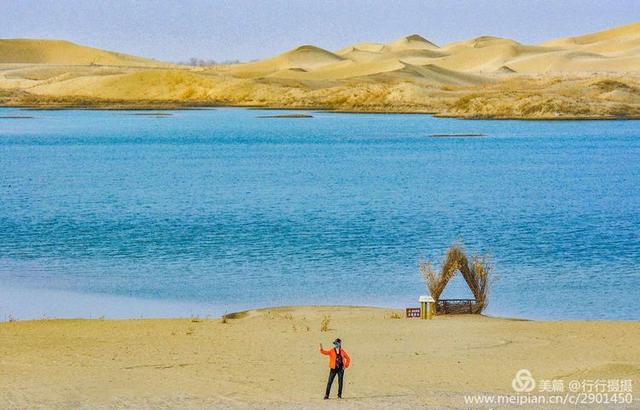
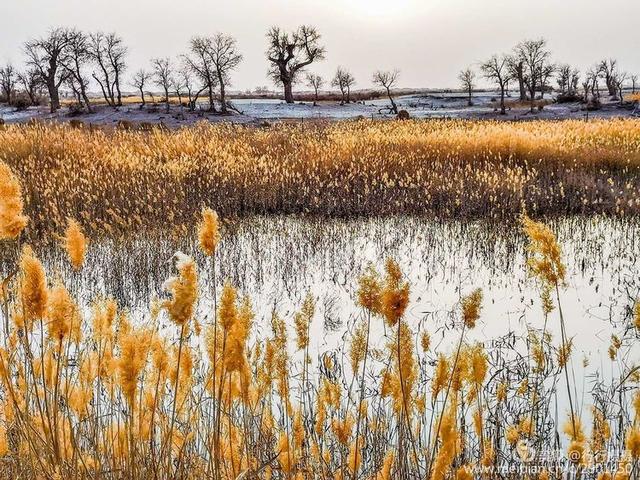
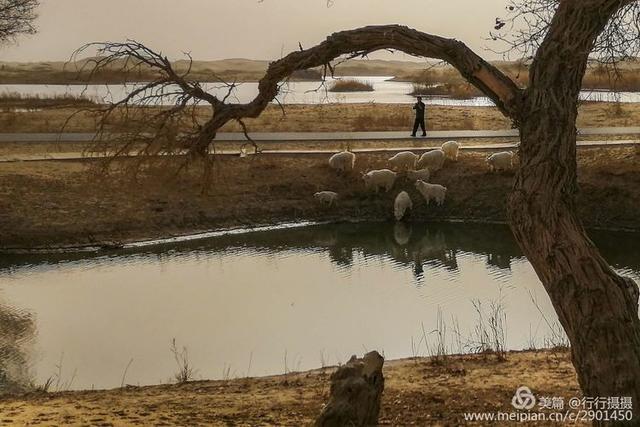
The Robat Tribe Village is located 35 kilometers southwest of Yili County. The village covers a square of 72 square kilometers and is home to more than twenty families, one of the largest villages in western China. It belongs to the Jokuliang Ranch and is a Robat Tribe's secluded paradise. The village includes the Taklamakan Desert, shifting lake, Tarim River, primitive Hulin, grassland and the Robat Tribe.
The largest desert, the longest inland river, the largest green corridor and the Silk Road all converge here, forming a natural landscape of gold quality
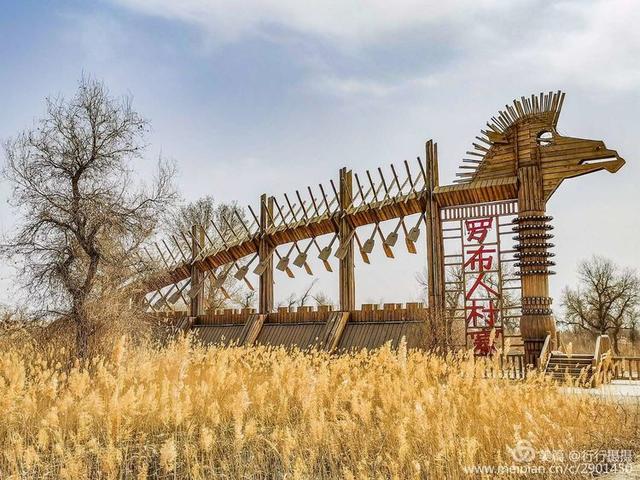
Abadan, a dazzling pearl on the Silk Road. In the Robat language, 'Abadan' means 'lush vegetation and suitable for living,' or 'a good place'
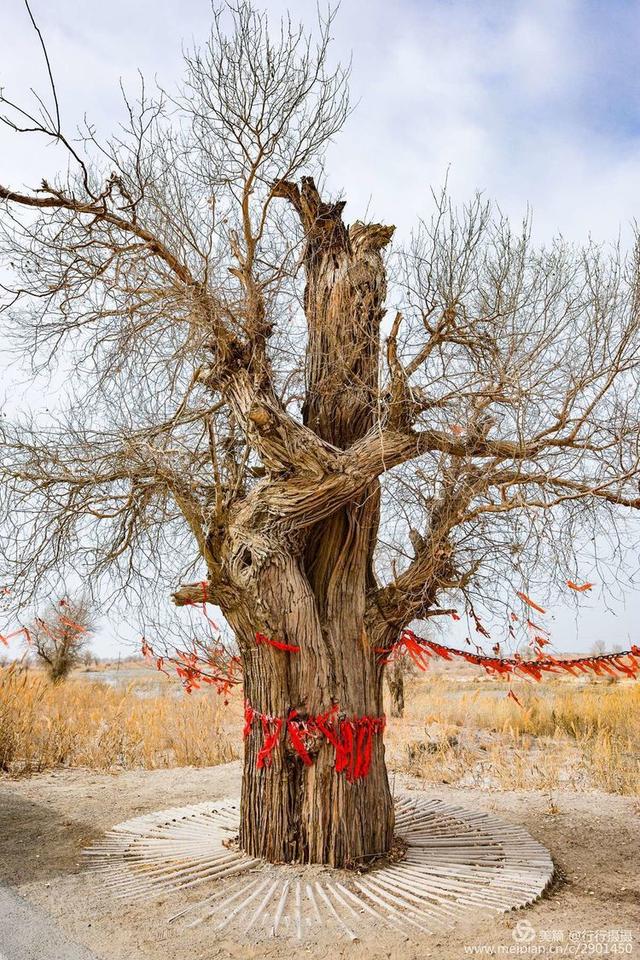
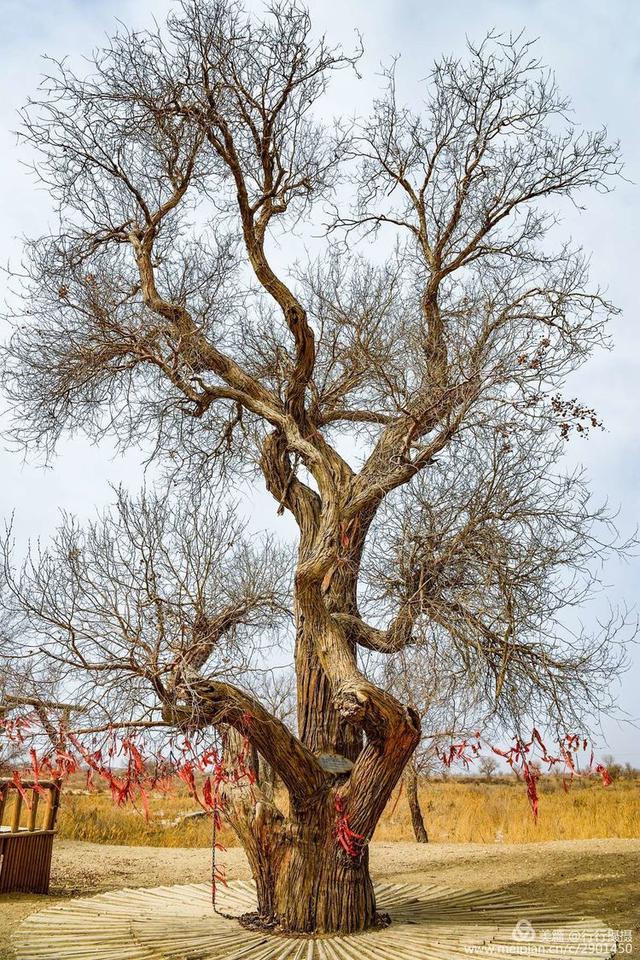
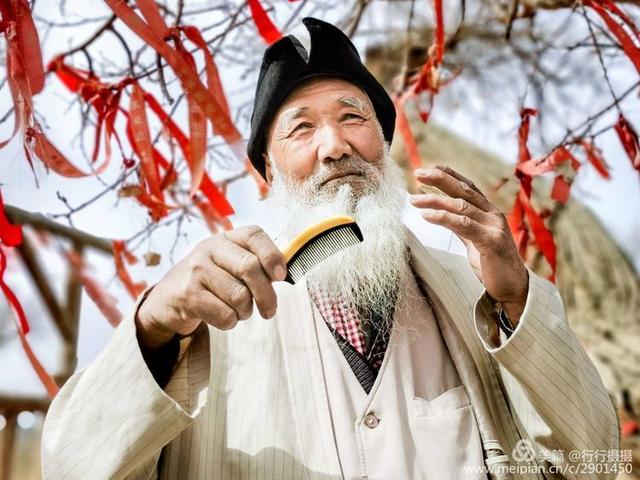
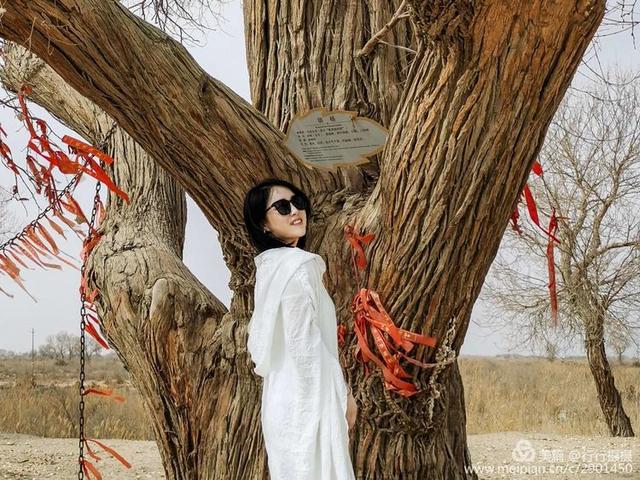
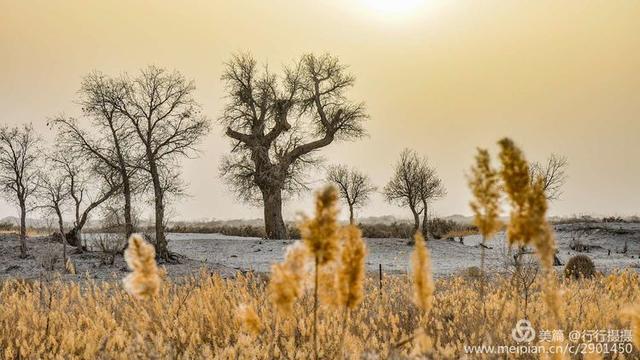
Thousands of years of love trees. These trees have an age of nearly ten thousand years and live together, portraying endless love. They have been given life and soul by humans.
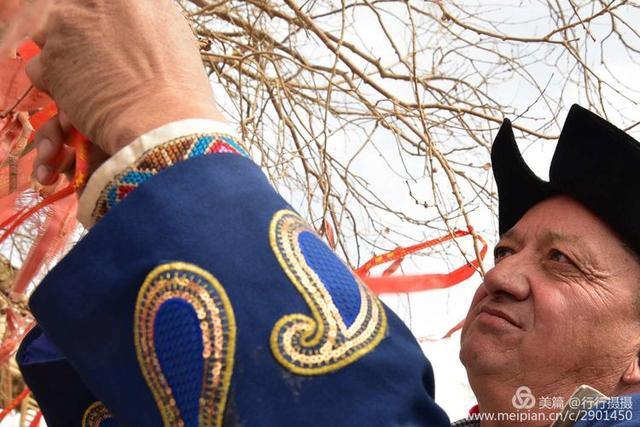
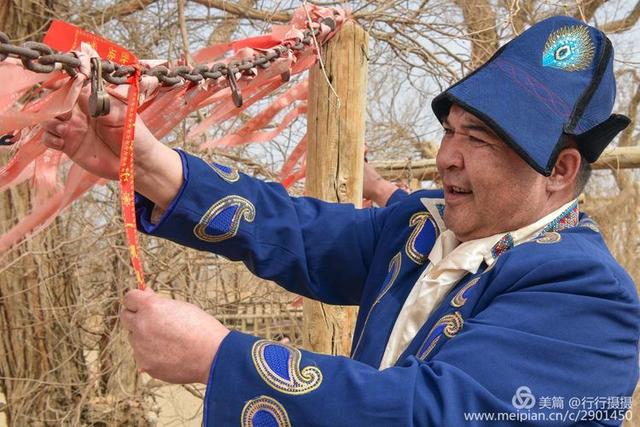
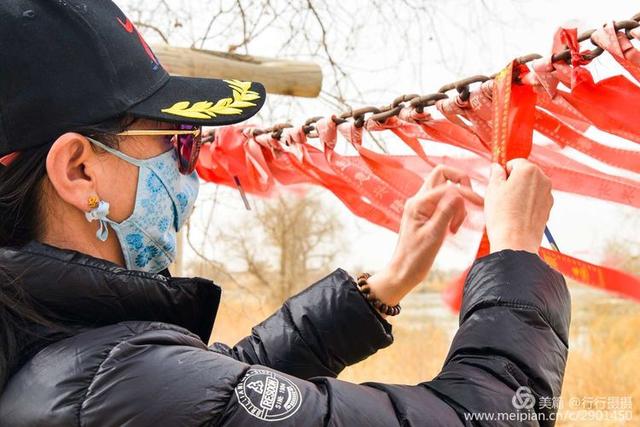
People tie up prayer flags, which means taking more responsibility and care for their relatives. In the future, they will be together through storms and dangers.
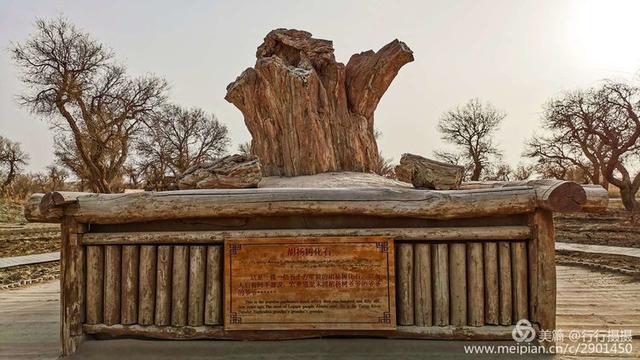
Hu tree fossil. This is a Hu tree fossil that is 150 million years old. The Robat people's descendants, Abu, said: 'It's the grandfather of the Tarim River Hu tree's grandfather's grandfather…'
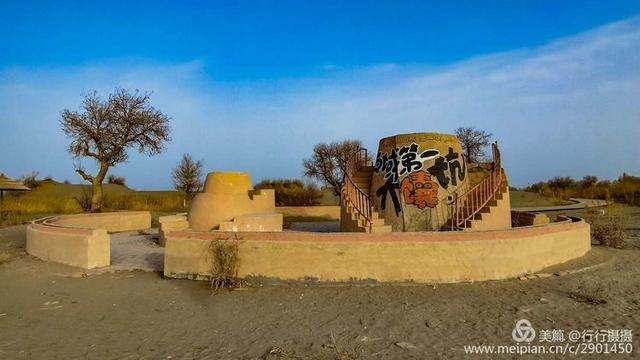
This is the largest (Nang Pan –, a large pit for baking) in Western Regions, with a height of about 3.8 meters and a diameter of about 4 meters, where a 1.2-meter diameter can be baked. is a specialty food of Xinjiang. The charcoal fire brings life to the nearly ten thousand-year-old Hu wood, and the baked is ancient and fragrant with lingering taste. Hot has the effect of regulating gastric acid-base balance
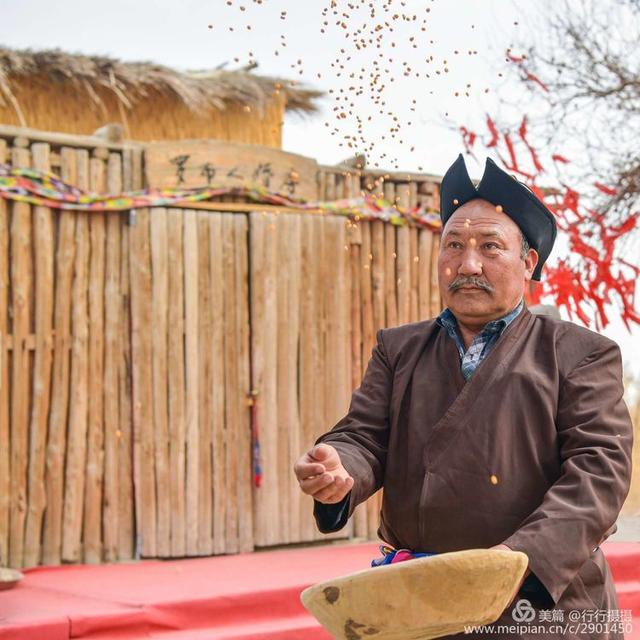
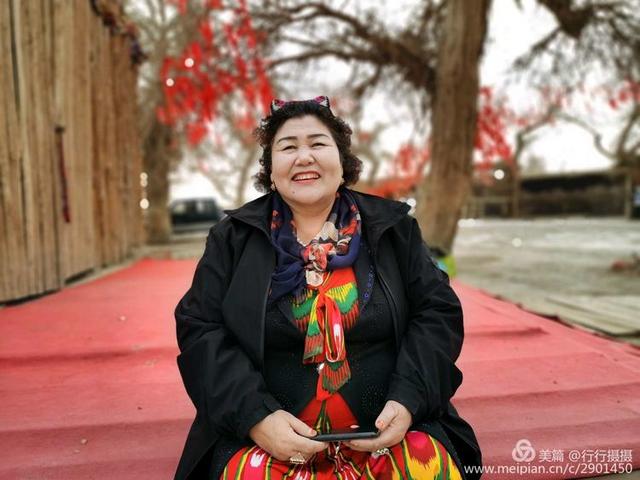
Abu Dunu says, 'I am a descendant of the city of Krorai.'
Tarim River
The Robat Tribe Village has been established
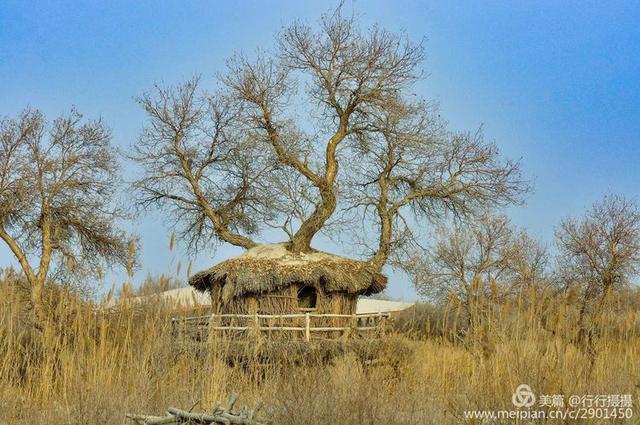
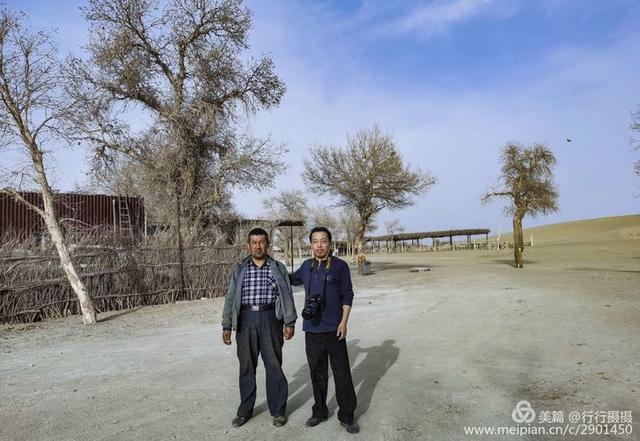
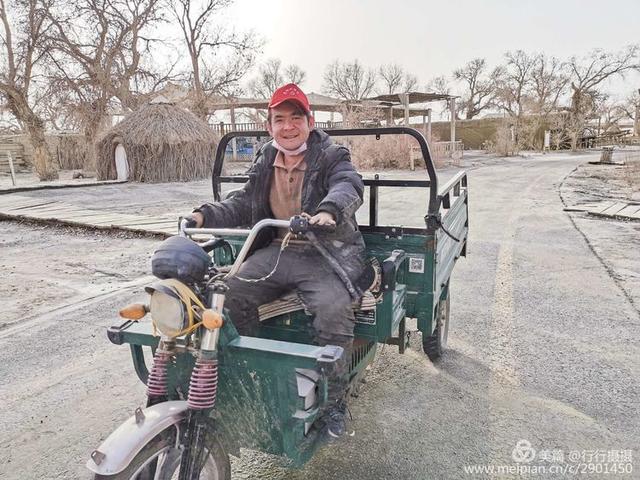
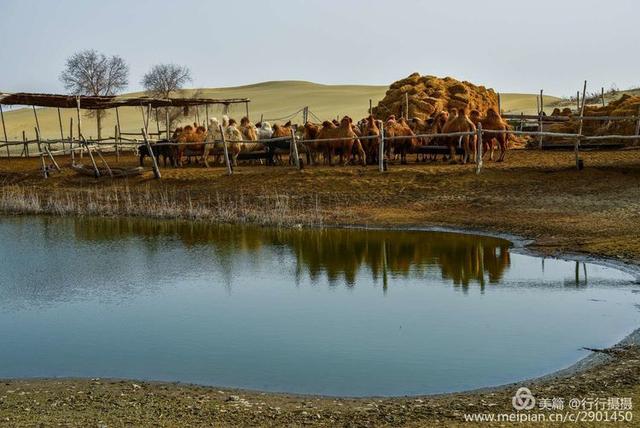
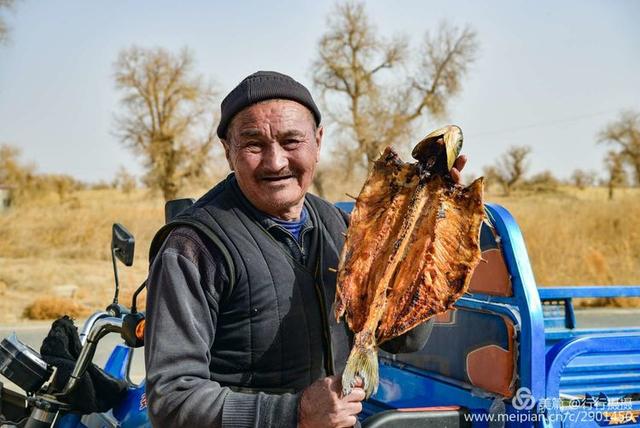
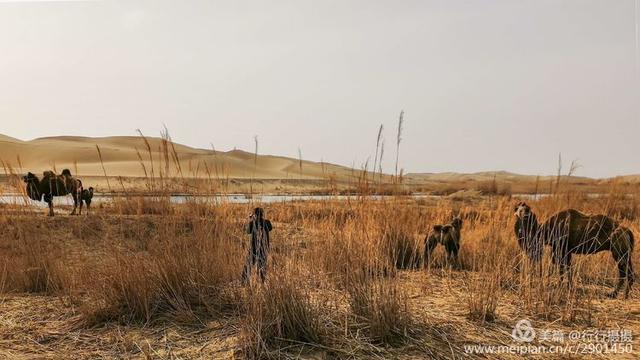
Ahmadi, he raises many camels. He says the best tourist season is in May and October
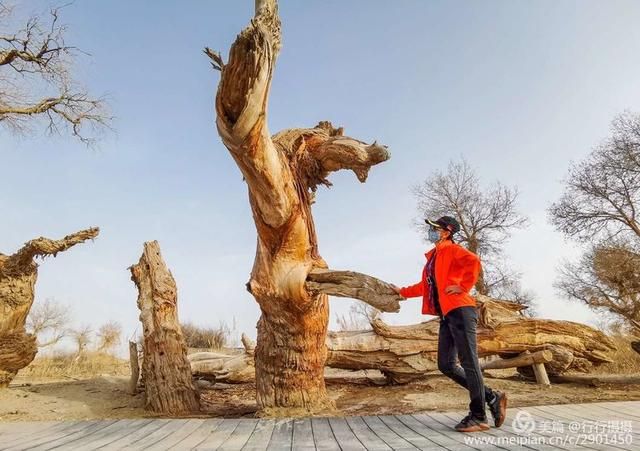
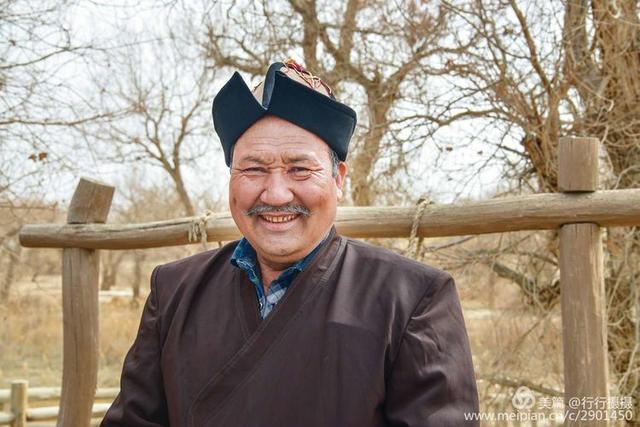
Ebulun, his writing is very beautiful. He says he basically doesn't live here in the winter, and will come back here when it gets warmer
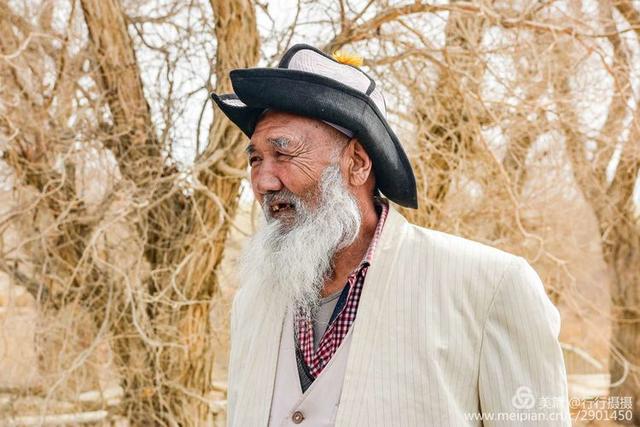
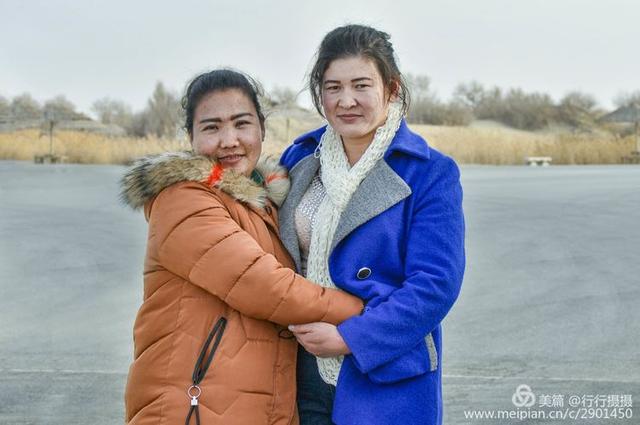
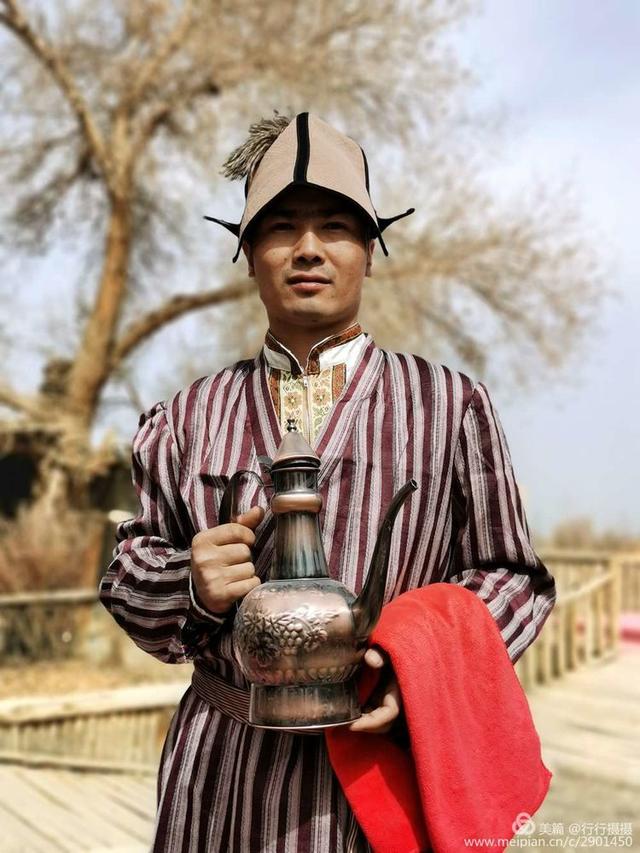
Aiyini Shaqi, Harliqema Kui.
510