Guangdong’s Only Selected Garden Among China’s Top Ten Classical Gardens; Few Out-of-Province Tourists; Picturesque Scenery
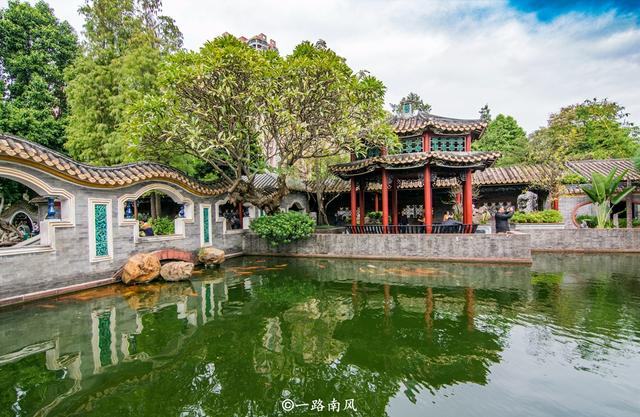
When people think of Chinese classical gardens, Suzhou gardens and Yangzhong’s Heyuan and Ge Garden, as well as Beijing’s Yuanming Garden, are often the first things that come to mind. Relatively speaking, many outsiders in other provinces view Guangdong, which was once a ‘Nanhang’ (Southern Minority Land), as a cultural desert and don’t have many worthwhile tourist attractions. This perception is somewhat biased.
Although Guangdong doesn’t have as many ancient cultural relics as provinces like Zhejiang, Beijing, Henan, and Shaanxi, it still has some ancient buildings from the Ming and Qing dynasties. This includes the Four Great Gardens of Lingnan. Among these, Qinghui Garden, located in Foshan’s Shunde district, is the best to visit.
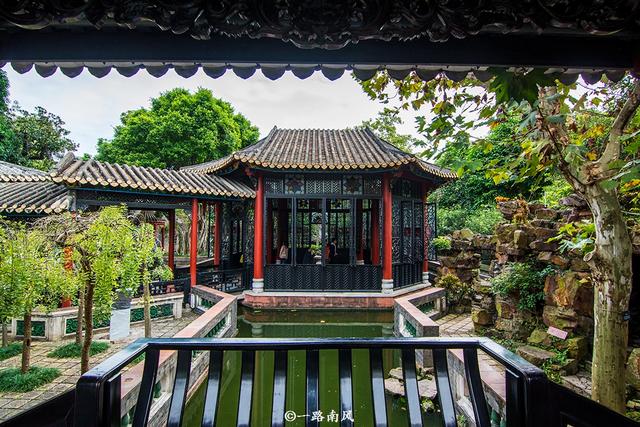
Qinghui Garden, one of China’s ten greatest gardens, has always been overshadowed by Suzhou gardens. Aside from visitors from the local city and surrounding areas, few foreign tourists come specifically to visit.
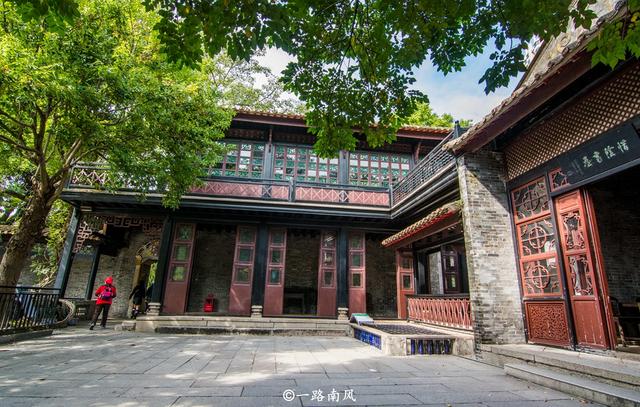
Qinghui Garden is located in Dali Town, Shunde District, Foshan. It was originally built by Huang Shijun, a native of Foshan, after he became a county magistrate. Later, it was abandoned. In the Qing Dynasty’s Qianlong reign, Long Yingshi, a successful graduate (), purchased the abandoned Huang family’s courtyard and, over several generations, renovated and expanded it, shaping the main building complex that visitors see today, which largely reflects Long’s aesthetic preferences.
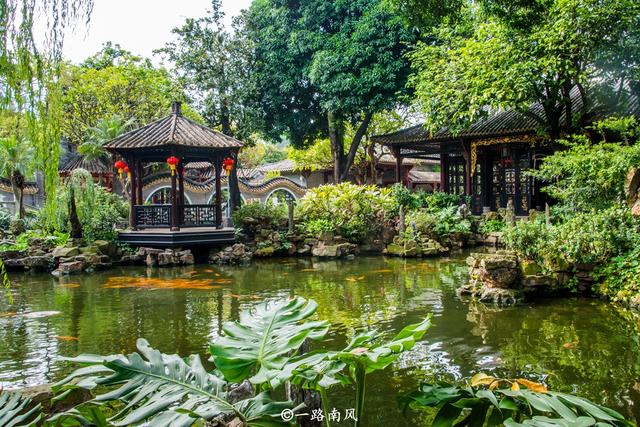
The principle of ‘big garden within a small garden’ is a characteristic of Shunde’s Qinghui Garden. Visitors explore by winding corridors, encountering ponds, passing through walls, gazing at towers, and then entering the interior courtyard, or suddenly finding themselves on an arched bridge watching carp play.
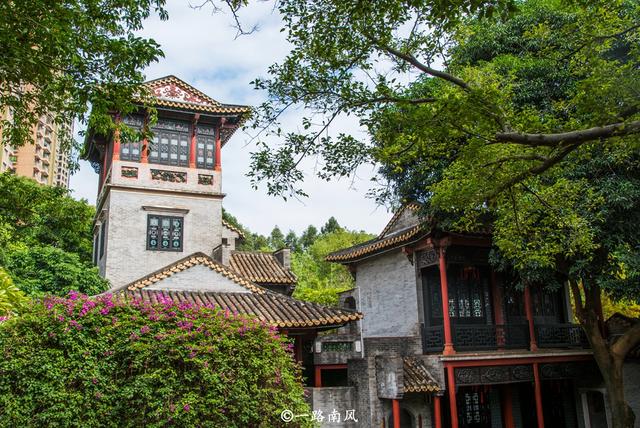
Shunde is located in a subtropical region, with vegetation that thrives year-round. No matter what season you visit Qinghui Garden, you’ll always find plenty of greenery. In addition to various trees, the garden also has many Lingnan potted plants and seasonal flowers such as hibiscus.
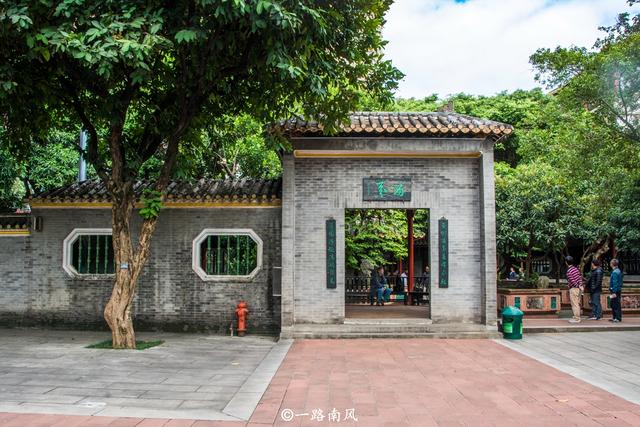
Because of its lush greenery, even in the hottest summer, it’s not easy to feel stifled.
Qinghui Garden is considered one of the best examples of the fusion of Eastern and Western garden styles in Chinese classical gardens, primarily because Shunde was one of the earliest places in China to come into contact with overseas cultures. There were also many local merchants involved in trade.
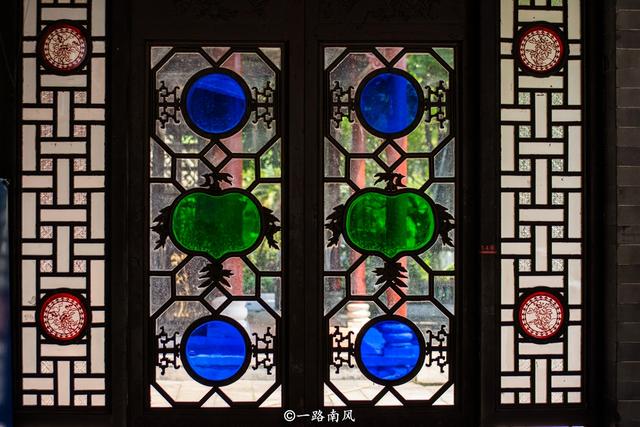
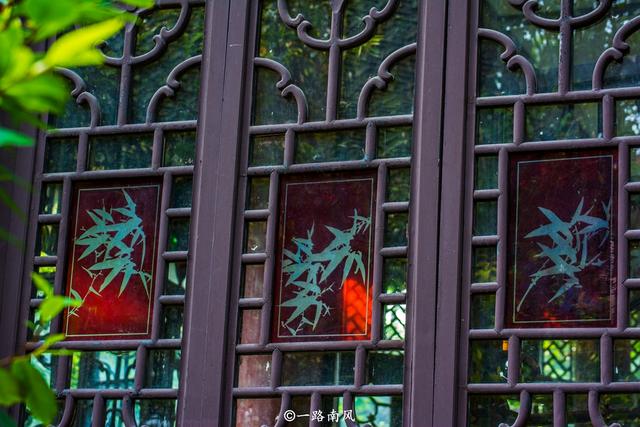
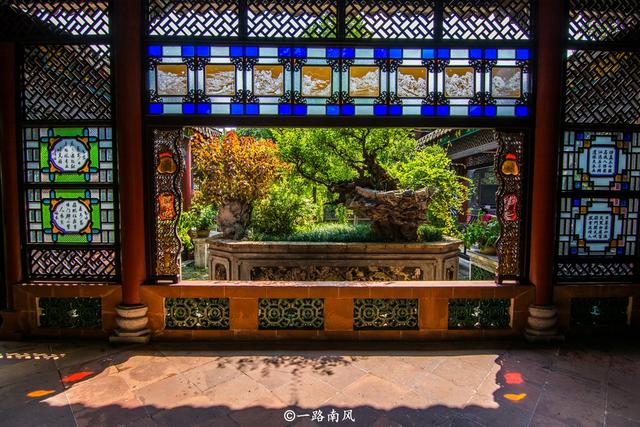
The Western-style elements of Qinghui Garden are mainly seen in the windows and glass walls, with much of the glass imported from abroad. When combined with the traditional courtyard, they don’t feel out of place and create an alternative aesthetic.
Have you ever visited Shunde’s Qinghui Garden?