How many strange things are on Dragon Mountain?
Dragon Mountain in Jilin City is a great place to visit!
Before talking about Dragon Mountain, let's first talk about the four famous mountains in Jilin City!
The Songhua River in Jilin City circles around in a huge S-shape, forming a large, approximate eight-sided gua (yin and yang) diagram. The north is yin, and the south is yang, forming two sides of the gua diagram. At the same time, there are four mountains – East, West, South, and North – in Jilin City, forming four (shou – beasts): Left Dragon (East – Dragon Mountain), Right Tiger (West – Xiaoba Mountain), Front Phoenix (South – Zhuque Mountain), and North Xuanwu (North – Xuan Tian Ling). These 'four beasts' mountains are the four famous mountains in Jilin City!
Today we will only talk about this Dragon Mountain. There are some strange things on the mountain, and most people probably wouldn't know them!
The first strange thing is the Dragon Pool at the middle height of the mountain!
The Dragon Pool is located at the northwest bottommost point of the mountain, and there is a small pond with black and green water. Even in the summer, it's cold. The water in the pool doesn't overflow and doesn't change with the seasons. There's no one able to measure the water depth in the pool, and it's said to be bottomless, connected to the Longchi Lake in Changbai Mountain. Both can be connected to the ocean!
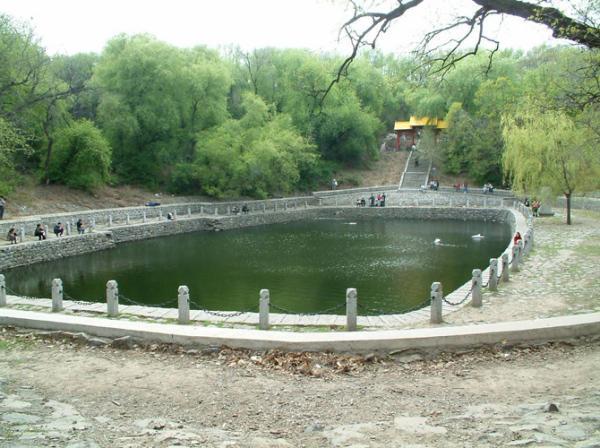
There's a iron chain by the pool, one end tied to a stone pillar on the shore, and the other end hanging in the pool. It's said that a dragon is tied to it, and no one dares to pull the chain!
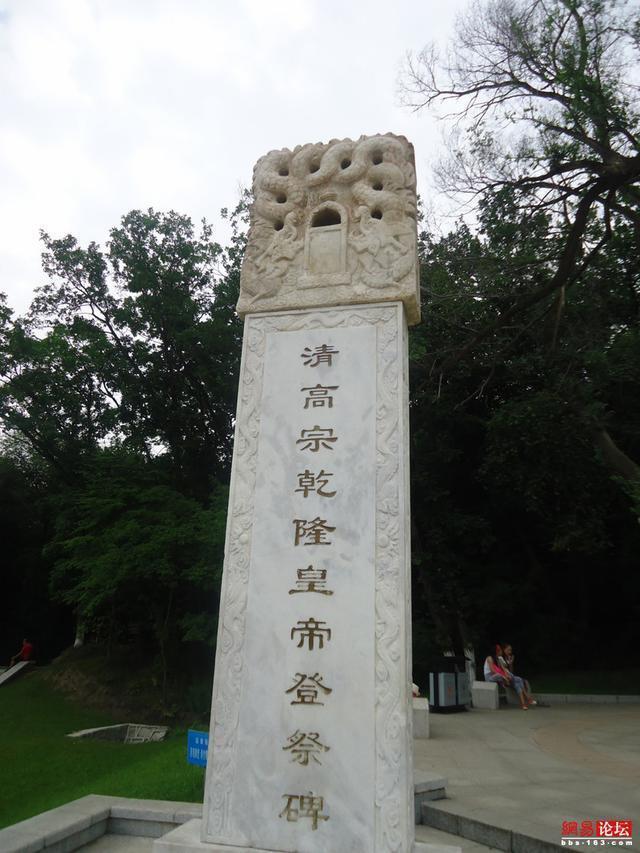
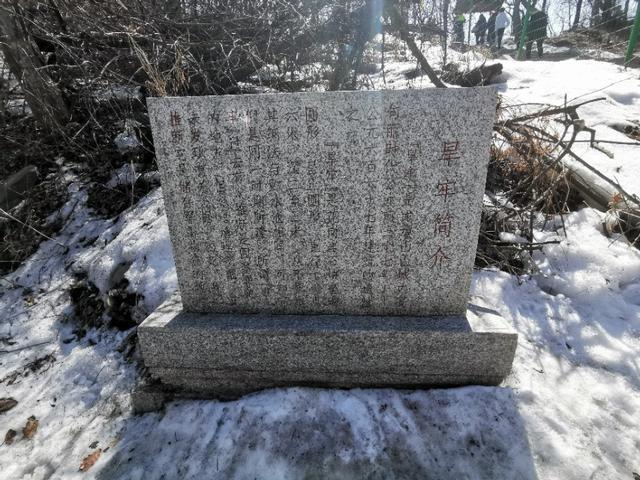
There's a stone tablet by the pool, recording Qianlong Emperor's visit and worship at Dragon Pool. This pool is also called 'Water Prison' by locals, and no one knows its exact purpose.
The second strange thing is 'Dry Prison'.
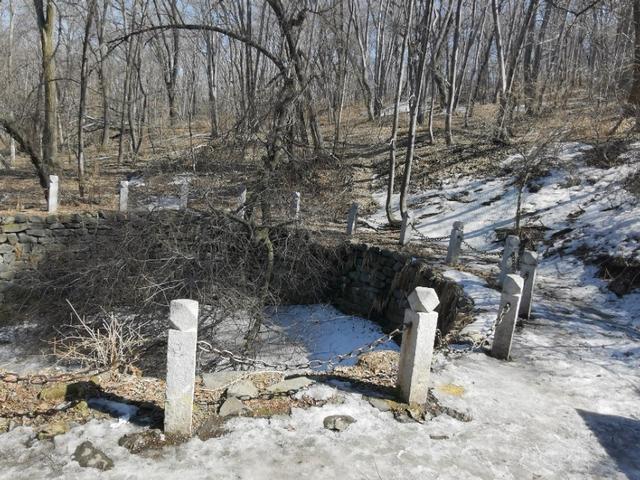
The 'Water Prison' is strange, and there's also 'Dry Prison' on the mountain!
The 'Dry Prison' is about 200 meters southwest of the 'Water Prison', there's a circular pit about 10.6 meters in diameter and 3 meters deep, without water. Snow can accumulate in the pit in winter. There's a big tree with its canopy fallen into the pit. No one has cleared it. No matter how much rain, the pit never fills up. Even if you try to fill it with water, it will drain away. It's unknown what the pit is used for.
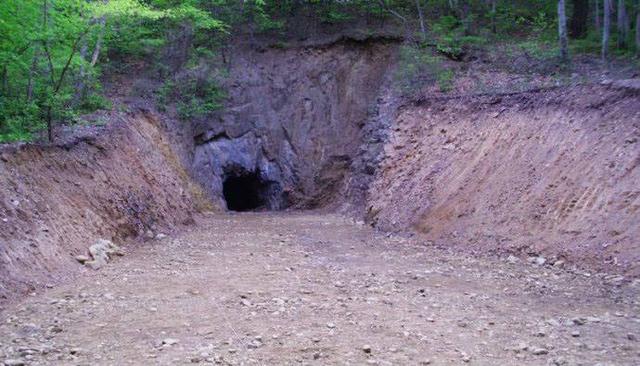
The third strange thing is 'Gold Tuft' Cave.
Dragon Mountain has a stone cave on its northwest side, and the cave entrance is now blocked by a iron fence!
According to local people, during the 'Cultural Revolution', young soldiers set fire to the cave, and the cave's depth is unknown after the fire ended!
According to historical records: 'The cave entrance is narrow inside, wide and dark, with wind sounds…' People's legends say that the cave connects to the high earth mound of the Wulaite Princess Dijingtie site in Ula Street. The red princess (Golden Flower Princess) resided in Dragon Pool City. Because of the convenience of communication, the Golden Tuft (dog), the elder brother of the Princess, sent troops to dig the tunnel.
Currently, the cave entrance is being repaired by the Scenic Area, and all the soil and rubble have been removed. It has no ancient appearance now!
The fourth strange thing is 'The furthest north first elm tree'.
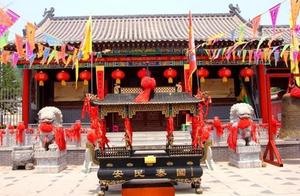
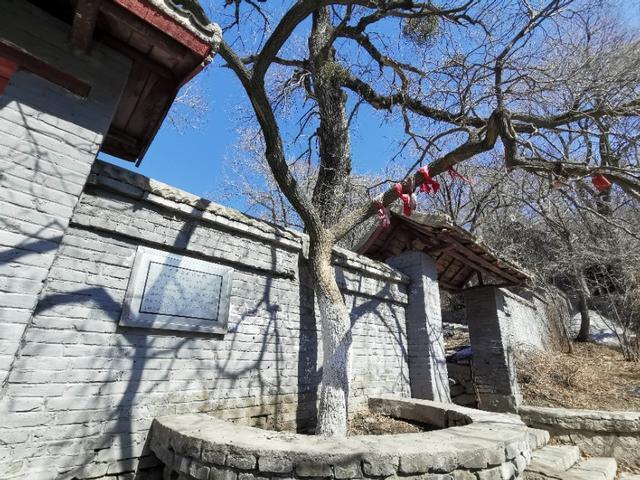
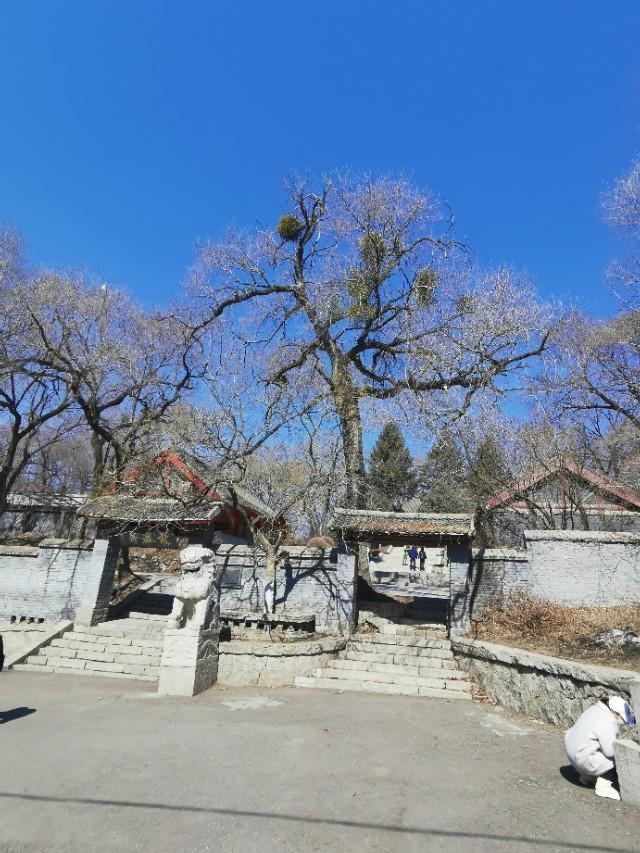
This elm tree is located in front of the Dragon Phoenix Temple in Dragon Mountain!
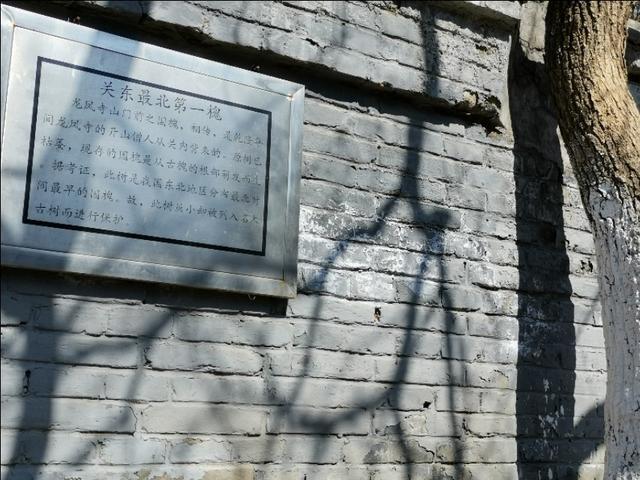
This elm tree, with a trunk about the width of a mouth, is about four or five meters tall. There's a plaque beside the elm tree, which calls it 'The furthest north first elm tree'.
Legend says that in the Qianlong year, a elm seedling was brought from the inland and planted in Dragon Phoenix Temple. In the Republic of China, the elm tree gradually died. But a new elm tree grew at the roots of the old elm tree, which is the elm tree that survives now!
Elm trees are common in China. They are called 'Elm Trees'. The leaves are oval and small, and the flowers are the size of rice grains. After the flowers, they bear chain-shaped fruits. Both flowers and fruits can be used as dyes. Before there were chemical dyes, the state bought flowers and fruits in season to color the army uniforms – 'military green'!
Elm trees are distributed in Suzhou, Shandong, and Hebei. They grow naturally. But they are rare outside the customs territory, especially before the Ming and Qing Dynasties. Because the climate outside the customs is still bad, the temperature is 5-6 degrees lower than now, so elm trees and other shade-tolerant tree species cannot grow there!
Dragon Phoenix Temple monks were thoughtful, and brought elm seedlings from the inland to Dragon Mountain, and they survived. This is a miracle! It left a scene for us!
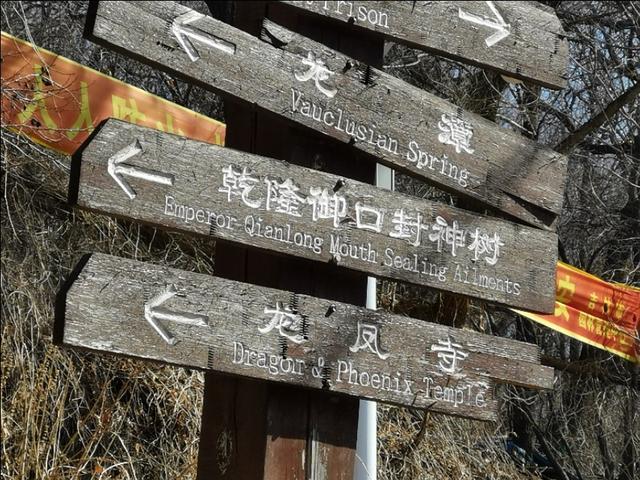
So why can this elm tree survive and not freeze in Dragon Phoenix Temple? This is another strange thing of Dragon Mountain!
The fifth strange thing of Dragon Mountain: There are parasitic plants on the big tree in front of Dragon Phoenix Temple!
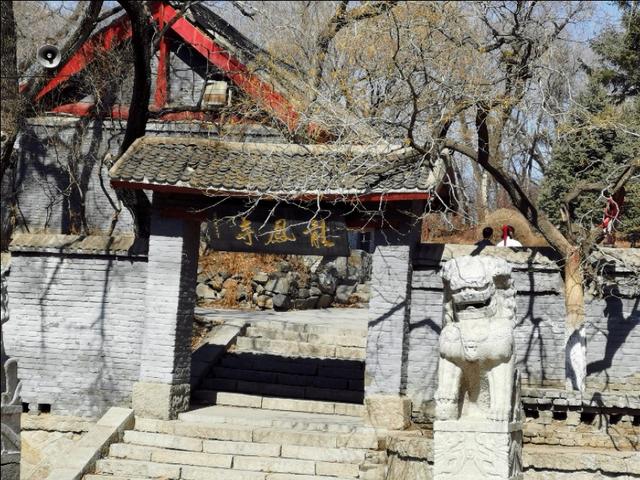
Look at the nests on the big tree – at first glance, they look like sparrow nests. After looking closely, they are not sparrows, but parasitic plants on these big trees!
People who have been to Guangdong may have noticed that there are parasitic plants on the banyan trees along the road. They are clustered together or in piles, which is common. Gradually going north, the phenomenon of parasitic plants on trees decreases. In the north of Jiangsu, Shandong and Hebei, there are no more parasitic plants!
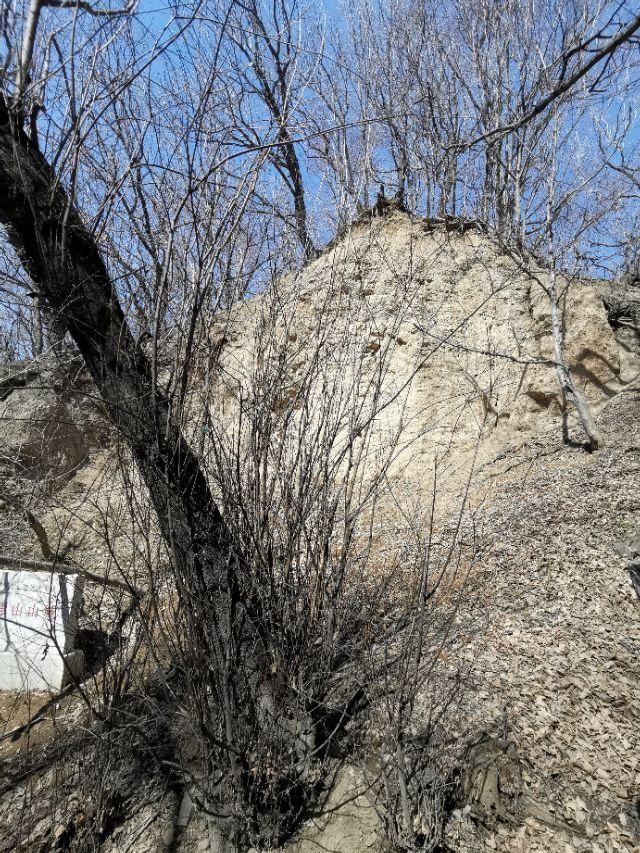
This shows that to make parasitic plants appear, there must be abundant rainfall, and the air must be humid, and the temperature must be warm and moist!
In Jilin Dragon Mountain, the big tree has parasitic plants, basically concentrated in the area of Dragon Phoenix Temple in front. There are no such parasitic plants on other mountains, such as Xiaoba Mountain, Zhuque Mountain and Xuan Tian Ling!
What does this mean? It's obvious that this area has a small, isolated climate with abundant rainfall and warm, humid weather in the summer. Even in winter, because the peaks block the cold air, the temperature and humidity in this area are warmer and more humid than outside. Only in this way can these parasitic plants survive the winter and not freeze or die!