Why is Jiasī's Xilin Park Named 'Xilin'? To Commemorate This Martyr
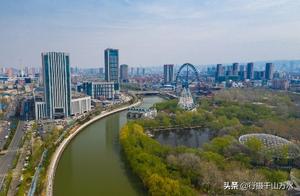
Over the past few years, due to work reasons, I often traveled to Jiasī for business, and this place has become my second hometown. Every time I go to a place, I like to explore it. Jiasī's Xilin Park is just a 20-minute walk from my residence, let's go to take a look.
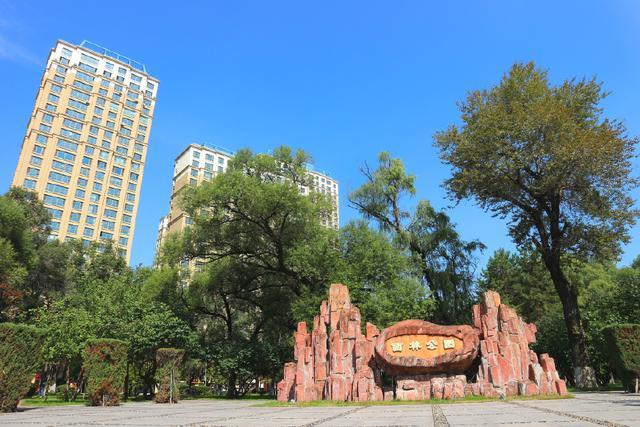
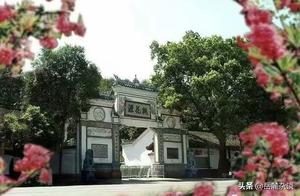
Xilin Park is located within the area enclosed by Zhongshan Street, Xinlin Road, Youyi Lane and Guangfu East Road, a non-wide road divides the park into East Garden and West Garden. The East Garden and West Garden, separated by a single wall, are both open parks, but they have slightly different styles. Let's start with the East Garden, the photos were taken in the deep autumn of last year.
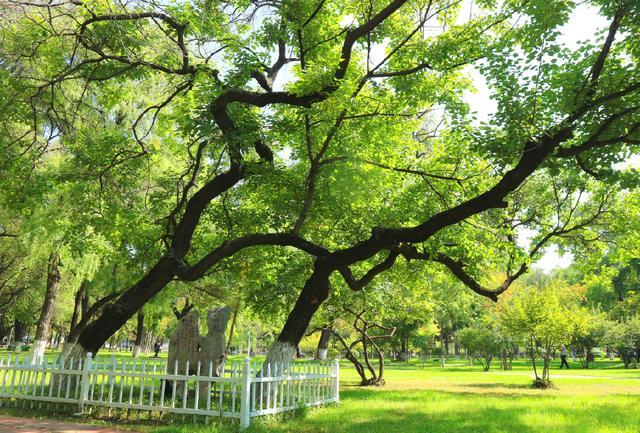
The(Couples Tree) in the East Garden. Jiasī's Xilin Park was built in 1940, originally a Japanese shrine in the East Garden, and the West Garden was the East Palace Park. The park covers an area of 6 hectares and has dozens of tree species such as willow, elm, sugar, peach, pear, cloud, cypress, and juniper. The East Garden, adjacent to the West Garden, was formerly an animal garden.
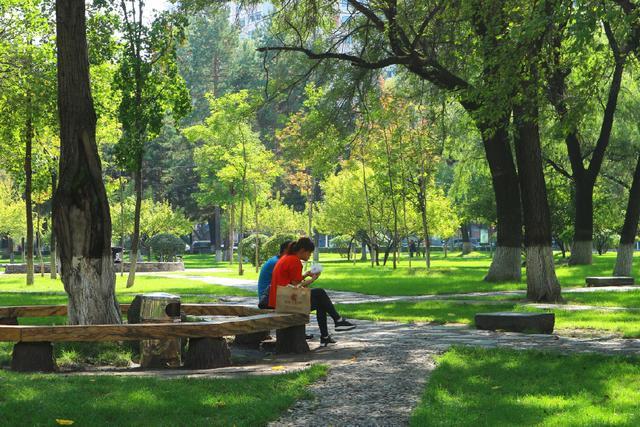
In 2003, in conjunction with the city's overall planning requirements, the East Garden, West Garden and other areas were re-planned and built, highlighting the park's tree and vegetation features, dismantling walls to increase green space, and building various curved paths and small roads to maintain the park's rustic and natural appearance. Xilin Park has long been a popular leisure and entertainment destination for surrounding residents. In Jiasī, I particularly appreciate the abundance of parks, the good environment, and the ease of maintenance – a great job to the managers!
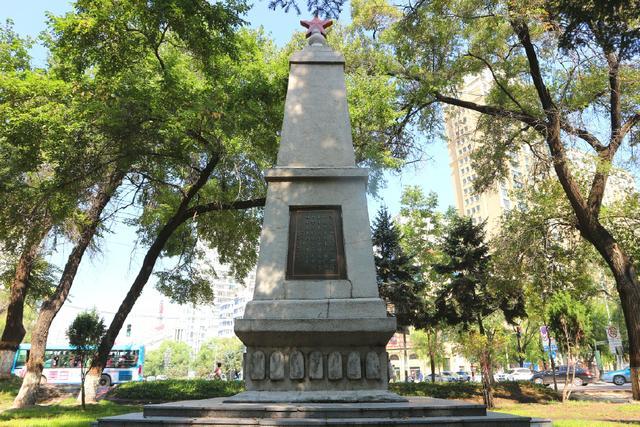
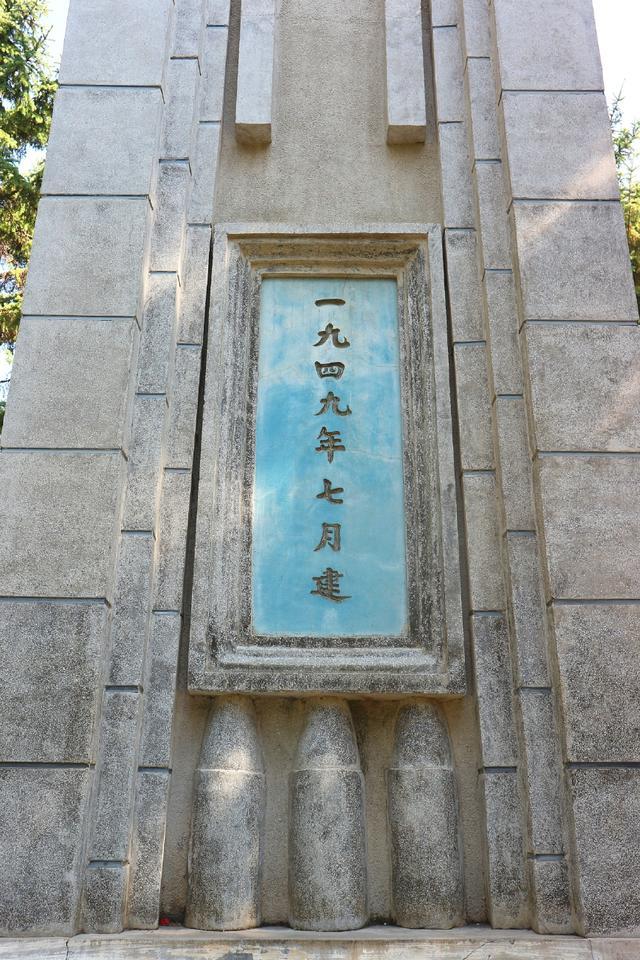
Let's go take a look at the West Garden. There is a taller and more majestic Soviet Red Army Martyrs' Monument in the northeast corner of the West Garden. The monument is surrounded by tombs of Soviet Red Army soldiers who sacrificed their lives during the Liberation of Jiasī and the Suppression of Banditry.
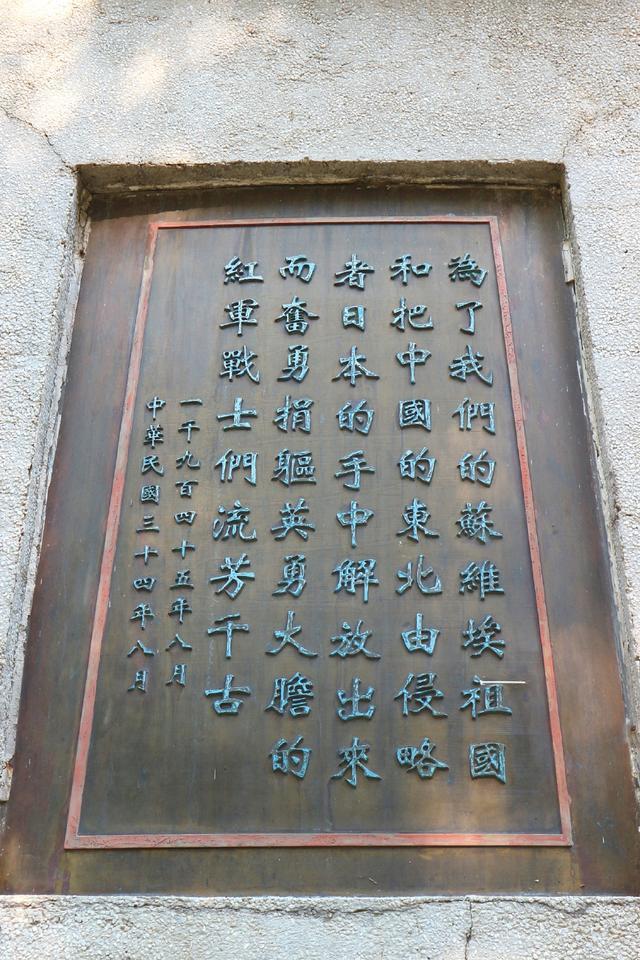
In 1945, the Chinese People's Armed Forces and the Soviet Red Army entered Jiasī. They bravely sacrificed in the Liberation and Suppression of Banditry campaigns, and their heroic martyrs were successively buried in the former East Palace Park.
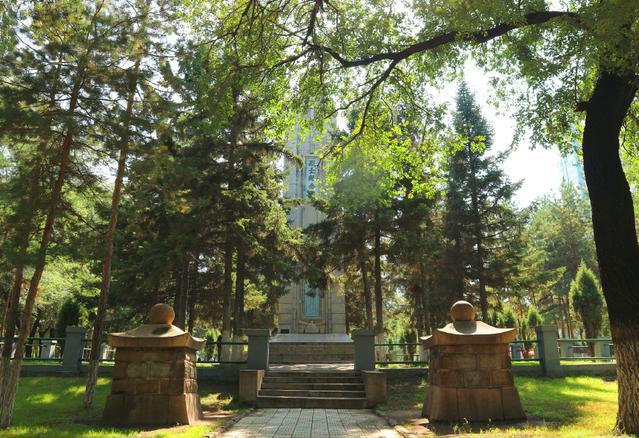
The Soviet Red Army Martyrs' Monument has a tall conifer surrounding it, creating a solemn and respectful atmosphere. People often visit the park during the Qingming Festival to pay tribute and offer flowers and wreaths. The monument is rectangular with a convex top, made of water brick, and the upper part is adorned with a red five-star. Talking about the Soviet Red Army Martyrs' Monument, we must mention Sun Xilin. In 1946, Sun Xilin, a martyr, was originally buried here, and both the East and West Gardens were known as Xilin Park. To commemorate Sun Xilin and other revolutionary martyrs, the Municipal Committee and Municipal Government decided to rename the East Palace Park as Sun Xilin Park.
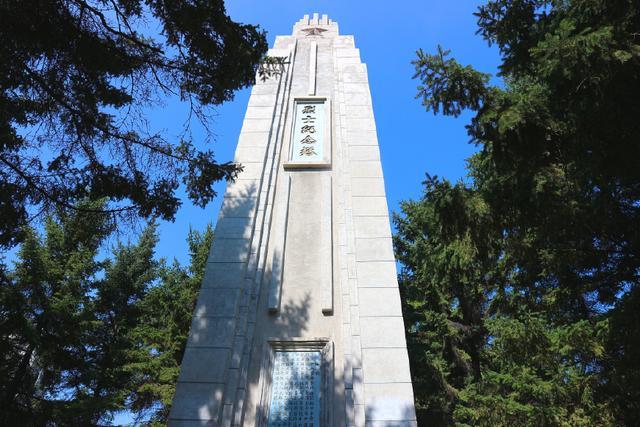
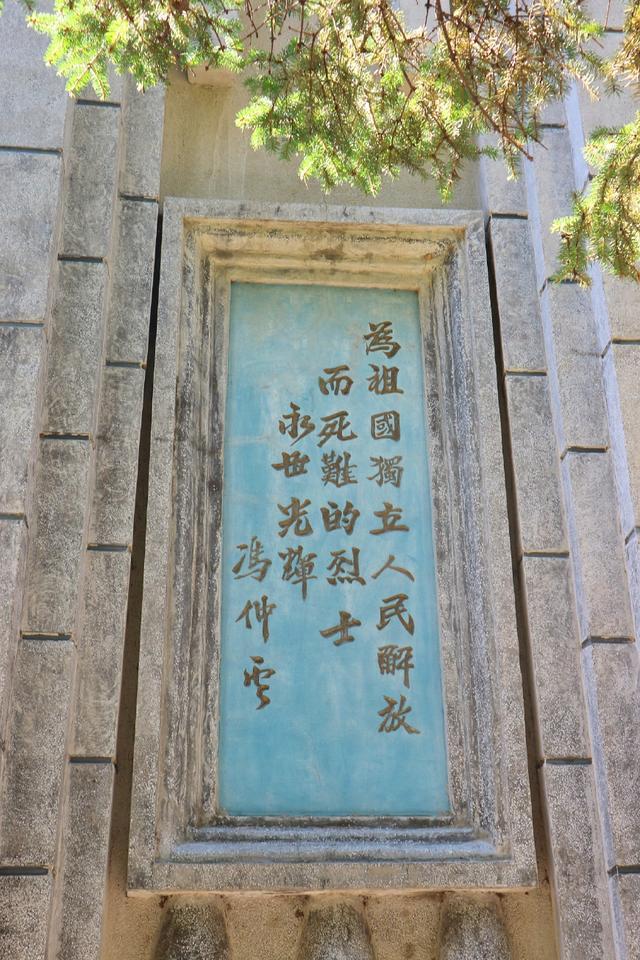
The monument is inscribed with words written by then Provincial Governor Feng Zhongyun: 'Sacrificing for the Fatherland's Independence and the People's Liberation', 'May their heroic spirit live on forever.' Sun Xilin (1910-1946) was born in Changdu County, Liaoning Province. He studied at Northeast University's Engineering College in 1926 and joined the Chinese Communist Youth League the same year. In 1929, Sun Xilin was forced to leave the country due to his revolutionary activities, working and studying in Belgium. He joined the Chinese Communist Party in Paris in September of the same year. In 1934, he was dispatched by the party to work at the foreign worker publishing house in the Soviet Union under the leadership of the Third International.
In September 1938, Sun Xilin traveled to Yan'an. In September 3, 1945, Sun Xilin, along with the first batch of command troops, departed from Yan'an and headed to Northeast. He arrived in Jiasī City, Northeast Province, in mid-November. He was appointed as a member of the Jiasī Provincial Committee of the Communist Party of China, the Commissioner of the Jiasī District, and the Deputy Mayor of Jiasī City.
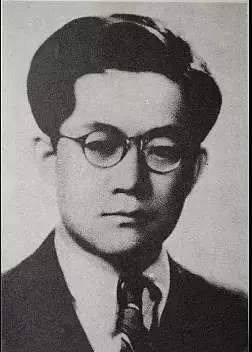
On January 31, 1946, Sun Xilin was assassinated by Nationalist spies in his office at the Jiasī City Government, sacrificing himself at the age of 36.
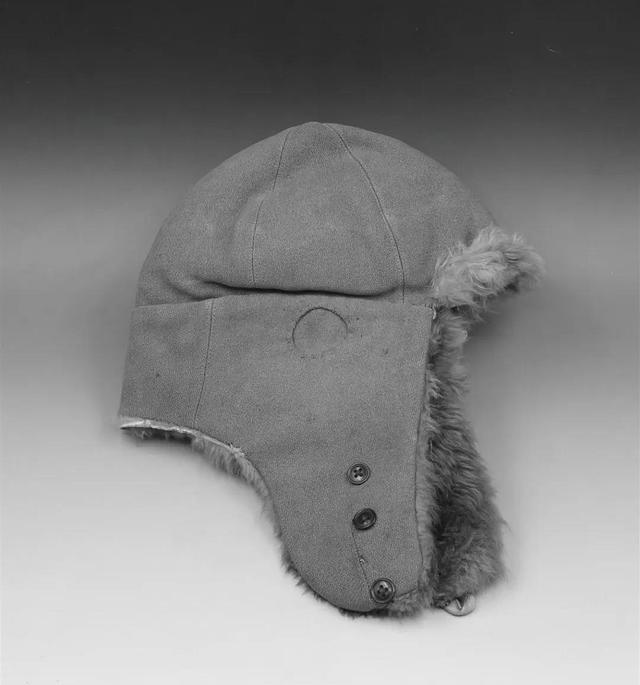
The Jiasī City Museum's Modern History Exhibition Hall just displayed this faded yellow cotton hat, which was worn by Sun Xilin, Deputy Mayor of Jiasī City. The hat was donated by Sun Xilin's wife. I frequently visit the Jiasī Museum to see the exhibitions and new exhibits.
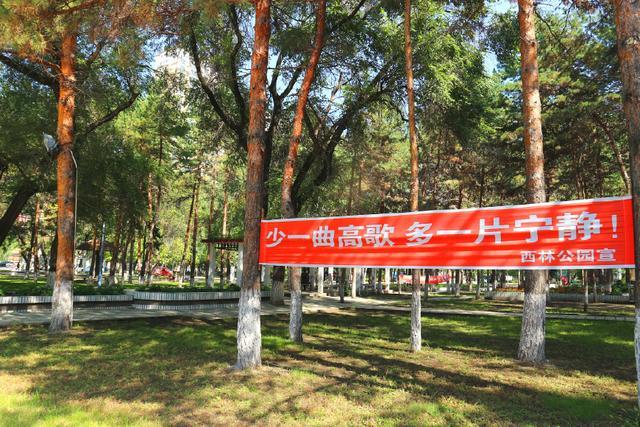
In the West Garden, besides the two martyr monuments, the rest is mainly wooded paths, which is suitable for relaxation and walking. The slogan here is well-written 'A melody sung with a higher pitch, a quiet zone with many more pieces' . Besides Xilin Park, Jiasī also has another prosperous street – Xilin Road, which is named after Sun Xilin's name.
“”——